REVIEW · AMSTERDAM
2 Hour Making Rembrandt’s Traditional Oil Paints in Amsterdam
Book on Viator →Operated by Rembrandt Paint Maker · Bookable on Viator
Color starts with chemistry, not brushes. This Rembrandt-inspired workshop is a hands-on way to learn how Dutch artists built their colors. I love the hand-made oil paint focus and the chance to create a small mini masterpiece using Rembrandt-style mixing. One thing to consider: it’s not a long art vacation—it’s a tight 2 hours, so if you want lots of free-form painting time, you may feel slightly rushed.
What I also like is the private class setup with an English-speaking instructor, so you’re not guessing what to do next. You’ll work with 14 natural pigments and learn how pigments and linseed oil can be mixed to expand your color options. The possible drawback is practical, not artistic: you’ll need to follow the process carefully, so it’s less suited to people who want a totally casual, no-structure activity.
In This Review
- Key Highlights Worth Your Time
- Why Rembrandt Pigment Mixing Feels Different in Amsterdam
- The 2-Hour Flow: Hand-Made Paint to Your Mini Masterpiece
- Starting at Nieuwe Doelenstraat
- Making your hand-made oil paints
- Building an endless color pallet (and learning why)
- Painting your mini masterpiece
- What You Learn About Rembrandt van Rijn’s Techniques
- Eric’s Private Instruction: The Real Value Driver
- Location and Timing: Nieuwe Doelenstraat Works With a Tight Itinerary
- Price and Value: What $114.88 Buys You in Amsterdam
- Who This Workshop Fits Best (and Who Might Want Another Option)
- Practical Tips Before You Go
- Should You Book This Amsterdam Rembrandt Paint Workshop?
- FAQ
- Where is the meeting point for the workshop?
- How long does the Rembrandt oil paint workshop take?
- Is the class private or shared with other groups?
- What language is the workshop offered in?
- What time does the workshop run?
- How many pigments are used during the paintmaking?
- Do I get to paint something myself?
- Is the price per person or for a group?
- What is the cancellation policy?
- Is it near public transportation, and are service animals allowed?
Key Highlights Worth Your Time
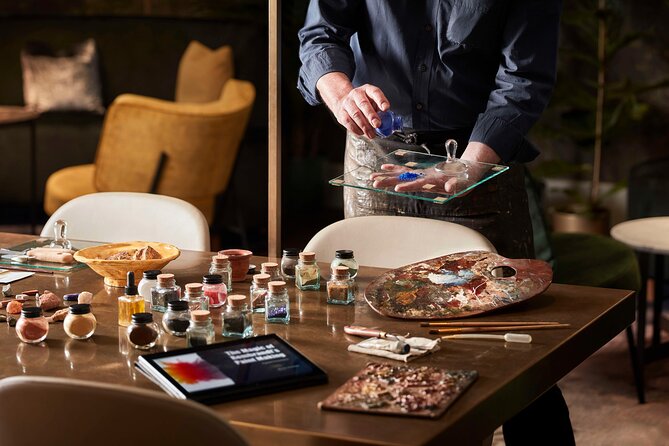
- 14 natural pigments used to create a wide color range
- Rembrandt-style oil paint making with pigments and linseed oil
- Private, English-led instruction with focused help
- You paint your own mini piece using your mixed paints
- Instructor Eric blends practical technique and Rembrandt context while you work
Why Rembrandt Pigment Mixing Feels Different in Amsterdam
Most painting classes in Amsterdam teach you how to move a brush. This one teaches you how color is made before it ever reaches the brush. That shift matters, because Rembrandt wasn’t just a great painter—he was careful about materials, texture, and tone. When you mix pigments yourself, you start noticing how colors behave, not just what they look like.
I also like that the whole session is built around a clear goal: you experience the wonder of making your own hand-made oil paints and you create a mini masterpiece with them. That makes it more than a demo. It turns into a skill you can actually talk about later, especially when you walk into museums and see Dutch Golden Age paintings with new eyes.
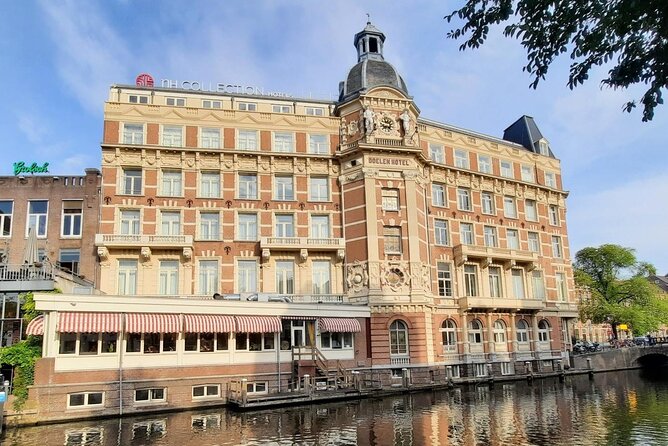
The setting helps too. You meet in central Amsterdam at Nieuwe Doelenstraat 24 (1012 CZ). That’s the kind of location where a short workshop fits neatly into a day of galleries, canal walks, and good coffee stops—without feeling like a trek to the outskirts.
You can also read our reviews of more tours and experiences in Amsterdam


The 2-Hour Flow: Hand-Made Paint to Your Mini Masterpiece
This is a short workshop (about 2 hours), and the structure is designed to keep you moving. You’ll spend your time on the part that usually gets skipped in casual classes: preparing your own paint from natural pigments.
Starting at Nieuwe Doelenstraat
You begin at Nieuwe Doelenstraat 24, and the activity ends back at the same meeting point. Plan to arrive a few minutes early so you’re not stressed. The workshop runs daily (Monday through Sunday) during the stated opening window, with sessions set between 3:00 PM and 7:00 PM.
Because it’s a private class, the pace is tailored to your group. That’s a big deal in a workshop where mixing ratios and timing can affect how the paint handles.
Making your hand-made oil paints
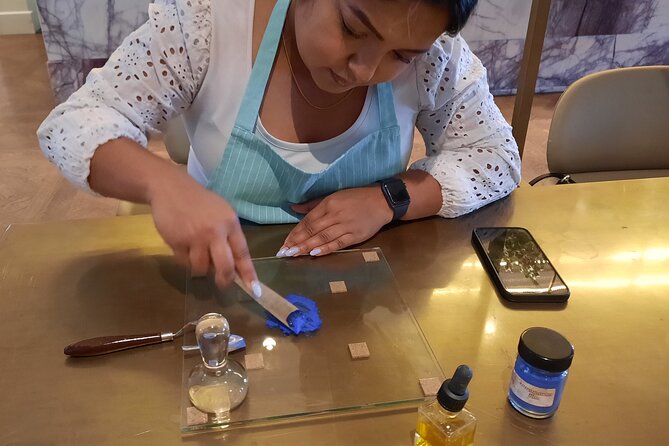
The heart of the experience is learning how to make paint using 14 natural pigments. You’re not just choosing colors—you’re understanding what each pigment brings to the mix. The guide walks you through the process, and you actively do the mixing yourself.
You’ll also learn the role of linseed oil in the mix. One review highlights that the instructor mixes pigments and linseed oil in a way that matches how Rembrandt would have worked in his time. Even if you’re not trying to replicate a masterpiece, this is the kind of practical material knowledge that instantly makes museum paintings feel more real.
Building an endless color pallet (and learning why)
The workshop promises an endless color pallet, and the useful part isn’t the marketing—it’s the method. When you mix a small set of pigments well, you get far more options than you expected.
In practice, that means you’ll experiment with mixing until your colors match the feeling you want in your mini piece. You’ll start thinking in terms of undertones and how blends change as they combine. That’s a skill you can carry to other art forms too, even if you never buy pigments again.

Painting your mini masterpiece
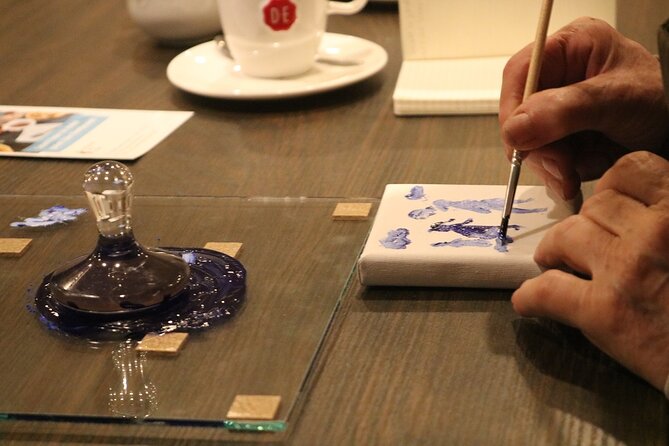
After you mix your paints, you use them to paint your own small work. Reviews describe it as satisfying and personal because you’re working with your own hand-made color, not a pre-made set.
This is where the workshop earns its keep. Seeing your paint underbrushes is one thing; painting with it is another. You’ll get the chance to apply Rembrandt-inspired technique concepts while you create something that feels like yours.
If you tend to get frustrated with time limits, keep in mind this is built for a short session. The goal is not a multi-day canvas. It’s a concentrated experience where you make the paints and then use them right away.
What You Learn About Rembrandt van Rijn’s Techniques
This workshop connects the chemistry to the art. Rembrandt van Rijn is the focus, and the teaching centers on his approach to paintmaking and color.
Here’s what that means for you in plain terms:
- You learn why artists cared about the pigments they used.
- You learn how mixing pigments and oil affects the resulting paint.
- You learn to think about color as something you build, not something you grab from a tube.
One review specifically praises how the instructor mixes with Rembrandt-appropriate materials and technique, adding history while guiding the process. That blend of context and hands-on work is exactly what helps the lesson stick.
Also, the experience is designed for people who want to understand what they’re seeing when they look at Dutch art. When you know how pigment and oil mixing works, you can better appreciate the look of older paintings—the way tones layer and shift.
Eric’s Private Instruction: The Real Value Driver
The class is private, meaning only your group participates. That matters because oil paint work benefits from real-time feedback. You can ask questions as you mix, and you’re less likely to get stuck mid-process while others wait.
In the reviews, the instructor is named Eric, and multiple comments highlight his depth of knowledge and the way he makes the experience special. I like that this isn’t just a pass-the-tools situation. Eric connects what you’re doing to why Rembrandt mattered, then guides the mixing steps so you can actually succeed during the time window.
Since the workshop is offered in English, it’s easier to follow the instructions precisely. Art classes can be tricky across languages when terms like pigment, oil, and mixing ratios get technical. Here, at least on the language front, you can keep your full attention on the work.
Location and Timing: Nieuwe Doelenstraat Works With a Tight Itinerary
You meet at Nieuwe Doelenstraat 24, 1012 CZ Amsterdam, and you return there. That reduces logistical friction. In a city that loves detours, having a workshop that starts and ends at the same point helps you keep your day clean.
The workshop runs Monday through Sunday, with opening hours listed from 3:00 PM to 7:00 PM. So if you’re building a day around museums and canals, this is a good late afternoon slot. You can do a morning activity, take a break, then come back for something hands-on and creative.
It’s also near public transportation, so you’re not stuck planning around limited taxi availability. And the organizers use a mobile ticket, which is one less thing to manage.
Price and Value: What $114.88 Buys You in Amsterdam
At $114.88 per person for about 2 hours, this isn’t a bargain workshop. But it also isn’t just a casual class. The value is in four places:
- Your materials and process are part of the lesson. You’re making hand-made oil paints using natural pigments, not using a pre-made kit.
- You’re learning a technique, not only creating a decorative souvenir. The pigment mixing approach is the transferable skill.
- You get private attention because only your group participates.
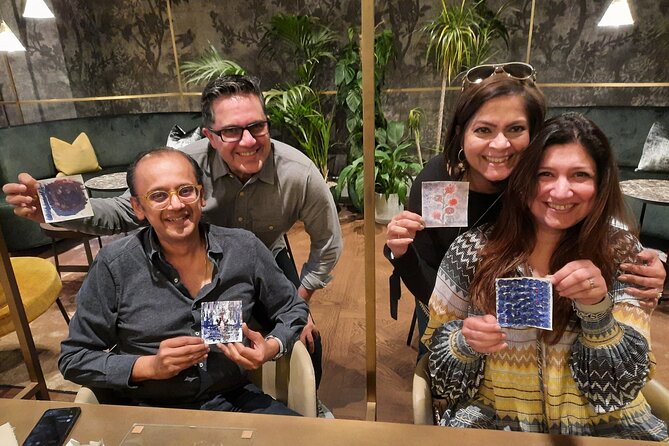
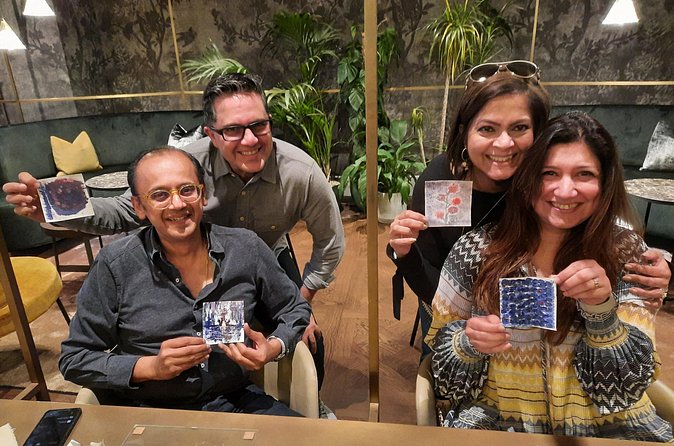
- You leave with a painted result (a mini piece made with your own colors).
If you’re the type who enjoys art museums but wants a practical lens for understanding what you see, the price starts to make sense. You’re paying for instruction, structure, and the chance to work with Rembrandt-style materials during a focused time slot.
If your priority is simply making something pretty with minimal technical steps, you might feel the cost is higher than you expected for the time. But if you enjoy craft, experimentation, and learning how materials shape art, this is a strong match.
Who This Workshop Fits Best (and Who Might Want Another Option)
This workshop is a great fit if you:
- Want a short, structured creative activity with a clear learning goal.
- Care about the Dutch Golden Age and want hands-on context for Rembrandt.
- Enjoy making things with your hands and learning why the process matters.
- Appreciate private instruction and want to ask questions without rushing.
It may be less ideal if you:
- Want lots of open-ended painting time with minimal structure.
- Prefer workshops where your main focus is brushwork only, not paintmaking.
- Get overwhelmed by technical process steps. This is interactive, and you’ll be mixing pigments and oil.
The good news: the workshop notes that most travelers can participate, so it’s not limited to professional-level artists. You’re learning as you go, and the private setting supports that.
Practical Tips Before You Go
A few small things will help you enjoy the session more:
- Wear clothes you don’t mind getting messy. Oil paint work and pigment mixing can be unpredictable.
- Arrive early enough to settle in calmly. You’ll get the most out of it when you’re not rushing through setup.
- Come ready to follow the process. This is about paintmaking technique; small choices during mixing affect results.
- If you’re sensitive to strong smells, consider stepping out briefly if needed. Oil painting materials can have odor, and you’ll be using linseed oil.
And if you’re the museum type, plan to pair this with a Dutch painting visit afterward. Even within the same trip, you’ll likely spot details differently once you understand how the paints were made.
Should You Book This Amsterdam Rembrandt Paint Workshop?
I’d book it if you want a focused, hands-on Amsterdam experience that teaches something you can use to understand the art you came to see. The biggest selling points for me are the Rembrandt-inspired paintmaking angle, the 14 natural pigments, and the fact that it’s a private English-led class with real guidance from Eric.
Skip it if you’re looking for an all-day painting party or you only want brushwork with zero technical mixing. But for a time-budget traveler who wants real craft knowledge, this is the kind of activity that turns into a highlight rather than another checkbox.
FAQ
Where is the meeting point for the workshop?
You’ll meet at Nieuwe Doelenstraat 24, 1012 CZ Amsterdam, Netherlands.
How long does the Rembrandt oil paint workshop take?
The experience lasts about 2 hours.
Is the class private or shared with other groups?
It’s private. Only your group will participate.
What language is the workshop offered in?
The workshop is offered in English.
What time does the workshop run?
The listed opening hours are Monday through Sunday from 3:00 PM to 7:00 PM.
How many pigments are used during the paintmaking?
The workshop uses 14 natural pigments to help you create a wide color range.
Do I get to paint something myself?
Yes. You’ll create your own mini masterpiece using the oil paints you make.
Is the price per person or for a group?
The price is listed as $114.88 per person.
What is the cancellation policy?
Free cancellation is available. You can cancel up to 24 hours in advance of the experience start time for a full refund. Cancellation within 24 hours is not refunded. Cut-off times are based on local time.
Is it near public transportation, and are service animals allowed?
Yes, it’s near public transportation. Service animals are allowed, and most travelers can participate.