REVIEW · AMSTERDAM
Amsterdam: Architektur Er-fahren
Book on GetYourGuide →Operated by Herzblut Amsterdam Stadtführungen · Bookable on GetYourGuide
Modern Amsterdam looks different at bicycle speed. This German-led Amsterdam architecture ride links historic canal-side warehouses with prize-winning new construction, so you learn how the city solves real problems like water, soft land, and fast growth.
I love the way the route mixes styles on purpose: you’ll compare industrial waterfront areas with more picturesque neighborhoods, instead of seeing only glossy landmarks. I also really liked how the tour talks about design and function together, not just faces and photos.
One thing to consider: you’re on a bike for the full 2.5 hours, and it runs rain or shine. If you don’t feel confident riding in city traffic, this is going to feel stressful instead of fun.
In This Review
- Key highlights you’ll feel right away
- Getting to the ride’s real point: architecture as a city problem, not a postcard
- Starting at Beursplein/Damrak: where the city first frames your route
- Along the water toward Amsterdam Central: historic warehouses meet modern solutions
- Houseboats and living on the water: architecture that’s also a lifestyle
- The Western Islands: a quieter kind of city—shaped by industry and reinvention
- Social housing and luxury housing in the same conversation
- Tackling Amsterdam’s tricky ground: water, land conditions, and rapid growth
- Industrial vs picturesque architecture: the contrast you’ll remember
- The guide’s style: information with stories, plus laughs
- Practical side: bikes, timing, and how to get the most out of 2.5 hours
- Bike hire and getting started
- What to bring so you’re comfortable
- Ride ability and group pacing
- Food and drinks
- Who should book this architecture bike tour (and who should skip it)
- Should you book Architecture Er-fahren?
- FAQ
- FAQ
- What’s the duration of the tour?
- Where does the tour start?
- What language is the tour guide speaking?
- How big is the group?
- Is bike hire included in the price?
- What should I bring with me?
- Will the tour run in rain?
- Is food or drinks included?
- Are there restrictions during the tour?
- How can I find the guide at the meeting point?
Key highlights you’ll feel right away
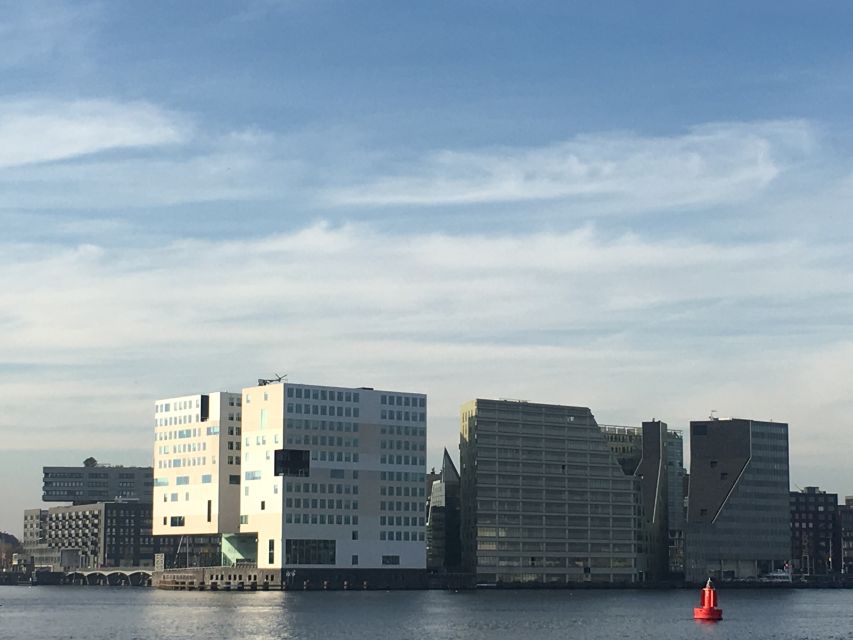
- Canals + warehouses + modern infill: old and new architecture in one continuous ride.
- Western Islands by bike: a different side of Amsterdam, shaped by water and industry.
- Houseboats and contrast: living on the water alongside formal building projects.
- Design that works: examples of innovative solutions for land conditions and flooding risk.
- Social housing vs luxury housing: you’ll see how both are shaped by the same urban pressure.
- Amusing stories from a German guide: extra context about everyday Dutch life and the city’s water culture.
Getting to the ride’s real point: architecture as a city problem, not a postcard
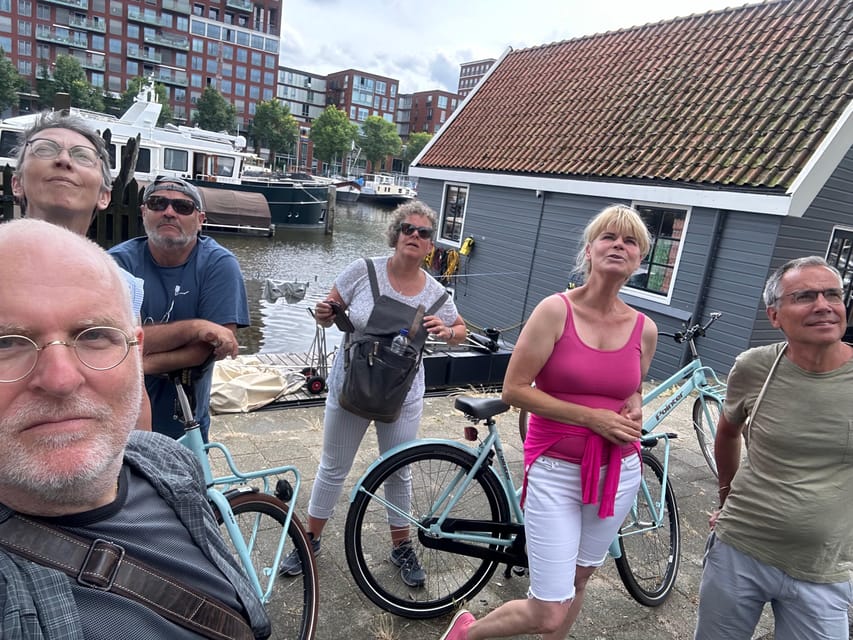
Amsterdam architecture can look like a museum from the canal deck. On this tour, it becomes practical. You’re cycling through places where building design has to answer the same questions over and over: What happens when the ground is soft? How do you build when everything is connected to water? Where do people live when the population keeps growing?
That focus changes how you see everything. Instead of just thinking, that’s a pretty building, you start thinking, why is it shaped like that, and what issue is it solving? That’s the kind of insight you can carry to other neighborhoods on your own.
Another big value point is the pacing. The tour lasts 2.5 hours with a small group limited to 10 people. That size matters because you can ask questions and actually hear explanations while moving. It also means the guide can keep the group together on narrow waterside stretches without turning the ride into a frantic sprint.
The final ingredient is the language. The tour is in German and starts right in the central area. If you’re comfortable following German explanations at a bike-friendly pace, you’ll likely get more out of the stories and design talk.
You can also read our reviews of more tours and experiences in Amsterdam.

Starting at Beursplein/Damrak: where the city first frames your route
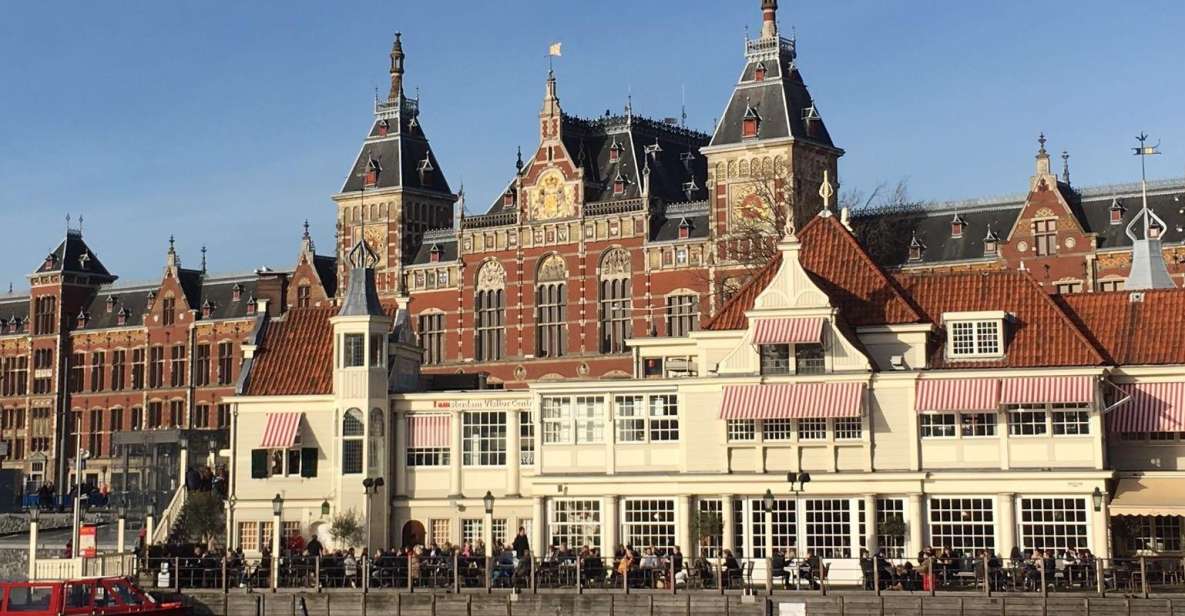
You begin at Beursplein/Damrak, a central starting point that quickly places you in the flow of Amsterdam. From there, you head toward the IJ and toward Amsterdam Central, following the water as you go.
This is a smart opening because it sets the theme immediately. The IJ is not just scenery; it’s part of how Amsterdam functions and expands. When you ride along the water, you can see how architecture reacts to open space, wind, and the constant presence of water. You also get those clean sightlines that make it easier to spot how historic and modern forms sit side by side.
You’ll spend the early portion shifting from canal-era images toward the warehouse and industrial feel that comes with Amsterdam’s ports and trading history. It’s exactly the kind of transition that helps you understand later contrasts on the ride.
Along the water toward Amsterdam Central: historic warehouses meet modern solutions
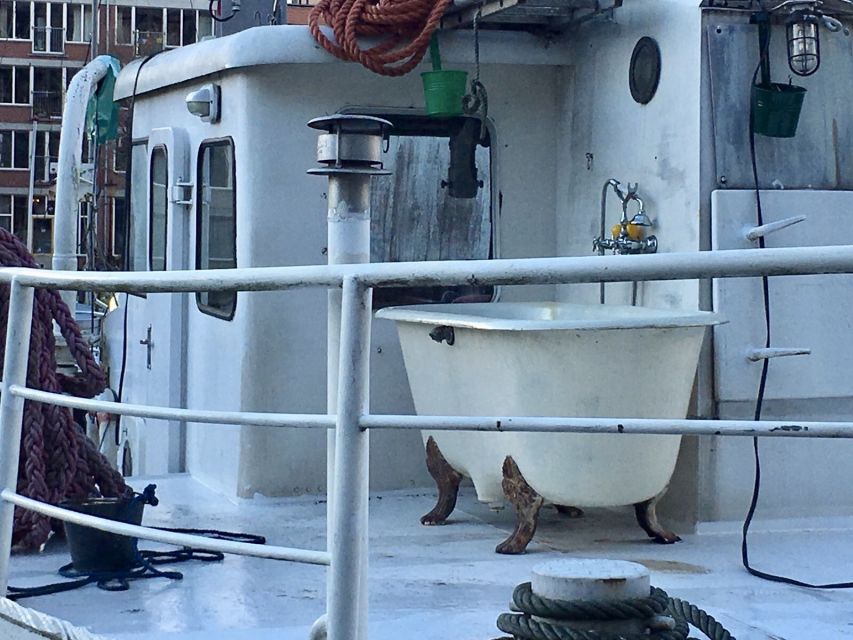
As you cycle along the IJ and the Central area, you’re given a guided way to read the city. The tour emphasizes historic canals and warehouses first, then moves into modern architecture.
That matters because Amsterdam’s look is not just about style. Warehouses and older industrial buildings were built for trade, storage, and shipping needs. Modern architecture often answers new needs: higher density, different energy and material approaches, and changing life patterns as more people move into the city.
One of the tour’s strengths is the focus on innovative solutions in function and design. Even without technical details you might expect in a design lecture, you’ll learn what these design choices have in common: they’re practical responses to Amsterdam’s conditions. Soft ground, water management, and the pressure of growth influence everything from structure to layout.
If you’re the type of person who loves spotting clues while walking around a city, you’ll probably start doing that here: noticing how buildings relate to the waterline, how spaces are shaped, and how new developments fit without pretending the city is starting from scratch.
Houseboats and living on the water: architecture that’s also a lifestyle
Amsterdam’s houseboats aren’t only a visual curiosity. They’re a reminder that the city is built around water as a real living environment.
On this ride, you’ll admire the houseboats and use them as a contrast point. When you see them alongside modern building projects, it’s easier to understand how Amsterdam accommodates different lifestyles in the same geography. You also see how housing here isn’t just a real-estate topic; it’s tied to how the city handles water and space.
This is a strong moment for first-time architecture visitors. You don’t need a background in Dutch planning. The tour helps you connect what you see to why it exists.
The Western Islands: a quieter kind of city—shaped by industry and reinvention
Then you move toward Amsterdam’s Western Islands. This part is where the tour’s contrast becomes more obvious. You’ll explore an area shaped by water margins and the kind of industrial activity Amsterdam used to depend on more directly.
The key idea you’ll take with you: this is not just a scenic ride. The guide frames it as a place where practical building decisions and new development coexist. You’re watching Amsterdam negotiate change—how it repurposes zones and upgrades housing and infrastructure without pretending the old industrial identity disappears.
From a visitor standpoint, this is one of the most rewarding sections because it slows down the typical Amsterdam narrative. You still get architecture, but it feels less like a highlight reel and more like how the city actually works.


Social housing and luxury housing in the same conversation
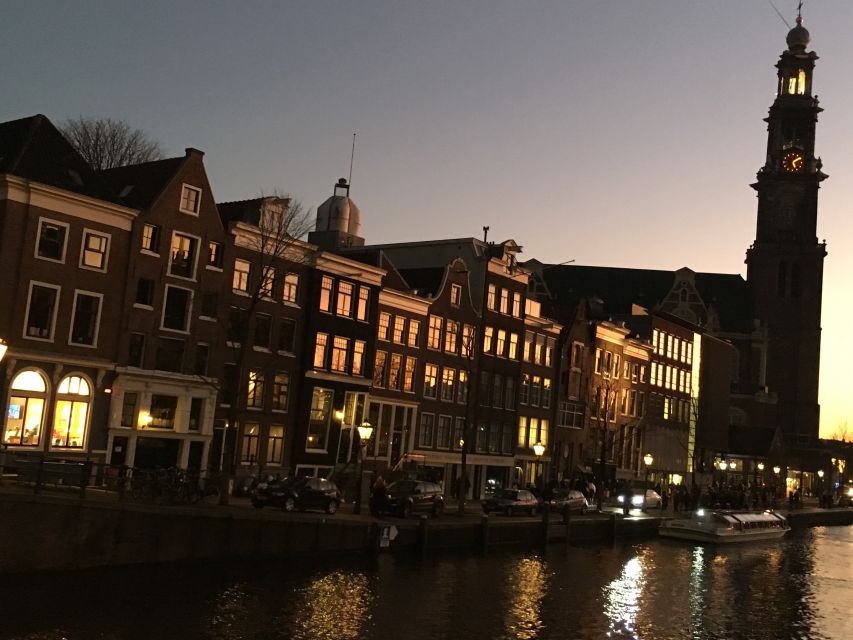
Amsterdam has always had housing pressure, and it shows. This tour explicitly addresses the need for social housing and luxury housing combined.
That topic is worth your time because it explains why architecture looks the way it does. When a city must build for many income levels under the same environmental constraints, design choices become political and practical at the same time. Even if you don’t agree with every outcome, you’ll understand the forces behind them.
You’ll likely notice that the tour isn’t asking you to pick a side based on appearances. It’s helping you see architecture as a response to population growth, land limitations, and public needs—then comparing what different projects signal in form, materials, and scale.
This is also where the tour’s storytelling approach helps. If your German is strong enough, you’ll get more of the jokes and the human angle, not just diagrams and building facts.
Tackling Amsterdam’s tricky ground: water, land conditions, and rapid growth
A major theme during the ride is how Amsterdam deals with problematic land conditions, water, and a rapidly growing population.
Even if you’ve seen photos of Amsterdam’s canal houses, you might not realize how much engineering is part of everyday city life. The tour connects those engineering realities to visible design decisions. That way, you’re not left thinking, this is interesting, but I can’t connect it to anything.
Instead, you start building a mental map. Soft ground and water mean the city can’t treat every plot of land like a standard building site. Infrastructure and foundations matter. Water management matters. And when more people need homes fast, design systems have to scale while still coping with environmental pressure.
You’ll end up seeing Amsterdam as something like a conversation between history and physics. Buildings aren’t just objects—they’re answers.
Industrial vs picturesque architecture: the contrast you’ll remember
One of the tour’s most praised angles is the intentional contrast between industrial and picturesque architecture. That doesn’t mean you’ll only see pretty things or only see gritty things. You’ll move back and forth in a way that makes the differences easier to feel.
When you get this contrast, you also get a better sense of Amsterdam’s layering: older textures next to newer growth, trade history next to modern living, and utilitarian structures next to areas that feel more charming.
This is where a bike tour helps more than walking. With wheels, you cover distance fast enough to compare distinct zones without spending all day traveling between them. You also get shifting perspectives as you move along the water, which makes contrasts more obvious.
The guide’s style: information with stories, plus laughs
The experience is guided by Herzblut Amsterdam Stadtführungen, with a live guide in German. The meeting point is easy to identify: you’re looking for a guide wearing a black-and-white striped band around their neck.
What really stands out in the feedback I’m using to guide this review is the guide’s energy. People appreciated the enthusiastic explanations and how the tour connects architecture to everyday Dutch life, especially the relationship with water. Another strong theme is that the tone stays light—laughter shows up because the stories land, not because the ride turns into a comedy show.
Also, one review noted that a historical demolition was integrated into the story. That kind of detail matters. It reminds you that architecture isn’t only about what’s already standing—it’s also about what gets replaced and why.
Practical side: bikes, timing, and how to get the most out of 2.5 hours
Bike hire and getting started
Bike hire is not included. If you don’t bring your own, you can usually rent one from local bike shops for around €5 to €25. Some hotels also have bikes.
This matters for value. The tour price is listed at about $46 per person for 2.5 hours, and the biggest variable you’ll add is your bike cost plus any gear. If you already have a bike lined up, your net cost is more attractive. If not, plan a few extra euros and don’t wait until the last minute, especially in peak season.
What to bring so you’re comfortable
Bring comfortable shoes, water, and clothes appropriate for the weather. The tour runs rain or shine, so pack like you expect wet conditions: breathable layers if it’s mild, and something you can move in even if it drizzles.
Also make sure your bicycle is functional and roadworthy. If you’re renting, do a quick check before you meet the group: brakes, tires, and shifting feel.
Ride ability and group pacing
This tour is not suitable if you can’t ride a bike. Beyond that, the small group of up to 10 helps the guide manage the pace. Still, you’ll want to be ready for regular city-bike riding, not a slow parade.
Food and drinks
Food and drinks are not included. You’ll likely benefit from having water and possibly a snack before you start, especially since you’re cycling continuously for 2.5 hours.
Who should book this architecture bike tour (and who should skip it)
Book it if you want architecture that connects to real life: water management, housing pressure, and design choices that respond to land and growth. I especially think this is a good fit if you like learning as you move and you enjoy seeing contrasts—historic warehouses next to new projects, industrial zones next to more picturesque areas.
Skip it if you’re not comfortable riding a bicycle, or if following explanations in German would be a challenge. Also, if you hate riding in any kind of weather, keep in mind the tour runs rain or shine.
Should you book Architecture Er-fahren?
If you’re in Amsterdam for a short stay and want one experience that makes you see the city differently, this is a strong choice. The price is reasonable for a small guided group focused purely on architecture and design logic, and the water-based route gives you fast comparisons you can’t replicate with one static viewpoint.
I’d book it if you can handle a bike ride in mixed weather and you’re okay with German narration. If you tick those boxes, you’ll come away with a better eye for how Amsterdam buildings work, not just how they look.
FAQ
FAQ
What’s the duration of the tour?
The tour lasts 2.5 hours.
Where does the tour start?
It starts at Beursplein/Damrak.
What language is the tour guide speaking?
The live tour guide speaks German.
How big is the group?
The group is limited to 10 participants.
Is bike hire included in the price?
No. Bike hire is not included. Rentals are available from bike shops for around €5 to €25, and you may be able to get bikes from your hotel.
What should I bring with me?
Bring comfortable shoes, water, comfortable clothing, and weather-appropriate clothing. You’ll also want a bike that’s functional and roadworthy.
Will the tour run in rain?
Yes, it takes place rain or shine, so dress for the weather.
Is food or drinks included?
No, food and drinks are not included.
Are there restrictions during the tour?
Intoxication, alcohol, and drugs are not allowed.
How can I find the guide at the meeting point?
You should find your guide with a black and white striped band around their neck.