REVIEW · AMSTERDAM
Amsterdam: Canal Cruise on a Wooden Refugee Boat
Book on GetYourGuide →Operated by Rederij Lampedusa · Bookable on GetYourGuide
A wooden boat with a living message can change your whole view. This canal cruise uses a former refugee vessel as both transport and teaching tool, with storytellers from refugee backgrounds guiding you through Amsterdam’s waterways and their own journeys. I like that it mixes beautiful canal scenery with real human story, and you get time for questions instead of a one-way lecture. One thing to plan for: it’s an open boat, so you’ll want solid rain gear even if the forecast looks fine.
What makes this special is the people steering the story. The crew behind Rederij Lampedusa is built around collective integration, and the guides are trained captains and guides who landed in Amsterdam as refugees. In practice, that means the tour feels personal, practical, and grounded—plus it’s social without turning into awkward performative talking. The downside is also part of the point: some stories can be emotional, and the tour asks you to think, not just sightsee.
If you want a standard canal cruise that stays light, this may feel heavier than you expected. If you’re open to learning how migration has shaped Amsterdam and how newcomers continue to enrich it, you’ll likely walk away with a deeper sense of place—and a better story to tell your friends.
In This Review
- Key things I’d circle before you book
- A wooden refugee boat turns Amsterdam sightseeing into a lesson you can feel
- MediaMatic meeting point: easy access, pleasant pre- and post-cruise time
- 90 minutes on the canals and Amstel: what the ride feels like
- The storytelling format: equal parts history, humor, and real talk
- The big lesson: migration shaped Amsterdam, then kept shaping it
- Open-boat reality check: bring sun protection and weather gear
- Value for € and $: why $41 feels fair for this specific kind of tour
- Who should take this cruise (and who might want to skip it)
- Should you book the Amsterdam refugee-boat canal cruise?
- FAQ
- Where is the meeting point for the cruise?
- How long is the tour?
- Is the tour guided in English?
- Is it an open boat?
- What should I bring?
- What happens if the weather is severe?
- What is included in the ticket price?
- Can I get a refund if my plans change?
- Are there options to book without paying immediately?
Key things I’d circle before you book
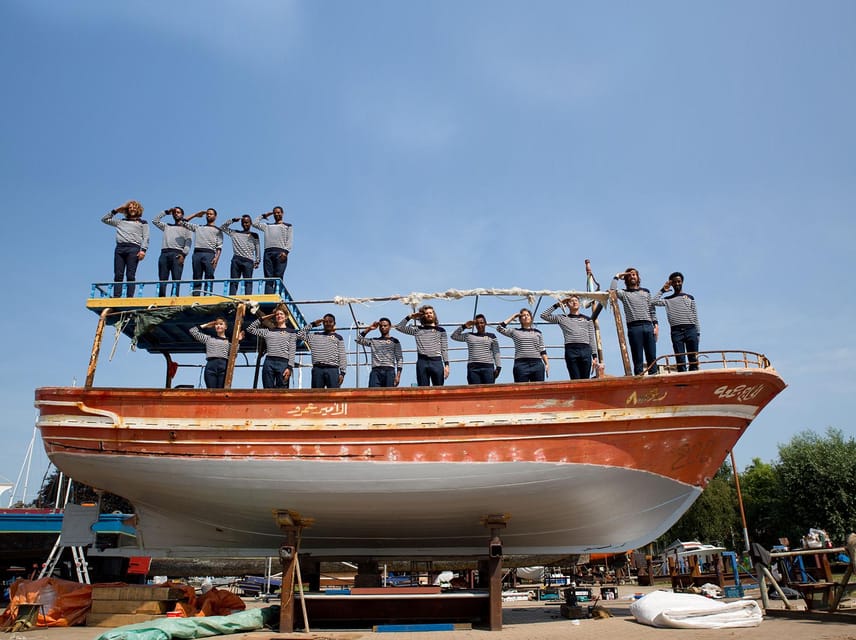
- A wooden boat with a past: the vessel once ferried refugees across the Mediterranean.
- Guides with lived experience: storytellers from refugee backgrounds guide you and share their own journeys.
- 90 minutes with real conversation: you’re given room to ask questions and talk back.
- A route beyond the usual: you cruise canals and sometimes the Amstel River, while hearing how migration shaped the city.
- A social enterprise built for integration: the tour is tied to training and community, not just tourism.
A wooden refugee boat turns Amsterdam sightseeing into a lesson you can feel
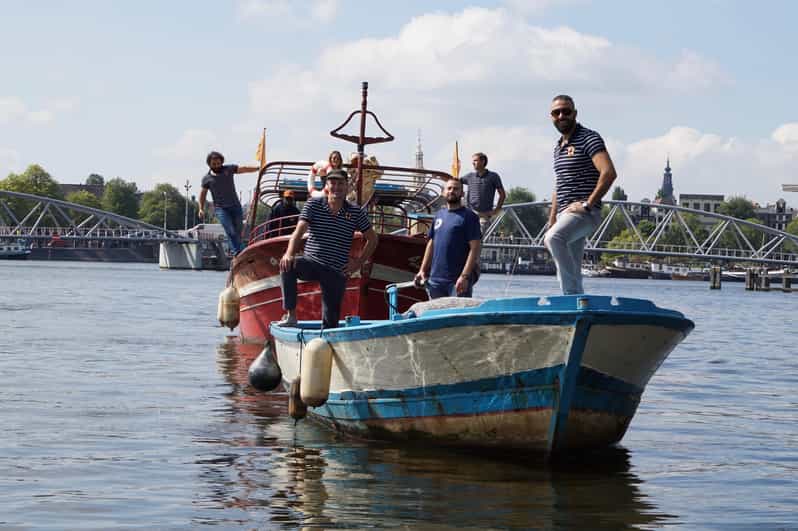
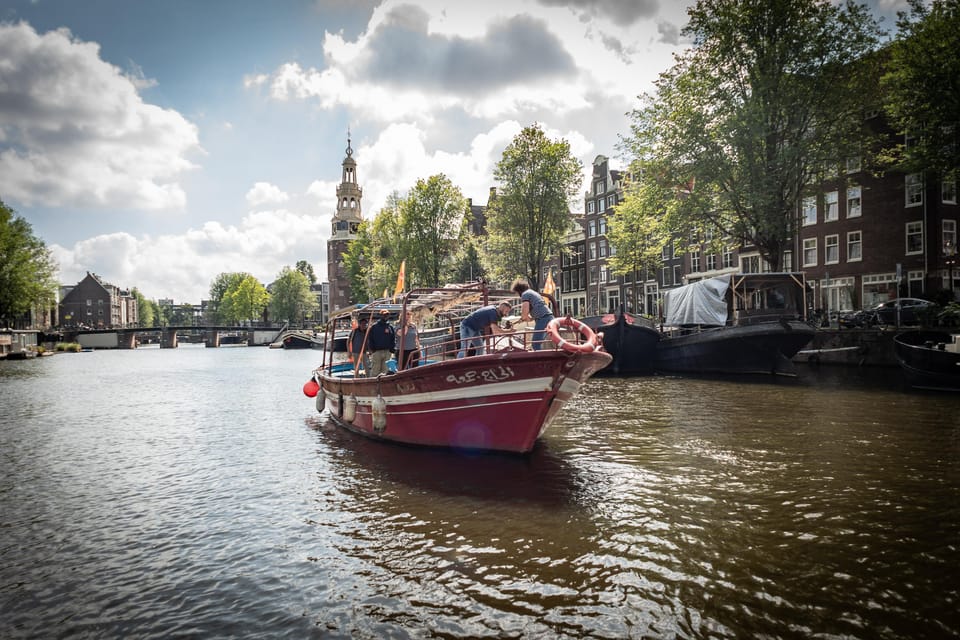
Amsterdam’s canals look calm from the water. This cruise doesn’t treat them as background. The boat itself carries weight: it was used to ferry refugees across the Mediterranean, and now it moves quietly through the same city where new arrivals keep reshaping daily life.
That single detail changes the tone right away. Instead of “look at the houses, then the bridges,” you’re watching the city through the lens of movement—why people travel, what they risk, and what happens after arrival. I appreciate that the tour doesn’t just recite facts. The guides share personal stories, and the boat setting makes it harder to keep emotions at arm’s length.
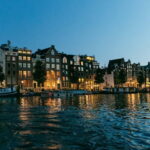
And yes, the scenery still matters. You get the classic Amsterdam canal experience: water, warehouses, historic buildings, and the gentle pace that makes it easy to slow down. The difference is that your guide keeps linking what you’re seeing to the larger idea of migration and community change—centuries ago and right now.
You can also read our reviews of more boat tours in Amsterdam

MediaMatic meeting point: easy access, pleasant pre- and post-cruise time
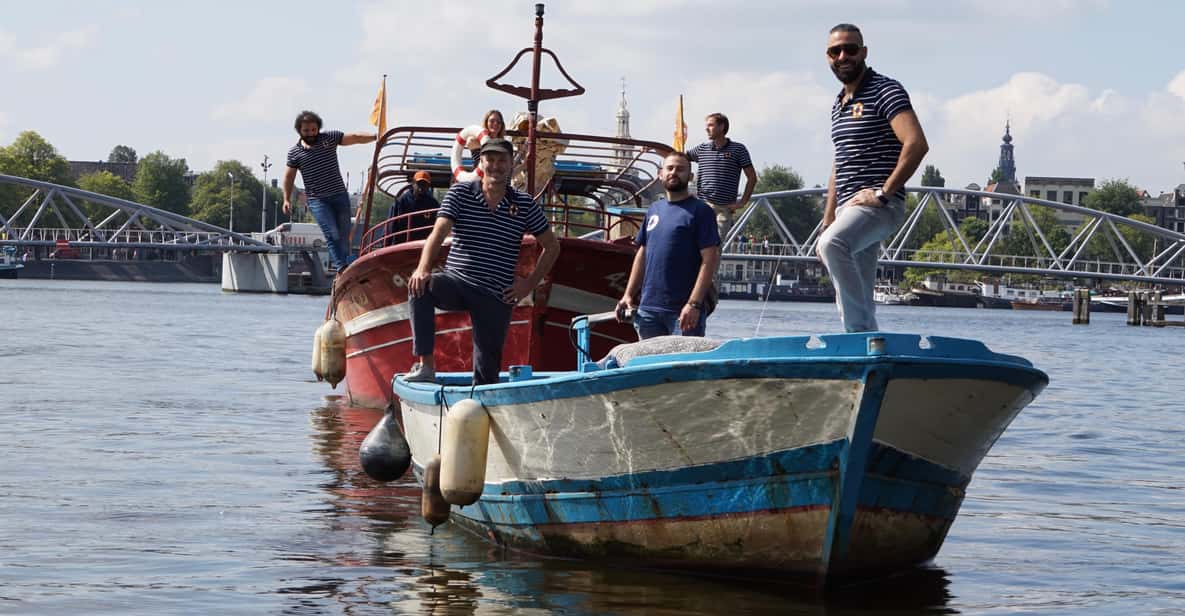
You start at MediaMatic (Dijksgracht 6, Amsterdam). It’s about a 10-minute walk from Central Station, which makes it a good option when you don’t want to add a lot of transit stress to your day.
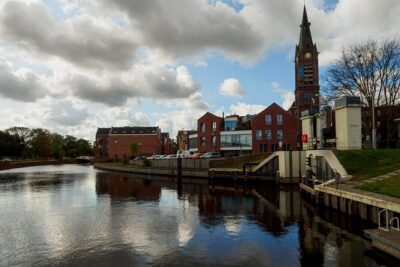
The harbor is at the venue. You’ll spot the wooden boats in the water as you pass the glass house and walk a small path. Your guide waits there.
One of my favorite practical touches here is what’s right next door. MediaMatic is an art center dedicated to new developments in the arts, and it has a café and a vegan restaurant. That’s handy if you want to arrive early, grab a drink, and decompress before you step aboard. It also works the other way around: after the cruise, you can stretch out your day with food and conversation rather than rushing straight back to the hotel.
90 minutes on the canals and Amstel: what the ride feels like
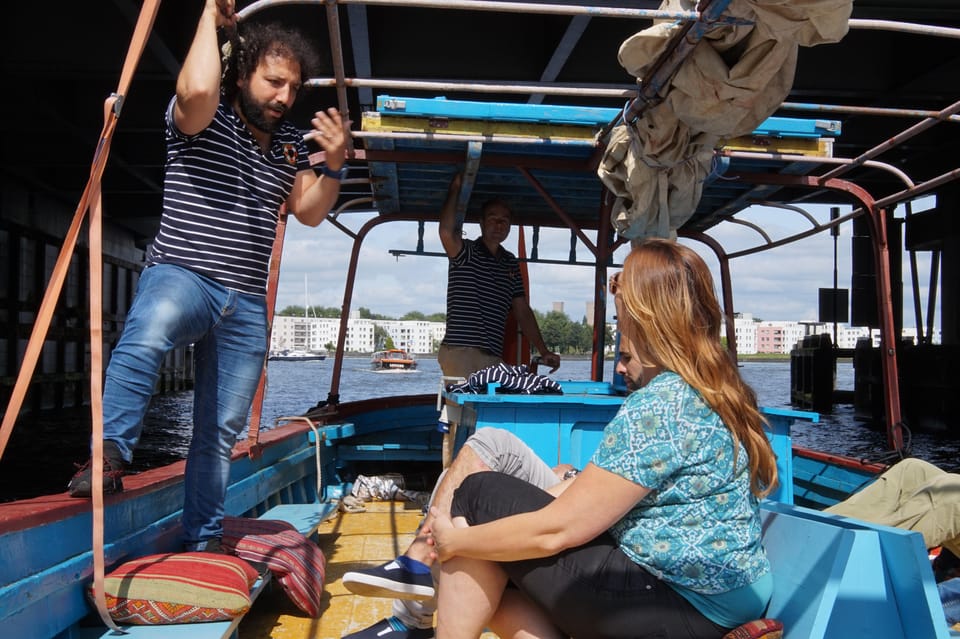
The cruise runs for about 90 minutes. Depending on the sailing plan, you’ll travel through Amsterdam’s canals and may also go along the Amstel River. Either way, the pacing stays relaxed, which is important because the tour is about listening and processing, not sprinting between photo stops.
There aren’t listed “landmarks you must see” in the way some tours market it. Instead, think of the route as a moving classroom. Your guide points out how migration contributed to Amsterdam’s success over time, and they connect that to what newcomers bring today. You’ll also hear a specific historical thread about refugee boats: how boats were used for smuggling people across the Mediterranean, and how some of the original refugee vessels ended up in Amsterdam’s canals.
In other words, you’re not just taking in views. You’re watching a city that keeps collecting stories along the waterline. When the guide explains the meaning behind the route, it gives you a new way to notice canal architecture and the feel of neighborhoods—how they can look unchanged while the population keeps shifting.
The storytelling format: equal parts history, humor, and real talk
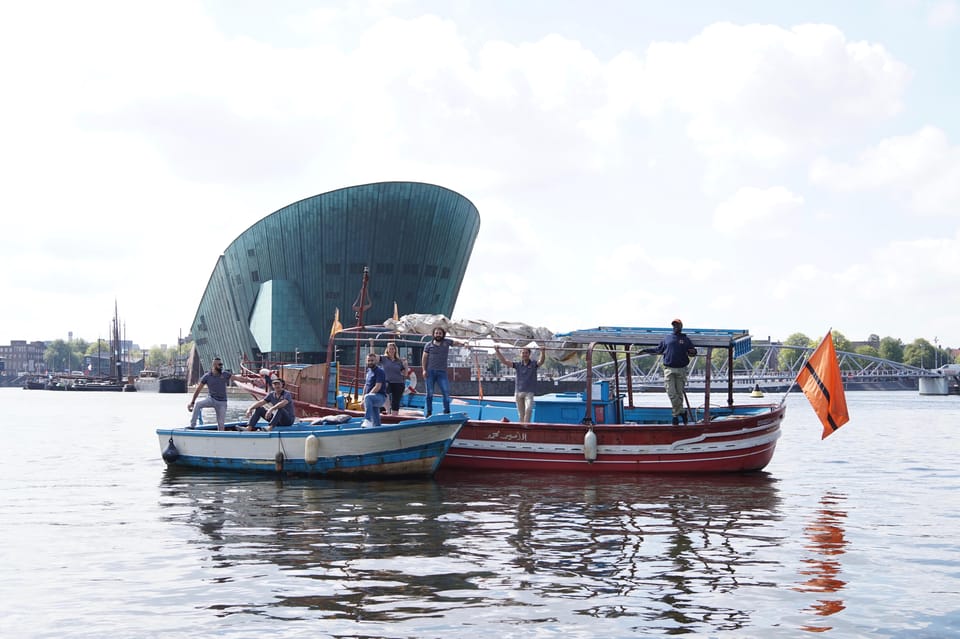
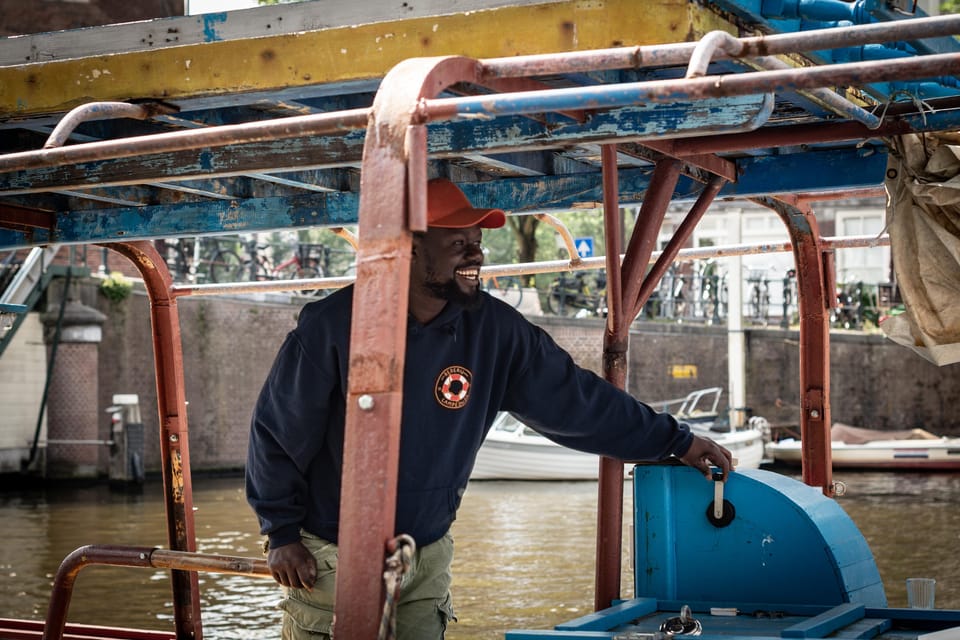
This is a guided canal cruise, but it doesn’t feel like a slideshow. The guides are storytellers with refugee backgrounds, trained to become captains and guides. That matters because the information lands differently when it’s personal.
From what’s shared on board, expect a mix of emotions. Some parts may make you laugh, while other moments can bring you close to tears. That isn’t a “scary” marketing line; it’s a normal outcome when a guide tells you what happened to them, not just what happened in textbooks.
The structure also makes it easier to follow along. You get time for questions and meaningful conversation throughout the journey, not only at the end. So if something is unclear—like how the Mediterranean crossing worked, or how boats later ended up in Amsterdam—you can ask and get context right away.
I also like the tone of the conversations from the guides’ confidence on the boat. You’re not left wondering if it’s safe to ask. The vibe is more like learning from a thoughtful local than being managed through a scripted tour.
The big lesson: migration shaped Amsterdam, then kept shaping it
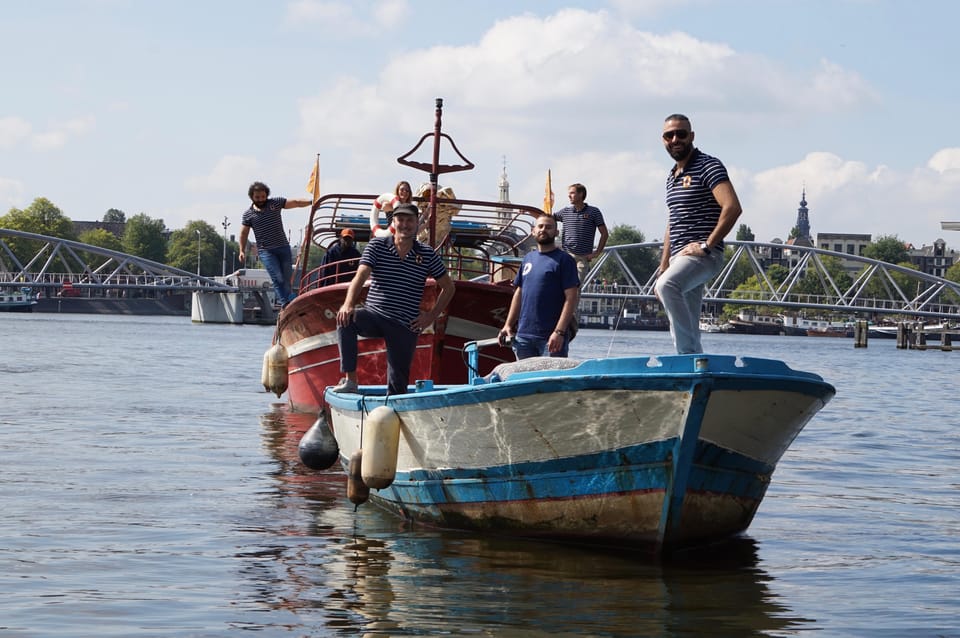
A standard canal tour will teach you about merchant wealth, trade routes, and architecture. This one keeps those themes, but adds the human side: how migration keeps enriching the city and how newcomers bring their own unique stories.
Your guide discusses how Amsterdam’s success connects to centuries of movement. Then they bring it forward to now, explaining that new arrivals continue to add culture, work, and community life. It’s not “migration is good” as a slogan. It’s presented as a practical reality—people arriving, people building, people changing the city’s rhythm.
One thread that stands out is the story of a fishing boat from Egypt that smugglers used to transport dozens of people across the Mediterranean. The tour then explains that two original refugee boats later found their way into Amsterdam’s canals. Those details matter because they make the concept tangible: you’re hearing how journeys were carried out, and then how those artifacts of desperation became part of Amsterdam’s modern landscape.
That’s why the tour feels powerful. It doesn’t treat migration as a distant news topic. It treats it as a force that keeps showing up in cities like Amsterdam—sometimes quietly, sometimes through boats like this one.
Open-boat reality check: bring sun protection and weather gear
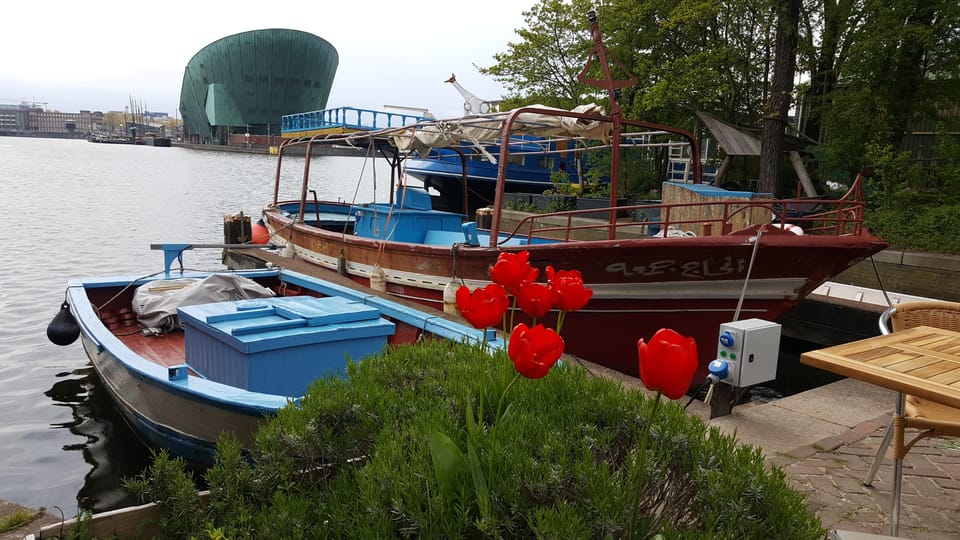
This cruise uses open boats, and sailing continues in rain or shine. That’s great in the sense that you’re not constantly chasing reschedules for light weather. It also means you should plan like a practical Dutch traveler.
Bring rain gear. A rain jacket is the difference between enjoying the ride and getting uncomfortable fast. If it’s sunny, a sun hat helps too. The tour also provides pillows so sitting doesn’t become a pain point after you’ve been on the water awhile.
If weather gets severe—thunderstorms are mentioned—the operator will reschedule for safety. That’s the big consideration to know ahead of time: while they try to keep the cruise running, the boat and sky aren’t something you can fight when conditions are dangerous.
Also worth knowing: you’re welcome to bring your own snacks and drinks aboard. The route is long enough that having a little comfort food can make the experience feel even smoother.
Value for € and $: why $41 feels fair for this specific kind of tour
At $41 per person for about 90 minutes, the price looks similar to many canal cruises that focus mostly on scenery. The difference here is the cost you’re paying for meaning and for a different model of tourism.
You’re paying for:
- a wooden refugee boat experience, not just a standard sightseeing vessel
- an English-speaking guide with refugee background and training as a captain and guide
- time for questions and conversation, which turns the ride into two-way learning
- a social enterprise built around collective integration, meaning your ticket supports training and community-building rather than only sightseeing
In other words, if you want a quick, easy photo cruise, you might not feel the value. If you want a canal ride that connects Amsterdam’s waterways to migration history and personal stories, the ticket price starts to make sense fast.
I also think this tour is good value because it gives you more than facts. It gives you human context you can carry with you, and it does it while you’re actually moving through the city—on the water, where the story is physically present.
Who should take this cruise (and who might want to skip it)
This tour fits best if you:
- want the classic canals experience but don’t want it emotionally flat
- enjoy guided storytelling and asking questions
- care about social enterprises and learning through lived experience
- like conversations that connect local life to bigger global movement
I’d also say it’s a strong choice if you’re the type who likes to understand what you’re seeing. The guide’s background and the boat’s past turn Amsterdam from a postcard city into a place with context.
If you prefer your tours to stay strictly light and purely sightseeing, the emotional weight could be more than you want. The content can be moving, and the tour asks you to think beyond what’s in front of you.
Should you book the Amsterdam refugee-boat canal cruise?
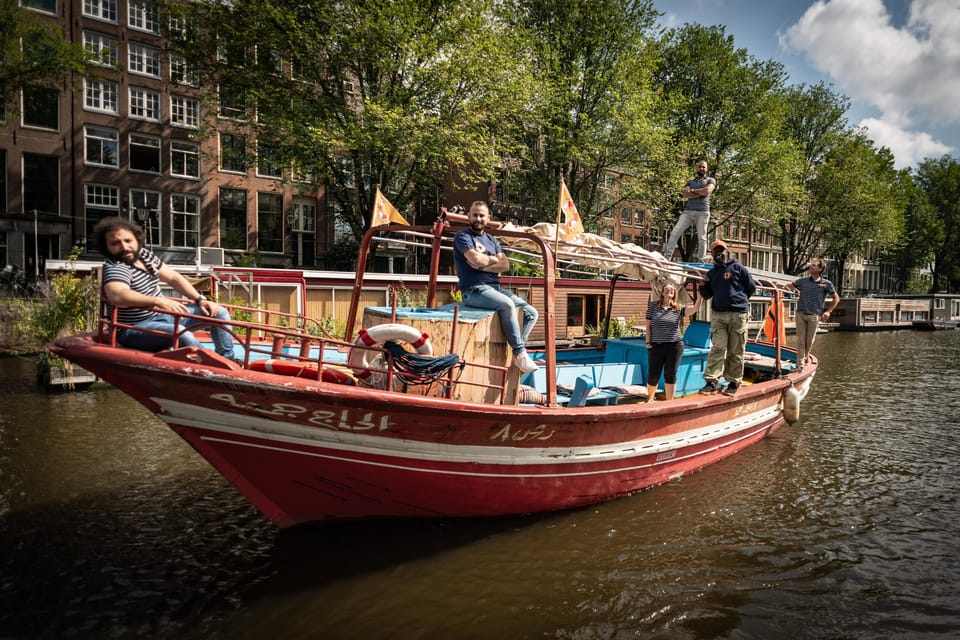
Book it if you want a canal cruise with purpose, conversation, and a boat that carries history. The combination of refugee-background guides, time to ask questions, and the wooden vessel’s Mediterranean past makes this one more than scenery—you’re learning while you glide through Amsterdam.
Skip it if you’re chasing only photos and a relaxed, low-emotion afternoon. This is still a beautiful ride, but it’s meant to leave you changed a bit.
If you do book, come prepared with rain gear, show up a little early if you want café time at MediaMatic, and give yourself permission to ask questions. The best moments here are often the ones that happen when you stop watching and start talking.
FAQ
Where is the meeting point for the cruise?
The harbor is at MediaMatic, address Dijksgracht 6, Amsterdam. The guide waits near the small path where you can see the wooden boats in the water.
How long is the tour?
The cruise runs for about 90 minutes, which is roughly 1.5 hours.
Is the tour guided in English?
Yes. The tour includes an English-speaking guide.
Is it an open boat?
Yes. The boats are open, and the cruise sails in rain or shine.
What should I bring?
Bring a sun hat and rain gear. You’re also welcome to bring your own snacks and drinks aboard.
What happens if the weather is severe?
In case of severe weather, including thunderstorms, the operator will reschedule your tour for safety.
What is included in the ticket price?
Your ticket includes entry to the wooden boats, pillows to sit on, the 90-minute canal tour, and an English-speaking guide, with time for questions and meaningful interaction.
Can I get a refund if my plans change?
Cancellation is free up to 24 hours in advance for a full refund.
Are there options to book without paying immediately?
Yes. You can reserve now and pay later, keeping plans flexible.