REVIEW · AMSTERDAM
Amsterdam: Canal House Museum ‘Willet-Holthuysen’ Ticket
Book on GetYourGuide →Operated by Museum Willet-Holthuysen · Bookable on GetYourGuide
A 19th-century canal house, still feels like someone’s home. Museum Willet-Holthuysen lets you walk through a grand double canal house and trace how the Willet family lived, collected, and hosted in Amsterdam. I love that the experience is built around rooms you can actually see, from ballroom to servants’ work areas, with an audio guide to keep you moving at the right pace.
What I like most is the chance to see major collections in place—paintings, ornate furniture, ceramics, silver, sculptures, and even photographs—so it doesn’t feel like items got boxed up and shipped away. I also enjoy the garden and gallery side of the visit: it’s a calm pocket in the city, designed in 18th-century French style and planted with historic trees and plants.
One consideration: the museum is not suitable for wheelchair users, and parts of the interior can involve stairs and basement spaces. Also, if there’s a temporary art display running with sound effects, it can make the audio guide harder to hear in nearby rooms.
In This Review
- Key things to know before you go
- Entering Museum Willet-Holthuysen on Amsterdam’s Herengracht
- The first floor and ballroom: Louis XVI style, up close
- Dining room and salons: seeing how the couple lived
- Art and decorative collections: furniture, silver, ceramics, and paintings
- The garden and gallery: French-style calm in the middle of Amsterdam
- Basement kitchen and pantry: the servants’ daily-life clues
- Self-paced audio guide: how to hear it well and choose your stops
- Price and value: what $18 gets you (and why it’s fair)
- Best for: who will enjoy Museum Willet-Holthuysen most
- Should you book Museum Willet-Holthuysen?
- FAQ
- Where is the meeting point for Museum Willet-Holthuysen?
- How much time do I have to use the ticket?
- What’s included with the ticket?
- What languages are available for the audio guide?
- Are meals or drinks included?
- Is the museum wheelchair accessible?
Key things to know before you go
- Herengracht 605 meeting point: this is set right in the canal-house neighborhood, so plan to arrive on foot or by tram.
- Double canal house layout: you move through a sequence of rooms that tells the family’s story room by room.
- Louis XVI ballroom: the style of the grand spaces helps you “read” how formal life worked.
- Garden with French layout: you get a rare quiet break that still connects to how the house was used.
- Collection across rooms: art and decorative objects are displayed where they belong, not as a generic exhibit.
- Self-paced audio guide: you choose where to focus, and you can adjust how much you want to learn.
Entering Museum Willet-Holthuysen on Amsterdam’s Herengracht
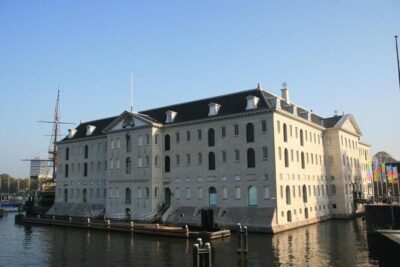
Museum Willet-Holthuysen sits in a grand 17th-century double canal house on Herengracht 605. That matters, because walking in immediately gives you the feel of Amsterdam’s canal-house wealth, before you even reach the “main” rooms. This isn’t a museum built from scratch—it’s a home that’s been kept intact and organized for visitors.
The basics are simple: you get an entrance ticket and an audio guide. The visit is designed for a full, slow walk through the house, and the museum’s story starts with Mrs. Willet—after her husband Abraham died, she later left the house and his impressive art collection to the city of Amsterdam in 1895.
For a practical start, grab what you need right away so you don’t lose time later. Reviews highlight that lockers and clean toilets are available, which is exactly what you want in a museum where you’ll keep changing floors and rooms.
You can also read our reviews of more tours and experiences in Amsterdam



The first floor and ballroom: Louis XVI style, up close
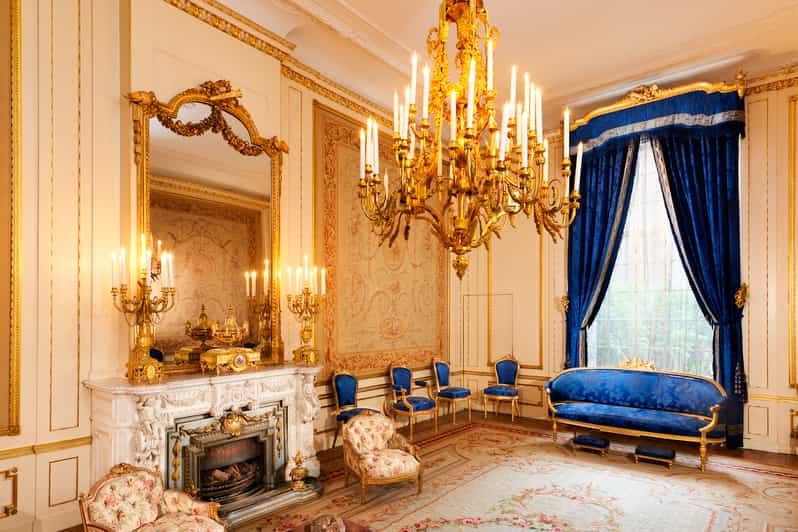
The visit begins on the first floor, where the ballroom in Louis XVI style sets the tone fast. This is the kind of room that makes sense of the word “host”—the space is meant for gatherings, with a formal, decorative presence that still feels like it belongs to a real household. If you like interior design, this room is your visual anchor for everything else you’ll see.
From there, you keep moving through the home’s public-facing areas. The flow is organized so you don’t just spot objects—you see how different rooms functioned together. In other words, you’re not only looking at art; you’re tracking how the Willets would have used the space.
A small tip: give the ballroom your full attention. Once you head deeper into the house, it’s easy to skip straight to the next interesting room. Start strong, then let the rest of the visit unfold at your own speed.
Dining room and salons: seeing how the couple lived
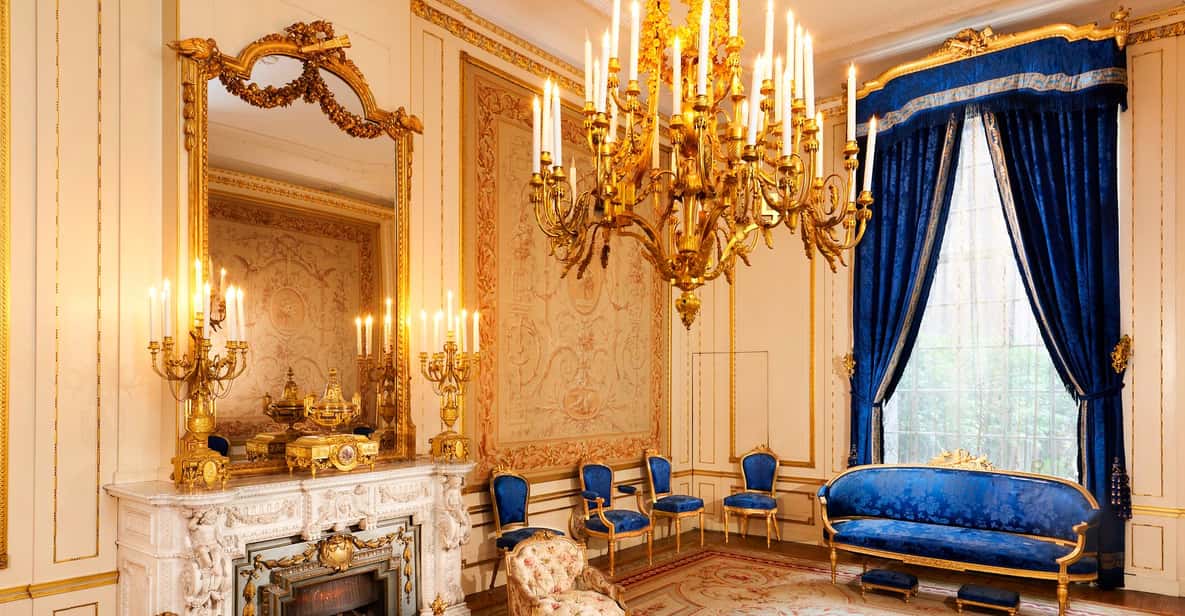
After the ballroom, the tour route continues toward the dining room and the salons of the lord and lady of the house. This is where the museum becomes more than pretty rooms and turns into a day-in-the-life picture—even though you’re walking through an earlier century. The audio guide helps connect the furniture and decorative choices to the kind of household these rooms supported.
I like how this part of the experience nudges you to look at details you might otherwise miss. The home’s layout encourages you to notice scale, placement, and how rooms relate to one another. It’s a good reminder that wealth in 19th-century Amsterdam wasn’t just about owning objects; it was about using those objects to stage daily life and social life.
If you enjoy historical homes, these rooms tend to land best when you pause. Even a short pause in one salon can help you understand why so many items were displayed where they were.
Art and decorative collections: furniture, silver, ceramics, and paintings
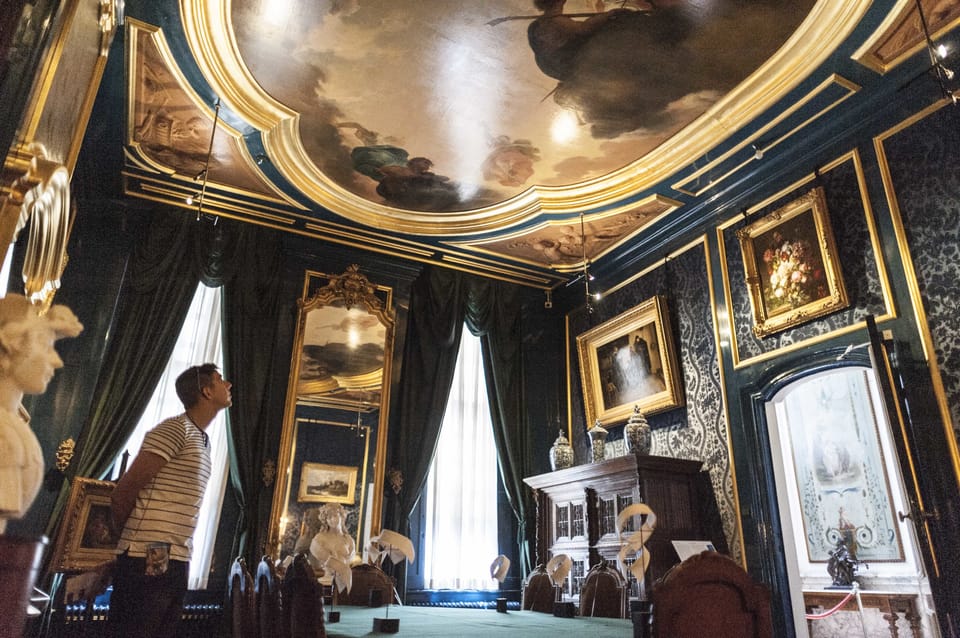
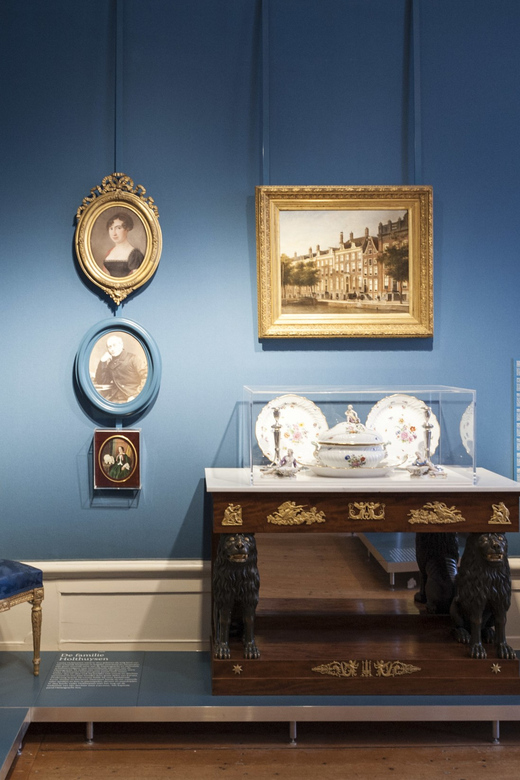
One of the strongest reasons to go is the variety of the Willets’ collection, spread through the house rather than pushed into one big gallery. You’ll see antique furniture, silver, ceramics, sculptures, paintings, and photographs. The key point for you is how that variety plays together: the museum doesn’t treat these categories as separate worlds.
The rooms act like labels you can feel. Decorative objects fit the atmosphere of the spaces they’re displayed in, which makes the overall story easier to follow. It’s also a practical win: with so much to look at, you need a plan for your attention.
Here’s a simple way to handle it: use the audio guide to pick your top interests first—paintings, furniture, or decorative arts—and then let the other items catch your eye while you’re moving between rooms. That keeps you from getting mentally overloaded.
The garden and gallery: French-style calm in the middle of Amsterdam
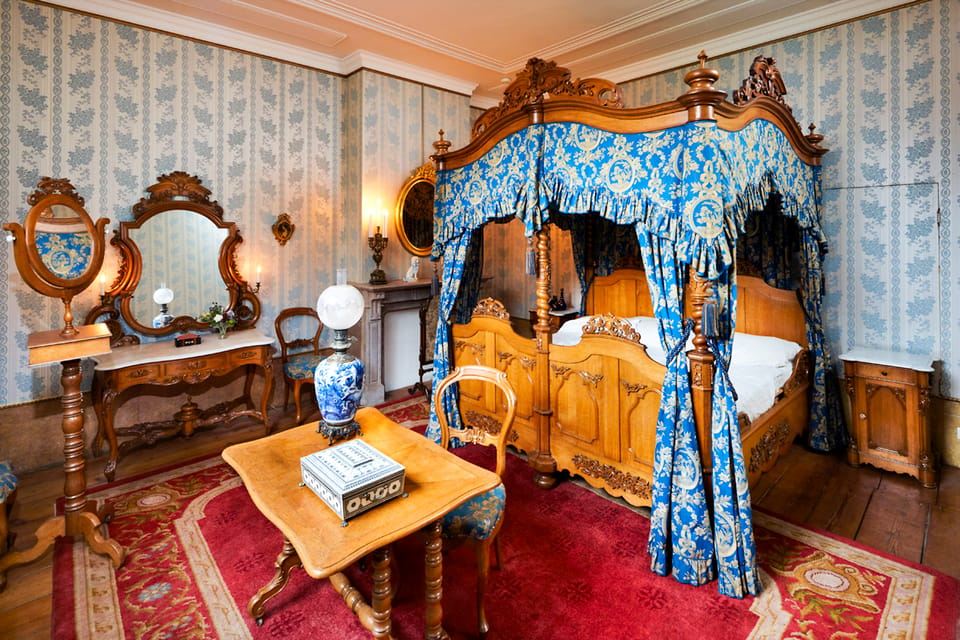
Then you step into the outdoor side of the museum, where the experience slows down. The town garden is laid out in 18th-century French style, and it’s filled with historic trees and plants. Even if you’re not a “garden person,” this stop gives you context: it shows how outdoor space functioned as part of an elite city home.
The garden also works as a reset for your feet and attention. Indoors, you’re reading rooms; outdoors, you’re reading structure—paths, planting layout, and the way greenery creates privacy inside the city. For many people, this is where the museum starts to feel personal, not just impressive.
If there’s one thing to watch for, it’s timing your outdoor pause so you can hear your own thoughts. Don’t rush this part. Even a few minutes sitting and looking will make the earlier rooms stick in your mind more clearly.
You can also read our reviews of more museum experiences in Amsterdam






Basement kitchen and pantry: the servants’ daily-life clues
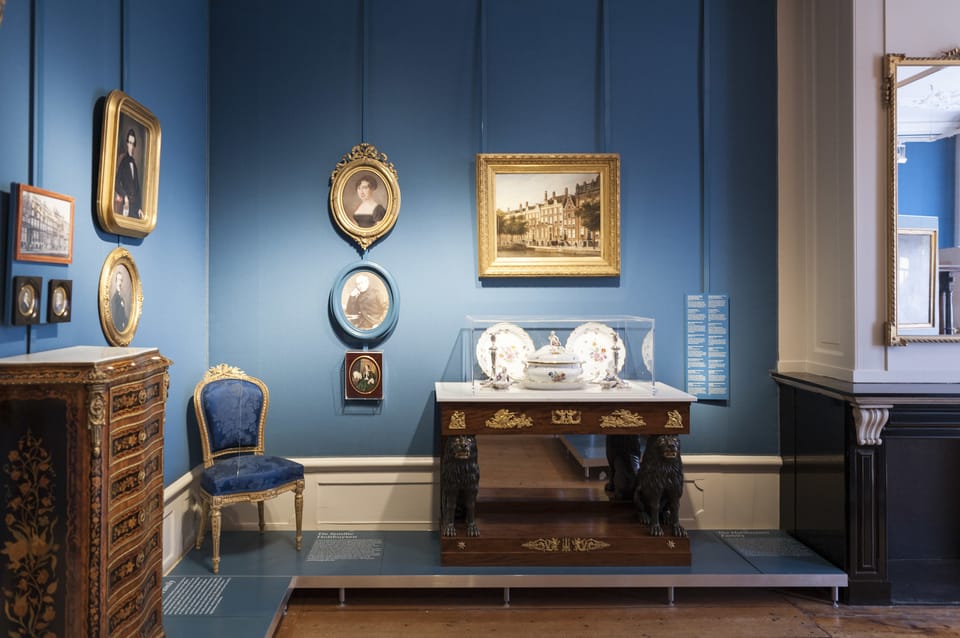
The museum also brings you down into the practical side of the household: the kitchen and pantry in the basement. This section matters because it balances the grandeur above. You get “how the house actually ran” hints, rather than only enjoying the polished public rooms.
It’s not presented as a modern reenactment; it’s more like a guided shift in perspective. You’re seeing where work happened and where everyday routines would have been managed. That contrast can completely change how you interpret the rest of the visit.
If you like historical accuracy, this is the part that tends to feel grounded. After you’ve toured formal rooms, the basement spaces give you a more complete household picture—who likely did what, and where tasks would have been stored, prepared, and managed.
Self-paced audio guide: how to hear it well and choose your stops
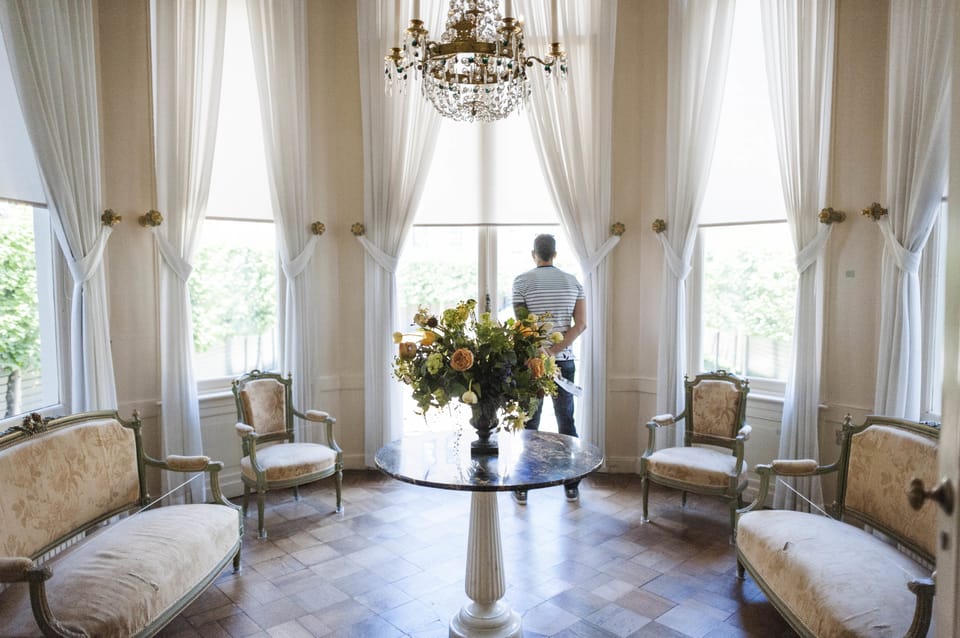
The audio guide is included, and it’s available in Spanish, English, Dutch, French, German, Italian, and Russian. This is one of the biggest practical advantages of the ticket price, because you can stop whenever you want and zoom in on the details you care about most.
Audio quality is a key issue in any house museum. Reviews point out that the guide is easy to hear and the pacing is flexible, which means you’re not stuck in a group tempo. I recommend using that freedom: don’t feel like you must listen to everything. Choose the stops that answer your questions—what you’re seeing, why it was important, and how it connected to household life.
One caution: a temporary art installation can sometimes make the experience louder in certain rooms. If you notice sound spilling into the spaces around you, simply step away to a quieter spot and let your audio guide catch up. That simple tactic keeps the visit enjoyable instead of annoying.
Price and value: what $18 gets you (and why it’s fair)
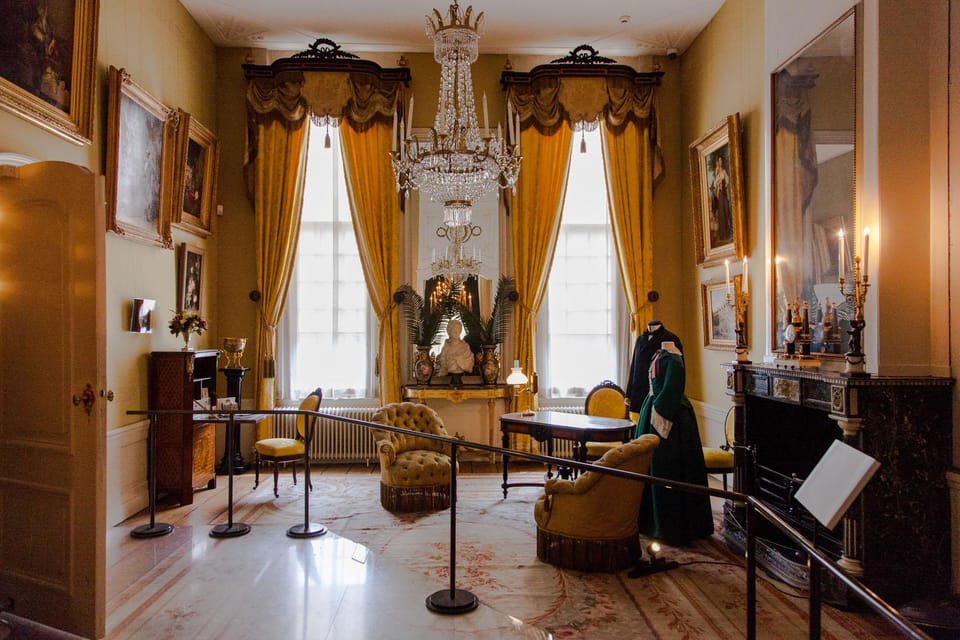
At about $18 per person, this museum sits in a sweet spot: you’re paying for more than a basic entry ticket. You’re getting a carefully kept historic home with collections displayed in situ, plus an audio guide included right in the ticket.
Here’s why I think the value works: the house format means you’re not just looking at objects; you’re walking through the rooms those objects were meant for. The included audio guide also helps you squeeze more meaning out of what you see, especially if you’re the type who likes context rather than just visuals.
You do have to plan around the fact that meals and drinks aren’t included, so treat this as a museum-first stop. If you time it between meals, you’ll feel less rushed and you’ll enjoy the garden and basement sections more.
Best for: who will enjoy Museum Willet-Holthuysen most

This is the kind of visit that fits well if you like:
- historic interiors and room-by-room design
- decorative arts such as ceramics, silver, and period furniture
- gardens that are meant to be part of the household experience
- self-guided touring with audio support
If you want big outdoor views or modern blockbuster galleries, this isn’t that kind of museum. But if you want to understand how wealth was staged—inside rooms and outside in the garden—this home format is exactly the point.
Should you book Museum Willet-Holthuysen?
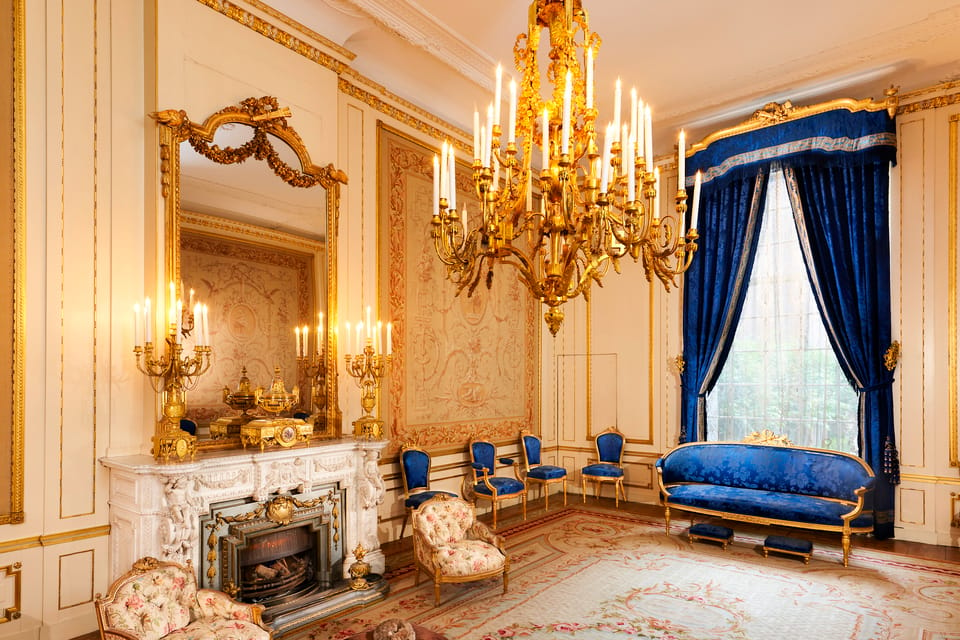
Yes, I’d book it if you’re in Amsterdam and you want a real canal-house interior experience with collections shown where they belong. The combination of ballroom rooms, salons, a French-style garden, and servants’ areas gives you a balanced look at how the house functioned—not just how it looked.
Skip it only if stairs or basement areas are a problem for you, or if you strongly prefer museums where sound is never part of the experience. If you’re flexible and you like walking, this ticket offers strong value for the time you’ll spend inside a historic home.
FAQ
Where is the meeting point for Museum Willet-Holthuysen?
The meeting point is Herengracht 605.
How much time do I have to use the ticket?
The ticket is valid for 1 day. You’ll need to check availability to see starting times.
What’s included with the ticket?
Your ticket includes the entrance and an audio guide.
What languages are available for the audio guide?
The audio guide is available in Spanish, English, Dutch, French, German, Italian, and Russian.
Are meals or drinks included?
No. Meals and drinks are not included.
Is the museum wheelchair accessible?
No. It is not suitable for wheelchair users.