REVIEW · AMSTERDAM
Amsterdam: Cultural Highlights in English/German/Italian
Book on Viator →Operated by Amsterdamliebe · Bookable on Viator
Amsterdam tells its story on foot. This 2-hour walking tour uses a German (and other language) speaking guide to connect big landmarks to how Amsterdam became Amsterdam. You start at the National Monument and keep moving at an easy city pace, with plenty of context for first-timers.
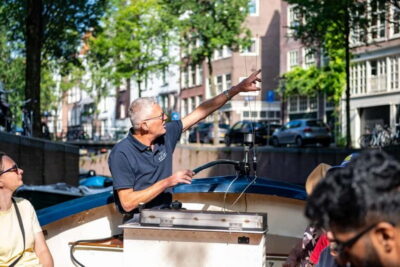
What I like most is the guide style. You get stop-by-stop explanations that make the places make sense, not just a string of facts. I also love that you’re not stuck alone afterward—you get tailored recommendations so your trip doesn’t end when the tour ends.
One thing to plan around: the walk covers about 3 to 4 kilometers, so comfortable shoes matter. It’s also designed for good weather, so on rainy days you may need a flexible plan.
In This Review
- Key highlights to notice
- A 2-hour walk that helps you read Amsterdam fast
- Language choice: this one runs in German, with other options available
- Where you start: National Monument and Dam Square’s origin story
- Golden Age wealth at Beurs van Berlage, then the Nieuwe Kerk’s role in growth
- Multatuli’s colonial link, Magna Plaza’s past, and Westerkerk by the Jordaan
- Anne Frank statue and LGBTQ+ visibility at the Gay Monument
- 9 Little Streets and Spui: what to do next (and where to look)
- Price and value: why $33.88 can make sense
- Who this tour fits best (and who might want something else)
- A few practical notes that can shape your day
- Should you book this Amsterdam culture walk?
- FAQ
- How long is the Amsterdam walking tour?
- How far will we walk?
- Where do we meet, and where does the tour end?
- What languages are available?
- Are there admission fees for the stops?
- Does the tour include the red-light district?
- Will we visit a coffee shop?
- Is it suitable for children?
- What happens if the weather is bad?
Key highlights to notice
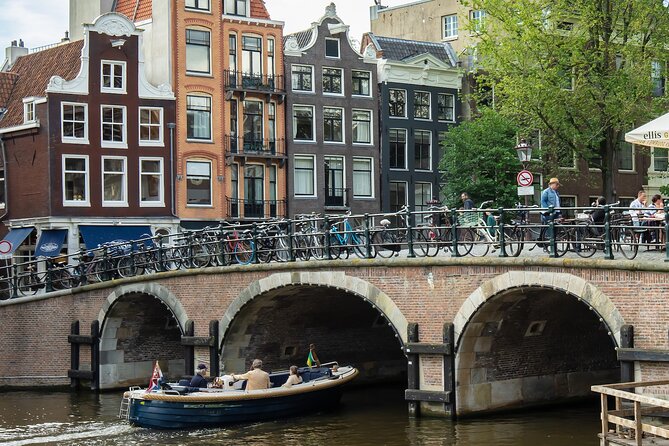
- Dam Square to the Begijnhof area in one connected walk, so you get city logic fast
- Golden Age finance meets church and reform history, tied together by your guide
- Free admission for all stops, so you can focus on learning instead of paying extra
- Small group (max 15), which helps questions and pacing
- LGBTQ+ and Jewish history stops included, plus a route that avoids nightlife stops
- 9 Little Streets shopping tips at the end so you know where to wander next
A 2-hour walk that helps you read Amsterdam fast
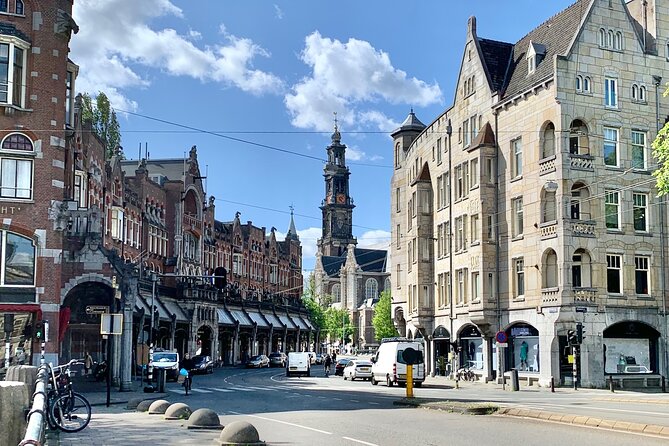
This is an easy win if you’re arriving with only a day or two in your head. You’ll cover around 3 to 4 kilometers at a gentle pace, and you don’t have to worry about traffic or parking because you’re simply walking. The whole experience is built for orientation: you learn what matters, then you’re set up to explore on your own.
Timing is also friendly. It’s about two hours, and the tour loops back to where you started near Dam Square. That matters because Amsterdam can feel maze-like, and starting and ending in the same central area keeps things simple.
The group size is capped at 15 travelers, so you’re not elbow-to-elbow with strangers. In the reviews, the pace is described as accommodating, with the walk moving at the speed of the slowest person. That’s a real quality-of-life detail when you’re doing a history tour on foot.
You can also read our reviews of more tours and experiences in Amsterdam.



Language choice: this one runs in German, with other options available
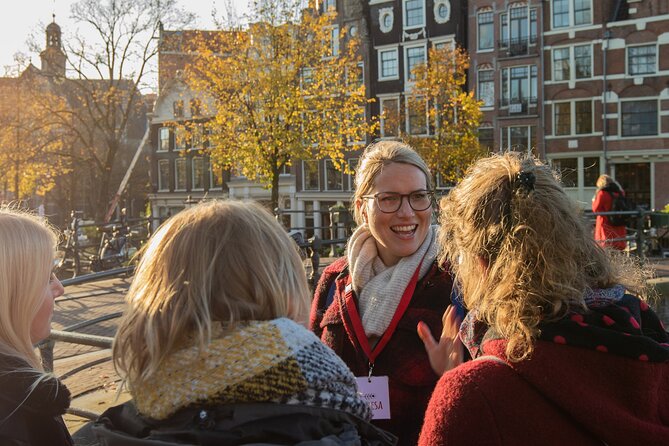
The tour is offered in German, English, or Italian, but the specific version you’re looking at runs in German. If you’re comfortable enough to follow German for a couple hours, it’s a great fit.
What you’ll notice right away is that the guide doesn’t just point and move. The best tours explain how things connect—why a square exists, why a church matters, why a statue is placed where it is. When you’re in German (or any language), those connections land faster because the guide can go into detail without simplifying too much.
If you’re multilingual, you can also choose another language option. That can help if you want to catch every nuance. Either way, bring the same mindset: ask questions if something doesn’t click. The tour is set up for interaction.
Where you start: National Monument and Dam Square’s origin story

You meet at the National Monument at Dam, 1012 JS Amsterdam, and you begin right in the center of it all. Starting here is smart. It anchors the rest of the walk because Dam Square isn’t just a landmark—it’s a staging ground for modern Amsterdam identity.
From there, you spend time at Dam Square learning how the city was established and how Amsterdam grew from its early roots. You also connect the square to the old town house and the royal palace. Even if you’ve seen photos of Dam Square a hundred times, this is the sort of context that makes the space feel less random.
A big plus: admission for these stops is free during the tour. That means you’re paying mainly for guidance and context, not a shopping list of entry tickets.
Golden Age wealth at Beurs van Berlage, then the Nieuwe Kerk’s role in growth
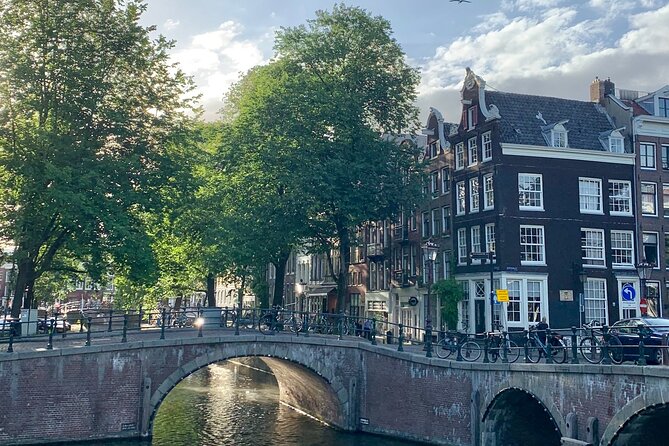
Next comes the Beurs van Berlage, tied to how Amsterdam became one of the world’s wealthiest cities during the Golden Era. Your guide explains it in plain language so the building isn’t just architecture trivia. You see how money, trade, and confidence shaped the city’s development.
From there, you continue to the Nieuwe Kerk. This stop focuses on the church’s history and why it’s important for Amsterdam’s development. It’s a useful contrast after Beurs van Berlage—one place shows economic power, and the other shows social and institutional power. Together, they help you understand the city as more than canals and buildings.
Because you’re walking, you also absorb the city’s rhythm. You’re not rushing through a checklist inside museums. You’re learning while you’re actually in the street-level environment that shaped these sites.
Multatuli’s colonial link, Magna Plaza’s past, and Westerkerk by the Jordaan
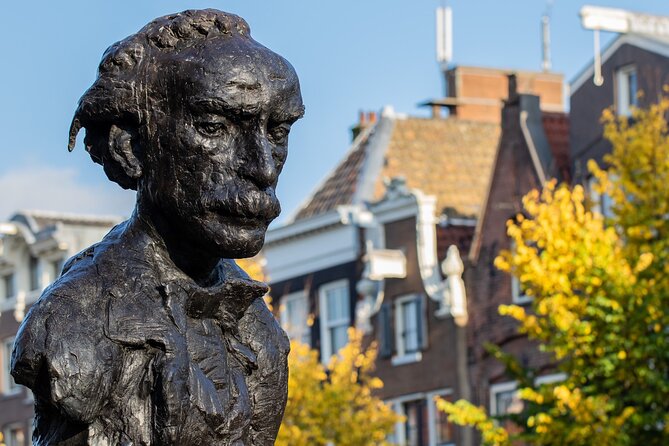
A highlight for many people is the Statue of Multatuli. You learn about the colonial era in Amsterdam and how it connects to one of the most important books of the Netherlands. Even if you don’t know the book, the guide’s framing helps you understand why the story shows up in public art.
Then you move to Magna Plaza, which is notable because it used to be Amsterdam’s post office. This is the kind of detail that makes the tour feel practical. You learn how older infrastructure was repurposed, which is exactly what happens in cities like Amsterdam: layers build on layers.
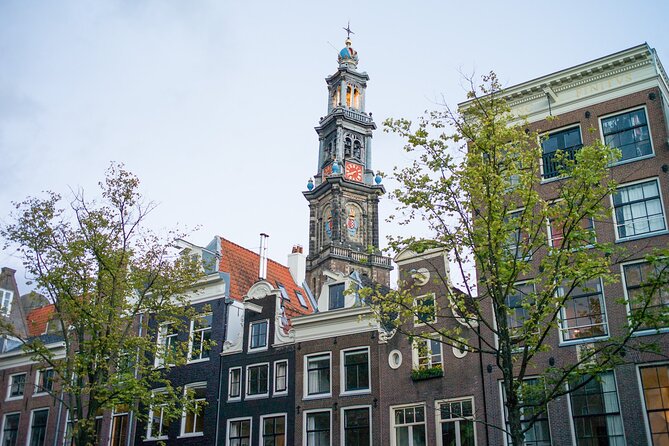
After that, the walk heads toward Westerkerk, described as the biggest church of Amsterdam. Your guide ties it to the Jordaan area, so you don’t just hear about a religious building—you get a map in your mind for how neighborhoods grew around major institutions.



Anne Frank statue and LGBTQ+ visibility at the Gay Monument
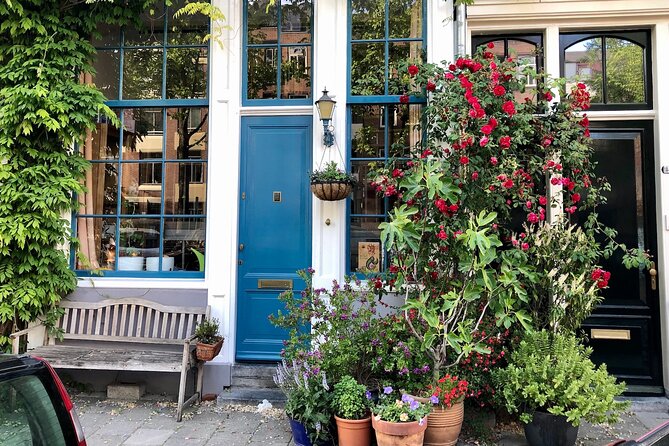
This route includes both Jewish history and LGBTQ+ history, which is a big deal for cultural understanding. The Statue of Anne Frank stop focuses on what Amsterdam meant for Anne Frank and her family, and it adds context to the Jewish story in the city.
Then you visit the Gay Monument, which is about the rich history of Amsterdam’s LGBTQ+ scene. This isn’t treated as a side note. It’s part of the city’s development story, and it helps you see Amsterdam’s culture as social as well as economic and artistic.
If you want your Amsterdam experience to feel balanced—not just canals and grand buildings—these stops matter.
9 Little Streets and Spui: what to do next (and where to look)

After the core history stops, the tour shifts into practical wandering mode. At 9 Little Streets (Negen Straatjes), you receive shopping tips from your guide so you know where to browse after the tour. This is a smart handoff: you leave with a plan rather than wandering randomly.
Then comes Spui, where you explore the Begijnhof area and learn about reformation in Amsterdam. The guide also points out how to spot the hidden church inside. If you like discovering small details at street level, you’ll appreciate this part because it encourages you to slow down and look carefully.
Also, you’ll hear tips for hidden areas to explore after the tour. You’re not just learning history—you’re learning how to enjoy the city once the talking stops.
Price and value: why $33.88 can make sense
At $33.88 per person for about two hours, the real value here isn’t the number of monuments—it’s the guidance that connects them. You’re paying for someone to help you connect Amsterdam’s different eras: finance, churches, colonial memory, reform, and social change.
The tour also has a built-in money saver: you won’t pay admission fees during the walk, and the tour states all sights can be visited for free. So you’re not watching the budget drain ticket by ticket.
For first-timers, this kind of guided orientation often pays off quickly. You go from seeing a city to understanding it, which can turn the rest of your trip into smoother, more confident choices.
Who this tour fits best (and who might want something else)
I think this works especially well for:
- First-time Amsterdam visitors who want context without a museum day
- Travelers who like walking tours and want a manageable route
- Families, since it’s suitable for children
- People who want a guide to recommend where to eat and what to do next (culinary tips came up in the feedback you provided)
It may not be perfect if you want long stops, deep museum time, or a heavily ticket-based experience. This is about walking and learning on the street, not about staying inside for extended periods.
A few practical notes that can shape your day
This tour has clear boundaries around nightlife. It does not include the red-light district and will only pass by on the southern side. The coffee shop will not be visited. That’s a helpful fit if you’re traveling with kids or you just prefer to keep the focus on culture.
Weather matters. The experience requires good weather, and if it’s canceled due to poor weather, you’ll be offered another date or a full refund.
One more thing to consider: in at least one case in the feedback you shared, a visit connected to Anne Frank did not happen and there was no replacement or refund mentioned. That doesn’t mean it will happen to you, but it’s worth keeping expectations flexible when you see a schedule involving sites that can change.
Should you book this Amsterdam culture walk?
If you want a fast, street-level orientation to Amsterdam’s major cultural layers, I’d book it. The free-admission structure, the small group limit, and the focus on connected themes make it a practical way to spend your first hours in the city.
I’d also book it if you want your guide to hand you momentum: not just what you’re seeing, but where to go and what to look for next—especially around the Jordaan area, the Begijnhof, and the 9 Little Streets.
If you hate walking distances, or if you’re only traveling on tight schedules, you might consider another shorter option. But for most people—this is a solid value choice that helps Amsterdam click quickly.
FAQ
How long is the Amsterdam walking tour?
It’s about 2 hours.
How far will we walk?
The walk is about 3 to 4 kilometers, so comfortable shoes are important.
Where do we meet, and where does the tour end?
You meet at the National Monument on Dam (1012 JS Amsterdam) and the tour ends back at the meeting point.
What languages are available?
The tour is offered in German, English, or Italian, and the version you provided runs in German.
Are there admission fees for the stops?
No. You won’t have to pay admission fees during the tour, and the stops are described as free to visit.
Does the tour include the red-light district?
It does not include it. The route will only pass on the southern side.
Will we visit a coffee shop?
No, the coffee shop is not visited.
Is it suitable for children?
Yes, the tour is suitable for children.
What happens if the weather is bad?
The experience requires good weather. If it’s canceled due to poor weather, you’ll be offered a different date or a full refund.