REVIEW · AMSTERDAM
Amsterdam: National Holocaust Museum Entry Ticket
Book on GetYourGuide →Operated by Jewish Cultural Quarter Amsterdam · Bookable on GetYourGuide
This museum hits hard, in a good way. What makes it especially compelling is how it tells the story through interactive holograms and a Hervormde Kweekschool setting tied to deportations, not just distant dates. I also like that the exhibition puts victims’ faces front and center, so the history feels real and specific. The only real catch: the information load can feel like too much at once, so plan to go slow.
I love that the ticket covers two closely related places: the National Holocaust Museum and the Hollandsche Schouwburg National Holocaust Memorial. You can take your time, use the audio guide, and build your own pace instead of being swept along. Just be ready for a somber visit with strong emotions, and bring patience for a layout that prioritizes depth over quick browsing.
In This Review
- Key points worth your attention
- National Holocaust Museum in Amsterdam: the Hervormde Kweekschool setting
- What you’ll learn: daily life, occupation, and the Holocaust’s impact in the Netherlands
- Henriëtte Pimentel and the children’s escape story
- Interactive holograms and the audio guide: how to use them without getting swamped
- Visiting pacing: how long to plan and how to avoid rushing
- Hollandsche Schouwburg Memorial: why the second ticket matters
- Ticket price and value: is $24 worth it?
- Who should book this Amsterdam Holocaust Museum entry ticket?
- Practical visit tips for a smoother experience
- Should you book this Amsterdam Holocaust Museum ticket?
- FAQ
- Where is the meeting point?
- What’s included with the ticket?
- How long is the ticket valid?
- Can I take photos inside the museum?
- Is the experience wheelchair accessible?
- Is there free cancellation?
Key points worth your attention
- Interactive holograms let you ask questions and get answers in an eye-level way
- Hervormde Kweekschool building connects the exhibit to the real architecture of persecution
- Victim-focused storytelling uses recognizable faces and personal material rather than abstract summaries
- A “before the war” lens helps you see daily life and normal routines before the Nazis took control
- Henriëtte Pimentel’s role is highlighted in the story of children being helped to escape
- Two-site ticket value pairs the museum with the Hollandsche Schouwburg memorial
National Holocaust Museum in Amsterdam: the Hervormde Kweekschool setting
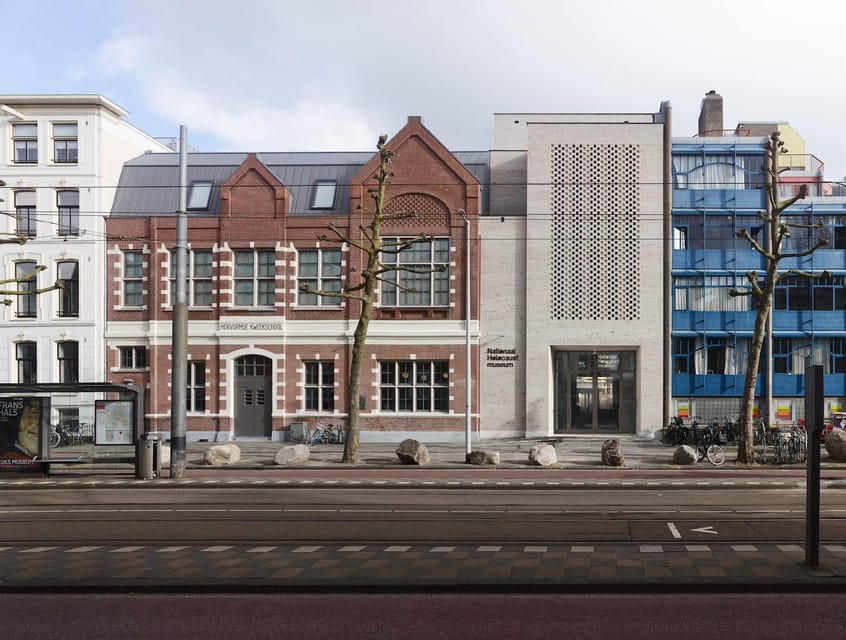
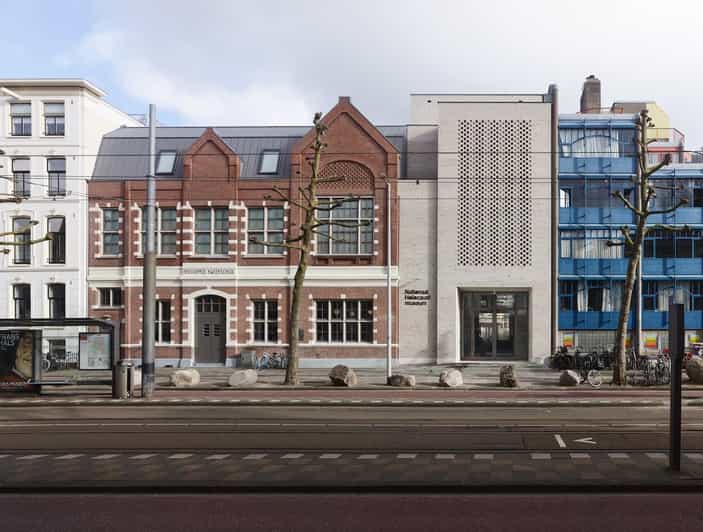
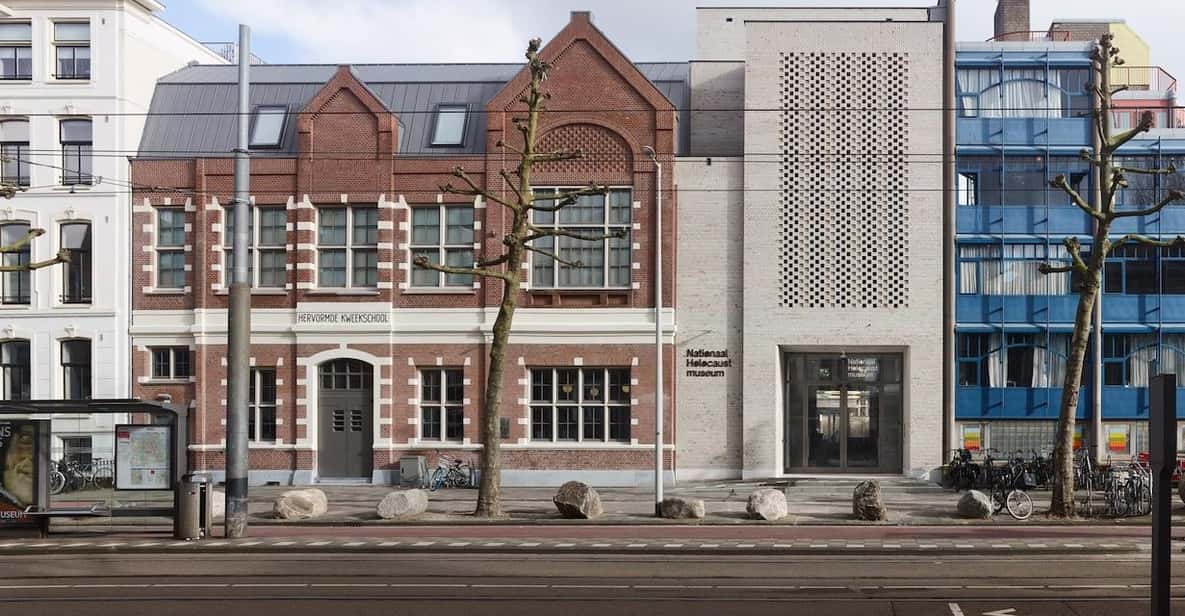
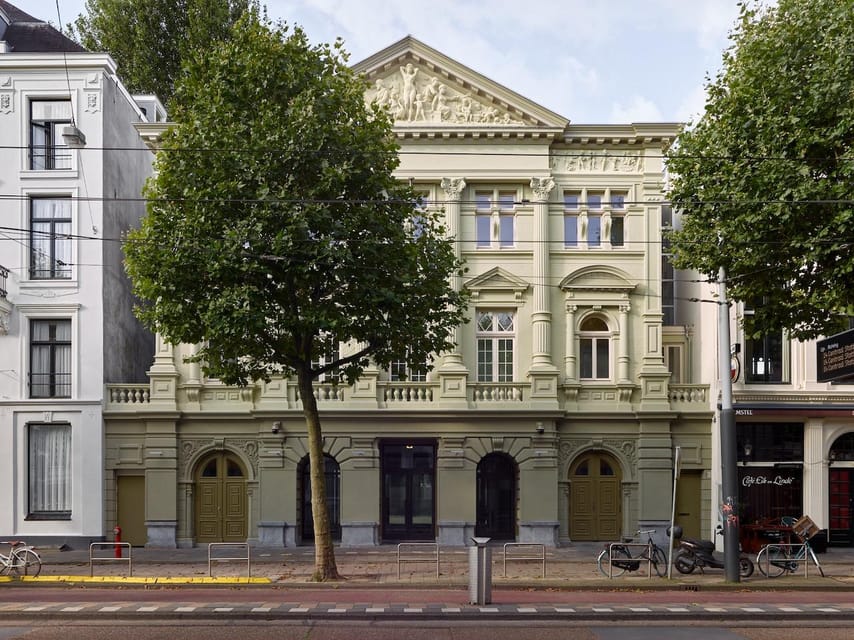
The National Holocaust Museum is housed in the Hervormde Kweekschool, a former training school building that matters because of what happened there during the German occupation. Instead of showing persecution as something that only occurred in far-away places, the museum ties it to a real location people once walked through for everyday life.
That location connection is a big part of why the visit feels so direct. You’re not only learning what the Nazis did. You’re in a place where the system touched children and families, including through an adjacent daycare used as a gathering and deportation point for Jewish children. Seeing that connection makes the story less “museum-like” and more like a documented crime scene—handled with care, but not softened.
For me, one of the best design choices here is the clarity. Reviews point out that the museum is laid out in a way that keeps exhibits organized, with helpful labels and an audio guide that supports you as you move room to room. It’s one of those rare setups where you don’t feel punished for trying to understand.
You can also read our reviews of more tours and experiences in Amsterdam



What you’ll learn: daily life, occupation, and the Holocaust’s impact in the Netherlands
This museum doesn’t treat the Holocaust as a single event that starts on one date and ends on another. It walks you through how Dutch Jewish life changed, step by step, and then it explains what happened under Nazi rule.
Before the war, you’ll see how Jews and non-Jews lived alongside each other with the same rights. That detail matters because it frames the horror as something that smashed an existing society, not something that arrived out of nowhere. Once you have that baseline, the exhibition’s shift into occupation feels even more disturbing.
Then the museum brings in the scale of the atrocities. It notes that the Nazis murdered about six million Jews in Europe, known as the Holocaust or Shoah, and that in the Netherlands roughly three-quarters of the Jewish population were killed. The museum also emphasizes how this history is handled in Dutch national memory culture—so it’s not only about what happened, but also about how a country chooses to remember (and teach).
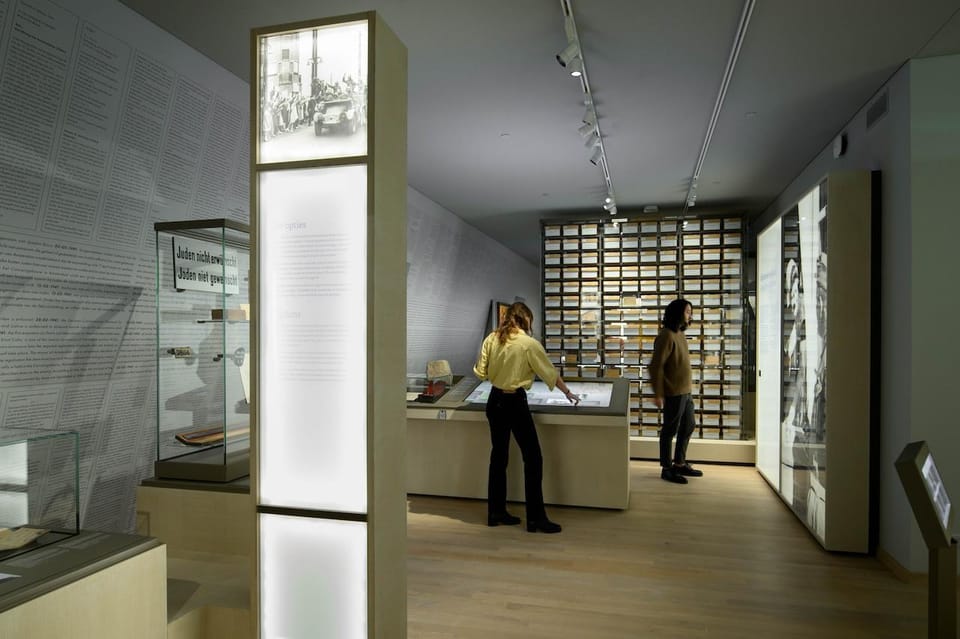
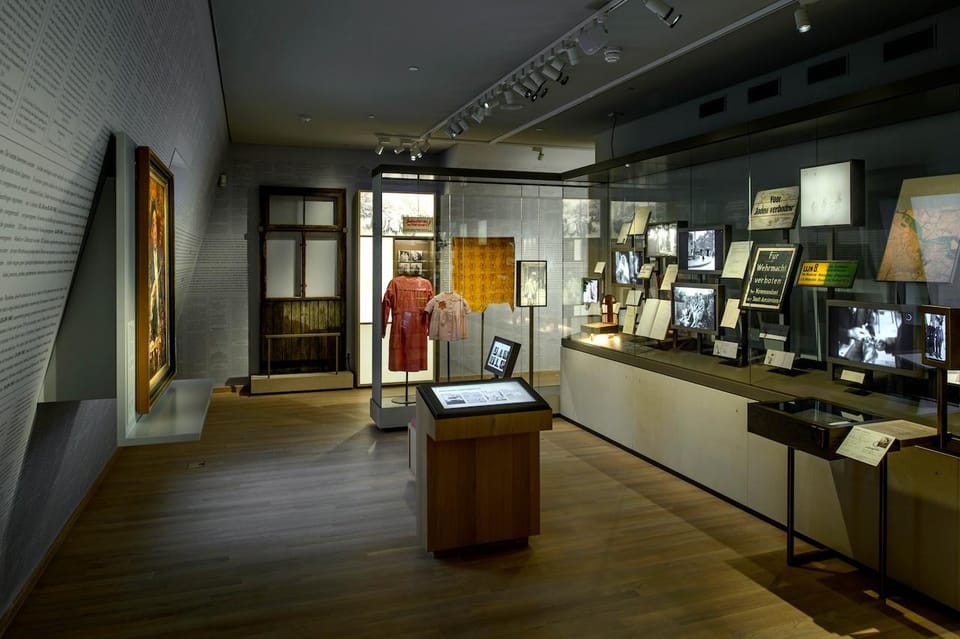
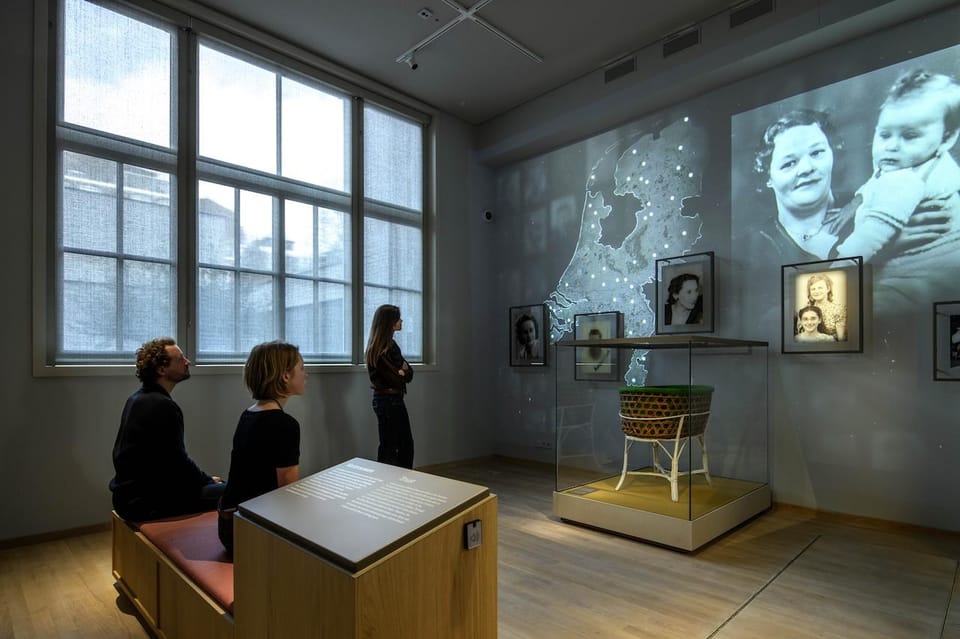
One reason this museum is so emotionally effective is the use of identifiable personal material. People mention suitcases, portraits, and collections shown in clear, structured ways. The goal isn’t to overwhelm you with numbers. It’s to give the victims faces you can hold onto.
Henriëtte Pimentel and the children’s escape story
A standout part of the experience is the way the museum connects a specific act of human resistance to the larger machinery of persecution.
The exhibition explains how the Nazis used the nearby daycare as part of the process for gathering children and sending them away. And then it brings in Henriëtte Pimentel, who helped hundreds of children escape, including through the Kweekschool. That isn’t just a name to remember. It’s a narrative hinge that shows the difference between a system designed to destroy lives and people who tried to break that system when they could.
This is also where pacing becomes important. The topic is heavy, and the museum doesn’t shy away from it. If you’re the type who likes to read every label, that’s a good instinct here—just give yourself time. If you try to sprint through, you’ll feel like you missed the point.
A practical tip: treat the exhibit like a set of chapters, not a single scroll. Stop, take in one section, then move on. The museum includes interactive elements, including holograms where you can ask questions and get answers. It can be powerful—and also easy to feel overwhelmed if you try to process everything in one go.
Interactive holograms and the audio guide: how to use them without getting swamped
This museum uses technology thoughtfully, not as a gimmick. One review highlights that the interactive holograms let you ask questions and receive responses, and that it helped turn the content into something you can actively work through.
I recommend using interactivity strategically:
- If you’re tired, do the hologram segment first in a lighter moment.
- If you’re trying to absorb a painful section, read labels first, then use audio/hologram tools to fill gaps.
- If you feel your mind starting to race, step away from screens for a minute and let the room’s regular exhibits do the work.
The audio guide also comes up as a strong support. People describe it as informative throughout the museum, and it can be especially useful when you want the narrative explained in a steady, guided rhythm.
A small real-world consideration: there can be moments where an electronic or guided narration switches languages. One account notes it sometimes moved to Dutch rather than staying in English. That won’t derail most visits, but if you’re relying tightly on one language, stay flexible and plan for occasional handoffs.
Also, keep an eye on lighting. Some displays sit behind glass cabinets that reflect light, making items harder to see directly. If you hit that problem, change your angle, wait for your eyes to adjust, and don’t assume the object is missing.
Visiting pacing: how long to plan and how to avoid rushing
This is not a two-hour stop. The museum is information-dense, and the emotional content is intense.
Reviews commonly recommend dedicating about half a day. I agree with that general pace. You’ll want time to read, pause, and absorb personal artifacts—like suitcases and portraits—without feeling like you’re doing homework on fast-forward.
Two more pacing tips from what people experienced:
- Some exhibits may have limited viewing capacity, with items viewable by only a couple of people at a time. That means you might queue or circle back later.
- Some people ran into closing pressure and wished for more buffer minutes near the end. In plain terms: don’t show up late in the day if you want to slow down.
If you’re the kind of visitor who likes to take notes or revisit sections, this ticket’s structure helps. It’s not just one rigid guided run. You can keep your momentum up where you want it and slow down where you need to.
You can also read our reviews of more museum experiences in Amsterdam





Hollandsche Schouwburg Memorial: why the second ticket matters
Your ticket includes entry to the Hollandsche Schouwburg National Holocaust Memorial as well. That second stop is valuable because it helps you connect the museum’s broader narrative to another historically significant location tied to deportations.
The Hollandsche Schouwburg memorial pairing also changes the emotional temperature. In a museum you often move forward, learning. A memorial can feel more like standing still with the weight of what you’re learning. If you want the story to land fully, don’t treat the second site as optional time-filler.
Think of it as reinforcement:
- The museum helps you understand context and systems.
- The memorial helps you process meaning in a quieter, more direct way.
Also, because this is a self-paced entry ticket, you’ll be able to choose how much time to spend at each site. If one part hits harder, you can linger there without feeling like you must check boxes.
Ticket price and value: is $24 worth it?
At $24 per person, this ticket is a case of paying for depth. You’re not buying a quick “see-and-go” attraction. You’re paying for access to a museum built around careful storytelling of persecution in the Netherlands—plus a second included site through the Hollandsche Schouwburg memorial.
What makes the value feel fair is that the museum isn’t relying only on passive displays. It uses interactive holograms, personal artifacts, and an audio guide to support different learning styles. If you tend to read slowly, you’ll get your money’s worth more than if you skim.
One practical check: expect your time to be meaningful. If you’re only in Amsterdam for a jam-packed day of canal cruising and you’ll be tempted to treat this as a stop between meals, you’ll likely feel rushed and miss what the museum is trying to communicate.
For the right traveler, though, it’s a strong value. Especially because the ticket is valid 7 days from first activation, you can pick a day when you can actually handle the emotional weight.
Who should book this Amsterdam Holocaust Museum entry ticket?
This is a strong fit if you want:
- A Dutch-focused Holocaust story with daily life before the war and the occupation’s step-by-step change
- A museum that uses recognizable faces and personal objects to make history human
- Self-paced entry with tools like audio guidance and interactive holograms
- The chance to pair the National Holocaust Museum with the Hollandsche Schouwburg memorial
It’s also a good match if you appreciate real places tied to real events. If you prefer very light sightseeing, this will feel heavy. If you want your history with context and specifics, this is exactly that.
For families, it can still work, but plan the pace carefully. One review notes a parent and child enjoyed taking their time rather than rushing. Still, the subject matter is intense, so you’ll need to judge what your kids can handle.
Practical visit tips for a smoother experience
Here are a few things that make a difference on the ground, based on what visitors ran into:
- Photography is allowed but keep it respectful. That means no flash, no lingering selfie sessions, and no blocking others.
- If you run into reflections from glass cabinets, change your viewing angle and keep moving; don’t force yourself to stare at glare.
- Build in time for queues when exhibits limit how many people can view them at once.
- The museum has a cafe, and it can be a helpful reset point if you need a quiet meal break mid-visit.
And yes: wear shoes you can stand in. Even when a place is laid out well, you’ll be on your feet for a long, thoughtful session.
Should you book this Amsterdam Holocaust Museum ticket?
If you’re considering it, my advice is simple: book it if you can give it real time. The museum’s power comes from slowing down enough to follow the story—how Dutch life worked before the war, how persecution unfolded, and how the Netherlands remembers it now.
Skip it only if you’re looking for a casual, low-emotion museum. This is sobering history that asks for attention and reflection. But if you want a meaningful, Netherlands-centered Holocaust experience with strong presentation, this ticket delivers.
FAQ
Where is the meeting point?
The meeting point is National Holocaustmuseum.
What’s included with the ticket?
The ticket includes entry to the National Holocaust Museum and entry to the Hollandsche Schouwburg National Holocaust Memorial.
How long is the ticket valid?
The ticket is valid for 7 days from the first activation.
Can I take photos inside the museum?
Photography is allowed, but you should be respectful.
Is the experience wheelchair accessible?
Yes, it’s wheelchair accessible.
Is there free cancellation?
Yes. You can cancel up to 24 hours in advance for a full refund.