REVIEW · AMSTERDAM
Amsterdam: Rijksmuseumtour incl. Ticket German or English
Book on GetYourGuide →Operated by Amsterdamliebe · Bookable on GetYourGuide
Rijksmuseum can feel huge, fast. This 1.5-hour guided sprint makes it manageable, and I love the focus on Rembrandt’s Nightwatch plus the way you connect the artworks to Dutch life in the Golden Age. One possible drawback: you’ll only get one language option, so you should book carefully if German or English matters to your comfort level.
The tour starts with a photo stop and then moves into the museum with a guide who points out what most people miss, including the neo-gothic feel of the building and a chance to go hunting for the museum’s “hidden library.” After the guided portion, you’re free to wander at your own pace—perfect if you want to linger over a painting longer than the group tempo allows.
In This Review
- Key things you’ll notice on this Rijksmuseum tour
- Price and value: $88 for a 1.5-hour art reality check
- Before you go: pick the right language and set your expectations
- Where the tour starts: meeting points and a smart first photo stop
- The guided walk inside: how you get from Dutch medieval to the 20th century
- Entering the Rijksmuseum building: neo-gothic architecture you can actually read
- The Golden Age focus: Amsterdam’s wealth shows up in the art
- Rembrandt’s Nightwatch: why this painting pulls the room
- The hidden library hunt: a playful way to orient yourself
- The flow of the 1.5 hours: photo stop, visit, and guided tour
- What it’s like with real guides: Stefanie and Noemi set the tone
- Wheelchair accessible and group sizes: comfort without losing the art
- After the tour: how to use your remaining time
- Who should book this tour?
- Should you book? My take
- FAQ
- FAQ
- How long is the Rijksmuseum tour?
- Is the museum ticket included?
- Do I need to choose German or English?
- Where does the tour meet?
- Is flash photography allowed?
- What’s included in the tour?
- Are snacks or drinks included?
- How big are the groups?
- Is the tour wheelchair accessible?
- Can I cancel for a refund?
- Are there any other costs besides the tour price?
Key things you’ll notice on this Rijksmuseum tour
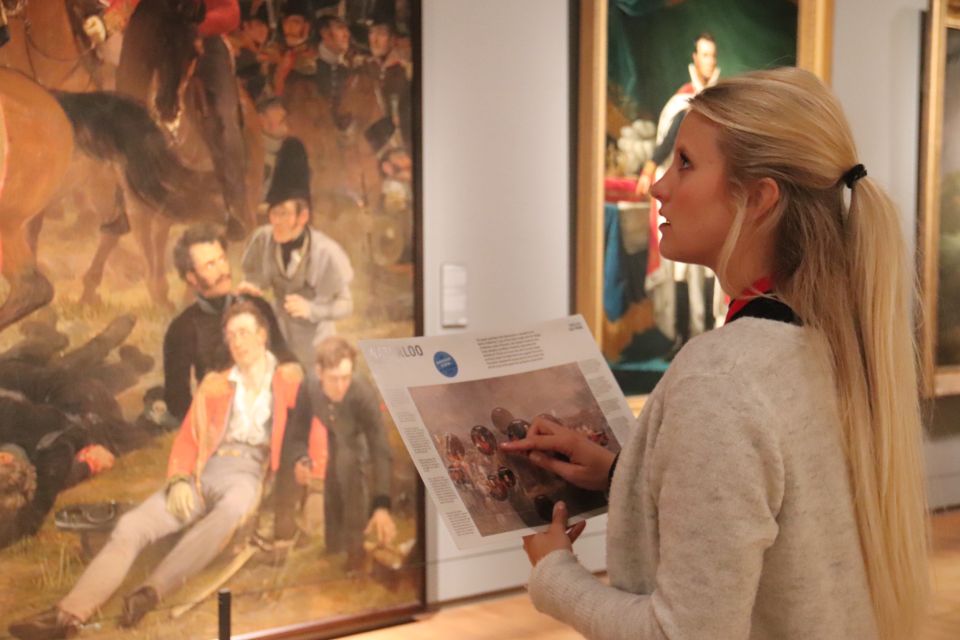
- Nightwatch explained clearly: you’ll learn what makes Rembrandt’s painting so important, beyond just seeing it.
- Golden Age context that clicks: the guide ties the art to Amsterdam’s wealth and taste in the 1600s.
- Neo-gothic architecture as part of the show: the building isn’t just a backdrop.
- A practical route in 1.5 hours: you won’t spend your time wandering aimlessly.
- Small group or private options: you get more attention from the guide than a large crowd tour.
- A “hidden library” challenge: it adds fun and helps you orient inside the museum.
Price and value: $88 for a 1.5-hour art reality check
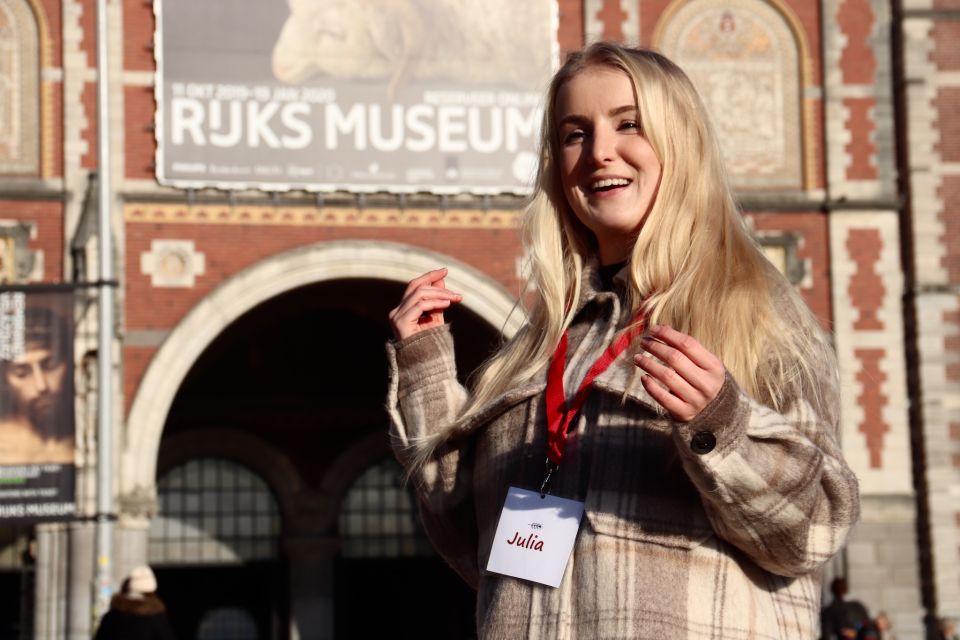
For $88 per person, what you’re really paying for is two things bundled together: a timed-entry ticket and a German or English guide who interprets the collection for a short, focused window. That’s important at the Rijksmuseum, because the museum’s scale can make even famous paintings feel disconnected if you’re just floating through rooms.
Is it “cheap”? No. But for many people, it’s good value because you’re not spending the whole 1.5 hours trying to figure out where to go, what matters, or how to read what you’re seeing. A good guide changes how quickly your brain starts recognizing patterns—styles, symbols, and themes in Dutch art—so you get more meaning per minute.
If you’re the type who likes to read every label in depth, you might prefer a self-guided visit. But if you want smart direction and interpretation while still having time afterward to explore, this price often feels fair.
You can also read our reviews of more tours and experiences in Amsterdam



Before you go: pick the right language and set your expectations
This is not a bilingual tour. You choose German or English, and the guide speaks only that language. If you’re fluent enough to follow art context and museum explanations, you’ll be in great shape. If you’re only “school-level” comfortable, lean toward the language you’d use to fully enjoy a lecture.
You’ll also want to know the rules: no flash photography. That matters because the Rijksmuseum has many “quiet looking” moments. If you rely on flash for night-like photos or museum shots, plan to use natural light and your phone camera settings instead.
Finally, the format is built for momentum. Expect a guided visit that hits major works and themes, then a self-guided portion right after. The tour isn’t designed to be a slow, room-by-room education of everything in the museum.
Where the tour starts: meeting points and a smart first photo stop
Your meeting point can vary based on the option you booked. One listed starting option is at Hobbemastraat 16B (Rijksmuseum), and another is simply at Rijksmuseum. In either case, you’ll get set up before the museum time begins.
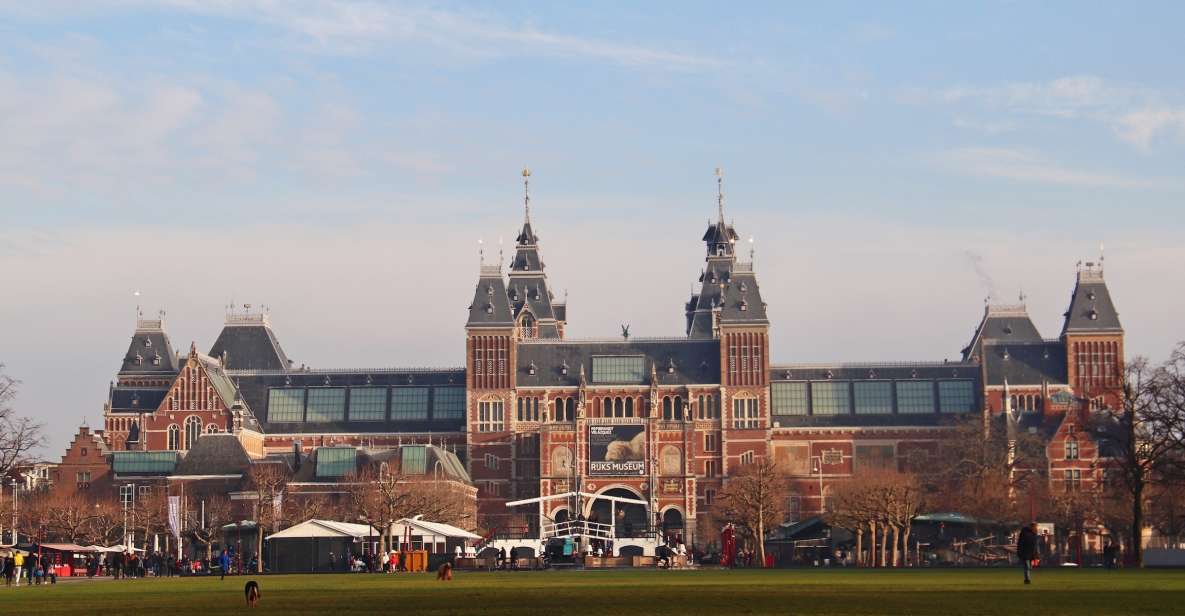
Right away, there’s a photo stop. That sounds simple, but it’s actually useful. It gives you a clean moment to get outside context—how the museum sits, what the facade communicates, and how the building’s style frames the art inside.
Why I like this approach: if you’ve ever entered a big museum and felt immediately lost, a photo stop and first orientation moment makes your next 60 minutes much smoother.
The guided walk inside: how you get from Dutch medieval to the 20th century
The tour is designed as a short timeline of Dutch art—from earlier periods through later developments up to the 20th century. In 1.5 hours, the guide can’t cover everything, so the strategy is selective: you focus on the most impactful pieces and connect them to the cultural shifts that produced them.
This matters because Dutch art doesn’t just mean “pretty paintings.” The Dutch Golden Age style grew from a very specific social and economic moment in Amsterdam—wealth, trade, and changing ideas about beauty and status. When you hear that context while you’re standing in front of the canvases, the museum stops feeling like separate rooms of random masterpieces and starts feeling like a coherent story.
You’ll also notice how the guide steers attention. Instead of asking you to read every label, the guide highlights what to look for in composition, subject, and what a painting signals about its time.
Entering the Rijksmuseum building: neo-gothic architecture you can actually read
Even before the big name paintings, you’ll be asked to pay attention to the museum’s look. The tour calls out the museum’s neo-gothic architecture, and that’s not just trivia.
Here’s why it matters for your visit: the Rijksmuseum was built to be a national “home” for art. When you notice the building’s shape, details, and styling, you get a better sense of why Dutch culture wanted art displayed this way. You’re walking into an institution that was meant to project seriousness and identity.
If architecture isn’t usually your thing, you might still appreciate this because it gives you a break from constant gallery focus. You’ll get a chance to re-center before you’re fully in painting mode.


The Golden Age focus: Amsterdam’s wealth shows up in the art
One of the strongest parts of this tour is the emphasis on the Golden Age and how it shaped Dutch ideas about beauty. The guide frames it around the 17th-century moment when Amsterdam became extremely wealthy and cultural tastes shifted.
You’ll see classic Dutch pieces associated with that period and learn how the art reflects wealth and civic pride—things like how subjects are presented, how detail feels “earned,” and how the style can feel both precise and confident.
This is also where a guide earns their fee. Without context, Golden Age paintings can blend together as “old Dutch portraits.” With context, you start spotting differences in intent: who commissioned what, what the imagery likely meant, and how the painting is trying to communicate status, values, or power.
Rembrandt’s Nightwatch: why this painting pulls the room
No visit to the Rijksmuseum feels complete without standing in front of Rembrandt’s The Nightwatch. This tour specifically aims to make that painting click for you.
You won’t just be told it’s famous. You’ll get explanation about Rembrandt himself and why the Nightwatch matters culturally and artistically. That changes your experience. Instead of thinking, I’m looking at a big painting, you’ll start noticing the details that create drama—motion, group dynamics, and the way attention is guided through the scene.
I also like that the tour doesn’t treat Rembrandt as a random highlight. It ties the painting into the wider Dutch story the guide is telling, so Rembrandt becomes part of the cultural fabric, not a standalone superstar.
The hidden library hunt: a playful way to orient yourself
One of the tour’s fun instructions is to try to find the hidden library in the Rijksmuseum. You may not always see it instantly on your own, especially if you’re focused on the big paintings.
Even if you don’t find it immediately, the “hunt” is useful. It makes you slow down just enough to pay attention to what’s around you: hallways, doorways, and library spaces that most people gloss over.
Think of it as map training. You come out of the guided tour with a better sense of layout, so your self-guided time doesn’t feel like random wandering.
The flow of the 1.5 hours: photo stop, visit, and guided tour
Here’s what the timing usually feels like in practice: you start with a meeting point, do an early photo stop, then head into the museum for the main guided segment. The total time is about 1.5 hours.
The pacing is ideal for most people because it keeps the group focused without turning into a rushed blur. You’ll hit the key works and themes, you’ll get interpretation as you look, and then you’re released for independent exploration.
One small consideration: if you’re the type who hates feeling pushed along, you may find the short timeline a bit intense. But since you’re also given time afterward to explore, you can usually fix that by choosing one or two rooms to return to when the tour ends.
What it’s like with real guides: Stefanie and Noemi set the tone
The best part of any guided museum tour is the guide. In this case, the guide quality is a clear strength. I’ve seen standout feedback tied to guides named Stefanie and Noemi.
What stands out in their descriptions is how well they can explain works you might otherwise treat as just famous names. Stefanie is praised for excellent English and for making the works feel understandable, while Noemi is mentioned for deep knowledge and a sense of humor that makes the time feel memorable.
For you, that translates to a simple expectation: when you book, you’re not just buying access to rooms—you’re buying interpretation that helps you actually see what the museum is saying.
Wheelchair accessible and group sizes: comfort without losing the art
The tour is listed as wheelchair accessible, and you can book private or small groups. Small groups make a big difference in museums because it’s easier to hear the guide and to get your questions answered instead of being swept along by crowd noise.
If you’re traveling with mobility needs, a guided approach is often calmer than self-navigation—especially when the route is built around key rooms.
After the tour: how to use your remaining time
Once the guided segment ends, you get the chance to see more at your own pace. This is where you can tailor the visit to your tastes.
Here’s a practical way to use it:
- Return to anything you felt you saw too quickly during the guided portion.
- Spend extra time in rooms where you liked the Golden Age feel, since the guide’s context helps you notice differences.
- If the hidden library idea sparked your curiosity, use that extra time to follow your own instincts about where it might be.
If you only have a limited amount of museum time, this format helps you avoid “I saw a lot but learned nothing” visits.
Who should book this tour?
This tour is a great fit if you want:
- A fast, focused Rijksmuseum overview that actually teaches you what to notice
- Strong emphasis on Dutch art themes, especially the Golden Age
- A guided approach to The Nightwatch so it feels meaningful, not just famous
- A plan that still leaves time to wander afterward
It’s also a good match if you like museum experiences where someone points out architecture details, then switches gears into paintings, then hands you a puzzle to solve inside the building.
If you’re the kind of art visitor who wants to read every label for an entire day, you might get more from a longer self-guided visit. But for many people, a 1.5-hour structured look is exactly the right amount of guidance.
Should you book? My take
If you’re visiting the Rijksmuseum for the first time and you want your time to feel organized, I’d book it. For $88, the ticket included and the guided interpretation are what make this feel like more than just entry.
The biggest decision is language. Choose German or English based on what will let you enjoy the explanations fully. If you do that, you’ll come away with a sharper understanding of Dutch art—especially Rembrandt’s Nightwatch—and you’ll still have freedom to linger where you personally want more time.
FAQ
FAQ
How long is the Rijksmuseum tour?
The duration is 1.5 hours.
Is the museum ticket included?
Yes. The Rijksmuseum entry ticket is included in the experience.
Do I need to choose German or English?
Yes. The tour is available in either German or English, but it is not bilingual. You should book the correct language option.
Where does the tour meet?
Meeting point may vary depending on the option booked. One listed starting option is Hobbemastraat 16B (Rijksmuseum), and another option is Rijksmuseum.
Is flash photography allowed?
No. Flash photography is not allowed.
What’s included in the tour?
You get a cultural German or English tour guide and the Rijksmuseum entry ticket.
Are snacks or drinks included?
No. Snacks and drinks are not included.
How big are the groups?
The activity notes private or small groups available.
Is the tour wheelchair accessible?
Yes, it is listed as wheelchair accessible.
Can I cancel for a refund?
Yes. Free cancellation is available up to 24 hours in advance for a full refund.
Are there any other costs besides the tour price?
Tips are not included, so you may want to budget for tipping if you choose.