
REVIEW · AMSTERDAM
Diamond Museum Amsterdam Admission Ticket
Book on Viator →Operated by Royal Coster Diamonds · Bookable on Viator
One trip to the Diamond Museum Amsterdam tells a whole story. You start with what happens about 200 kilometers below the surface and end up staring at royal crowns, tiny cut diamonds, and the kind of wearable art that looks almost impossible. I especially like the mix of diamond science/value and the chance to watch stone polishers and goldsmiths at work. The main catch is that a few visitors report the museum’s audio-visual setup can be glitchy (broken listening devices, outdated media), so don’t bank on perfect tech.
I’d also file this under “easy to fit into a Museumplein day.” The museum sits between the Rijksmuseum and Van Gogh Museum, so you can bounce between art stops without changing neighborhoods. With 1 to 2 hours on the clock and daily hours from 9am to 5pm, it’s a practical add-on when you want something different from paintings.
Still, it’s not a big, sprawling museum. One review notes the building feels small and cramped, which can be tough for people with mobility needs, and some exhibits use glass imitations instead of only real stones.
In This Review
- Key things that make this ticket worth your time
- Diamond Museum Amsterdam at Museumplein: where it fits in your day
- What you’ll learn: diamonds from deep-earth origins to price factors
- The royal jewels gallery: crowns, iconic stones, and the wow factor
- The tiny-diamond moment and the van Gogh diamond display
- Watching stone polishers and goldsmiths: what the craft section really gives you
- Your 60–120 minute walk-through: film, displays, and the diamond heist game
- Price and value: is $72 a smart buy?
- Booking and entry hiccups to plan for (especially QR codes)
- Accessibility and language: what to watch for
- Who this ticket is best for
- Should you book the Diamond Museum Amsterdam ticket?
- FAQ
- Where is the Diamond Museum Amsterdam located?
- How long does the visit usually take?
- What is included in the $72 ticket?
- What is not included with the ticket?
- What are the opening hours?
- Is public transportation nearby?
- Is there anything beyond static displays?
- Can I run into problems with QR codes or entry scans?
- Can you cancel for a full refund?
Key things that make this ticket worth your time
- From formation to valuation: You get the story of how diamonds form over billions of years and what drives pricing and grading.
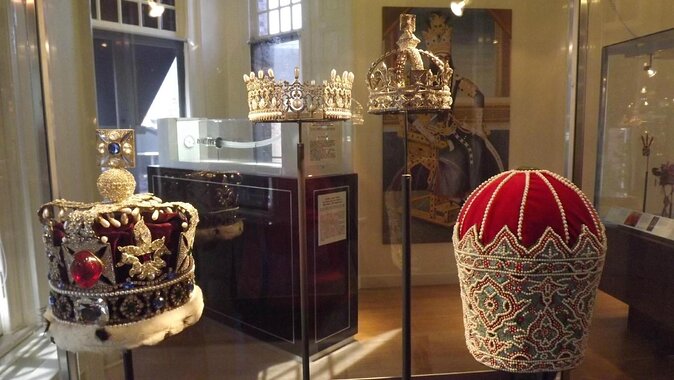
- Royal jewelry moments: The crown and royal-jewel displays are a standout visual payoff.
- Hands-on viewing, not just glass cases: Watching polishers and goldsmiths is the most memorable “how it’s made” element.
- A game layer on top: There’s a diamond heist-style game experience that adds energy beyond walking galleries.
- Small museum, fast pace: Most visits fit comfortably into about an hour or two—ideal if you like to keep moving.
Diamond Museum Amsterdam at Museumplein: where it fits in your day
Diamond Museum Amsterdam is right in Amsterdam’s Museum Square area (Museumplein), placed between the Rijksmuseum and the Van Gogh Museum. That location matters more than you’d think. When a museum sits in the middle of a major museum cluster, you spend less time figuring out routes and more time actually seeing things.
This ticket is for the Diamant Museum Amsterdam experience (the Diamond Museum Amsterdam brand). The museum runs daily from 9am to 5pm, including weekends and holidays, which makes it a steady option even when your timing is messy. Since the visit is typically about 1 to 2 hours, you can plan it as either:
- a smart indoor break during midday crowds, or
- a focused add-on after one big museum (or before the next).
You can also read our reviews of more tours and experiences in Amsterdam



What you’ll learn: diamonds from deep-earth origins to price factors
The museum’s storyline starts far underground—about 200 kilometers below the earth—and moves forward to how diamonds take their final form. If you’ve ever wondered why diamonds look the way they do (and why some are valued far above others), this place is built around that question.
Here’s what the experience emphasizes:
- How diamonds are formed: the museum explains the long process—billions of years—ending in the shaped stone you recognize.
- What makes diamonds valuable: you’ll see how grading and valuation ties to diamond attributes.
- Different types and characteristics: the displays guide you through how diamonds vary and what those differences mean.
Even if you’re not trying to buy diamonds (and most of us aren’t), I like how this framing helps you understand what you’re looking at. It turns “wow, shiny” into “wow, shiny, and here’s why it matters.” That alone can make the ticket feel more educational than a typical novelty museum.
The royal jewels gallery: crowns, iconic stones, and the wow factor
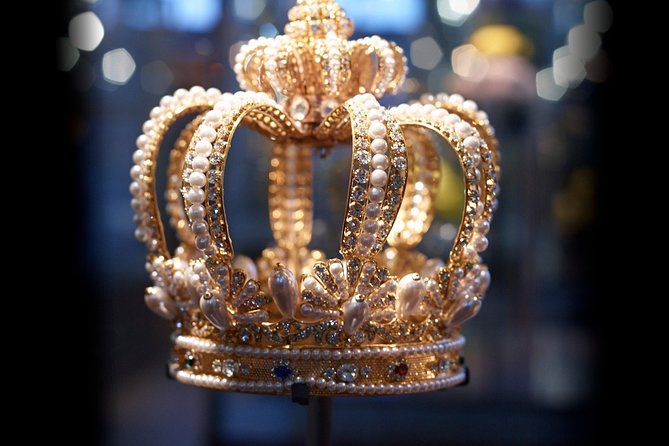
The biggest visual payoff comes from the royal-jewel side. The museum features diamond-encrusted artifacts tied to kings, crowns, and high-status jewelry. If you like royal history or just enjoy seeing craftsmanship at its most extreme, this section is the one you’ll keep thinking about after you leave.
You’ll also come across a few truly nerdy (in a good way) details:
- The museum highlights that famous stones were cut in Amsterdam, tied to Coster Diamonds polishers.
- It mentions major historical diamonds such as the Cullinan (the largest diamond ever found) and the Koh-I-Noor (often called the mountain of light).
One thing to be honest about: some exhibits are described as reproductions or glass imitations rather than only original stones. That doesn’t automatically ruin the experience. It can still be fascinating, especially when the museum is trying to show shape, scale, and design details. Just know that if you’re expecting the museum to be a room of only original gems, you may find some displays are more “representation” than “real deal.”
The tiny-diamond moment and the van Gogh diamond display
The museum leans into scale tricks—both the huge and the minuscule. You’ll see displays that include the smallest diamond ever cut, which is a great reminder that “diamond” isn’t only about spectacle. It’s also about precision.
There’s also a diamond-encrusted version connected to Van Gogh’s art—described as Starry, Starry Night—which adds a creative bridge between two things Amsterdam does well: museums and masterpieces. If you’re traveling with someone who loves art but doesn’t want a purely art-history day, that crossover can help keep everyone interested.
Watching stone polishers and goldsmiths: what the craft section really gives you
A key promise of the museum is that you can watch professional stone polishers and goldsmiths at work creating modern, high-carat pieces. In practice, what that means for you is the craft becomes a show, not just a caption.
When the polishing and setting explanation is working well, it’s the part that changes the whole mood of the visit. Seeing the work steps (even if it’s not a long hands-on workshop) helps you appreciate why diamonds need more than just a shiny idea. There’s careful shaping, timing, and finishing involved.
One consideration: some visitors expected live demonstrations that go beyond what they saw. In other words, the experience may feel more like film plus explanations than a full cutting/setting performance. If that’s the reason you’re interested, keep your expectations flexible and treat the craft section as a “watch and learn” rather than a full show-length workshop.
You can also read our reviews of more museum experiences in Amsterdam






Your 60–120 minute walk-through: film, displays, and the diamond heist game
Most visits are fast in a good way. After you enter, you typically start with a brief film, then move through the displays at your own pace. That “film first” approach matters because it sets a common baseline, so later galleries (valuation, origins, famous stones) make more sense.
Then the museum adds energy with a game. The diamond heist game is described as genuinely fun—some people compare the action vibe to Mission Impossible-style set pieces. There’s also mention of a second building or nearby area showing diamond polishing, and one review says access was included to a diamond factory two doors down. That extra access might not be guaranteed for every ticket, but it’s worth checking what your specific entry includes when you book.
One practical note: the museum is described as small and cramped by at least one visitor. If you get stressed by narrow aisles or slower-moving groups around displays, plan extra time for the busiest gallery sections.
Price and value: is $72 a smart buy?
At $72, this ticket sits in the higher end of “fun museum” pricing. So I’d judge it less by the sticker price and more by what kind of traveler you are.
Here’s when the value feels strongest:
- You like explained science and history, not just visual sparkle.
- You want the royal-jewels angle, including crowns and iconic named stones.
- You’re curious about craftsmanship and what polishers/goldsmiths do.
- You’re the kind of person who enjoys a short, focused museum visit instead of a half-day crawl.
Here’s when it may feel pricey:
- You need the experience to be very interactive or highly hands-on.
- You’re mainly chasing “the most real diamonds possible,” with minimal replicas.
- You’re unlucky with the audio-visual system, since some visitors report broken listening devices or outdated media.
Also remember the time value. If you’ll be in the Museumplein area anyway, the location makes it an efficient add-on. You’re paying for a specialized museum experience, not for the commute.
Booking and entry hiccups to plan for (especially QR codes)
The Diamond Museum Amsterdam experience is simple when everything works. But a few issues pop up in the details you should keep in mind before you go.
Here are the most common friction points mentioned:
- QR code / ticket access problems: One review says it wasn’t possible to get the QR code or the tickets before the event, which caused confusion.
- Scan code email issues: Another review reports they didn’t receive a scan code email, leading to a long delay while staff tried to locate the booking.
- Audio-visual device problems: Some people mention listening devices were broken and that some content seemed mislabeled or outdated.
My practical advice: screenshot your confirmation and keep the booking details easy to access offline. Arrive with the exact name you booked under and the date/time you selected. If your phone battery is low, this is one of those “don’t gamble” moments.
Accessibility and language: what to watch for
You might assume a high-tech craft museum is always easy to navigate. In reality, one review says the building is small and cramped and can be hard for people with physical challenges. If that’s you (or someone you’re traveling with), it’s worth budgeting for slower movement and less elbow room around exhibits.
Language support also comes up. One review states there was no French booklet and that staff support was limited. That doesn’t mean you’ll have a bad time without French, but if you strongly prefer written materials in a specific language, plan to rely on your own device translation or on the museum’s available media.
Who this ticket is best for
This experience tends to fit well if you’re:
- A museum hopper who wants something different from paintings
- A fan of jewelry craftsmanship and the nuts-and-bolts behind sparkle
- Traveling with kids or teens who like games in the middle of museum time
- Curious about how diamonds are formed and what drives their market value
It may not fit as well if you’re:
- Only interested in original, rare diamonds with no replicas
- Expecting a long, live cutting or setting demonstration
- Sensitive to broken audio devices or outdated media
Should you book the Diamond Museum Amsterdam ticket?
I think it’s a solid buy if you’re curious about how diamonds go from deep-earth geology to real-world pricing and design, and you want a high-shine gallery with a royal-jewels payoff. The combination of craft viewing, the diamond history/value narrative, and a game element gives it more variety than a typical one-room museum.
If you’re on the fence because of the higher price, use this filter: if you’d enjoy a 1–2 hour specialty museum that mixes science, royalty, and craft, book it. If you’re mainly hunting for hands-on cutting demos or you know you’ll feel frustrated by audio-visual glitches, consider swapping it for another museum on your list.
FAQ
Where is the Diamond Museum Amsterdam located?
It’s at Museum Square (Museumplein), located between the Rijksmuseum and the Van Gogh Museum in Amsterdam.
How long does the visit usually take?
Most visits run about 1 to 2 hours.
What is included in the $72 ticket?
The admission ticket includes entrance to the Diamond Museum Amsterdam.
What is not included with the ticket?
Food and drinks are not included, and there is no hotel pickup or drop-off.
What are the opening hours?
The museum is open daily from 9am to 5pm, including weekends and holidays.
Is public transportation nearby?
Yes, the museum is near public transportation.
Is there anything beyond static displays?
Yes. The experience includes viewing professional stone polishers and goldsmiths at work, plus there is a diamond heist game element.
Can I run into problems with QR codes or entry scans?
Some visitors report trouble getting the QR code or not receiving a scan code email, which caused delays at entry. It’s smart to keep your booking confirmation details handy.
Can you cancel for a full refund?
Free cancellation is available up to 24 hours in advance for a full refund. If you cancel less than 24 hours before the start time, the amount paid is not refunded.