
REVIEW · AMSTERDAM
Outside Escape Amsterdam with your friend(s) and have fun!
Book on GetYourGuide →Operated by Outside Escape VOF · Bookable on GetYourGuide
Amsterdam turns into a puzzle when you walk it. Outside Escape is a smartphone city escape that takes you through famous sights and quieter corners, using Rembrandt as the story engine. I like that it’s built for different skill levels—easy, average, or challenging—so you can match the vibe to your group, not force everyone to “power through.”
What really sells it is the hands-on format: you solve riddles as you go, with free hints and help at set times, so the game stays fun instead of frustrating. The only real drawback is that you’re dependent on your phone battery and mobile data, so plan ahead with a charged device and signal.
In This Review
- Key things to know before you play
- A smartphone city escape built around Rembrandt’s story
- The best part: it makes you notice details
- Where the route starts and ends: Rembrandthuis to Paleis op de Dam
- How the game works: login, timing, and using hints
- The support system keeps you from getting stuck
- Difficulty levels: easy, average, challenging
- Free hints are part of the balance
- The “Rembrandt Robbery” mystery: what you’re solving
- You can also pause for culture or a snack
- Price and value: $29 per group for a full 1-day game
- Who Outside Escape Amsterdam fits best (and who might not)
- Practical tips so the game feels smooth
- Bring the right phone setup
- Keep your team together
- Use the servicedesk support wisely
- Should you book Outside Escape Amsterdam?
- FAQ
- How long is Outside Escape Amsterdam valid?
- Where do you start and finish?
- Do you need a reservation for a specific time?
- What do I need to bring?
- What’s the group size?
- Is it suitable for kids?
Key things to know before you play

- Rembrandt-themed mystery built around a stolen painting plot in Amsterdam
- Choose your difficulty (easy, average, challenging) to fit your group’s pace
- Free hints keep the game moving when a clue feels stuck
- Servicedesk support runs during sunrise and sunset hours
- Small teams up to 6 with a flexible start time after you get your login
A smartphone city escape built around Rembrandt’s story

If you want Amsterdam without the usual “watch and move on” routine, Outside Escape is a smart swap. Instead of following a scripted route, you’re guiding yourselves through the city with riddles tied to real local history. The result feels like sightseeing with a purpose: look closer, read the room, and connect what you see to the clues in front of you.
The big hook is the Rembrandt Robbery storyline. Someone steals Rembrandt van Rijn’s painting The Conspiracy of the Batavians under Claudius Civilis, and your job is to return the work and figure out who’s behind it. That plot gives the day structure, so you’re not wandering aimlessly or trying to “guess” what matters in the city.
I also like that the game doesn’t only aim at big-name landmarks. The setup is designed to lead you to both famous sights and lesser-known spots, which is exactly what you want if you’ve been to Amsterdam before—or if you just don’t want to spend a whole day in the same photo line.
You can also read our reviews of more tours and experiences in Amsterdam.



The best part: it makes you notice details
The puzzles are the kind that nudge you to pay attention. You’ll be reading, comparing, and deciding. That simple action changes how you experience a city. Amsterdam stops being “a place I’m at” and becomes “a place I’m solving.”
The structure also tends to keep groups from splitting into two travel modes—one person wants history, one wants selfies. Here, both happen because the game asks for both observation and action.
Where the route starts and ends: Rembrandthuis to Paleis op de Dam

Your adventure starts at Rembrandthuis on Jodenbreestraat 3, a short 15-minute walk from Central Station (parking nearby). That’s a strong first location for this kind of game. You’re in the right neighborhood theme-wise from the moment you begin, and the Rembrandt angle feels grounded, not tacked on.
The finish is at Paleis op de Dam. End points matter for these games. You don’t just drift back to where you started. You get a clear destination that also happens to be one of Amsterdam’s headline sights.
One practical consideration: this is a city-center walking day. Even if the game doesn’t publish turn-by-turn stop names beyond the start and finish, you should plan for decent walking and narrow streets. Wear comfortable shoes and keep an eye on your phone screen while you move.
How the game works: login, timing, and using hints

Outside Escape runs on your schedule. After you book, you’ll receive an email with a login link and access code. Then you can start whenever you choose—you don’t need to reserve a specific hour ahead of time.
You also don’t need a guide physically walking with you. Instead, you use the game on your smartphone. That makes the experience flexible and often better for mixed groups, because you can pause, regroup, or move at your own rhythm.
The support system keeps you from getting stuck
Two things help maintain momentum:
- Free hints if you need nudges
- A servicedesk during sunrise and sunset
That last detail is more useful than it sounds. It means there’s human support available during key parts of the day when many people like to walk, even if you chose a later start time.
Still, you should treat this like an interactive game, not a guided tour. If you hate clue-based travel, this could feel like work. But if you like solving anything—wordplay, observation challenges, logic—you’ll probably have a great time.



Difficulty levels: easy, average, challenging
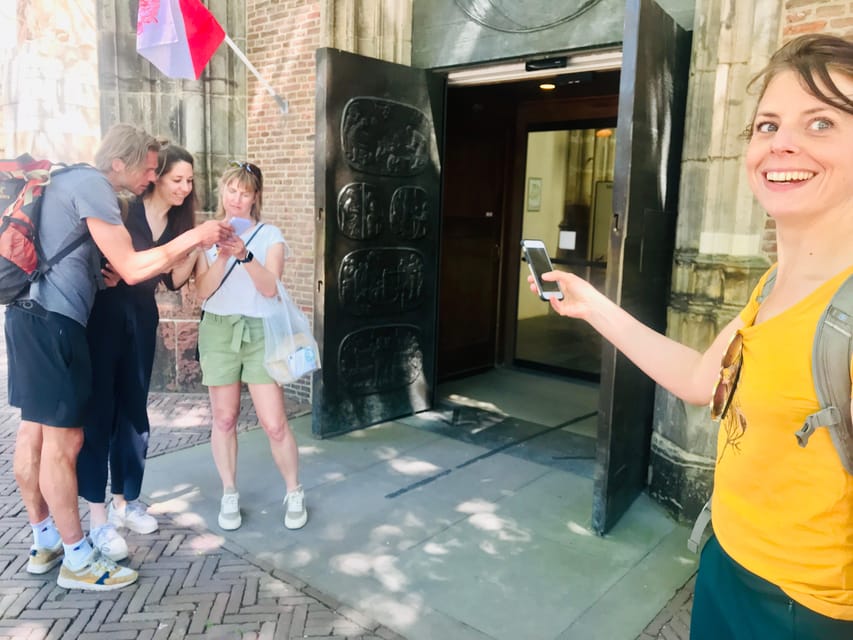
One of the most praised parts of this experience is that the difficulty feels just right. The game offers three levels: easy, average, or challenging, so you can tune it to your group.
Here’s how that can help you in real life:
- Pick easy if your group includes kids-to-adults who are new to escape games, or if you want more sightseeing than “puzzle time.”
- Pick average if you want a steady rhythm of clues and breaks.
- Pick challenging if you’d rather spend time thinking than speeding through.
The value is that your group isn’t forced into one style. You choose it up front, and the game stays enjoyable rather than becoming either too trivial or too punishing.
Free hints are part of the balance
Some city games provide hints only when you pay. Here, hints are free, which changes the feel of the day. You can keep the story moving even when a clue takes you a couple wrong turns. That makes it easier to stay in a good mood and finish feeling satisfied.
The “Rembrandt Robbery” mystery: what you’re solving
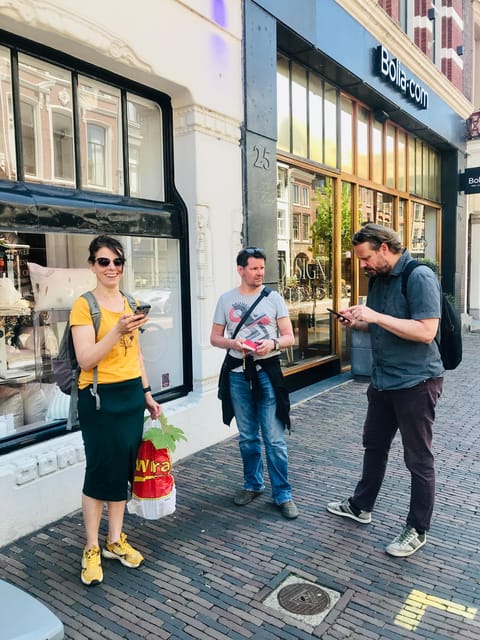
The storyline is simple: a painting is stolen, and you’re racing to fix the situation and identify who did it. The twist is that you don’t solve it in a museum room with a docent talking at you. You solve it while walking and noticing.
The painting at the center of the plot is Rembrandt van Rijn’s The Conspiracy of the Batavians under Claudius Civilis. That’s specific enough to anchor the mystery. It’s also a reminder that Amsterdam history often connects to art in a very practical way—artists, patronage, and city life all overlap.
Along the route, you’ll learn about Rembrandt’s life and works in Amsterdam while answering riddles. So the “why” of each location ties into your clues, not just a trivia card.
I like that the mystery is local and story-driven. It gives you a reason to pay attention, and it turns normal city wandering into a game you can point to and say: we figured that out.
You can also pause for culture or a snack
You’re not locked into a “no breaks” experience. There’s a nice built-in flexibility: you can choose to visit a museum or stop by in a local cafe during the tour.
That’s practical. Amsterdam days can run long, especially if you’re combining walking with a puzzle day. A cafe stop can become your reward moment after a tricky section, and a museum visit can deepen the Rembrandt theme if you feel like going further.
Price and value: $29 per group for a full 1-day game
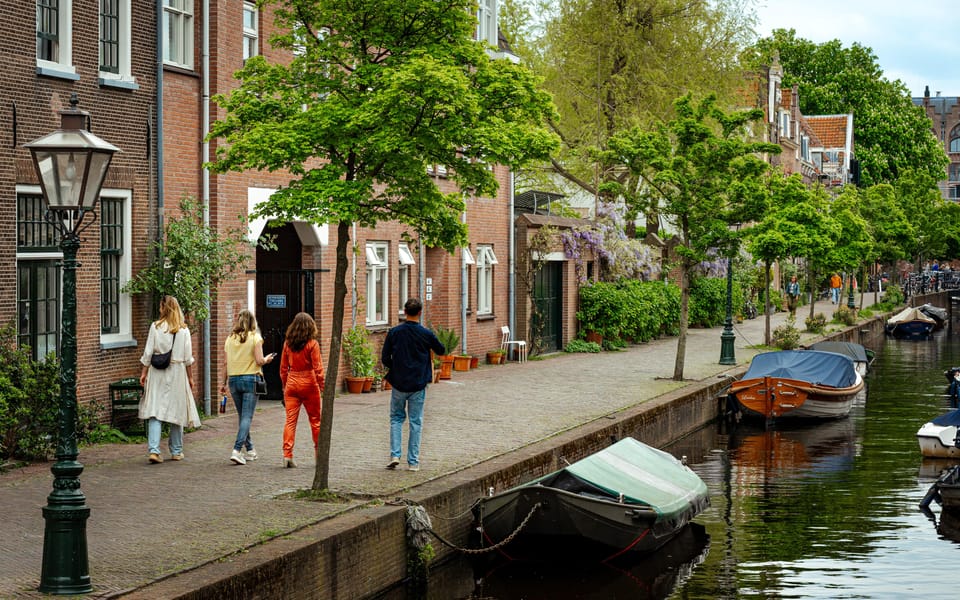
Pricing is refreshingly straightforward: $29 per group, with the listing noting up to 999. The key thing for value is that it’s not priced per person in the same way many small-group activities are.
That makes a big difference if you’re traveling as a pair, a couple, or a small team. Even if you split up at a cafe, you’re sharing the same device-based experience and solving together.
Also, the company notes small groups: limited to 6 participants. That lines up with the idea that you’ll work as a real team, not as a crowd.
One more value angle: you get a full 1-day validity window from your first activation. So you’re not stuck thinking, we must finish before noon or we waste money. You have flexibility to fit your Amsterdam rhythm.
Who Outside Escape Amsterdam fits best (and who might not)

This is a strong match if you want:
- A hands-on way to see Amsterdam and learn as you walk
- The right kind of challenge—easy, average, or challenging
- A self-paced experience with optional support and free hints
- A day you can enjoy as a team of up to 6 people
It’s also ideal if you dislike “lecture tourism.” You’re not receiving long explanations all day. You’re doing the work and learning in the process.
It may not be your best fit if:
- You don’t like puzzles or reading clues while walking
- Your smartphone battery is unreliable or you won’t have mobile data
- You’re traveling with children under 12, since it’s listed as not suitable for them
Practical tips so the game feels smooth

Here are the things that make the difference between a good day and a mildly annoying one.
Bring the right phone setup
You need a charged smartphone for each team. The activity also requires a mobile data plan. This is not a “download once at home and forget” situation in practice, so plan for connectivity and battery.
I’d treat your phone like a small piece of travel gear. Bring a power bank if you have one. Keep the brightness reasonable. Don’t wait until the final hour to charge.
Keep your team together
Because you’re solving a story on screens, it helps to stay coordinated. If you send people off in different directions, you’ll lose time and the clues will feel more confusing than they need to be. The game is easier when you work as one unit.
Use the servicedesk support wisely
There’s help during sunrise and sunset. If you’re spinning your wheels, don’t grind on forever. Step back, read the clue again, and use a hint or service window if you need it.
Should you book Outside Escape Amsterdam?
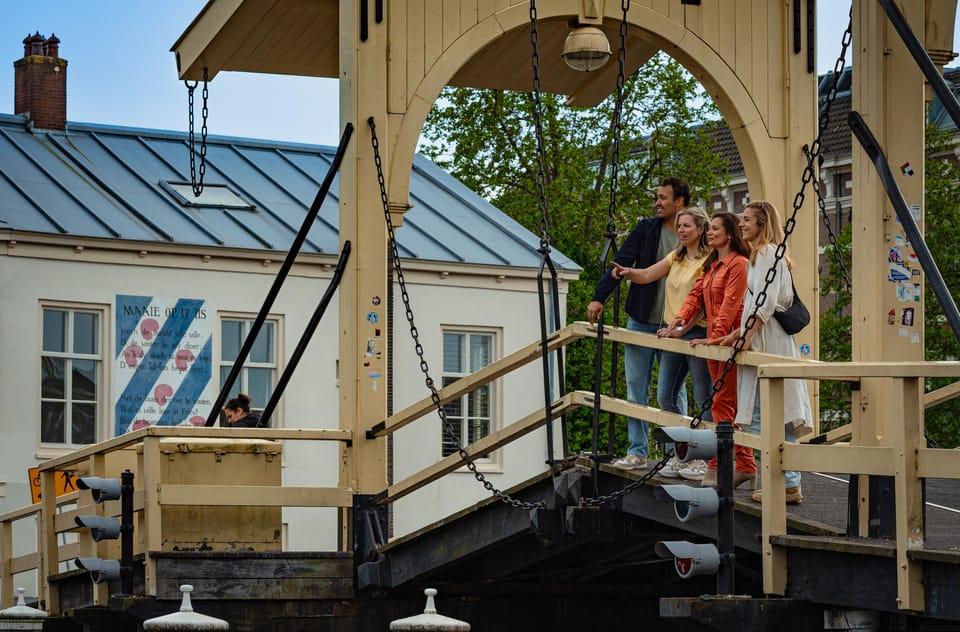
Book it if you want a day that feels like Amsterdam with a mission. The Rembrandt mystery, the puzzle design, and the balanced difficulty options are what make this stand out. If you like interactive travel and you don’t mind using your phone as your guide, this is a fun value play—especially since it’s priced per group.
Skip it if you prefer classic guided touring, or if you don’t want to rely on mobile data and a charged phone. Also, if puzzle-style walking sounds like a headache, you’ll probably be happier with a traditional museum or walking tour instead.
If you’re on the fence, think of it like this: you’re trading a standard itinerary for a solvable adventure. In Amsterdam, that’s often the difference between seeing sights and actually remembering them.
FAQ
How long is Outside Escape Amsterdam valid?
It’s valid for 1 day, starting from your first activation.
Where do you start and finish?
You start at Rembrandthuis (Jodenbreestraat 3) and finish at Paleis op de Dam.
Do you need a reservation for a specific time?
No. After booking, you get a login link and access code and you can start whenever you choose.
What do I need to bring?
Bring a charged smartphone for each team, with a mobile data plan.
What’s the group size?
It’s a small group with a limit of 6 participants.
Is it suitable for kids?
No, it’s not suitable for children under 12.