REVIEW · AMSTERDAM
Your Own Amsterdam: The Art Underground
Book on Viator →Operated by Snurk.Travel · Bookable on Viator
Stations become stories in this art tour. I love how the stops turn everyday walls into clues about Dutch identity, from tulip mania to colonial history, and I also like the private-group feel that keeps the pace human. It’s one of those routes where you start noticing Amsterdam’s choices, not just its landmarks.
One catch: you’ll need to budget for the metro segment costs. The tour doesn’t include the underground metro tickets (9 euros per person), and some stops flag admission as not included too, so check what you’re paying up front.
In This Review
- Key highlights at a glance
- How the Art Underground turns stations into real Amsterdam
- Centraal Station’s art: history, trade, and the stuff behind the selfies
- Rokin Station: where 2,000-year archaeology changes the mood
- Vijzelgracht: Dutch music as a public-art theme
- Nieuwemarkt: old metro lines, local resistance, and how it still shows up
- Noorderpark and Amsterdam-Noord: architecture style meets ecosystem ideas
- What makes it worth the money: the guide’s approach (and Maria’s example)
- Price and metro tickets: do the math before you decide
- Timing and logistics that matter for a smooth 2-hour walk
- Who should book this, and who might not
- Should you book Your Own Amsterdam: The Art Underground?
- FAQ
- What is the duration of the tour?
- Where does the tour start and end?
- Is this a private tour?
- What language is the tour in?
- What is included in the price?
- Are underground metro tickets included?
- Are admission tickets included for every stop?
- How does confirmation work after booking?
- Can I cancel for a full refund?
Key highlights at a glance
- Private tour, only your group keeps questions and pacing comfortable
- Art connected to big themes like Dutch history, trade, and social change
- 2,000+ year excavations around Rokin Station add real depth to the walk
- Music and metro politics show how culture and infrastructure shape daily life
- Amsterdam School architecture and nature-in-art round out the story on the north side
How the Art Underground turns stations into real Amsterdam
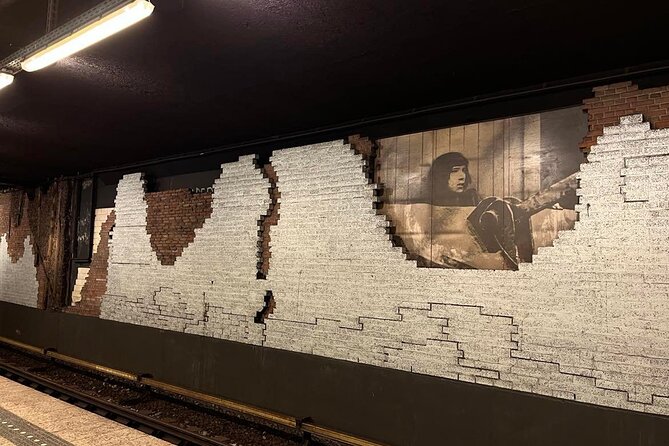
This tour works because it refuses to treat subway stations as leftovers. Instead, you walk through major hubs and side-of-the-city corners and learn how the Netherlands uses public spaces for culture. You’re not just looking at art; you’re being taught how to read a city through art commissions, architecture, and the topics those choices reflect.
The route lasts about two hours and is paced in quick segments (around 15 minutes each). That matters, because it means you get a lot of variety without feeling stuck in one museum vibe. You’ll also be moving between stations, so plan for a light walking/standing tour style rather than a slow sit-and-stare day.
And yes, it’s private. Only your group participates, with a guide who can tailor the flow based on what you’re curious about. If you like your travel with context—why things were built, who influenced culture, and what the city debates—you’ll feel right at home.
You can also read our reviews of more tours and experiences in Amsterdam.

Centraal Station’s art: history, trade, and the stuff behind the selfies
You start at Stationsplein 13a, right by Amsterdam Centraal. It’s one of Europe’s busiest transit nodes, and the tour uses that scale to make a point: when more than ten million people pass through a place each year, art there becomes part of public life, not just decoration.
In this first stretch, you connect the artworks you see to big Dutch themes—local climate, history, tulip mania, the Dutch East-India trade, and even colonialism. The guide is essentially teaching you to ask a simple question: what does the city want ordinary commuters to carry in their heads?
The stop is short (about 15 minutes), so you won’t get a “masterclass on Dutch painting.” Instead, you’ll get a guided sampler of how public art can point to uncomfortable history and economic power as easily as it points to beauty. The tour also notes that admission ticket coverage isn’t included here, so if a specific viewing area requires a ticket, plan to pay that on your side.
Rokin Station: where 2,000-year archaeology changes the mood
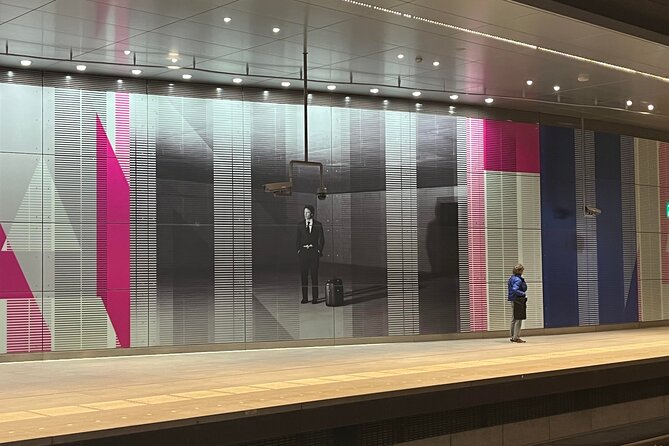
Next comes Rokin Station, and the tone shifts fast. This part centers on archaeological excavations found here—some reportedly more than 2000 years old. That age alone is the wow factor, but what the tour really does well is how it ties ancient remains to stories about Amsterdam’s people and daily life across centuries.
If you’ve ever walked through stations and felt they’re all “modern convenience,” this segment is a correction. You start seeing the city as layered: old ground under new movement, evidence under infrastructure. It’s a reminder that Amsterdam is a city built on continuous change, not a neat museum timeline.
Again, it’s a tight stop (about 15 minutes). And just like the opening segment, the tour flags that admission isn’t included for this part. Practically, that means you should keep a little extra flexibility in your budget for any required ticketed access at the station.
Vijzelgracht: Dutch music as a public-art theme
At Vijzelgracht Station, the tour shifts from deep time to 20th-century culture. This segment focuses on popular Dutch music of the 20th century, using art and station space to show how culture gets embedded into everyday commutes.
It’s a smart choice because it gives you a contrast. After archaeology and trade history, the music theme feels lighter—but still meaningful. You’re still learning how public art reflects what people love, what they debated, and how identity shows up in sound as well as visuals.
This is one of the easier blocks on the schedule: the tour lists it as free in terms of admission. In other words, you can spend your attention on the guide’s connections rather than worrying about another ticket decision mid-tour. The time is still brief (about 15 minutes), so treat it as a guided taste of how art and culture policies can work without turning everything into a classroom.
Nieuwemarkt: old metro lines, local resistance, and how it still shows up
Then you reach Nieuwemarkt, where the topic becomes very real: why the first metro lines in the 1980s met strong resistance from locals, and how those choices still affect life in the city today.
This is the kind of story that makes public transportation feel political—in the best way. Infrastructure isn’t just engineering. It’s decisions about neighborhoods, movement, and what changes get tolerated. When the tour connects that history to present-day urban life, it helps you understand why cities don’t adopt change smoothly, even when the system is “for the public.”
As with Vijzelgracht, this stop is listed as free regarding admission. The segment is about 15 minutes, so you’ll get the main arc without getting lost in technical planning details. Still, you’ll leave with a clearer sense that Amsterdam’s transit story is also a civic story.



Noorderpark and Amsterdam-Noord: architecture style meets ecosystem ideas
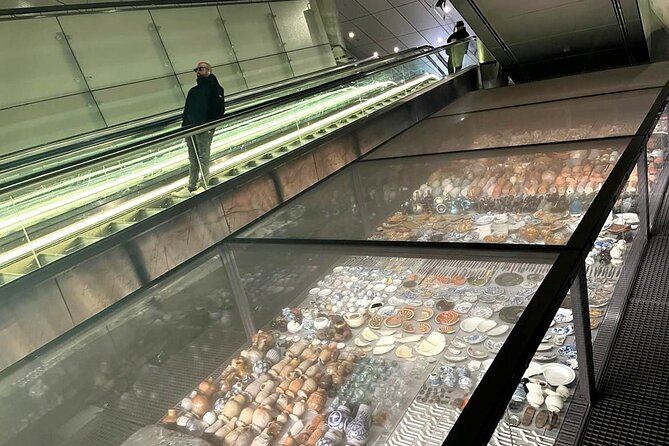
Noorderpark is where architecture enters with confidence. The focus here is the Amsterdam School, a significant architectural style, and its influence on modern architecture and society. If you like noticing design patterns—brickwork, angles, and the “feel” of a building—this stop gives you language to connect style to the people and values that built it.
The tour lists admission as not included for this segment, so keep that in mind if there’s any ticketed access related to the viewing points.
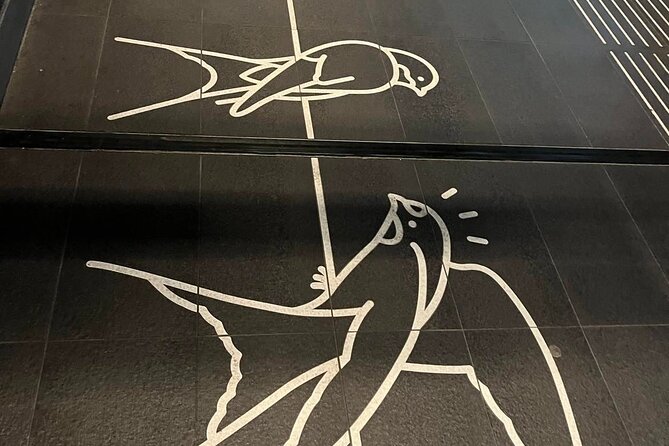
From there, you continue to Amsterdam-Noord, which turns to the natural side of the city. This part centers on the local ecosystem, flora, and fauna—and how those elements show up in public art. It’s a nice finish because it broadens the definition of “art” beyond museums and into how a city thinks about environment.
This segment is listed as free in terms of admission, and it’s around 15 minutes. The payoff is leaving with a more balanced mental picture of Amsterdam: not just trade history and infrastructure debates, but also living nature and how it can inspire public creativity.
What makes it worth the money: the guide’s approach (and Maria’s example)
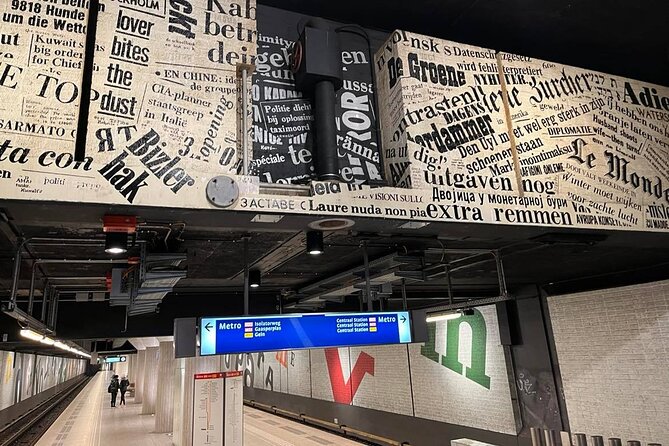
The tour includes a guide, and the guide is the difference between seeing station art and understanding station art. One guide example that stands out is Maria: she’s described as patient and very good at connecting the artwork to the metro’s history, including how the art in public transit spaces gets chosen.
That last detail matters. If you only notice what’s on the wall, you miss the “why.” Learning the democratic angle of choosing art—how public spaces become shared cultural rooms—turns the whole route into a story about civic values, not just decoration.
The same guidance style also helps you pay attention to nearby points of interest, such as references to the de Pijp market area. That’s useful because it means the tour doesn’t end when you step out of the station. It nudges you toward smart next stops that fit the themes you just learned.
Price and metro tickets: do the math before you decide
At $236.59 per person for about two hours, this isn’t a budget activity. But it can still be good value because what you’re buying is a guided route through multiple stations with interpretive context—exactly the kind of thing that’s hard to piece together on your own unless you already know the story.
The big pricing reality is that underground metro tickets are not included. The tour lists them as 9 euros per person. And certain segments flag that admission isn’t included. So the true cost for you may be a little higher once you add those metro and any stop-specific ticket needs.
There is also mention of group discounts. If you’re traveling with friends or family and booking as a group, it may help your per-person cost. If you’re traveling solo and price-sensitive, you might feel the cost more sharply—though the private-group structure can still be worth it if you hate crowd chaos and want thoughtful pacing.
Timing and logistics that matter for a smooth 2-hour walk
The meeting point is Stationsplein 13a, 1012 AB Amsterdam. The tour ends in Amsterdam-Noord, so don’t plan your return tram or train as if you’ll finish back at the start.
It runs about two hours, and each station segment is roughly 15 minutes. That means you’ll get fast context and short guided viewing rather than long breaks or long lines. In practice, it’s perfect for a day when you want a cultural thread without losing half the afternoon.
You’ll also receive confirmation at booking, and you’ll use a mobile ticket. Since the start is near public transportation, it’s easy to anchor this into a broader Amsterdam route—just remember the ending location is on the north side.
Who should book this, and who might not
Book this if you’re the type of traveler who notices details and likes your art with context. You’ll especially enjoy it if you care about Dutch history themes like tulip mania and colonialism, or if you want a transit-focused view of Amsterdam’s public-life choices.
It’s also a good match if you don’t want a traditional museum day but still want more than a basic city-walk. The station setting is the whole point.
You might think twice if you’re expecting a fully ticket-covered experience with no extra metro fees. Because the underground metro tickets are an extra 9 euros per person, your final bill depends on those costs.
Should you book Your Own Amsterdam: The Art Underground?
I’d say yes if you want a private, guide-led way to read Amsterdam through art, architecture, and infrastructure. The combination of archaeology at Rokin, culture themes like 20th-century Dutch music, and the civic “why” behind metro choices makes it more than a quick photo route.
If you like tours where a guide helps you look harder—at station spaces, design decisions, and public art logic—this one fits. Just budget for the metro tickets and any stop-specific admission not included, and you’ll go in with a clear, fair expectation of value.
FAQ
What is the duration of the tour?
The tour lasts about 2 hours.
Where does the tour start and end?
It starts at Stationsplein 13a, 1012 AB Amsterdam, Netherlands and ends in Amsterdam-Noord.
Is this a private tour?
Yes. It’s private, and only your group will participate.
What language is the tour in?
The tour is offered in English.
What is included in the price?
A guide is included, and you’ll get a mobile ticket.
Are underground metro tickets included?
No. Underground metro tickets cost 9 euros per person and are not included.
Are admission tickets included for every stop?
No. Some segments list admission tickets as not included, while others are marked as admission free.
How does confirmation work after booking?
Confirmation is received at time of booking.
Can I cancel for a full refund?
Yes, with free cancellation. You can cancel up to 24 hours in advance for a full refund.