REVIEW · AMSTERDAM
Amsterdam: ARTIS-Micropia Microbe Museum Entry Ticket
Book on GetYourGuide →Operated by ARTIS · Bookable on GetYourGuide
A world this small changes your senses. ARTIS-Micropia turns invisible microbes into something you can see, scan, and even collect as you walk through. It’s in the ARTIS area of Amsterdam, so you’re not traveling across town just to do one quirky museum stop.
I really like the museum’s “show, don’t tell” approach—especially the self-scan where you uncover microbes living on and inside you. I also like the playful system of collecting microbe stamps around the museum, which quietly keeps you moving and paying attention.
One consideration: at around $21 per person, it can feel a little pricey if you’re expecting a huge building full of exhibits. If you’re only mildly interested in biology, you may want to pair it with something else in the ARTIS complex.
In This Review
- Quick hits before you go
- How Micropia makes microbes feel real, not scary
- The best way to plan your “1-day” visit
- Getting there: Plantage Kerklaan and the ARTIS neighborhood
- The entry desk experience: stamps, scanning, and your start point
- The self-scan: seeing microbes on and inside you
- Exhibits built around microscopes, living microbes, and the visible lab
- Collecting microbe stamps: why that little ritual matters
- The Micro Mission during spring break (free, daily, and kid-friendly)
- ARTIS connections: combining Micropia with Groote Museum or the Zoo
- Price and value: is $21 worth it?
- Who should book Micropia (and who might skip)
- Small practical notes that can make your visit smoother
- Should you book ARTIS-Micropia tickets?
- FAQ
- Where is the ARTIS-Micropia meeting point?
- How long is the visit?
- What are the opening hours?
- Are children allowed for free?
- What is the recommended age?
- Does the ticket include ARTIS Zoo or the ARTIS-Groote Museum?
- Are there lab talks during the day?
- Is there a kid activity during spring break?
- What languages are available for hosts or greeters?
- Are there special opening hours on holidays?
- Is ARTIS-Micropia wheelchair accessible?
Quick hits before you go
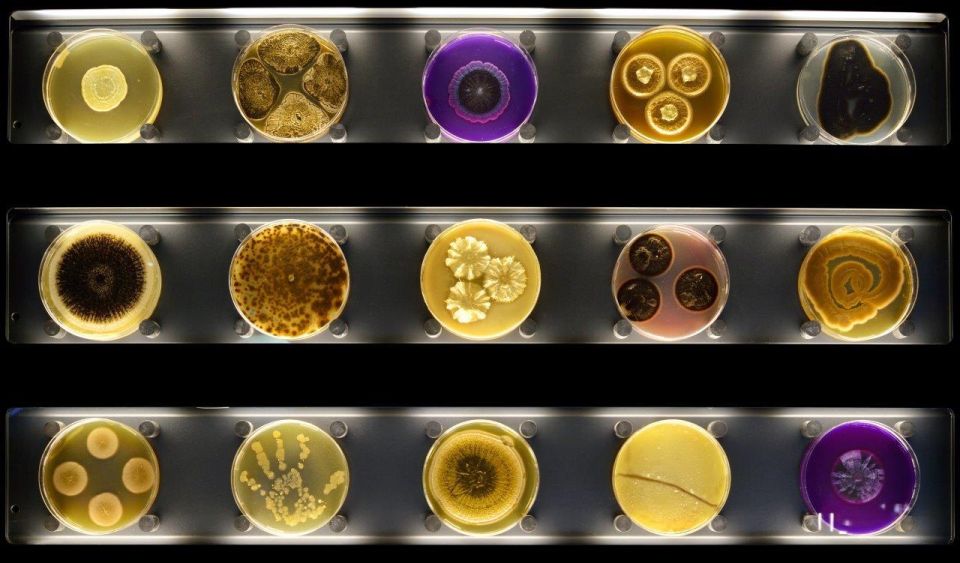
- World’s only microbe museum focused on living microbes and what they do in our world
- Self-scan experience that shows microbes on and inside your body
- Stamp trail you complete as you go, which makes the visit feel like a mission
- Daily lab talks in front of the Laboratorium area (check in once you arrive)
- Spring-break Micro Mission for kids, available daily during that period (free at the ticket desk)
- Set in the ARTIS neighborhood, so it’s easy to combine with other things nearby
How Micropia makes microbes feel real, not scary
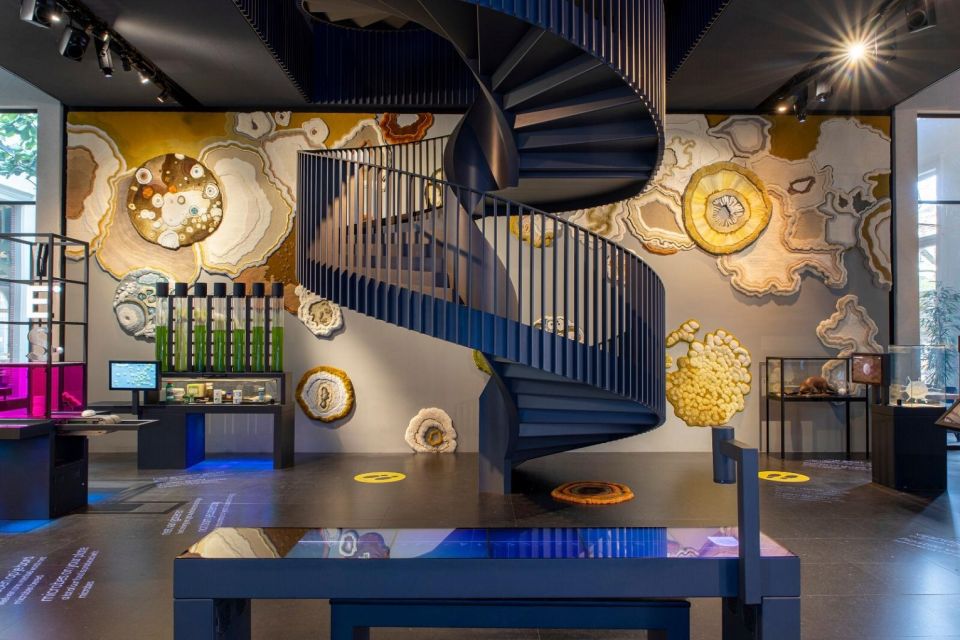
Microbes can sound like a buzzword. Micropia makes them feel practical. They’re everywhere—in the air, on your skin, and in your gut—and the museum keeps circling back to the same idea: microbes aren’t just germs. They help keep balance in nature and they support health in ways you rarely get to see.
The museum uses living microbes, microscopes, and interactive displays to turn invisible life into hands-on learning. The effect is equal parts science lesson and mind-bending reality check. If you’ve ever wondered why mold grows, why food tastes the way it does, or what your gut is doing all day, this place connects those dots in plain language.
You can also read our reviews of more tours and experiences in Amsterdam


The best way to plan your “1-day” visit
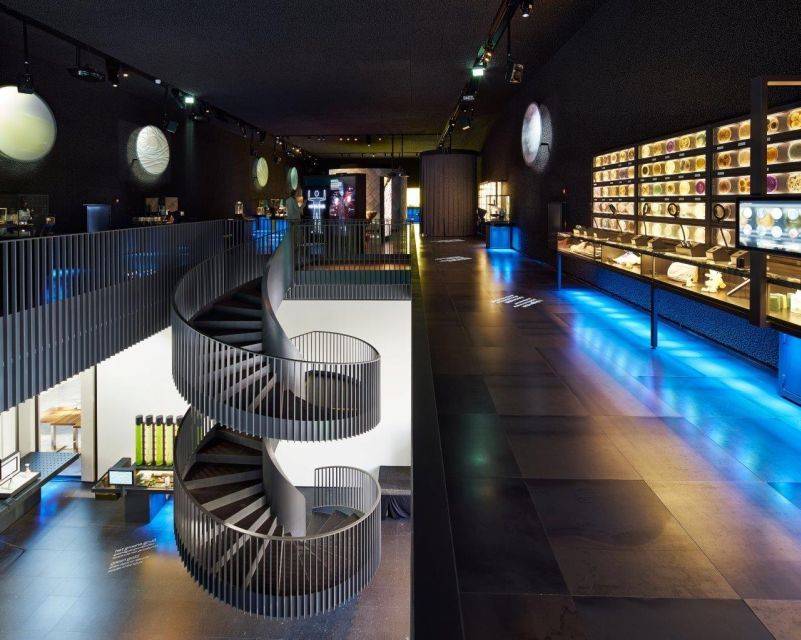
The ticket is valid for 1 day, and the museum is open daily from 10:00 to 17:00. Because you choose a starting time based on availability, think of Micropia as a timed entry experience rather than a “drop in anytime” museum.
In terms of pacing, most visits feel like a short-to-medium museum commitment. People report anywhere from about 45 minutes to closer to 2 hours, usually depending on how much you read and whether you slow down for every interactive station. If you’re traveling with kids, plan more time; if you’re traveling solo and just want the core exhibits, you can move faster.
Also, since it sits by ARTIS, you’re not limited to Micropia. You can build a full half-day or day around it without stressing about transportation.
Getting there: Plantage Kerklaan and the ARTIS neighborhood
Your meeting point is Plantage Kerklaan 38-40, which puts you right where Amsterdam does its best “walk and wander” thing. You’re close enough to the city center that it feels easy to fit in, and the museum sits in the wider ARTIS area.
This location matters more than it sounds. A lot of science stops feel isolated and dull. Micropia, on the other hand, gives you that pleasant Amsterdam intermission—cafes, park space, and the broader ARTIS setting—while you wait for your entry time or after you finish.
The entry desk experience: stamps, scanning, and your start point
Micropia is built like a guided activity even when you’re not following a strict tour route. Once you’re in, you’ll start encountering the mechanisms that make the museum work: interactive stations, exhibits that invite participation, and the stamp system.
Two things to know right away:
- You’ll want to keep an eye out for how the microbe stamps are collected as you move through. It’s part of the fun loop, and it also helps you notice exhibits you might otherwise skim.
- You’ll likely appreciate the presence of helpful staff. People consistently note that the team is friendly and can explain what to expect.
One more practical touch: there are lockers mentioned in visitor feedback. That’s useful if you have a backpack or a heavy coat, because you’ll enjoy the interactive elements more if you’re hands-free.
The self-scan: seeing microbes on and inside you
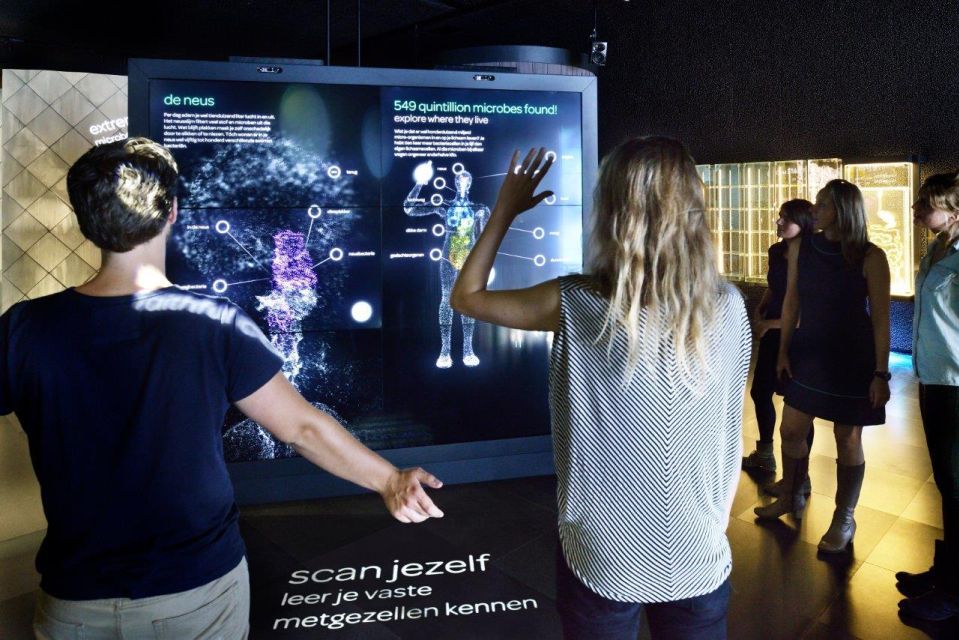
The standout interactive is the scanner that you use to uncover microbes on and inside your body. This is the moment where the museum stops being a lecture and becomes a personal experience.
The setup turns microbiology into a “results” experience. One thing you should be ready for is that the scan can produce results that feel surprising—visitors describe it as sometimes alarming. If you’re traveling with kids, it helps to frame it as learning about your body and the world living on it, not as a scare tactic.
Even if you’re not a science nerd, the self-scan is valuable because it turns abstract learning into something you can react to. You’ll leave with questions like: Why are these microbes here? How do they change with environment and habits? Micropia uses that natural curiosity to push you deeper into the exhibits.
You can also read our reviews of more museum experiences in Amsterdam





Exhibits built around microscopes, living microbes, and the visible lab
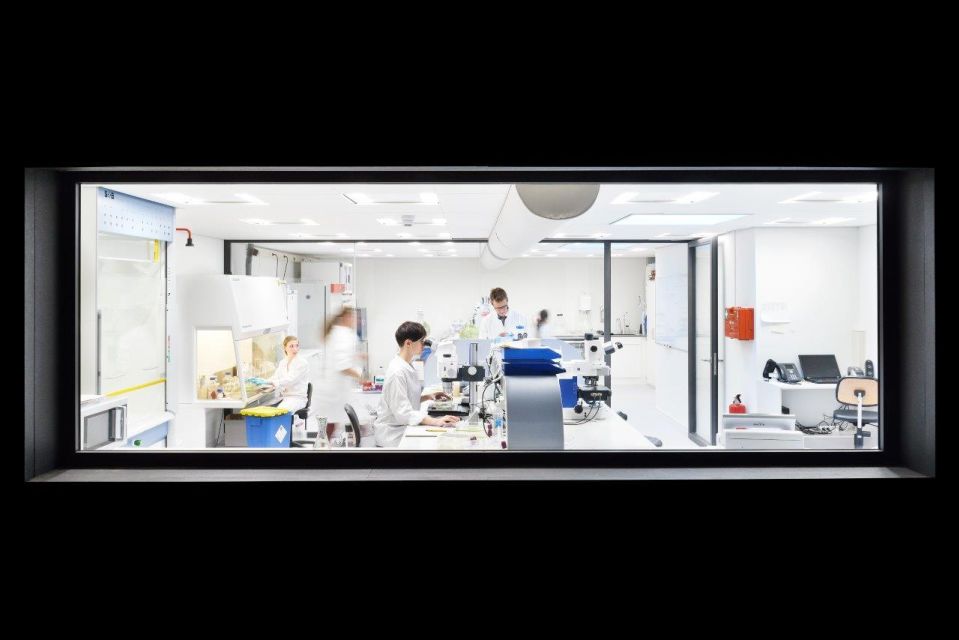
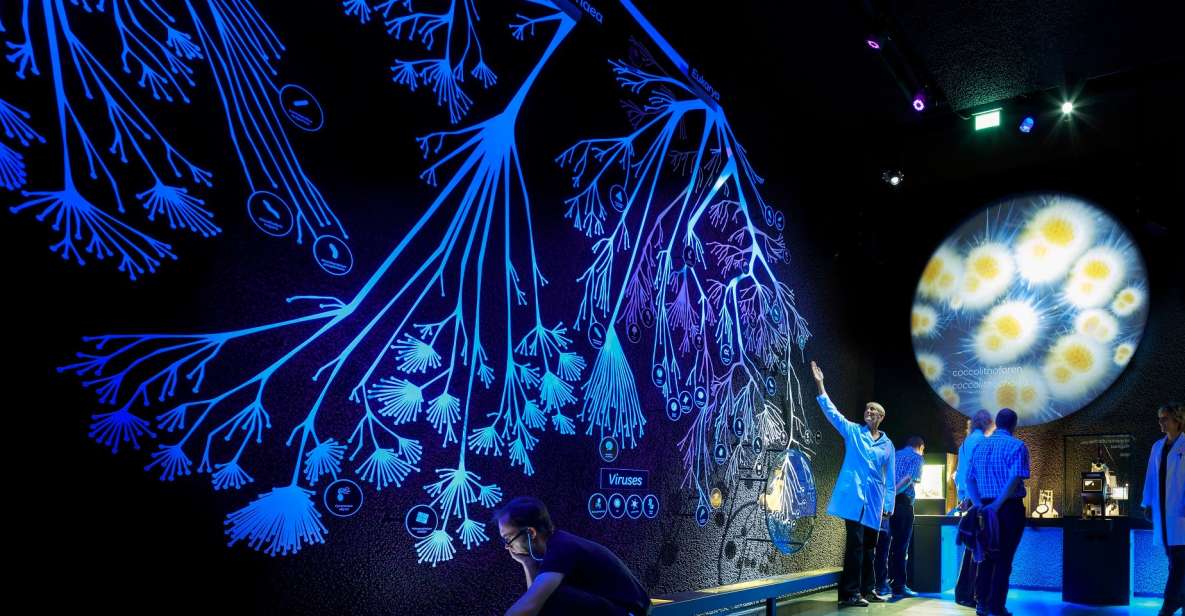
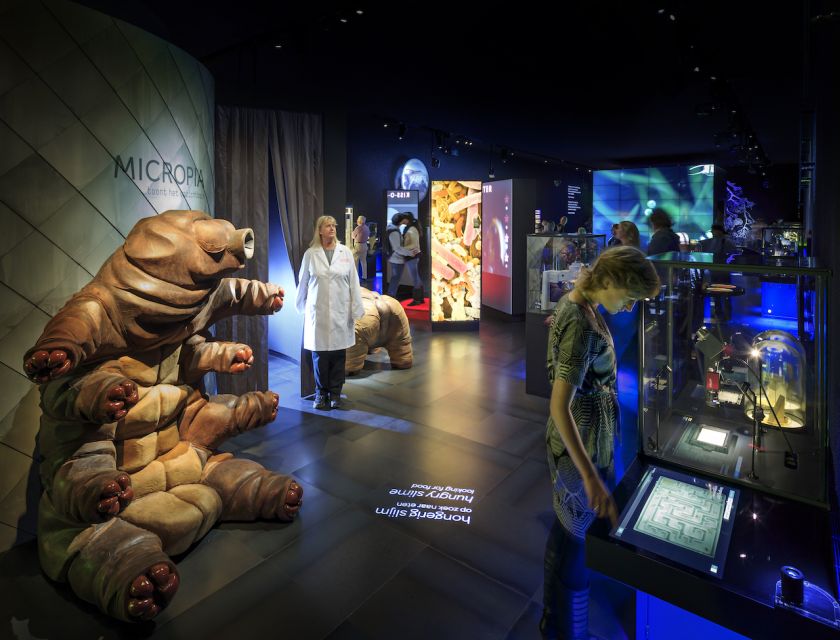
Micropia doesn’t just show diagrams. You’ll encounter living microbes, microscopes, and display setups designed to make the invisible visible. The museum also includes a visible laboratory area you can see as you move through, which helps you connect what you’re seeing to how science actually works.
A major plus is the daily lab talks in front of the Laboratorium. The talks give you a human anchor—a lab technician explaining what’s happening and answering questions. If you like learning directly from people who work in the field, this part is a strong reason to go rather than just view screens.
What you’ll likely enjoy most here is the mix of:
- hands-on viewing tools (microscope-based experiences)
- explanatory display panels that connect microbes to health and nature
- storytelling tied to what microbes do day to day
Collecting microbe stamps: why that little ritual matters
The stamp activity sounds simple. In practice, it changes your behavior inside the museum. When you’re collecting stamps, you tend to read the exhibit labels and spend more time at each station, because you’re working through an informal checklist.
It’s also a great way to manage attention with kids. A lot of museums lose children after the first ten minutes. Micropia’s stamp mission gives them a reason to keep going, and it gives adults an easy way to steer the visit without constantly redirecting.
If you’re traveling with someone who gets bored reading, the stamp system can still make them slow down and engage, because it’s tied to interaction rather than just text.
The Micro Mission during spring break (free, daily, and kid-friendly)
During spring break, Micropia offers Micro Mission, described as a creative workshop and an explorer activity for younger visitors. It’s available every day during spring break between 10:00 and 17:00, and you can pick it up for free at the ticket desk.
Even if your child isn’t into science, this kind of structured activity tends to work well because it frames microbes as part of a larger system. The Micro Mission focuses on how plants, animals, and microbes work together in nature. It also highlights the gut connection, including the idea that gut microbes help digest food.
If you’re visiting in spring break season, this is one of the easiest “value boosts” you can add—because it’s free and it gives kids a clear goal while you enjoy the museum at your own pace.
ARTIS connections: combining Micropia with Groote Museum or the Zoo
Micropia is inside the larger ARTIS ecosystem, and there are options to expand your day. You can add the ARTIS-Groote Museum via a combination ticket, and ARTIS Zoo is also available as a combination option.
That matters because Micropia is specifically about microbes—small, hidden life. If you want the bigger picture of how everything connects, the Groote Museum is designed for that “connected systems” perspective (human, animal, plant, and microbe). If you want your science day to also include more classic nature viewing, the Zoo gives you that outdoor rhythm after your microscope work.
Just keep in mind: this ticket includes admission to ARTIS-Micropia only. Zoo and Groote Museum entry are not included, unless you purchase a combination ticket.
Price and value: is $21 worth it?
At $21 per person, Micropia sits in the “can’t ignore it” category for Amsterdam ticket prices. Is it worth it? For the right traveler, yes, because you’re paying for interactive experiences and for that rare concept: the only microbe museum in the world.
Here’s how I think about value:
- If you enjoy interactive science, you’ll likely feel the ticket price is justified because you have more than just reading and watching.
- The self-scan and stamp trail create a “memory you can’t screenshot,” which tends to matter more than how many rooms there are.
- If you’re expecting a huge museum with lots of time sinks, you might agree with the occasional complaint that the museum feels a little pricey for the amount of content.
You’ll also get additional context through the daily lab talks, which add a live element people seem to appreciate. Those talks can make the visit feel more grounded and less like a static exhibit.
Who should book Micropia (and who might skip)
Micropia is best for:
- families with kids who like hands-on exhibits (the interactive design tends to work well)
- adults who want a real science angle without a biology degree
- travelers who love weird, unique concepts that still teach something useful
The museum is recommended for age 8+, but children up to 12 years old enter for free. If you have little kids, it can still be a good stop, but you should be ready for some “stop-and-explain” moments. If you’re visiting with teens or adults who like microbiology, the museum’s focus will feel tailor-made.
If you’re only lukewarm on germs, gut health, or mold growth, you might find it too niche. In that case, pairing Micropia with a broader ARTIS day plan can help the overall trip feel more balanced.
Small practical notes that can make your visit smoother
A few details can help you have a better time:
- The museum is open daily with specific hours on major dates (more on that in the FAQ).
- Staff are described as helpful and attentive, and that matters when exhibits include interactive steps like scanning.
- One recurring “watch out” item: a visitor noted that the toilets were very dirty. That’s not something you can control, but if restroom cleanliness is a big deal for you, it’s worth keeping your expectations flexible.
On crowd level, some people describe smoother visits when it isn’t too busy. You can’t always predict timing in Amsterdam, but choosing a thoughtful entry time helps.
Should you book ARTIS-Micropia tickets?
Book it if you want a science museum that feels like an activity, not a hallway of facts. The self-scan, the stamp trail, and the daily lab talks make the experience feel more personal and more memorable than typical museum entry.
Think twice if you’re price-sensitive or you prefer museums with lots of “wandering for hours.” If that’s you, pair Micropia with the ARTIS-Groote Museum or ARTIS Zoo using a combination ticket so your day has both micro-world and big-world variety.
FAQ
Where is the ARTIS-Micropia meeting point?
The meeting point is Plantage Kerklaan 38-40.
How long is the visit?
The ticket is valid for 1 day.
What are the opening hours?
Micropia is open daily from 10:00 to 17:00.
Are children allowed for free?
Yes. Children aged 0 to 12 can enter for free.
What is the recommended age?
The recommended age for Micropia is 8 years or older.
Does the ticket include ARTIS Zoo or the ARTIS-Groote Museum?
No. This ticket includes admission to ARTIS-Micropia only. ARTIS Zoo and the ARTIS-Groote Museum are not included.
Are there lab talks during the day?
Yes. There are daily lab talks in front of the Laboratorium.
Is there a kid activity during spring break?
Yes. During spring break, the Micro Mission is available every day between 10:00 and 17:00, and you can collect it for free at the ticket desk.
What languages are available for hosts or greeters?
Hosts or greeters speak Dutch and English.
Are there special opening hours on holidays?
Yes. The hours listed are: 24 December 9:00 to 17:00, 25 December 9:00 to 17:00, 26 December 9:00 to 17:00, 31 December 9:00 to 16:00, and 1 January 10:00 to 17:00.
Is ARTIS-Micropia wheelchair accessible?
Yes, the venue is listed as wheelchair accessible.