REVIEW · AMSTERDAM
MUST DO: Amsterdam’s Red Light District tour with a local
Book on Viator →Operated by Trigger Tours · Bookable on Viator
Night in Amsterdam moves fast.
This 2-hour Red Light District tour heads out after dark with a local guide, so you experience the neighborhood on foot and learn how the city’s oldest structures shaped what you see today. It’s a small group (max 20) and in English, which makes it easy to follow even if you’re new to this part of town.
I love how the guide connects street scenes to Amsterdam’s building reality, from wooden foundations to landmarks you’ll walk past like the Waag and Pub The Ape. I also like the tone from guides such as Ben, Robin, Sander, and Max—serious history, yes, but delivered with stories and practical local context that keeps the walk from feeling like a lecture.
One thing to plan for: it’s mostly walking at night and it’s not recommended for limited mobility. If weather turns rough, sidewalks can be slippery, and the whole experience depends on you being steady on your feet.
In This Review
- Key things I’d mark on your map before you go
- What you’re really signing up for in Amsterdam’s Red Light District
- Price and time: why $31.32 can be good value here
- Meeting point at Geldersekade 2: how to make the first 10 minutes painless
- The route that actually teaches: from Old Town foundations to today’s storefronts
- Amsterdam’s wooden-pole building story (the city built on trees)
- The Red Light District streets: history plus the current situation
- Pub The Ape (Int Aepjen): a surviving wooden landmark
- The Waag: from city gate to guild meeting place
- The smallest house: VOC-era storage to long-term living
- The condom shop: a modern, specific piece of the district
- Guides make or break it: what I’d expect from the best runs
- What you learn about the sex industry without getting preached at
- Walking comfort and practical tips that actually matter
- Who should book this tour—and who should skip it
- Should you book it? My take
- FAQ
- How long is the Red Light District walking tour?
- What’s the price per person?
- Is the tour offered in English?
- Where does the tour start and end?
- Is it a group or private tour?
- What’s included in the ticket price?
- Are food or drinks included?
- Is mobile ticketing available?
- Is it accessible for people with limited mobility?
- Can I bring a service animal?
- What cancellation options are available?
Key things I’d mark on your map before you go
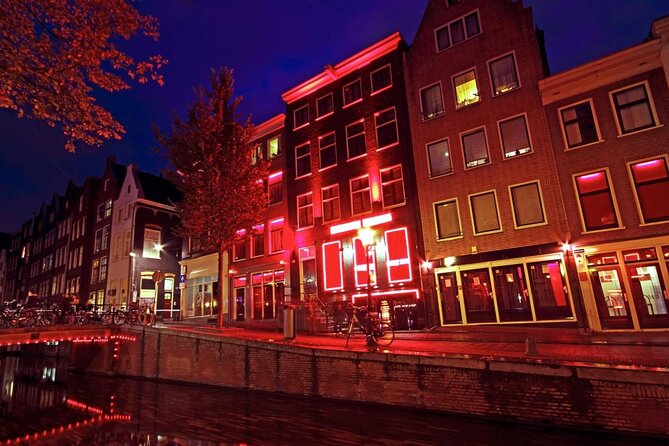
- After-dark walking gives a different feel than daytime strolls in the same streets
- The route ties sex-industry context to Amsterdam’s older city fabric, including wooden-foundation history
- You’ll see standout stops like Pub The Ape (Int Aepjen) and the Waag
- A guide-led format keeps questions possible, and the best runs are led by guides like Ben, Robin, Sander, and Max
- It’s a small group (up to 20), so it’s usually easier to hear and engage
- You’ll finish back where you started around Geldersekade 2, convenient for regrouping after
What you’re really signing up for in Amsterdam’s Red Light District
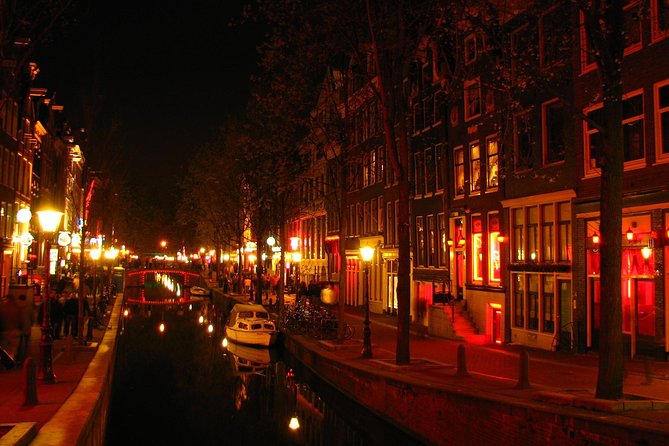
This isn’t a theme-park show. It’s a guided walk through one of Amsterdam’s most talked-about neighborhoods, built on streets that existed long before people started discussing it the way they do now. The big win is that the tour isn’t only about what the area looks like today—it’s about why it looks that way and how the city’s structure, laws, and priorities affected this district over time.
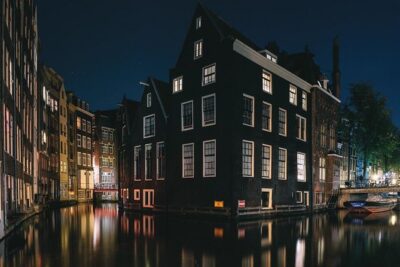
And because you go after dark, the vibe shifts. Daytime feels like you’re sightseeing. Nighttime feels more like you’re living the street—people moving through, the storefront rhythm, the intensity of the place. You still get facts, but you also get atmosphere, which makes the history land.
You can also read our reviews of more tours and experiences in Amsterdam.



Price and time: why $31.32 can be good value here
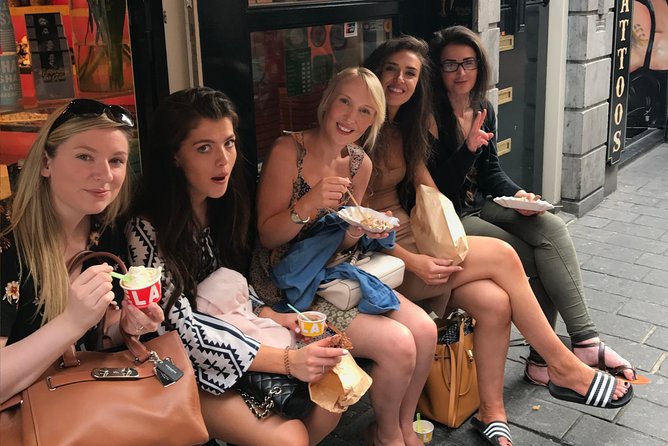
At about $31.32 per person for roughly 2 hours, this is priced like a city-history experience, not like an all-day excursion. That matters in Amsterdam, where logistics can eat hours fast and transit costs add up.
Here’s why I think the value works for many people:
- You get a guided format for a part of the city where context makes a huge difference. Without a guide, it’s easy to either overthink it or miss the city details entirely.
- Two hours is long enough to cover multiple landmarks and still feel like a walk, not a marathon.
- You’re not paying for food, which keeps the price focused on the walking-and-stories part.
It also appears to be in demand—an average booking window of about 47 days suggests it fills up, so if this is on your must-do list, don’t wait until the last week.
Meeting point at Geldersekade 2: how to make the first 10 minutes painless
You start at Geldersekade 2, 1012 BH Amsterdam, and you end back there. That’s helpful because you don’t have to re-navigate across town after the walk.
You’ll also want to plan around the fact that it’s a night walk:
- Wear shoes you’re comfortable standing and walking in for about two hours.
- If rain or icy patches happen while you’re there, take it slow on corners and bridges. One unhappy experience report focused on how difficult icy streets were to handle, so your footing matters.
The tour is mobile-ticket friendly and runs in English, and it’s near public transportation, which makes it easier to slot in with other evening plans.
The route that actually teaches: from Old Town foundations to today’s storefronts
The tour moves on foot through a slice of the Old Town area that’s part of the Red Light District, which means you’re not just seeing nightlife—you’re seeing long-term city patterns.
Amsterdam’s wooden-pole building story (the city built on trees)
One of the most interesting threads in this tour is the idea that Amsterdam’s soil pushed the city to invent its own building method. Because the ground is made up of fen and clay, early builders used wooden poles driven down into deeper layers until they hit solid sand.
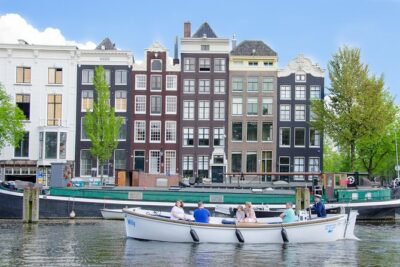
Why this matters to you on the ground: when you stand on narrow streets with old structures, you’re seeing a city shaped by engineering, not just romance. The guide uses this foundation story to help you understand why older buildings feel the way they do—and why the city grew the way it did.


The Red Light District streets: history plus the current situation
You’ll walk the narrow lanes associated with the Red Light District and learn both its historical arc and its current situation. Expect the guide to frame what you’re seeing as something tied to rules, economics, and changing attitudes over time, not just as shock-value sightseeing.
This is also where the tour’s value shows up. The neighborhood can be misunderstood if you only look from the outside. With a guide, you get the “what’s going on and why” layer that turns awkwardness into understanding.
Pub The Ape (Int Aepjen): a surviving wooden landmark
One stop that pops on any walk here is Pub The Ape (Int Aepjen). The building dates to around 1540 and is described as one of the two remaining wooden buildings in Amsterdam. It’s especially striking because of the major fire in 1452, after which the government pushed for more brick-front approaches.
Practical takeaway: if you’re the kind of traveler who likes architecture, this is a moment to slow down. You’re not just hearing facts; you’re standing near a structure that survived the city’s biggest lessons the hard way.
The Waag: from city gate to guild meeting place
Next comes the Waag, once one of Amsterdam’s city gates and part of the defensive wall, built around the 1400s. It later became a meeting area for guilds and craftsman organizations, with guild activity both inside and around the square.
Why you’ll remember it: you’ll see how a building can shift roles as a city changes. Defense turns into trade and craft life. That story is one of the easiest ways to grasp Amsterdam’s growth without reading a book.
The smallest house: VOC-era storage to long-term living
You’ll also hear about the smallest house of Amsterdam, built around the 1700s. It was first used for storage connected to the VOC trading company, and later people lived there for a long time.
This stop works well for curious travelers because it turns a “look at this weird tiny building” moment into a bigger conversation about commerce, space, and everyday survival in older cities.
The condom shop: a modern, specific piece of the district
Finally, you’ll visit a well-known condom-focused shop, in place since 1987. The tour describes it as the world’s first condom shop and notes that you can get custom-sized condoms and various special types.
I’ll be honest: this stop can feel like a tonal jolt compared with the older buildings. But that’s exactly the point. This district isn’t frozen in time. It keeps adapting to modern needs, and that adaptation is part of the neighborhood’s story.
Guides make or break it: what I’d expect from the best runs
The most consistently praised aspect is the guide. People highlight guides like Ben, Robin, Sander, and Max for being engaging, funny, and clear, and for mixing history with real-world context.
What that means for you:
- You’ll get more than dates. You’ll get cause-and-effect: why the city built certain ways, why institutions formed where they did, and why the district looks the way it does.
- The best guides also share local tips after the facts. Some guides are specifically credited for offering recommendations, which can help you keep enjoying Amsterdam after the tour ends.
A fair warning from the less-great experiences: if a group is small but the guide’s audio or pacing doesn’t work for you, it can feel frustrating. Choose this tour when you’re ready to walk, pay attention, and ask questions if something’s unclear.
What you learn about the sex industry without getting preached at
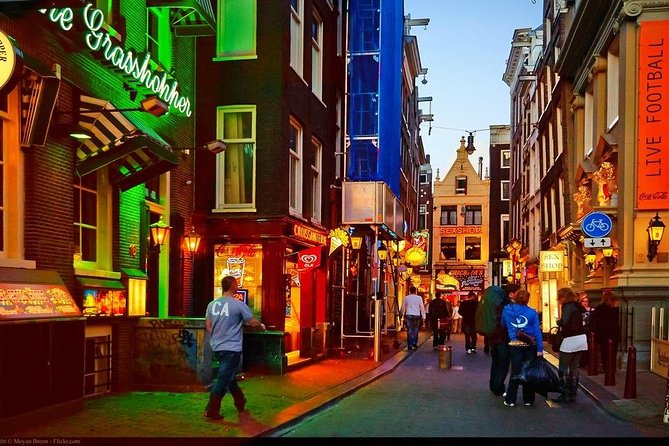
This tour doesn’t treat the Red Light District like a cartoon. Instead, it aims at cultural context: how the area developed, how it operates today, and how it fits into the city’s fabric.
You can expect a blend of:
- historical framing tied to the city’s older structures and civic shifts
- current situation context tied to how the neighborhood functions now
- on-foot explanations that reduce the feeling of being an outsider just watching
If you’re uncomfortable with adult themes, it’s worth checking your own threshold before you book. The tour is meant for adults and handles the topic directly, though it’s still presented through history and culture rather than sensational storytelling.
Walking comfort and practical tips that actually matter
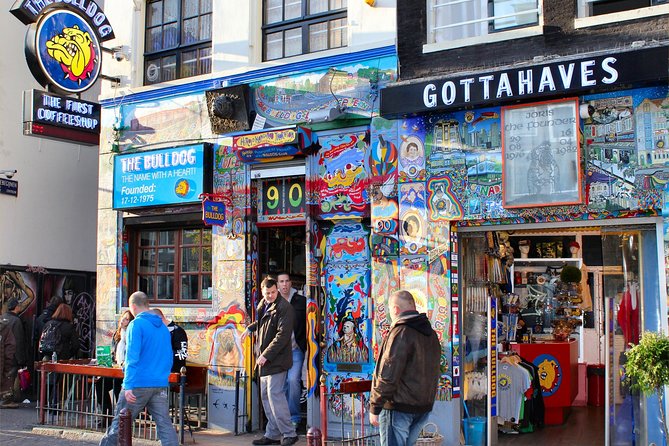
A couple of practical notes based on what can make or break a night walk:
- Bring comfortable shoes. Two hours sounds short until you’re on narrow streets and doing stop-and-listen moments.
- Dress for the weather. Amsterdam weather changes fast, and one low-star experience mentioned icy streets.
- Plan your evening so you’re not rushing to a late dinner right after. You finish back at the start, which helps, but you’ll still want time to decompress.
If you’re sensitive to crowds or public interactions, this kind of walk can feel intense. Going with a guide is often the best way to keep it grounded and respectful.
Who should book this tour—and who should skip it
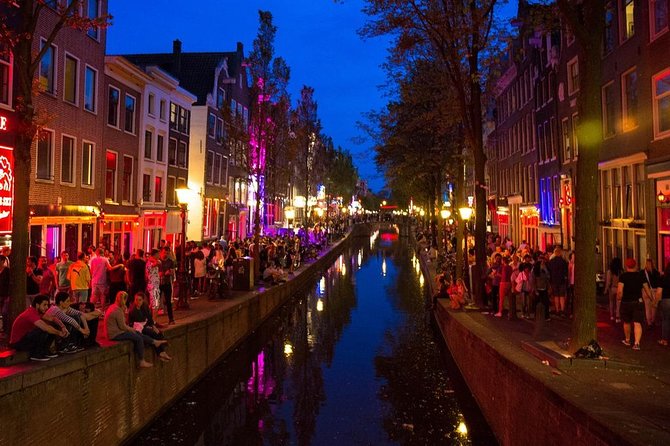
This experience is a strong fit if you:
- want a guided way to understand a controversial neighborhood
- like city history tied to real buildings (not just museum facts)
- enjoy walking tours where the guide tells stories at street level
- are traveling with an adult-minded group and can handle frank cultural context
It may not be a good fit if you:
- have limited mobility (it’s not recommended)
- struggle with walking for about two hours on uneven or wet streets
- want a purely family-friendly vibe (this is adult-focused by nature)
Should you book it? My take
I’d book this if you want a guided, after-dark look at Amsterdam that’s more about context than spectacle. The combination of Old Town building details, stops like Pub The Ape and the Waag, and a guide who can connect old structures to the district’s modern reality is exactly the kind of experience that makes a city feel real.
If you hate walking at night or you’re not steady on your feet, skip it and choose a different format. But if you’re game for a thoughtful street-level evening, this tour is a practical way to understand what you’re seeing—without losing the city in the noise.
FAQ
How long is the Red Light District walking tour?
The tour is about 2 hours.
What’s the price per person?
The price is listed as $31.32 per person.
Is the tour offered in English?
Yes, it’s offered in English.
Where does the tour start and end?
It starts at Geldersekade 2, 1012 BH Amsterdam and ends back at the same meeting point.
Is it a group or private tour?
The experience runs with a maximum of 20 travelers.
What’s included in the ticket price?
The tour includes a 2-hour walking tour.
Are food or drinks included?
No, food and drinks are not included.
Is mobile ticketing available?
Yes, you get a mobile ticket.
Is it accessible for people with limited mobility?
It is not recommended for travelers with limited mobility.
Can I bring a service animal?
Yes, service animals are allowed.
What cancellation options are available?
The experience offers free cancellation as long as you cancel at least 24 hours before the start time.