REVIEW · AMSTERDAM
Amsterdam: ARTIS Royal Zoo and ARTIS Groote Museum Ticket
Book on GetYourGuide →Operated by ARTIS · Bookable on GetYourGuide
At first glance, ARTIS feels like a city zoo you can actually savor. You get the charm of a canal-side setting plus two big experiences in one pass: ARTIS Royal Zoo and ARTIS-Groote Museum, both open daily with family-friendly perks. I’d call out the newborn elephant calves and the hands-on nature exhibits as the two parts that most people end up remembering.
One practical thing to plan for: the combo ticket does not include ARTIS Micropia. If you’re set on visiting the aquarium-of-microbes style attraction too, you’ll need a separate ticket and time.
In This Review
- Key things you’ll notice right away
- A day at ARTIS: how the zoo and Groote Museum fit together
- Entering ARTIS-Groote Museum: Amsterdam’s hands-on nature stop
- Tanja: Up Close and the museum’s personal connection to nature
- ARTIS Royal Zoo: five oldest zoos energy, but in a modern layout
- Newborn elephant calves and the Elephant Expedition
- Kerbertterras, Madagascar, and otters by the red panda habitat
- Planetarium included: when to look up and when to look for night activity
- Price and value: what $55 buys (and what it doesn’t)
- Timing tips: opening hours that affect how you plan your day
- Who should book this ARTIS Royal Zoo and Groote Museum ticket
- Should you book? My honest take
- FAQ
- What is included in the ARTIS Royal Zoo and Groote Museum ticket?
- Is ARTIS Micropia included?
- How long is the ticket valid?
- Where should you arrive to start?
- Are kids free?
- What are the opening hours for ARTIS Royal Zoo?
- When is ARTIS-Groote Museum open late?
- Is the experience wheelchair accessible?
Key things you’ll notice right away
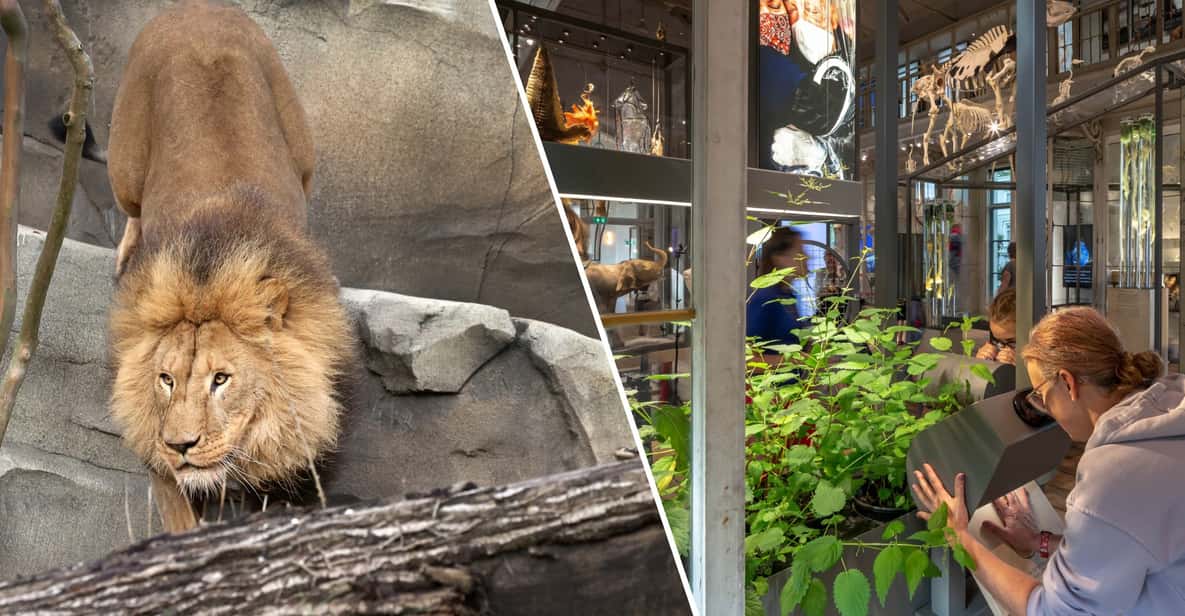
- A canal-side zoo in central Amsterdam: ARTIS sits about 10 minutes from the city center, right by the water.
- New elephant births and special elephant trails: you can follow the foot trails and work through an elephant-themed experience during your visit.
- A mix of big animals and smaller neighbors: elephants, lions, gorillas, penguins, lemurs, turtles, otters, and more.
- Kerbertterras and Madagascar areas: ring-tailed lemurs, red ruffed lemurs, and turtles share space in a renewed area called Kerbertterras.
- Interactive nature museum with senses: the Groote Museum uses touching, smelling, listening, and observing to teach how ecosystems link.
- Planetarium included: you can add a space show without paying extra for a separate ticket.
A day at ARTIS: how the zoo and Groote Museum fit together
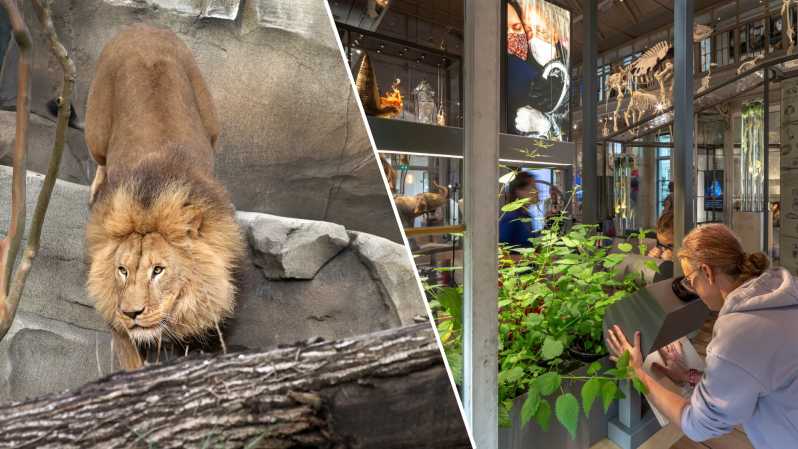
This is a true one-day combo, built for wandering at a comfortable pace. ARTIS Royal Zoo takes you through animal exhibits that range from very classic zoo species to newer, more thoughtfully arranged spaces. Then ARTIS-Groote Museum shifts the focus from animals outdoors to how nature works when you zoom in on humans, plants, animals, and microbes.
You’ll start at ARTIS-Groote Museum (that’s the stated arrival point). From there, you can either stay in the museum longer first, or transition into the zoo soon after you get your bearings. If you’re traveling with kids, I’d plan for more time than you think you need in the museum, because the hands-on areas and activities naturally slow you down—in a good way.
The biggest value of combining these two sites is that they tell the story from two angles. The zoo shows you living creatures in real habitats and familiar viewing routes. The museum asks you to notice the connections you don’t usually think about.
You can also read our reviews of more tours and experiences in Amsterdam


Entering ARTIS-Groote Museum: Amsterdam’s hands-on nature stop

The Groote Museum sits on Artisplein, next to the Chilean flamingos. That placement matters: even before you’re fully inside, you’re already hearing and seeing part of the animal world that the museum talks about.
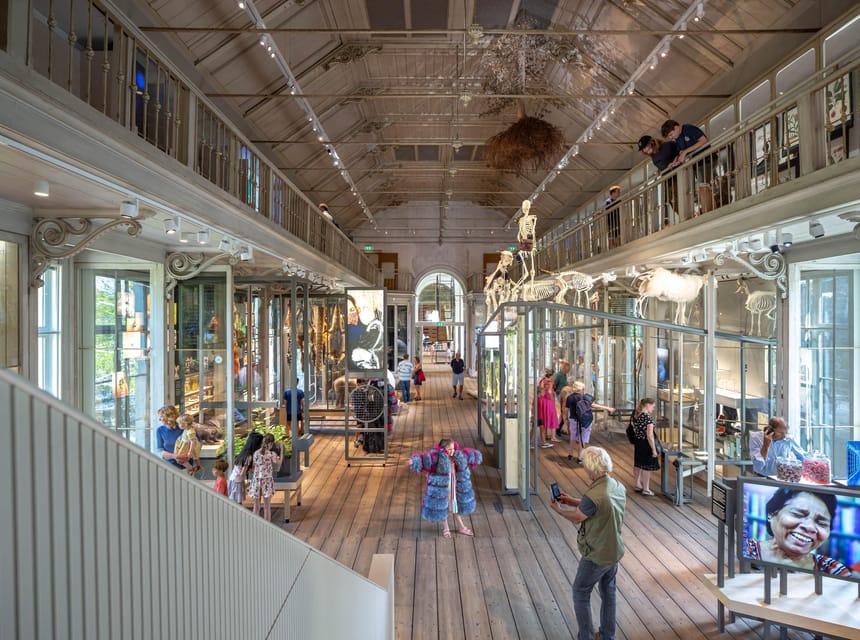
Inside, it’s built for participation. Instead of only reading about ecosystems, you’ll experience them through interactive machines and activities that use multiple senses—touch, smell, listening, and observing. That approach makes the museum feel less like a lecture hall and more like a science and art playground for all ages.
If you like museums that explain the big picture, you’ll appreciate the way this one frames nature as a system that includes humans. The museum highlights how humans, animals, plants, and microbes function together as one ecosystem, and it repeatedly nudges you to compare yourself with other living things.
Tanja: Up Close and the museum’s personal connection to nature
One of the museum’s featured exhibitions is Tanja: Up Close, focused on Amsterdam’s most famous hippopotamus. Even if you don’t know much about hippos, the point here is emotional and practical: you see how one recognizable animal can become a doorway into understanding behavior, needs, and care.
The museum’s overall message is personal: you’re part of nature, not outside it. It uses the idea of similarities between yourself and other animals and plants—sometimes through surprising comparisons. For example, you might learn that trees communicate with each other like neighbors, and you may also encounter the kind of movement pattern comparisons that link babies to other reptiles like crocodiles.
That’s not “wow” science for the sake of it. It’s useful because it trains your eye for patterns. When you later walk through the zoo, you’ll be more likely to notice details like behavior, body shape, and how animals respond to their surroundings.
ARTIS Royal Zoo: five oldest zoos energy, but in a modern layout
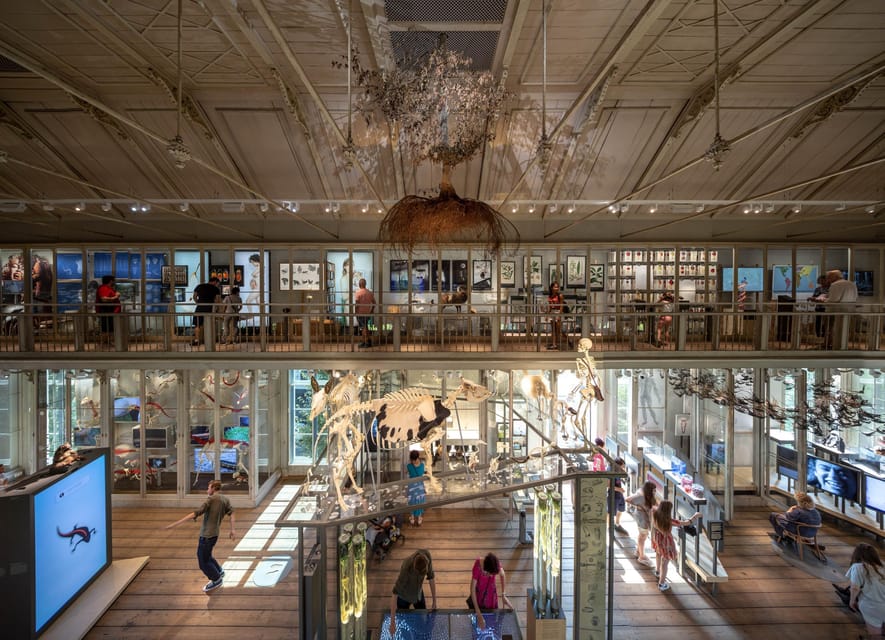
ARTIS Royal Zoo is the oldest zoo in the Netherlands, and it belongs to the group of the five oldest zoos in the world. In practice, that history shows up as a grown-up, garden-like feel and a layout that doesn’t feel like a theme park maze.
The zoo’s location is a big deal, too. It’s directly on a canal, and you get those classic Amsterdam moments—water views, historic-feeling spaces, and paths that lead you through flower gardens and monuments. If you like to walk, this works well because you can take your time without feeling trapped in a fixed “tour route.”
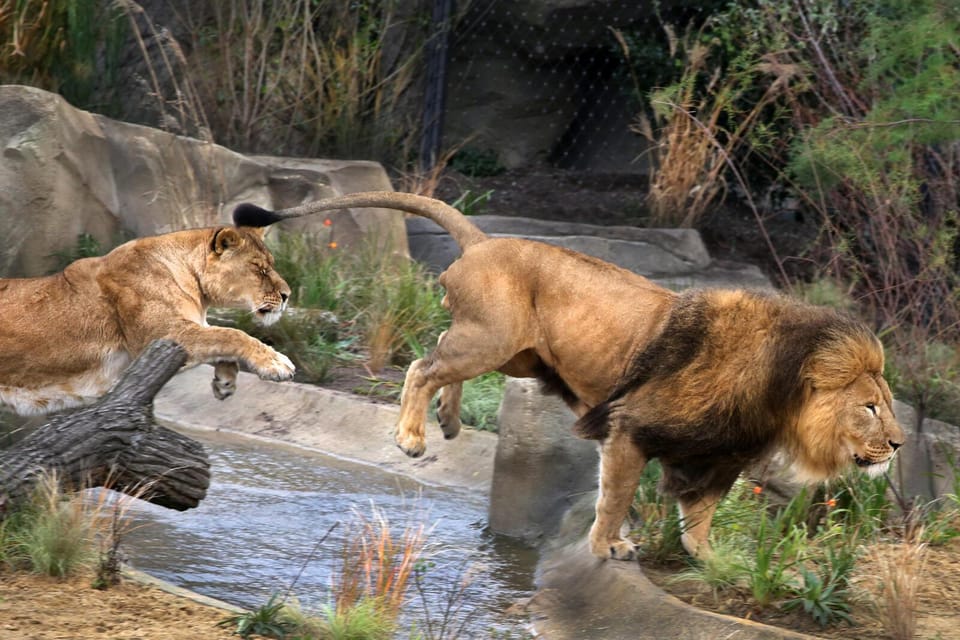
You can expect to see a mix of animals, including Asian elephants, lions, Western lowland gorillas, and African penguins, plus smaller exhibits that are easy to miss if you rush. The trick is to slow down right after you enter. Give yourself time to find the main flow of paths before you start chasing specific species.
Newborn elephant calves and the Elephant Expedition
The elephant experience is the highlight most visitors will point to, and there’s a reason: the zoo has had two elephant calves born, and the space is organized around that story.
You can take part in the Elephant Expedition, follow foot trails, and learn facts about elephants while you work through an elephant-focused experience. The overall design encourages you to look for clues and connect what you see with what you’re learning. You’re not just watching from behind glass; you’re walking a route and making sense of the animals’ behavior.
There’s also a special moment built around the calves playing outside, which is the kind of scene that makes the whole visit feel fresh. Elephant babies aren’t a minor attraction here; they’re a theme that sets the mood for the day.
If you’re traveling with kids, this is a great section to anchor around. Children (especially during school holiday periods) may even craft their own elephant enclosure, which adds a creative break before you move back into animal viewing.
You can also read our reviews of more museum experiences in Amsterdam





Kerbertterras, Madagascar, and otters by the red panda habitat
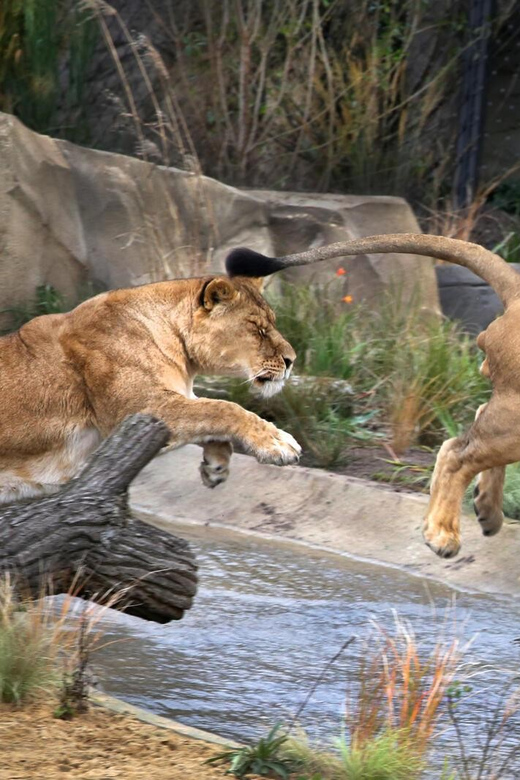
After elephants, the zoo shifts into a pattern that’s more fun if you like variety. One renewed area is Kerbertterras, formerly the lion’s enclosure. The change is the point: it’s now part of a Madagascar-themed setting where ring-tailed lemurs, red ruffed lemurs, and turtles share the habitat.
That trio is a smart pairing for a self-guided zoo day. Lemurs are energetic and visually distinctive, while turtles add a slower rhythm, which helps your brain reset between more active big-animal zones. It’s also a good reminder that a zoo visit isn’t only about the big names. “Small” animals often give you the most personality per minute.
Next, look for the new enclosure of the Asian small-clawed otters, located next to the red panda habitat. This is a practical route choice. Otters and red pandas are both motion-heavy in different ways, so you can learn to spot behavior cues—movement, posture, and how they react to visitors and their environment.
If you like efficient wandering, I recommend treating these enclosures like a mini “track” inside your day. Do them back-to-back so your eyes stay tuned for animal detail.
Planetarium included: when to look up and when to look for night activity
A lot of zoos have an education space. ARTIS adds something extra: the Planetarium, included with admission, where you can take a journey through space. You’ll get stars and planets, plus a chance to zoom out and think about your place in the universe.
I like adding this kind of indoor break mid-day, because it gives your legs a rest and changes your attention. You’ll also come back outside with less urgency, so animal viewing feels calmer.
The other timing idea here is about animal activity. The zoo experience includes the idea of an after-hour walk, designed around the calm that settles over the park and the way animals shift into night activity. That doesn’t mean every animal will be out the whole time, but the concept is solid: evening hours often feel slower and more focused, and you may catch behaviors you missed earlier.
If you’re visiting during a season where late openings are in play at the museum (like Thursday evening), you can use that flexibility to build your day around indoor/outdoor rhythm.
Price and value: what $55 buys (and what it doesn’t)
At about $55 per person for this one-day combo, you’re paying for two separate paid experiences in the same day: ARTIS Royal Zoo plus ARTIS-Groote Museum.
Here’s why that can be good value. The Groote Museum isn’t a quick stop; it’s interactive by design and designed to be experienced with your hands and senses. The zoo covers a large collection and includes a structured elephant experience plus a Planetarium that’s included with your admission.
The trade-off is the one drawback to keep in mind: ARTIS Micropia isn’t included. If microparticles and microbial life are a must for you, plan extra time and budget. If they’re not, this combo still feels full because you’re getting education across scales—from microbes-in-the-museum ideas to real animal behavior outdoors.
Family value can also be strong. The Groote Museum offers free entry for children age 0–12, and ARTIS Royal Zoo offers free entry for infants 0–2. If your group includes kids, that can noticeably improve the math.
Timing tips: opening hours that affect how you plan your day

Because this is a one-day ticket, the clock matters. ARTIS Royal Zoo hours run daily:
- Nov 1 to Feb 28: 9:00 a.m. to 5:00 p.m.
- Mar 1 to Oct 31: 9:00 a.m. to 6:00 p.m.
ARTIS-Groote Museum hours are:
- Daily: 10:00 a.m. to 5:00 p.m.
- Every Thursday: open until 10:00 p.m.
Holiday hours shift too: on 24, 25, and 26 December it runs 9:00 a.m. to 5:00 p.m., on 31 December it closes at 4:00 p.m., and on 1 January it opens at 10:00 a.m. and closes at 5:00 p.m. Plan around those dates if you’re traveling at year-end.
A simple strategy: if you’re there in the morning, get the zoo elephant experience earlier. It tends to set a positive tone, and it’s also when you’re more likely to see calves outside playing. Save the museum for when you want a more relaxed pace—especially if it’s hot, rainy, or you’re traveling with children who need a break from walking.
Also note the zoo is smoke-free, which makes the outdoor spaces feel more comfortable for families.
Who should book this ARTIS Royal Zoo and Groote Museum ticket
This combo ticket suits you if you want a day that mixes animals with learning and you prefer self-paced exploring. It’s especially good for:
- Families with children, thanks to free ages at both locations and hands-on museum experiences
- People who like interactive learning more than passive exhibits
- Travelers who want a central Amsterdam activity that doesn’t require complicated logistics
- Animal lovers who want variety: big cats, gorillas, elephants, penguins, plus lemurs and otters
It’s less ideal if you only want one very specific animal and nothing else. Because it’s both a zoo and a nature museum, you’ll get the most out of it when you enjoy walking through multiple areas.
If you’re visiting Amsterdam mainly for museums like Van Gogh or Rijksmuseum and you want one change of pace, this fits nicely. It also works well as a non-stop day that still feels relaxing.
Should you book? My honest take
If you want a full, satisfying day that combines elephants, a zoo built around big and small animals, and an interactive nature museum focused on your connection to the natural world, I’d book this combo.
Do it with eyes open about one thing: Micropia isn’t included, so don’t plan on that as part of the package. If you want Micropia too, treat it as a separate add-on and decide whether it’s worth the extra time.
Final advice: start at the Groote Museum to get oriented, then spend the morning building your zoo route around elephants and the main animal highlights. If you can work in a late pace (like Thursday at the museum), the day feels even better because it slows down and you get a calmer tone.
FAQ
What is included in the ARTIS Royal Zoo and Groote Museum ticket?
The ticket includes admission to ARTIS Amsterdam Royal Zoo and ARTIS-Groote Museum. The Planetarium is also included with admission during your visit.
Is ARTIS Micropia included?
No. ARTIS Micropia is not included with this ticket.
How long is the ticket valid?
It’s valid for 1 day. You’ll be asked to check availability for starting times.
Where should you arrive to start?
The meeting point is ARTIS – Groote Museum. You should arrive directly there.
Are kids free?
Yes. At ARTIS-Groote Museum, children age 0–12 can enter for free. At ARTIS Amsterdam Royal Zoo, infants age 0–2 can enter for free.
What are the opening hours for ARTIS Royal Zoo?
From November 1 to February 28, it’s 9:00 a.m. to 5:00 p.m. From March 1 to October 31, it’s 9:00 a.m. to 6:00 p.m.
When is ARTIS-Groote Museum open late?
ARTIS-Groote Museum is open every Thursday until 10:00 p.m. (regular hours are 10:00 a.m. to 5:00 p.m. daily).
Is the experience wheelchair accessible?
Yes. The locations are wheelchair accessible, and wheelchairs are available with no reservation required for the zoo.