REVIEW · AMSTERDAM
Dutch Pancake City Centre Canal Cruise
Book on Viator →Operated by Fun Boat Amsterdam · Bookable on Viator
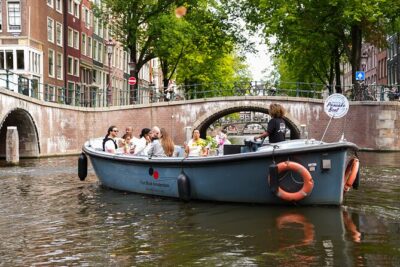
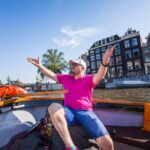
Pancakes on a canal boat feel clever. This Amsterdam cruise mixes UNESCO canal sightseeing with a proper Dutch pancake tasting, so you’re not just sightseeing, you’re eating your way through the old center. You glide past headline spots like the Amstel River, the Skinny Bridge area, Anne Frank House, and the Jordaan, with narration that turns landmarks into quick stories you can actually remember.
I love the combo of on-board narration plus kid-friendly food. It’s an easy way to get oriented fast without walking miles, and the crew-style storytelling keeps the boat from feeling like a slow blob of sightseeing. I also like that the pancakes are part of the experience, not an afterthought—sugar-dusted and made onboard in a way that pulls attention away from the next canal selfie.
One consideration: it’s roughly an hour, so you won’t have long, separate “wander” time at each famous stop. If you want extended photo breaks or long museum-style pauses, this format is more about seeing a lot than lingering deeply.
In This Review
- Quick hits before you board
- Why Amsterdam canals plus Dutch pancakes is such a smart pairing
- Meeting at Leidsekade 101 and making the 10:30 a.m. timing work
- Anne Frank House area: history you can see from the water
- Amstel River and the iconic wooden bridge: where Amsterdam got its name
- Jordaan canals, the 9 Little Streets, and the working-neighborhood vibe
- Houseboats, houseboat interiors, and why the view matters
- Prinsengracht UNESCO stretch and the “expensive bend” facts
- Westerkerk and Westertoren: a Protestant landmark you can spot fast
- Stone bridges, a 1986 opera-and-ballet building, and other city-shape clues
- The pancake tasting: what you should actually expect
- Price and value: is $34.25 worth it?
- Who this canal cruise suits best
- Should you book the Dutch Pancake City Centre Canal Cruise?
- FAQ
- How long is the Dutch Pancake City Centre Canal Cruise?
- Where does the tour start?
- What time does the cruise depart?
- Is there a Dutch pancake tasting included?
- Is the ticket mobile?
- How big is the group?
- Is the tour near public transportation?
- Can I get a refund if my plans change?
Quick hits before you board
- Dutch pancakes on board: this is the signature twist, with a tasting moment built into the cruise.
- Small group size: up to 22 travelers, which helps keep it lively instead of chaotic.
- Top sights, low foot traffic: you cover a lot of canal-side highlights without wearing out your shoes.
- Narration that answers questions: the onboard commentary helps you understand what you’re seeing right now.
- Family-friendly flow: ducks and boats to watch, plus the pancake-making moment to keep kids engaged.
Why Amsterdam canals plus Dutch pancakes is such a smart pairing
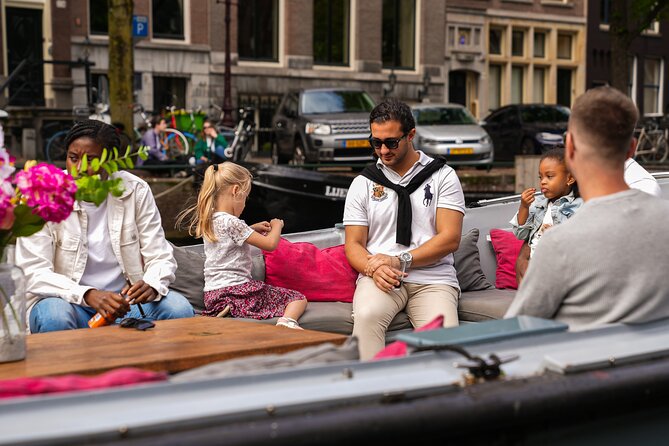
Amsterdam’s canals can feel like a blur if you’re doing them on foot. From one intersection to the next, you’re constantly crossing streets, dodging bikes, and trying to line up photos before the light shifts. This cruise solves that with a simple trade: you watch from the water while the city moves past at a human pace.
Now add pancakes. Dutch pancakes are sweet and comforting, and on this tour they’re not just a snack handed to you at the end. The tasting is part of the rhythm of the hour, which makes it easier to keep everyone happy—especially kids—when the city scenery is interesting but not always “museum quiet.”
The value here is practical. For a little over an hour, you get a guided loop around central sights and a food moment that feels like a real local treat. At $34.25 per person, that’s not bargain-basement cheap, but it’s also not trying to charge a premium only for the boat ride. You’re paying for sightseeing plus the pancake experience in the same ticket.
You can also read our reviews of more boat tours in Amsterdam

Meeting at Leidsekade 101 and making the 10:30 a.m. timing work
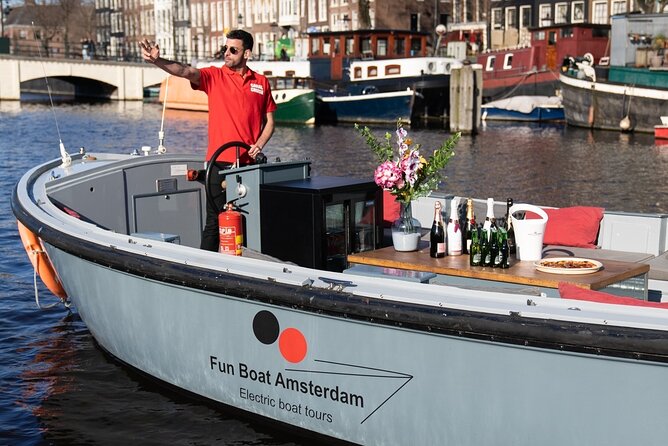
You start at Leidsekade 101, 1017 PP Amsterdam, and the cruise begins at 10:30 a.m. The activity ends back at the meeting point, so you’re not stuck figuring out a new neighborhood for your next plan.
This is the kind of departure time that fits well with a classic first-day itinerary. If you’re arriving in Amsterdam, it helps you get your bearings fast before you commit to longer walks. If you’re already on a schedule, it’s also a nice break between heavier sightseeing—one hour on the water, then you’re free to eat, shop, or wander on foot after.
One practical note: bring a little buffer. The meeting point is near public transportation, which is convenient, but Amsterdam has its share of delays (trams, bikes, tight streets). The crew has a reputation for being accommodating when you’re running late, which is reassuring in a city where plans can get tangled quickly.
Anne Frank House area: history you can see from the water
You’ll pass the area tied to the Anne Frank House, the actual home where Anne Frank and her Jewish family were hiding during the Second World War. From the canal, you’re not staring at a museum entrance for an hour. Instead, you get a moving window view with narration that frames why this location matters.
Why that works: canal-side viewpoints give you context without forcing you into a timed-ticket, deep-dive schedule on the spot. You see the neighborhood energy around a heavy piece of history, and the narration helps you keep the story straight rather than just recognizing a famous name.
A downside to expect with any canal pass-by of major sites: you won’t be doing a slow, respectful stand-still look like you would at the museum itself. If you want a long visit indoors, plan that separately. Think of this as the “your map now makes sense” moment.
Amstel River and the iconic wooden bridge: where Amsterdam got its name
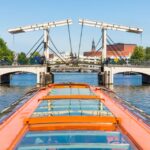
The cruise leans into the Amstel River—and you’ll hear the connection that Amsterdam itself is named for this river system. The Amstel flows from the Amstel to the Damsquare, and that naming history is the kind of fact that makes the city feel less random.
You’ll also get a stop for an iconic wooden bridge over the Amstel River. Bridges in Amsterdam are more than crossings. They’re design statements, city markers, and photo magnets that show you where the city’s nerves run.
Why I like this section: it’s visually strong and narratively clear. The water gives you a steady angle to see river banks and bridge lines, so the stories land faster. And you’ll usually spot boats and ducks in the mix here, which keeps the kids watching instead of spacing out.
Jordaan canals, the 9 Little Streets, and the working-neighborhood vibe

Next, you pivot toward the Jordaan, a neighborhood with a working-class past where many craftsmen lived. On land, Jordaan can feel like a maze of small canals and charming streets. From the water, you get a cleaner overview of how the waterways stitched daily life together.
You’ll also hear about the Lauriergracht, a small canal that connects Prinsengracht with Singelgracht. That’s useful even if you’re not a canal nerd. Knowing the connector canals helps you understand why the neighborhood feels like it has “channels” to move through.
Then comes the shopping detail: the 9 Little Streets, a compact shopping area right next to the Jordaan. The boat view helps you place it in your mind, so when you later walk around, you’re not just wandering—you’re mentally linking what you saw from the canal to where you are on foot.
If you’re traveling with kids, this is a good stretch of the route. The narration gives them questions to ask, and the canal scene itself gives them distractions: ducks, other boats, and the constant motion of waterfront life.
You can also read our reviews of more city tours in Amsterdam

Houseboats, houseboat interiors, and why the view matters
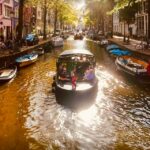
One of the more interesting narration stops is around a point associated with seeing how a houseboat looks from the inside. Amsterdam’s relationship with water is more than canals for tourists—it’s housing, storage, and daily living for many.
Even if you don’t go indoors, the canal perspective changes how you interpret what you see. You start noticing how the waterfront lines up with windows, steps, and mooring areas. And the idea of interior design becomes easier to imagine once you’ve seen the exterior context.
Just keep your expectations realistic: this cruise is about passing and learning, not touring interiors end-to-end. If you want a hands-on houseboat visit, you’ll need a separate activity. Here, you’re building the context so that a future visit actually makes sense.
Prinsengracht UNESCO stretch and the “expensive bend” facts
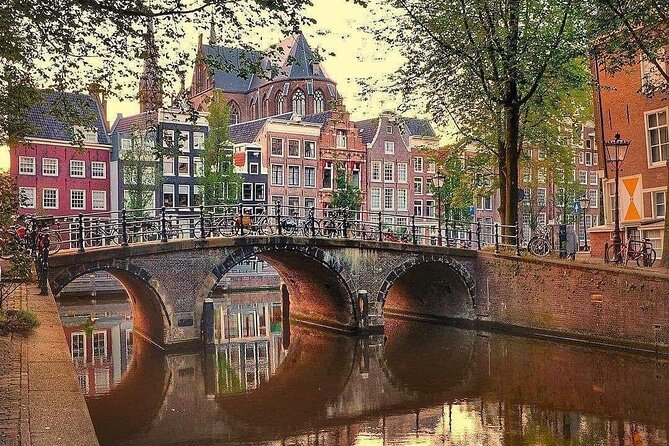
The narration includes the Prinsengracht, one of Amsterdam’s UNESCO World Heritage-listed canals. UNESCO sites can sound like a label, but it’s more helpful when you connect it to what the canal system does for the city’s identity and layout.
You’ll also hear facts about property value along the canals, including the bend on the Herengracht being tied to the most expensive properties. That kind of info can feel abstract until you see the canal from the right angle and understand how the grand canal banks function as prime real estate corridors.
A quick sidebar happens too: the tour mentions that the Netherlands is one of the few countries where marijuana use is legal. For some people, that’s just a quick factoid; for others, it helps you understand what you might encounter as you walk around Amsterdam.
The practical value of these facts is that they make your walk-through later clearer. When you see a canal bank that looks “too fancy to be casual,” you’ll understand why the neighborhood has that reputation.
Westerkerk and Westertoren: a Protestant landmark you can spot fast
On the skyline side, you’ll learn about the Westerkerk, a district church of the Protestant Municipality of Amsterdam. The tower—Westertoren—is about 85 meters high, and it’s the kind of vertical landmark that helps you orient even before you check your phone map.
This part matters because Amsterdam is full of church towers and building spires, and first-time visitors often mix them up. Having the tour tie the tower to a real landmark makes your later self-guided sightseeing smoother.
You’ll also get a mention about a museum angle: in the Hermitage Museum, there’s an exhibition of the Amsterdam Museum. Even if you’re not planning a museum today, this gives you a useful breadcrumb for future planning.
Stone bridges, a 1986 opera-and-ballet building, and other city-shape clues
Not all the stops are about the big famous names. You’ll also hear about an early milestone, like the first bridge made of stones in Amsterdam, and why that kind of engineering matters. Bridges are part of the city’s “how it evolved” story, not just its aesthetics.
There’s also a note about a building constructed in 1986, built especially for opera concerts and ballet shows. That’s a reminder that Amsterdam isn’t only heritage—it’s also a modern cultural center with major performing arts built into the skyline.
You’ll likely feel this section the most if you like seeing the city as a system. The boat makes it easier to compare older structures and newer ones from the same moving vantage point.
The pancake tasting: what you should actually expect
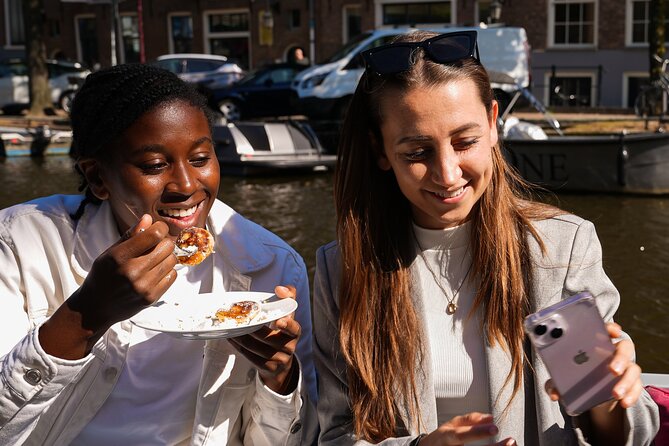
Let’s talk pancakes, because that’s the whole hook. The tour serves sugar-dusted Dutch pancakes, and the experience includes the moment of them being made onboard. That matters more than you might think.
For adults, it turns the food into a break from constant sightseeing. You can shift from scanning bridge lines and canal angles to focusing on something warm and immediate. For kids, it’s a built-in activity. Watching the pancakes get made gives them a “job” while the adults do the landmark watching.
The best part is the way the pancake moment fits into the narration flow. It doesn’t feel like a random detour. It feels like part of the tour’s pace—especially for families, where the hardest challenge is keeping little attention spans busy without feeling like you’re dragging them around.
Price and value: is $34.25 worth it?
At $34.25 per person for about an hour, you’re not buying a budget-only canal ride. You’re paying for three things together: guided narration, a central-sights route, and Dutch pancakes as part of the ticket.
For value, think in terms of replacement cost. If you’d otherwise book a canal tour and then separately pay for a meal or snack, the pancake tasting helps you consolidate spending. If you travel with kids, that consolidation matters even more—because you’re managing hunger without derailing the itinerary.
The small-group size (maximum 22 travelers) also supports the value story. With fewer people, it’s easier to hear the narration and stay comfortable while you’re eating. If you hate cramped boats or noisy mass tours, this setup is the safer bet.
If you’re not into sweets, you should still consider it, because Dutch pancakes are a classic comfort food rather than candy overload. But if dessert is not your thing, you might feel the hour is more about the sightseeing package plus one food moment than a full dining experience.
Who this canal cruise suits best
This tour is a strong match if you want a quick, guided taste of central Amsterdam without long walking stretches. It’s especially good for families with pancake-loving kids, because the pancakes and the onboard activity give children something to do besides stare.
Foodies will like the novelty of having a Dutch pancake tasting tied to a sightseeing route. History and architecture lovers should enjoy the narration that connects major places to specific facts—Anne Frank House, UNESCO canals, bridge milestones, and a few cultural pointers.
And if you’re traveling with a mixed group—adults who want sights and kids who want hands-on fun—this format is built to reduce conflict. One hour means it’s also easier to plan around without blowing up your whole day.
Should you book the Dutch Pancake City Centre Canal Cruise?
I’d book it if you want a smart first-pass on Amsterdam’s canal center, plus a memorable Dutch food moment that actually fits the cruise format. The combination is unusual in a good way: it’s a sightseeing tour that doesn’t forget you’re traveling, not just collecting photos.
Skip it only if you need long stops at specific landmarks or you prefer to choose your own food stops off the boat. This is a tight, guided loop. For many people, that’s exactly the point.
FAQ
How long is the Dutch Pancake City Centre Canal Cruise?
The cruise lasts about 1 hour.
Where does the tour start?
It starts at Leidsekade 101, 1017 PP Amsterdam, Netherlands.
What time does the cruise depart?
The start time is 10:30 a.m.
Is there a Dutch pancake tasting included?
Yes. The experience includes a sweet feast of sugar-dusted Dutch pancakes.
Is the ticket mobile?
Yes, this activity uses a mobile ticket.
How big is the group?
The maximum group size is 22 travelers.
Is the tour near public transportation?
Yes, the meeting point is near public transportation.
Can I get a refund if my plans change?
Free cancellation is available up to 24 hours in advance of the experience start time for a full refund.