REVIEW · AMSTERDAM
Amsterdam: Dutch WWII Resistance Museum Entry Ticket
Book on GetYourGuide →Operated by Verzetsmuseum Amsterdam · Bookable on GetYourGuide
One museum stop can change how you understand WWII. At Amsterdam’s Dutch WWII Resistance Museum, the story is told through the choices everyday people faced under Nazi occupation. You’ll walk through rooms of photos, objects, and short films that make the era feel close, not distant.
I especially like the way the exhibition covers many forms of resistance, from strikes and underground newspapers to forging documents, hiding people, and espionage. I also love the audio setup: it’s simple to use, in many languages, and designed so you can focus on the specific stories you care about.
The one thing to consider is tone and pace: this is heavy material, and you’ll want time. If you only plan an hour, you’ll miss a lot, because the galleries and audio stations reward a slower walk.
In This Review
- Key points worth planning for
- Getting oriented at the museum counter
- What you actually get: ticket + audio guide in multiple languages
- Building the WWII story: occupation, resistance, and the grey areas
- The photo walls and objects that make the era feel real
- Getting the most from the audio guide stations
- The Dutch East Indies section: connecting to the wider Dutch experience
- How long should you plan? Timing that respects the material
- Value for money: what $21 buys you
- Who this museum suits best (and who might want to pair it)
- Practical notes: making the visit smoother
- Should you book this Amsterdam Resistance Museum ticket?
- FAQ
- How long does the Amsterdam WWII Resistance Museum visit take?
- What’s included with the ticket?
- Is a live guide included?
- Where do I go to check in?
- What languages are available for the audio guide?
- Is the museum wheelchair accessible?
- What topics does the museum cover?
- What should I expect inside the exhibits?
- Is food included with the ticket?
- What’s the cancellation policy?
Key points worth planning for
- Self-guided audio that lets you choose what to listen to, with multiple language options
- Clear coverage of resistance tactics like document forgery, hiding people, underground papers, escape routes, armed resistance, and espionage
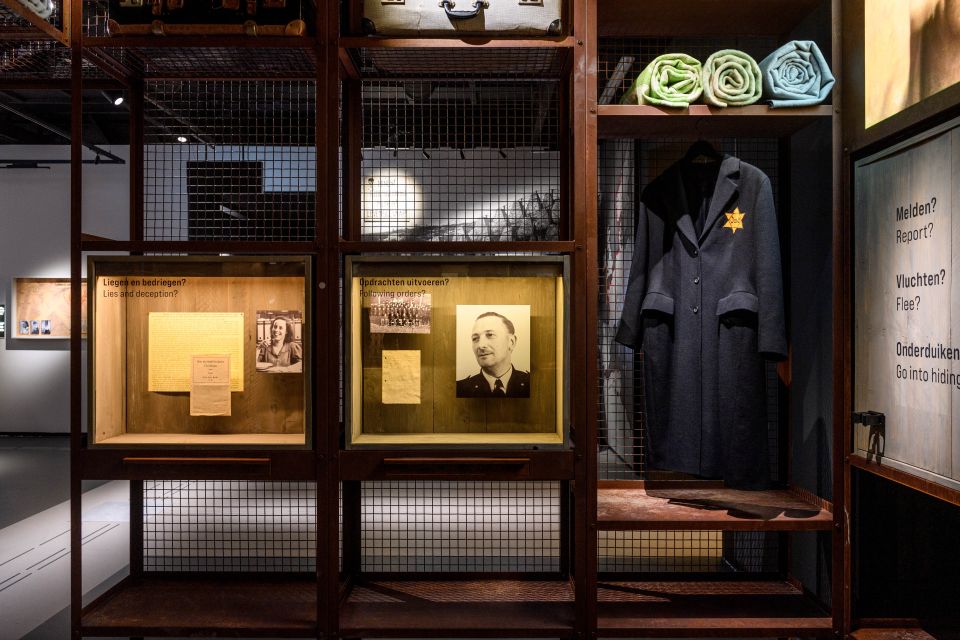
- Personal documents and dilemmas, not just big-picture war events
- Dutch East Indies section, connecting Dutch history to the terror under Japanese occupation
- Interactive, photo-rich rooms that help you picture the war years without needing a guide
Getting oriented at the museum counter
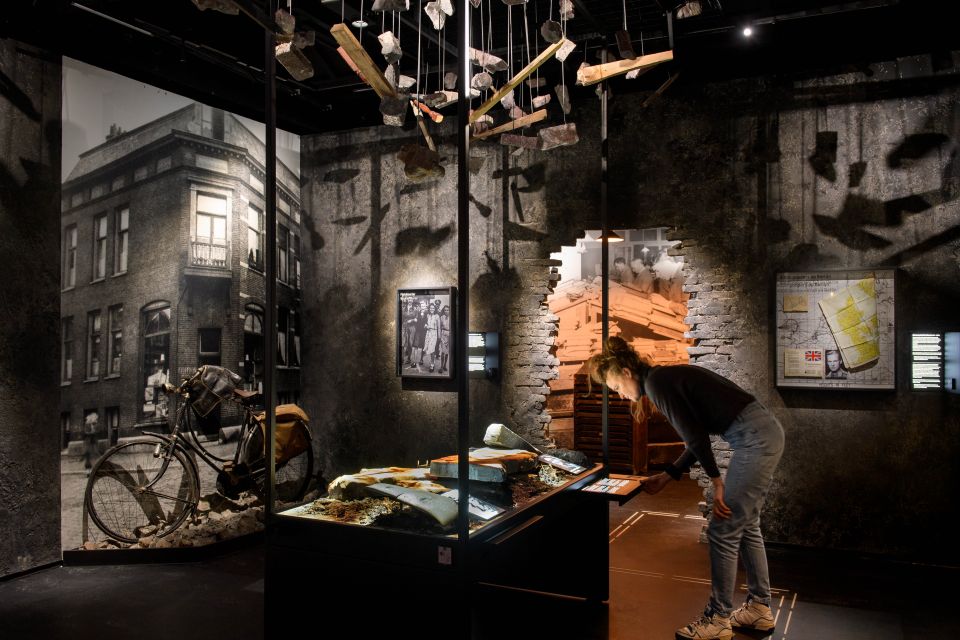
Plan to start by checking in at the museum counter with your ticket(s). This is a straightforward entry experience: you’re not joining a guided group, you’re walking into the exhibition with your included audio guide and taking it at your speed.
The museum is set up for a full visit, not a quick scan. Even though it’s a “ticket entry” product (not a guided tour), the exhibition is built around a sequence of rooms and themed sections, so you’ll get more from it if you give yourself time to follow the storyline rather than bouncing randomly.
If you’re sensitive to crowds, a self-guided museum can be a win. You can slow down when something affects you, then pick up again when you’re ready.
You can also read our reviews of more tours and experiences in Amsterdam



What you actually get: ticket + audio guide in multiple languages
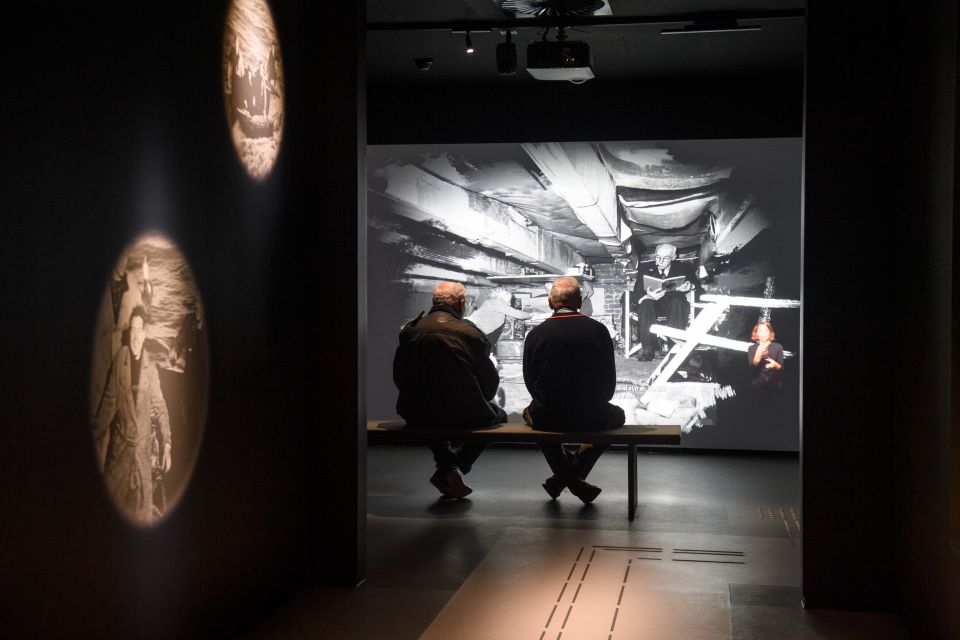
Your ticket includes entry and an audio guide. No live guide is included, so the audio is the main way the museum explains each exhibit. That matters because the exhibition leans on objects, photos, and short media, and the audio gives you the connecting context.
You also get language choice. The audio guide is available in Dutch, English, French, German, Italian, Spanish, and Portuguese. In practice, this means you can match the pace to your comfort level. If your history knowledge is basic, the audio helps you catch the main points without feeling like you’re reading a textbook. If you’re a WWII fan, the audio keeps you on track while you pick the details you want.
A nice practical detail: people report using the audio in a way that feels interactive, including choosing what to listen to by scanning codes at exhibits. In other words, you don’t have to absorb everything in order. You can target themes like resistance methods, daily life, or the moral dilemmas people faced.
Building the WWII story: occupation, resistance, and the grey areas
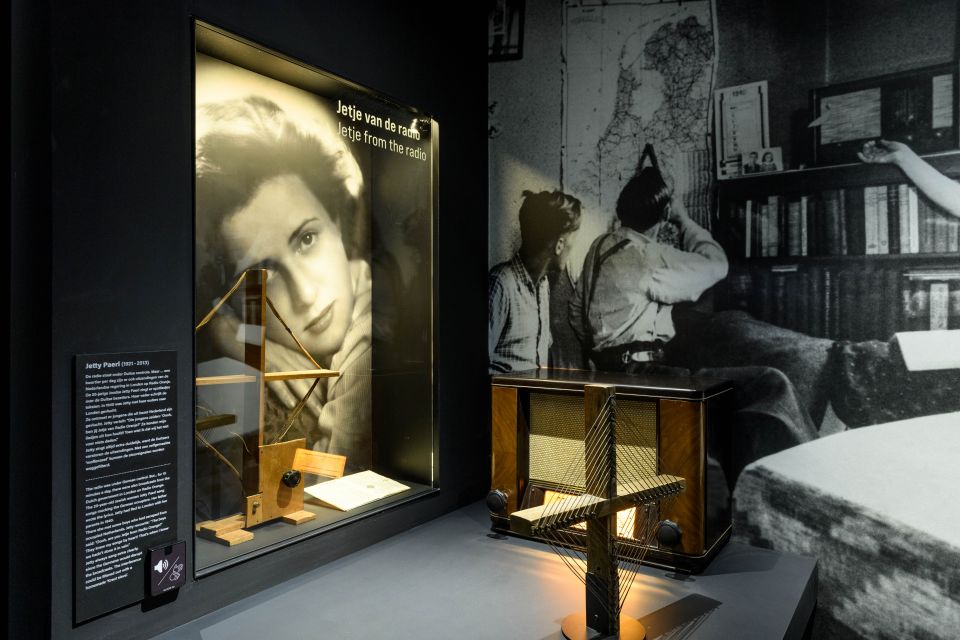
This museum isn’t only about battles. It’s about what occupation did to ordinary life in the Netherlands, and how Dutch people responded—sometimes heroically, sometimes with painful compromises.
You’ll see the exhibition organized around the reality that resistance didn’t look one single way. The museum covers multiple forms, including:
- strikes
- forging of documents
- helping people go into hiding
- underground newspapers
- escape routes
- armed resistance
- espionage
That variety is one of the best reasons to go. It stops WWII from becoming a single storyline of famous figures. Instead, it shows a whole ecosystem of action, where different skills and risks mattered.
Just as important, the museum also includes the other side of the story. You get insight into collaborators and day-to-day worries, which gives the “why” behind the decisions people made under pressure. The exhibition uses moving personal documents to highlight dilemmas—people were confronted with impossible choices, and the museum shows the human consequences of those choices.
This is where the museum feels most meaningful. It pushes you to ask: resistance for me might be different than resistance for my neighbor, but both were still risky.
The photo walls and objects that make the era feel real
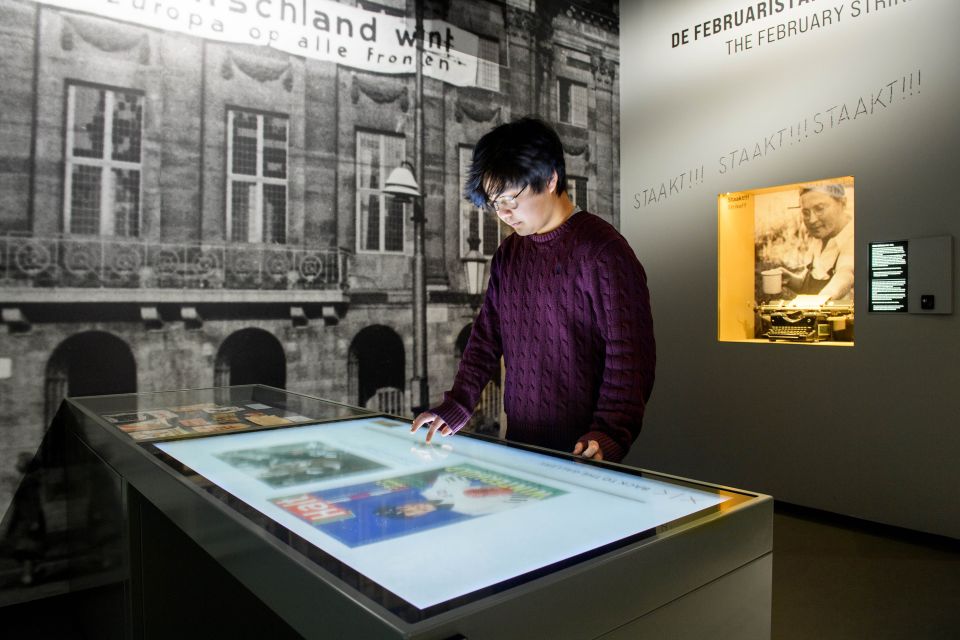
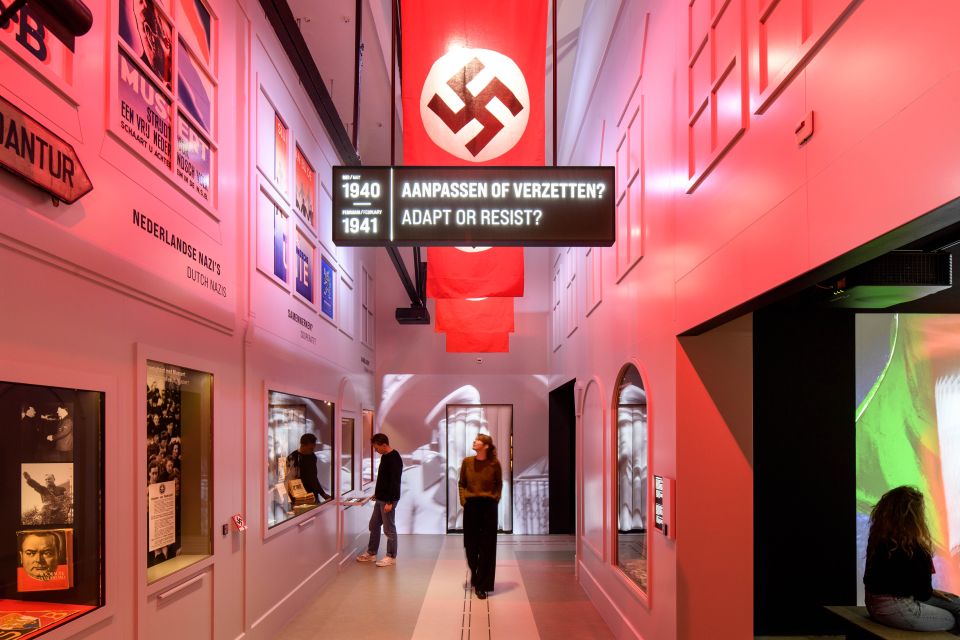
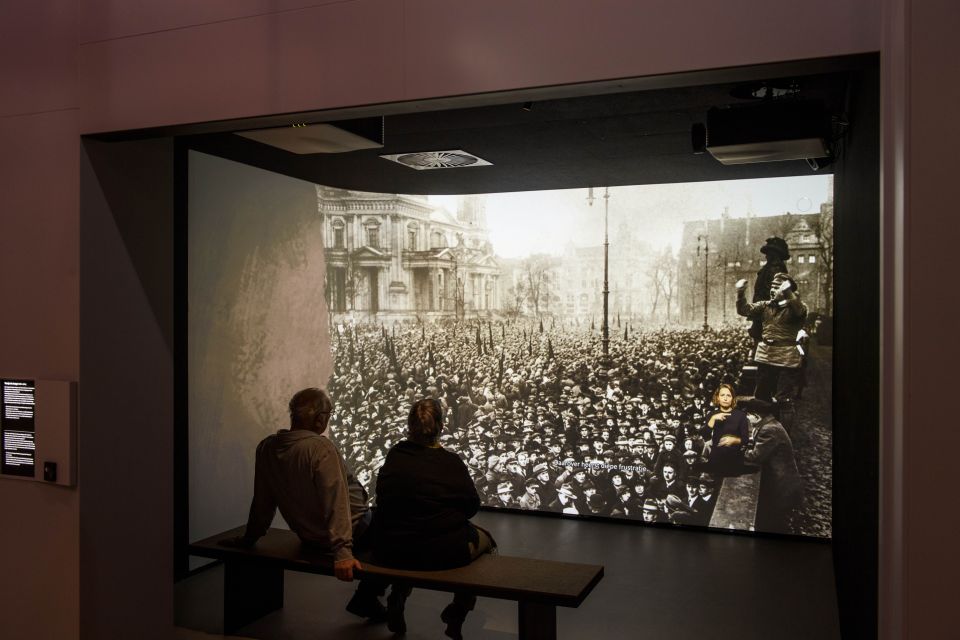
Expect rooms designed around atmosphere: walls filled with photos, exhibits with period objects, and media that helps you picture what life looked like during the occupation.
Reviews often call out how the museum feels “like a tardis,” meaning it doesn’t seem huge from the entrance, but it keeps expanding as you move deeper into the galleries. That’s a good reminder to plan for at least a couple of hours, and possibly longer if you listen carefully to the audio tracks at each section.
What I find useful about this kind of design is that you don’t have to be an expert. When the museum gives you images and tangible items, the audio can focus on explaining what you’re seeing and why it mattered, instead of just listing dates.
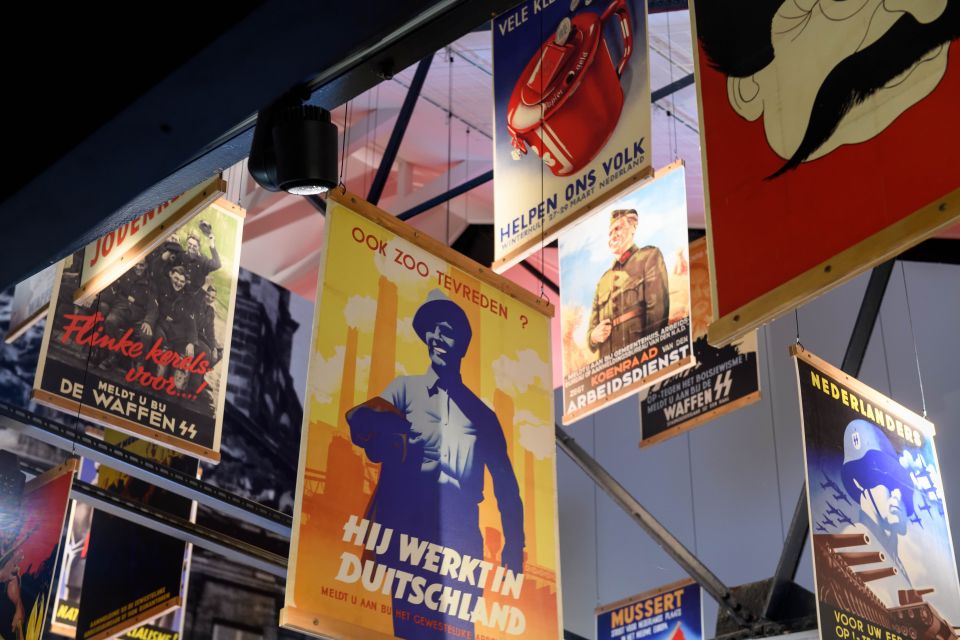
You’ll also likely spot interactive propaganda elements, including propaganda posters. That’s a smart touch because it shows how information was used as a weapon—not just bullets.
Getting the most from the audio guide stations
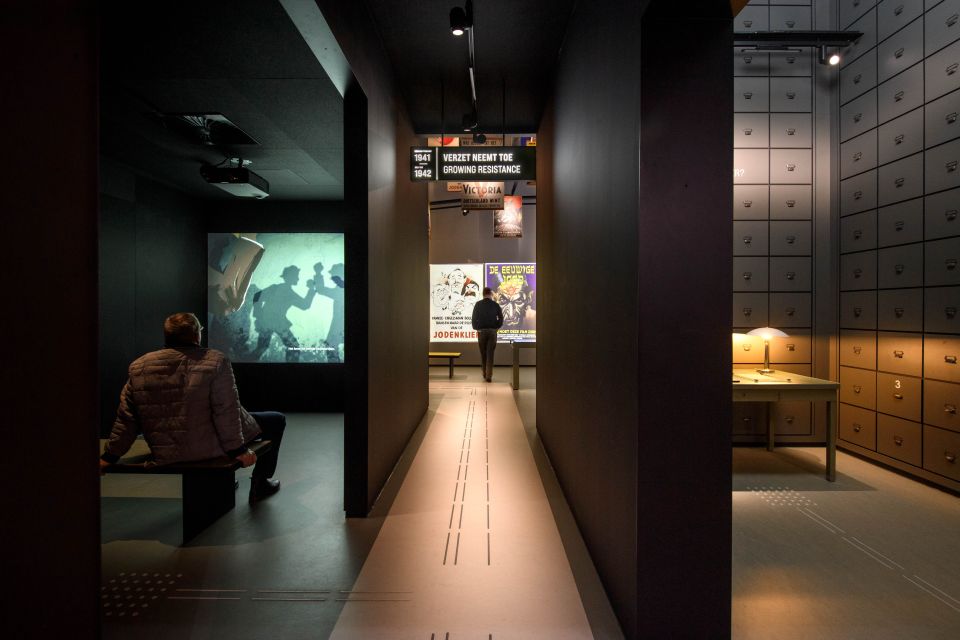
Because the audio is included, your strategy matters. Here’s what works well:
- Start with broad themes first. Early on, aim to understand the occupation and the big categories of resistance.
- Then pick specific story points. Use the audio to zoom into the details that interest you most, like underground press, hiding networks, or forging documents.
- Don’t feel stuck listening to everything. If you find a section is repeating the same concept from a different angle, choose the tracks that add new perspectives.
People note the audio system works reliably, with working headsets and easy controls. Some visitors also mention handheld devices that help them read or listen station-by-station, with scanning at exhibits. Even if you don’t use a handheld, the point is the museum is organized so you can “route” your attention through the galleries.
If you’re short on time, prioritize the personal-document sections and the themed resistance rooms. Those areas tend to give the clearest sense of what people risked and how they carried it out.
You can also read our reviews of more museum experiences in Amsterdam





The Dutch East Indies section: connecting to the wider Dutch experience
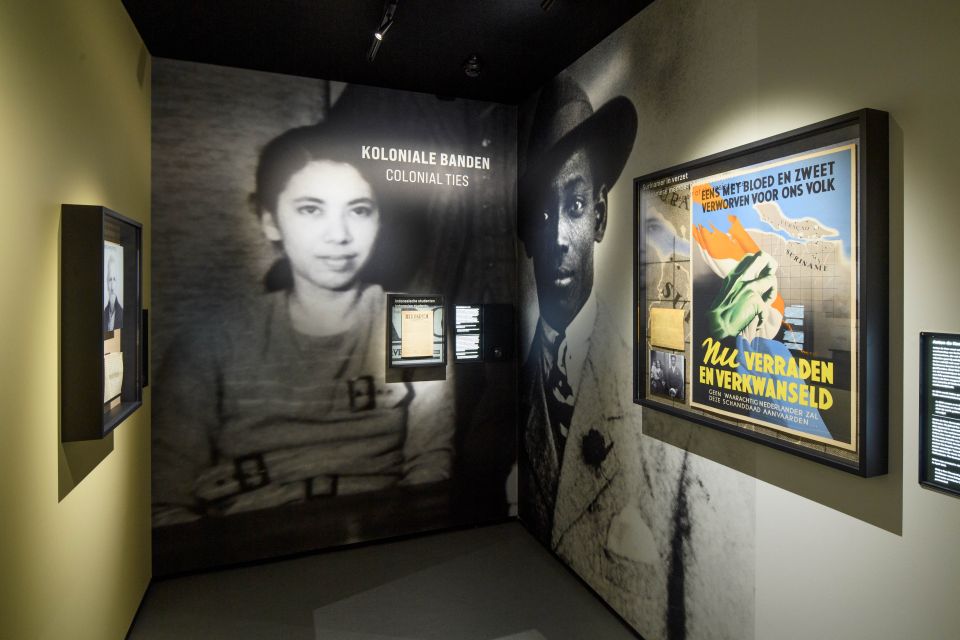
One standout section is the museum’s dedicated look at the Dutch East Indies, and the experience of people under Japanese occupation. This isn’t treated as a footnote. It’s given space and attention as part of the broader WWII story.
You’ll learn about harrowing experiences under the Japanese regime of terror, which helps you understand how conflict reached beyond Europe and how Dutch history extends into colonial territories.
I like that the museum broadens your frame of reference. Most WWII visits focus on Europe only. Here, you get a more complete picture of how global war affected different communities tied to the Netherlands.
How long should you plan? Timing that respects the material
Most visitors seem to land in the 2 to 3 hour range, with some spending around 2.5 hours. A few people describe needing more time but cutting the visit short because other plans were scheduled.
So here’s a practical recommendation: if you want to actually process what you’re seeing, budget at least 2.5 hours. If you’re a fast reader and your audio pace is light, you might manage a little less. If you like to stop and replay tracks, or you tend to linger at personal-story exhibits, plan closer to 3 hours or more.
Also, keep in mind that the topics are emotional. You’ll likely want moments to reset between rooms, and you won’t always get those if you rush.
Value for money: what $21 buys you
At around $21 per person, this ticket price can look straightforward, but the value comes from how much the exhibition gives you without extra add-ons.
You get:
- full entry to the museum
- an audio guide included in the ticket price
- multiple languages, so you’re not paying extra for language support
- lots of self-paced stations, where you can choose how much detail you want
In other words, you’re paying for access to a structured experience that takes time. If you walk through quickly, the cost per minute is higher. If you treat it like a real museum visit and use the audio tracks, it becomes good value.
If you’re comparing options in Amsterdam, this is one of those experiences where “price” matters less than “time.” Buy it when you can actually slow down.
Who this museum suits best (and who might want to pair it)
This museum fits best if you:
- enjoy WWII history, especially the stories of resistance and civilian courage
- like museums that use objects, photos, and short media instead of long lectures
- want more than the usual famous names and want everyday decision-making
- appreciate thoughtful museum design with audio support
It may feel less satisfying if you only want battle maps and major combat timelines. This museum is about occupation and choices, not just the front line.
It also pairs well with other WWII-related stops nearby in Amsterdam. If you’re already interested in the Holocaust and Nazi persecution, you’ll likely appreciate seeing how the museum’s resistance focus fits into the broader wartime landscape of the city.
Practical notes: making the visit smoother
A few practical tips based on the way the museum is set up:
- Wear comfortable shoes. The galleries are designed for a self-guided walk, with lots of rooms and stations.
- Bring a plan for your pace. If you only have one tight slot, choose the sections you care about most and don’t try to listen to every track.
- Use the audio strategically. Start with the storyline, then switch to targeted themes.
- Consider a break in the day. There’s an attached restaurant mentioned by visitors, so it can be easy to keep your schedule together without hunting for food right away.
One more plus: the museum is wheelchair accessible, and it’s described as barrier-free in terms of access and interaction. If mobility or sensory needs affect how you tour, the self-paced audio approach can help you control your pace.
Should you book this Amsterdam Resistance Museum ticket?
Yes, if you want a WWII museum that focuses on Dutch civilian courage, resistance networks, and the moral complexity people faced. The mix of multiple resistance types, personal documents, and the added Dutch East Indies section gives you more than the standard “Europe-only” framing.
Book it especially if:
- you’re coming to Amsterdam for WWII history and want something more grounded in human-scale stories
- you like museums where the audio guide does real work, not just filler narration
- you can spare a solid half-day chunk
Skip it (or plan a different option) if you only have a short time window and can’t give yourself at least a couple of hours. This museum rewards attention.
FAQ
How long does the Amsterdam WWII Resistance Museum visit take?
The ticket is valid for 1 day, and many visitors plan around 2 to 3 hours to see the exhibitions.
What’s included with the ticket?
Your ticket includes entry and an audio guide.
Is a live guide included?
No. A guide is not included.
Where do I go to check in?
Show your ticket(s) at the museum counter.
What languages are available for the audio guide?
The audio guide is available in Dutch, English, French, German, Italian, Spanish, and Portuguese.
Is the museum wheelchair accessible?
Yes, it is wheelchair accessible.
What topics does the museum cover?
It covers Dutch resistance to Nazi occupation, including strikes, forging documents, hiding people, underground newspapers, escape routes, armed resistance, and espionage. It also includes a section on the Dutch East Indies and experiences under Japanese occupation.
What should I expect inside the exhibits?
Expect stories told through photos, objects, and audio/video components, including areas that help show the atmosphere of the war years and highlight everyday concerns and dilemmas.
Is food included with the ticket?
No. Food and drinks are not included.
What’s the cancellation policy?
Free cancellation is available up to 24 hours in advance for a full refund.