REVIEW · AMSTERDAM
Amsterdam: High Wine at wine bar Paskamer, 3-rounds
Book on GetYourGuide →Operated by Paskamer · Bookable on GetYourGuide
High wine at Paskamer turns Amsterdam wine talk into a simple, timed tasting. I like the three-round format (you taste, then you learn why it works), and I also like that the hosts are WSET-certified sommeliers guiding you in plain language. One thing to consider: this is not a full dinner, so you’ll likely want something extra before or after if you’re hungry.
Expect a focused evening in De Pijp at Wijnbar Paskamer, a small wine bar setting where each pour comes with a bite designed for that wine. The vibe is relaxed but guided, so you get real pairing logic instead of just guessing what to taste. If you’re the type who wants a long, multi-course meal, you may find the portion sizes a bit small.
In This Review
- Key Things That Make Paskamer’s High Wine Worth Your Time
- High Wine at Paskamer: A Small-Bite Tasting, Not a Full Dinner
- Price and Value: What $43 Really Buys You
- Where You Start: Wijnbar Paskamer in De Pijp
- Plan Your Timing: The “About 90 Minutes” Suggestion
- The 3-Round Flow: How the Pairing Works
- Round One: Your First Pairing and the Fastest Learning Moment
- Round Two: Taste Patterns You Can Actually Repeat
- Round Three: Finishing the Tasting Like It’s Meant to End
- The Sommelier Advantage: Why WSET Training Changes the Experience
- Food on the Side: How to Decide if You Need More
- Who Should Book This High Wine Experience
- Should You Book Paskamer High Wine?
- FAQ
- How many wines and bites are included in the high wine?
- How long should I plan for this experience?
- Can I add an extra round?
- Can the pairing be adjusted for dietary needs?
- What languages are the sommeliers/instructors?
- Is it accessible, and is it suitable for everyone?
Key Things That Make Paskamer’s High Wine Worth Your Time
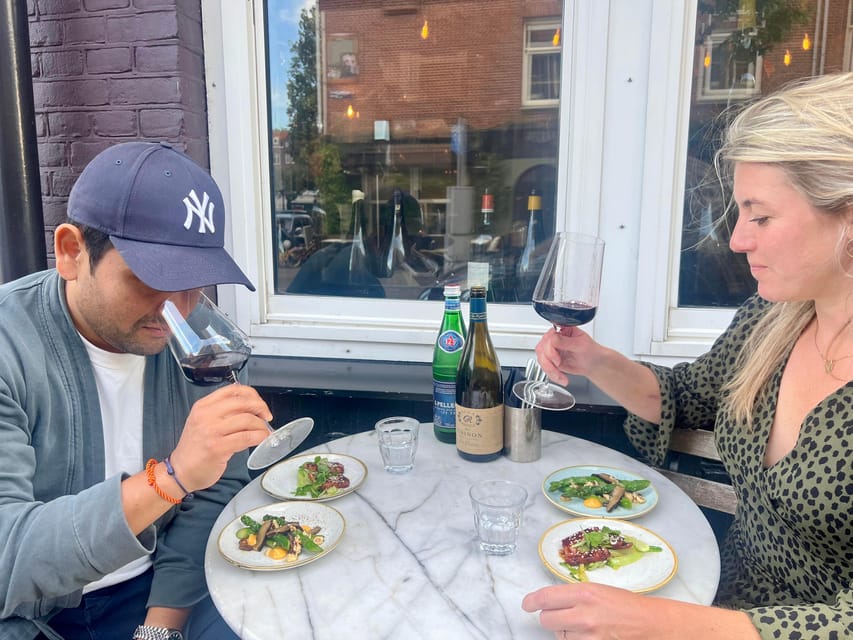
- WSET-certified guidance: you learn what to look for in the glass, not just what to drink
- Three rounds, not an endless flight: clear pacing for a 2-hour outing
- Wine-first pairing logic: each small bite is meant to match what you’re tasting
- De Pijp location: easy to tack onto a neighborhood evening
- Add-on flexibility: upgrade with an extra round for a set supplement
High Wine at Paskamer: A Small-Bite Tasting, Not a Full Dinner
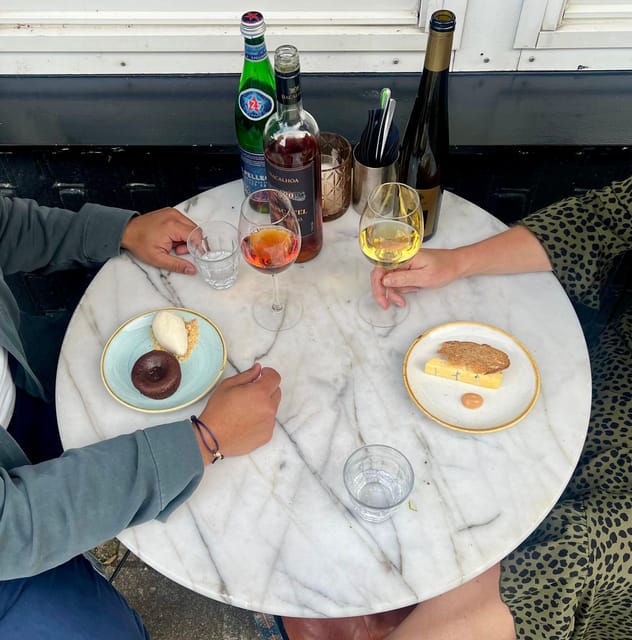
Let’s set expectations early, because this format works only if you choose it for the right reason. A high wine is basically a guided tasting: three quality wines paired with three matching bites, served in rounds. Portions are smaller than a normal meal, and the experience isn’t meant to replace dinner.
That’s exactly why I think it’s a smart pick in Amsterdam. You get concentrated enjoyment and learning time without committing to a long restaurant schedule. If you want food that’s more substantial, you can extend your stay and order more food and wine, but the base experience is built to stay light.
You can also read our reviews of more wine tours in Amsterdam


Price and Value: What $43 Really Buys You
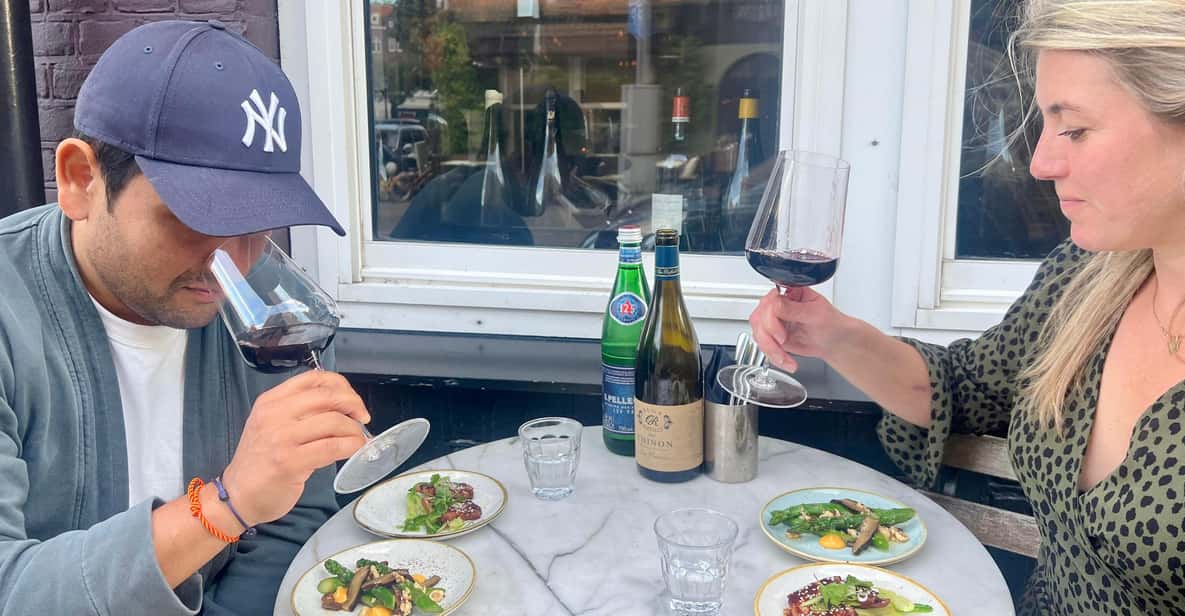
At $43 per person, you’re paying for three things: the wines, the pairing bites, and an actual guided explanation by trained sommeliers. In practice, that usually means you’re not just buying alcohol—you’re buying interpretation.
Here’s how I’d judge value for you:
- If you enjoy tasting with guidance, $43 can feel very fair because you’re getting pairing context during the service.
- If you’re mostly drinking casually and don’t care about what makes the combinations work, you might feel the cost more than you’d like, since the bites are small and it’s not a full meal.
A useful detail: for EUR 11 per person, you can add an extra round (one additional wine and one additional bite). That gives you a safety valve if you finish the three rounds and think, Okay, I want more of this pace.
Where You Start: Wijnbar Paskamer in De Pijp
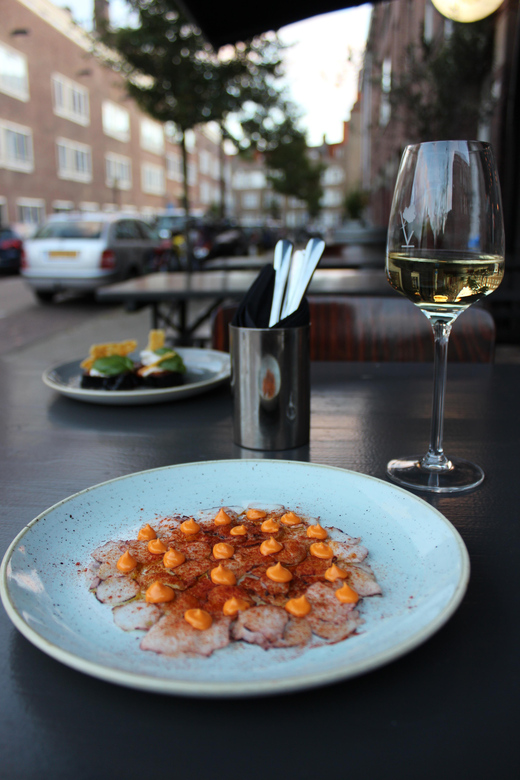
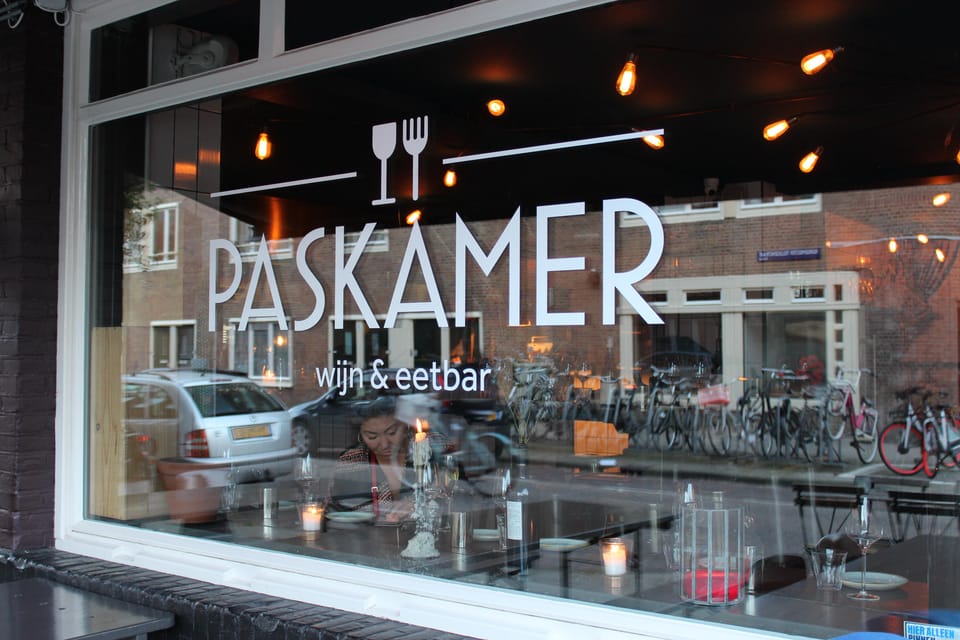
Your tasting begins at Wijnbar Paskamer in Amsterdam’s De Pijp neighborhood. This matters because De Pijp is one of the easier places to build a nice evening around. After your tasting, you can keep moving on foot without turning your night into a transit project.
It’s also the right kind of setting for a high wine: small enough that the pairing talk can stay personal, but lively enough that you don’t feel stuck in a quiet lecture room. The experience language options are Dutch and English, so you can match the explanations to your comfort level.
Plan Your Timing: The “About 90 Minutes” Suggestion
The activity lists 2 hours as the duration, but it also asks you to reserve around 90 minutes for the experience. In real-world terms, I’d treat this as: give yourself time to settle in, get through three rounds, and still have room to breathe.
Practical move: book it as the anchor of an early evening plan. Then you can decide on the spot whether you want to extend for extra food and wine. If you schedule it too late, you may feel rushed when you’re deciding whether to add that extra round.
The 3-Round Flow: How the Pairing Works
Paskamer serves your high wine in three rounds. In each round, you get:
- a glass of wine
- a small bite paired to match it
- a sommelier explanation about why that pairing makes sense
The key idea here is pairing, not variety for variety’s sake. The wines aren’t random; they’re chosen combinations designed to teach you how flavors and textures can “talk to” each other.
Also note the reality check: a high wine can’t be expected to equal a complete dinner. Your stomach will likely agree with a snack earlier, especially if you’re used to big meals.
You can also read our reviews of more drinking tours in Amsterdam






Round One: Your First Pairing and the Fastest Learning Moment
Round one is where you get your bearings. You’ll taste the first wine, then match it with the first bite. This is usually the strongest setup for learning because your palate is fresh.
What I’d watch for in your glass:
- how the wine’s acidity and fruit feel in your mouth
- whether the bite makes the wine seem smoother, sharper, or more balanced
The sommelier will explain the choices, and that’s where the value lives. If you’ve ever tasted wine and wondered what you were supposed to notice, this is the part where the instructions make the most difference.
Round Two: Taste Patterns You Can Actually Repeat
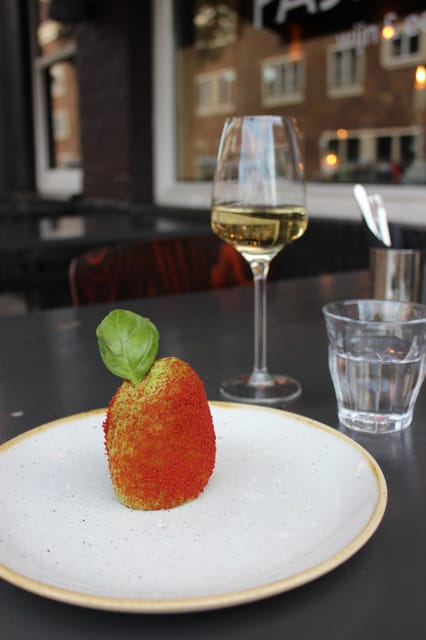
By round two, you’re not just tasting more—you’re testing your own memory. The pairing pattern starts to become clear: the bite changes how the wine lands, and the wine changes how the bite reads.
This is the stage where WSET-style guidance pays off. With WSET-certified sommeliers leading the explanations, you’ll get structured cues for what to look for. And since the service is in Dutch or English, you can follow the reasoning without translation gaps.
Small bite + wine pairings can also help you compare wines without getting overwhelmed. Three rounds is enough variety to keep it interesting, but not so many that you lose track of what you liked and why.
Round Three: Finishing the Tasting Like It’s Meant to End
Round three is where the pace should feel comfortable. You’ve already learned the basic pairing “rules,” so now it’s about enjoying the final combination and deciding if you want more.
This is also the moment where you’ll have the clearest idea of whether the style of tasting suits you:
- If you enjoyed the guidance and the pairing logic, adding that optional EUR 11 extra round will feel like a natural continuation.
- If you’re more “drink and relax,” you might find you’ve gotten enough from the experience and can head out.
Either way, the experience is designed to finish cleanly. It’s not one of those tastings that stretches into a long, uncertain block of time.
The Sommelier Advantage: Why WSET Training Changes the Experience
A high wine can go one of two ways: either it’s fun but vague, or it’s fun and actually educational. Paskamer leans toward educational without making it stiff.
The big advantage is that a certified sommelier—specifically WSET certified—can explain pairing decisions in a way that helps you taste better on your own next time. In other words, you’re not just collecting five random impressions. You’re building a small skill set: how to think about wine and food together.
That also ties into why the experience has strong feedback. With a 4.6 rating from 10 reviews, the most repeated praise is that the food works with the wine, not just alongside it. One booking shared that the food was good and paired well with the wine—exactly the point of the format.
Food on the Side: How to Decide if You Need More
Remember: portions are small, and they’re meant to match the wine. If you come hungry, you’ll probably want either:
- a light meal before you arrive, or
- to extend your stay for more food and wine after the third round
You can ask in advance about dietary needs, and with prior notice, they’re able to adjust the pairing for your diet. The practical trick: send details during booking, because that gives the team time to plan the matching bites.
If you’re someone who hates leaving a meal unfinished, plan the extra order decision ahead of time. The easiest path is to treat high wine as the tasting segment, then turn the rest of your evening into a proper meal after.
Who Should Book This High Wine Experience
This experience is a strong fit if you want:
- guided wine tasting that explains the pairing logic
- a short, focused activity in a specific Amsterdam neighborhood
- English or Dutch instruction at a comfortable pace
It’s also a good choice for small private groups, since the experience is listed as a private group. And it’s wheelchair accessible, which makes it more usable than some older, narrow spaces.
Where it might not fit:
- If you’re looking for a full dinner with bigger portions, the base format won’t replace it.
- If you’re planning for kids or pregnancy: it’s listed as not suitable for pregnant women and children under 18 years.
Should You Book Paskamer High Wine?
I’d book it if you want a smart Amsterdam wine evening with real pairing explanations and a clean timeline. The value is strongest when you care about how flavors work together, not just about trying a few glasses.
Skip it or plan differently if you:
- need a full dinner meal from the start (small bites won’t satisfy that expectation)
- want something that lasts much longer than a tasting format
- need a more family-friendly setup (it’s not suitable for children under 18)
If you’re still deciding, here’s my best decision shortcut: if the idea of three wine-and-bite rounds with WSET-trained guidance sounds like your kind of night, this is a very reasonable pick at $43—and you can always add that extra round when you’re not ready to stop.
FAQ
How many wines and bites are included in the high wine?
The high wine includes 3 quality wines and 3 matching bites, served across three rounds, with guided pairing by a certified sommelier.
How long should I plan for this experience?
The duration is listed as 2 hours, and you’re also advised to reserve around 90 minutes for the high wine experience. Checking available start times will help you match your schedule.
Can I add an extra round?
Yes. You can add an extra round for a supplement of EUR 11 per person, which includes 1 additional wine and 1 additional bite.
Can the pairing be adjusted for dietary needs?
With prior notice, the team can adjust for dietary wishes. If you need adjustments, include them when you book.
What languages are the sommeliers/instructors?
The experience is guided in Dutch and English.
Is it accessible, and is it suitable for everyone?
It is listed as wheelchair accessible, but it’s not suitable for pregnant women and children under 18 years.