REVIEW · AMSTERDAM
Amsterdam: Once Upon a Time Clock Exhibition Ticket
Book on GetYourGuide →Operated by Once Upon a Time · Bookable on GetYourGuide
Time feels playful here.
This Once Upon a Time exhibition ticket sends you to Amsterdam’s Museumplein to see a curated collection of gilded-bronze timepieces and story-driven displays in a setting that’s easy to pair with other nearby museum stops. I like the way the clocks are presented as small narratives (not just objects), and I also like that your entry includes an audio guide so you can actually follow what you’re looking at as you move through the rooms.
My other two biggest likes are practical. First, you get access to the museum café afterward, which makes the visit feel like a full hour-or-two outing instead of a quick stop-and-go. Second, the show focuses on craftsmanship—especially the 19th-century French clockmakers—so you’re not just looking at fancy gold color. You’re looking at details that matter.
One consideration: the spot can be a little tricky to locate at first. The meeting point is in front of the museum-building with the Once Upon a Time banner, between Moco Museum and the Van Gogh Museum, and if you’re arriving quickly you’ll want to slow down and use the signage so you don’t waste time.
In This Review
- Key highlights at a glance
- Once Upon a Time at Museumplein: what kind of clock exhibition is this?
- What you’ll see: gilded-bronze clocks and 19th-century French stories
- Using the included audio guide in Dutch, English, French, and German
- Timing your visit and finding the entrance between Moco and Van Gogh
- Self-paced clock rooms: how to get the most without feeling rushed
- Museum café break with views over Museumplein
- Price and value: is $19 fair for Amsterdam?
- Who should go (and who might not love it)?
- Practical notes before you book
- Should you book this clock exhibition?
- FAQ
- What does the Once Upon a Time ticket include?
- How long is the ticket valid?
- Where do I meet for the exhibition?
- What languages are available for the audio guide?
- Is there a host or greeter on site?
- Is this experience wheelchair accessible?
- Can I expect to buy food or drinks on site?
- What if I need to cancel?
Key highlights at a glance
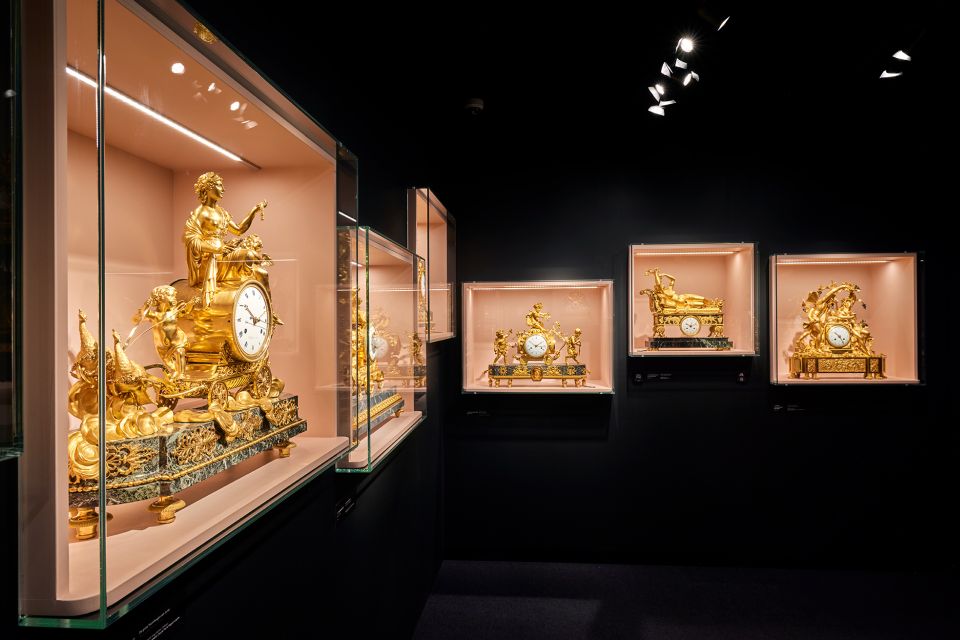
- Gilded-bronze clock collection: a shiny, story-led museum walk in Museumplein
- Audio guide included: available in Dutch, English, French, and German
- 19th-century French clockmaking: watch for the craftsmanship behind the fairytale theme
- Clocks with “tales” and rare animals: visuals that connect timepieces to narratives
- Museum café access: grab a hot drink and look out over the square
Once Upon a Time at Museumplein: what kind of clock exhibition is this?
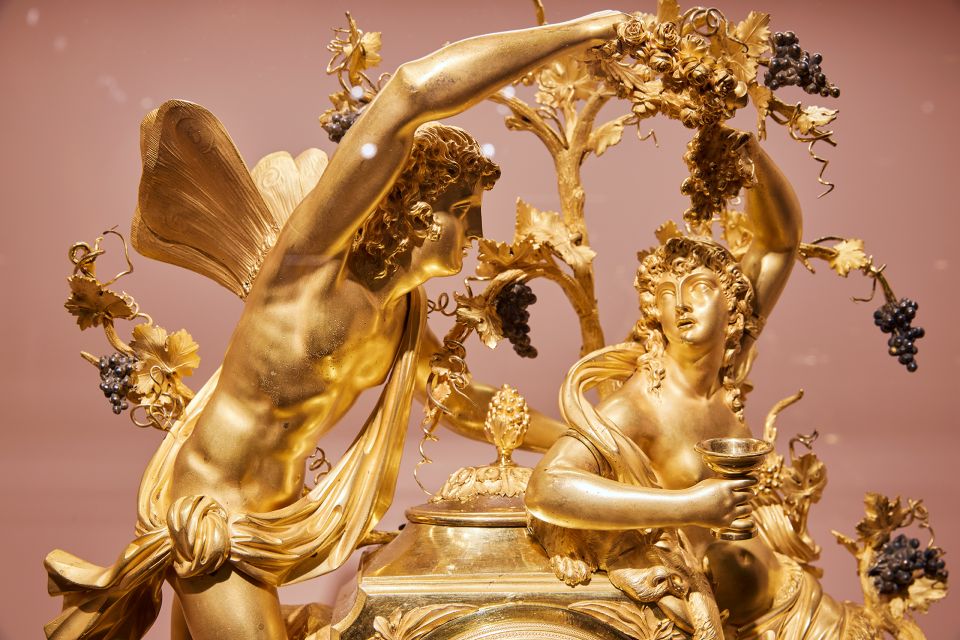
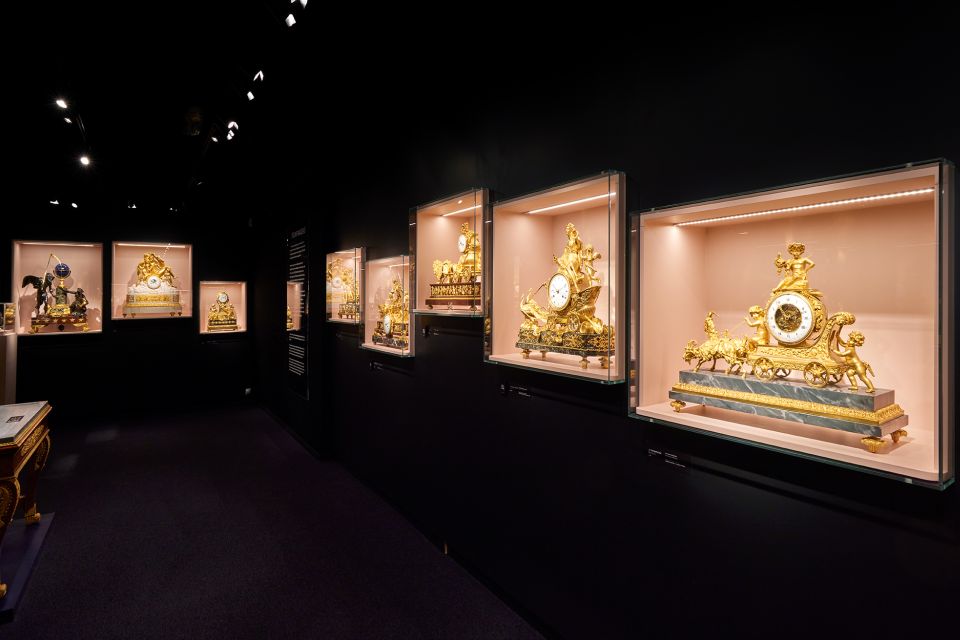
This is not a museum of clocks in the usual dusty, science-lab way. It’s themed like a fairytale, built around the idea that time can be told, not just measured. You’ll walk through rooms filled with decorated timepieces, with each one tied to a story you can follow thanks to the included audio guide.
The location also helps. You’re on Amsterdam’s Museumplein, in the same area where you’ll find several major museums. That matters because you can build a day around this without needing complicated transport plans. In other words: this is a straightforward museum ticket that slots nicely into a classic Amsterdam museum day.
You can also read our reviews of more tours and experiences in Amsterdam



What you’ll see: gilded-bronze clocks and 19th-century French stories
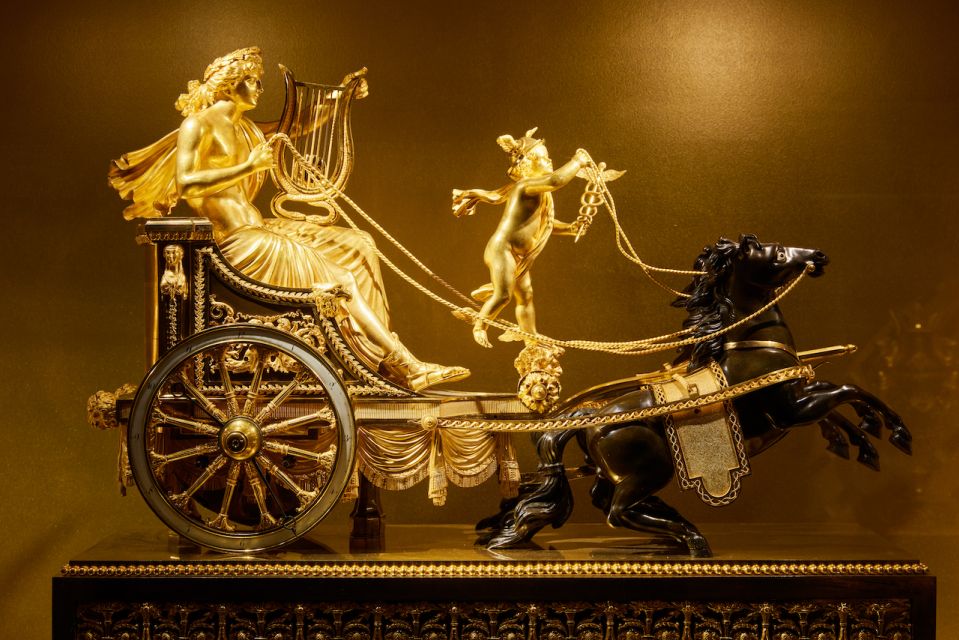
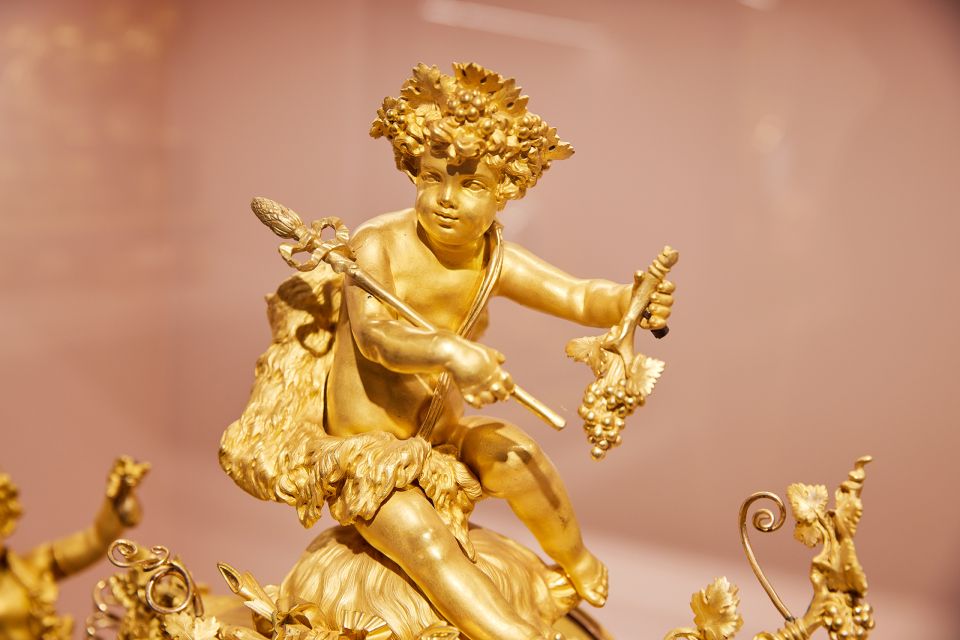
The headline attraction is the look: a “shining gold” collection of gilded-bronze timepieces. Even if you’re not a clock fanatic, the visual impact is likely what pulls you in first. These aren’t plain, modern watches; they’re crafted objects with surfaces meant to be admired up close.
Next comes the why behind the craftsmanship. The exhibition highlights French clockmakers from the 19th century, which gives the collection a strong time period identity. You’ll also see displays described as depicting tales of antiquity and showing rare animals. That combination—period craftsmanship plus storytelling—turns the clocks into a kind of gallery for imagination, not just for measuring hours.
One of the best parts of this style of exhibition is how easy it is to “read” as you move. You can use the audio guide to connect the clock’s details to the scene or theme you’re seeing, so the room stops feeling like a random series of ornate objects. It starts feeling like a sequence.
Using the included audio guide in Dutch, English, French, and German
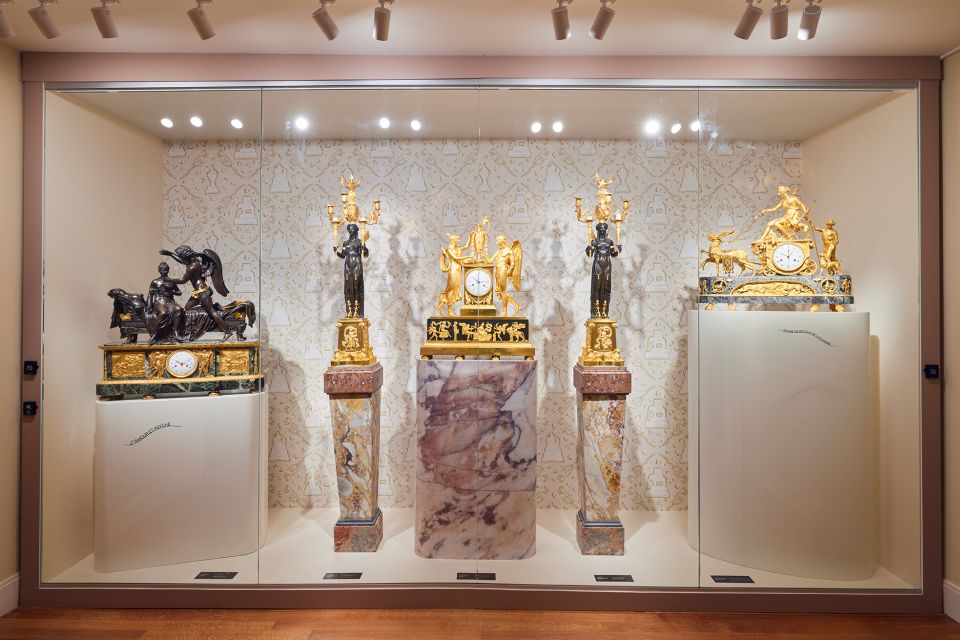
The ticket includes an audio guide, and the language list is broad: Dutch, English, French, German. That’s a real quality-of-life detail because it means you won’t have to guess at your own level of understanding once you’re inside.
Here’s how I’d use it to get the most out of the experience:
- Start the audio guide right away so you build context before you’re standing in front of your first big clock.
- Don’t rush room-to-room. When the audio guide tells you what story or theme a clock is showing, you’ll notice more in the details.
- If a clock feels like it’s “saying something” but you’re not getting it visually, pause and listen. The guide is there to bridge that gap.
Because the exhibition is story-driven, the audio guide isn’t just extra information. It’s what turns looking into understanding—especially for scenes that reference antiquity or animals you might not recognize from the visuals alone.
Timing your visit and finding the entrance between Moco and Van Gogh
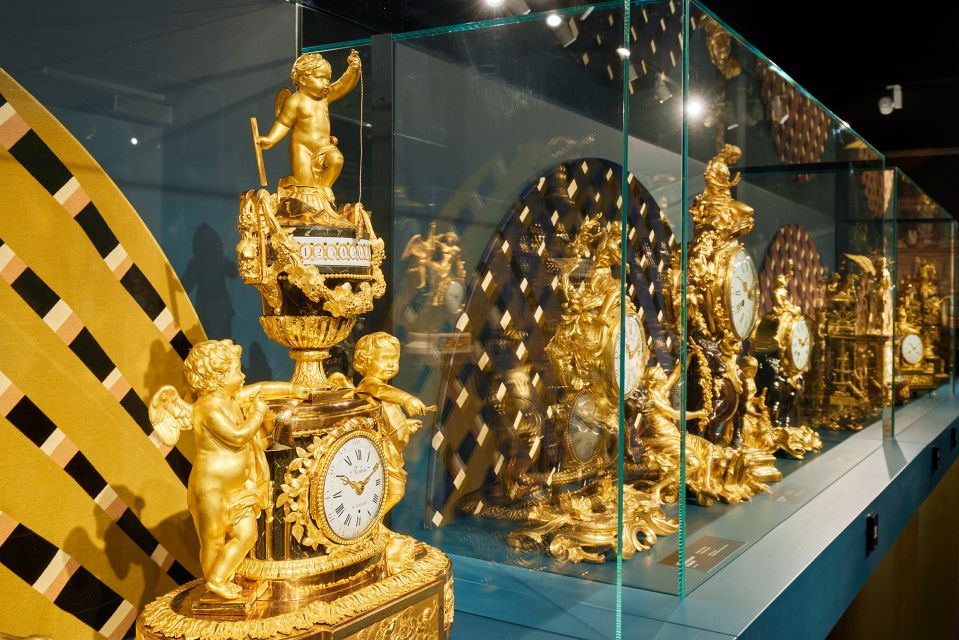
Your entry depends on your arrival time. The ticket is valid for 1 day, but starting times depend on availability, so you should pick a slot that matches your day plan.
Now for the practical part: finding the place. The meeting point is described as the building with the Once Upon a Time banner, between the Moco Museum and the Van Gogh Museum. On Museumplein, that’s a helpful landmark stretch, but it still pays to arrive with a little buffer.
A simple way to make this painless:
- If you’re already near Moco, walk toward Van Gogh on Museumplein and watch for the Once Upon a Time banner on the building.
- Give yourself time to confirm you’re at the right entrance before your starting slot.
Because the overall visit is self-paced, you’ll feel the benefit of being settled early. If you arrive late, you may lose the calm museum rhythm and end up sprinting through rooms that are better enjoyed slowly.
Self-paced clock rooms: how to get the most without feeling rushed
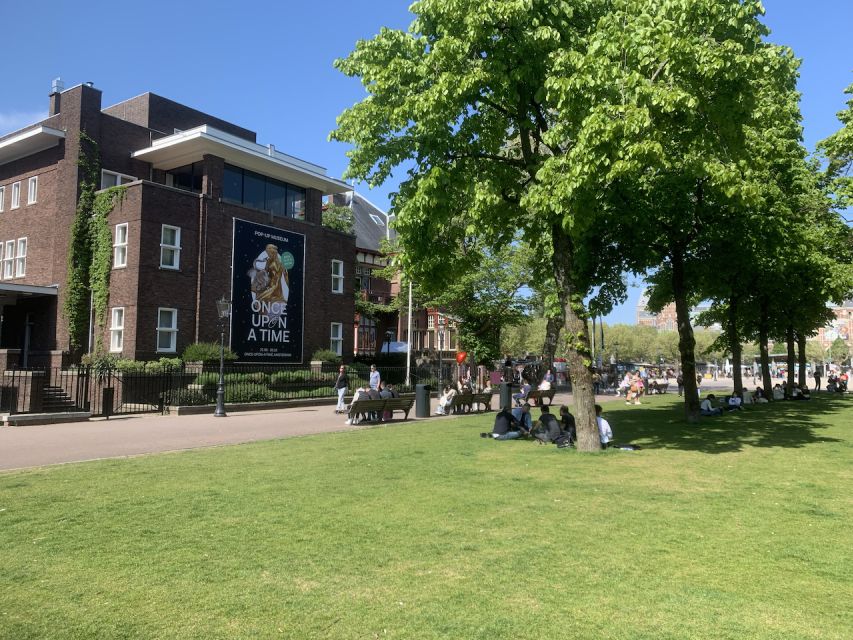
The experience is designed for you to take your time through several rooms of clocks. There’s no strict “see X, then Y” route provided here, and that’s part of the charm. You can linger at the pieces that catch your eye, then circle back if the audio guide points you to something you missed.
If you’re the type who likes structure, you can create your own:
- Pick one clock per room to fully listen to on the audio guide.
- After that, you can do a lighter walk through the remaining pieces, still listening when something sounds particularly story-relevant.
This approach keeps the visit from turning into “stand and scan everything.” It also helps if you’re traveling with mixed interests—someone who wants the details can focus on the clocks with the strongest story, while others can enjoy the look and atmosphere.
You can also read our reviews of more museum experiences in Amsterdam






Museum café break with views over Museumplein
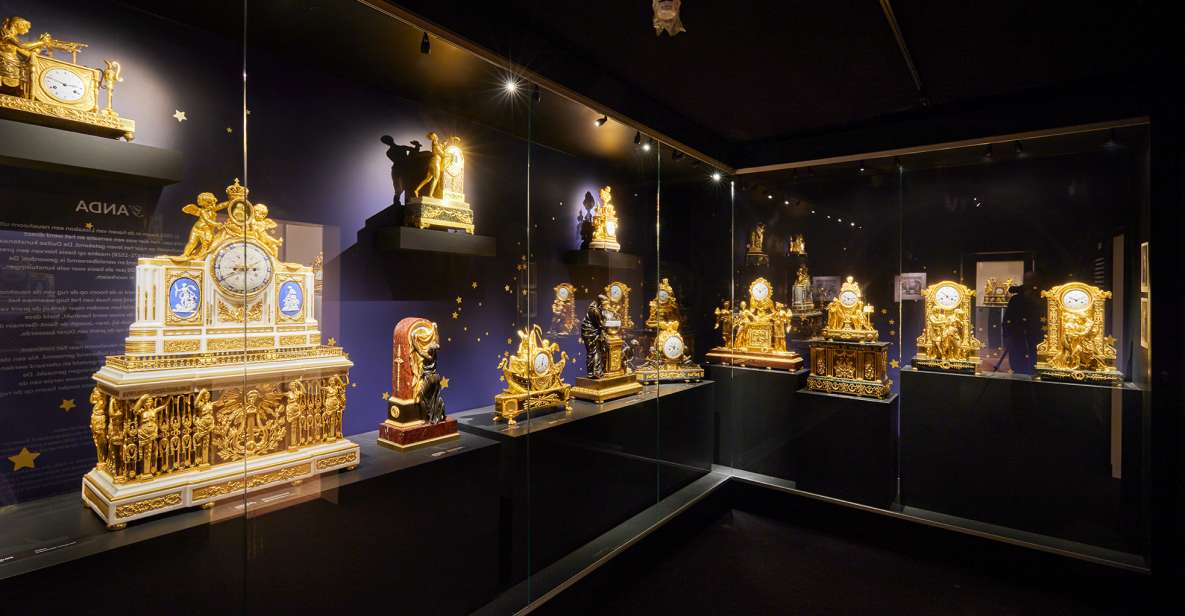
After the gallery, you get access to the museum café. Food and drinks aren’t included, but the setup is still smart: you can sit with a hot drink and enjoy the square view while your eyes reset after close-up details.
This is more useful than it sounds. Clock exhibitions can make you lose track of time because you’re staring at ornamentation, scenes, and craft details. A café stop gives you a natural break so the visit feels like part of a day, not a two-room sprint.
Price and value: is $19 fair for Amsterdam?
At around $19 per person, this ticket feels like a reasonable value for a focused museum experience—especially in Amsterdam, where prices can jump quickly.
Here’s why the value looks good on paper:
- The ticket includes entry to the exhibition plus an audio guide, so you’re not paying extra just to understand what you’re seeing.
- You also get café access, which helps stretch the outing beyond just walking through rooms.
- The emphasis is specific: 19th-century French clockmakers, with story-like displays featuring antiquity tales and rare animals. That theme makes it feel more intentional than a generic clock display.
What can affect value for you personally is pacing. If you’re expecting a huge, multi-wing museum, this may feel more compact. If you like objects with stories and you’ll actually use the audio guide, the ticket makes a lot more sense.
Who should go (and who might not love it)?
This exhibition is a good fit if you enjoy:
- Artful craft objects, especially with ornament and detail
- Museum visits that tell a story as you walk
- Audio-guided experiences where you want context, not just a label
It may be less ideal if:
- You need wheelchair-friendly or mobility-accessible routes. This activity is not suitable for wheelchair users and not suitable for people with mobility impairments, based on the provided information.
If you’re visiting Museumplein anyway, this is the kind of ticket that adds variety. It’s different from the more typical paintings or big historical rooms. It gives you something visually shiny and slightly magical, while still grounded in real 19th-century craftsmanship.
Practical notes before you book
A few things to know so your visit stays smooth:
- Duration: your ticket is valid for 1 day, but starting times depend on availability.
- Languages: the audio guide offers Dutch, English, French, and German.
- Meeting point: look for the Once Upon a Time banner between Moco Museum and the Van Gogh Museum.
- Host/greeter language: Dutch and English are supported.
- Café: access is included, but food and drinks are not included.
If you’re planning a packed Museumplein day, I’d treat this as a mid-morning or mid-afternoon block. That timing makes it easier to pair with nearby museums and gives you daylight for the square-side café moment.
Should you book this clock exhibition?
I think you should book if you want a memorable Museumplein stop that mixes craft with story and you’ll use the included audio guide. The price is fair for Amsterdam, and the café access helps you turn it into an actual outing.
Skip or reconsider if you’re sensitive to needing the perfect entrance location and you tend to arrive with zero extra time. Also pass if mobility access is a concern, since the experience is not suitable for wheelchair users based on the provided details.
If you do go, go slow enough to listen. The whole point of this show is that the clocks aren’t just pretty objects—they’re meant to be understood as stories.
FAQ
What does the Once Upon a Time ticket include?
The ticket includes entry to the Once Upon a Time exhibition, an audio guide, and access to the museum café. Food and drinks are not included.
How long is the ticket valid?
The ticket is valid for 1 day. Starting times depend on availability.
Where do I meet for the exhibition?
Meet at the building with the Once Upon a Time banner between Moco Museum and the Van Gogh Museum on Museumplein. The experience ends back at the meeting point.
What languages are available for the audio guide?
The audio guide is available in Dutch, English, French, and German.
Is there a host or greeter on site?
Yes. The host or greeter speaks Dutch and English.
Is this experience wheelchair accessible?
No. It is not suitable for wheelchair users.
Can I expect to buy food or drinks on site?
There is access to the museum café, but food and drinks are not included with the ticket. You’ll need to pay for them separately.
What if I need to cancel?
Free cancellation is offered up to 24 hours in advance for a full refund.