REVIEW · AMSTERDAM
Amsterdam: Guided Bike Tour City Centre in EN/DE/FR/ES
Book on GetYourGuide →Operated by AmsterBike · Bookable on GetYourGuide
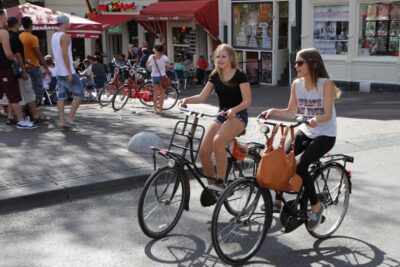
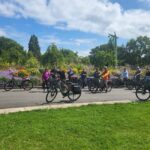
Amsterdam is built for bikes. And this 3-hour guided ride is the fastest way to feel how the city moves—canals, bridges, and bike lanes included. I really like that the tour keeps you with a local guide who knows the story behind the streets, with guides like Rad and Miriam leading groups in a calm, safety-first way. It’s also a nice way to string together a lot of central Amsterdam without trying to plan every turn yourself.
What I love most is the mix of classic sights and “you’ll miss this on foot” corners. You’ll roll from the Central Station area past A’DAM Tower, across to the Western Islands with its drawbridges and old warehouses, then into the Jordaan/De Negen Straatjes zone for boutique-and-café wandering energy (but from the saddle). You even get a planned break in Vondelpark, which is where the tour shifts from sightseeing speed to breathing room.
One thing to consider: this isn’t for first-time riders or anyone who can’t confidently bike in traffic. Amsterdam cycling is smooth once you’re used to it, but you still need stamina for ~3 hours and comfort moving through busier routes. A helmet is available upon request, and you’ll want to bring basic road-day gear like headphones and water.
In This Review
- Key highlights you should care about
- Why this bike tour works better than trying to DIY the center
- Meet at AmsterBike: what the start feels like
- Western Islands: drawbridges, warehouses, and artist-studio vibes
- Jordaan, De Negen Straatjes, and canal-side street culture
- Westerkerk and the historic center near Anne Frank House
- Leidseplein energy, street performance zones, then Vondelpark reset
- Museum Quarter loop: cycling a “see it at speed” art-and-design zone
- De Pijp narrow streets and skinny-bridge glory: Magere Brug
- Het Scheepvaartmuseum and the Salt Harbour ship replica
- Pace, bike comfort, and group size (what you’re really signing up for)
- Value check: is $41 a smart deal for 3 hours in central Amsterdam?
- Who this tour is best for
- Should you book this Amsterdam guided bike tour?
- FAQ
- What’s the duration of the Amsterdam bike tour?
- Where do I meet the guide?
- What’s included in the price?
- Is there an audio guide option?
- How big is the group?
- What should I bring?
Key highlights you should care about
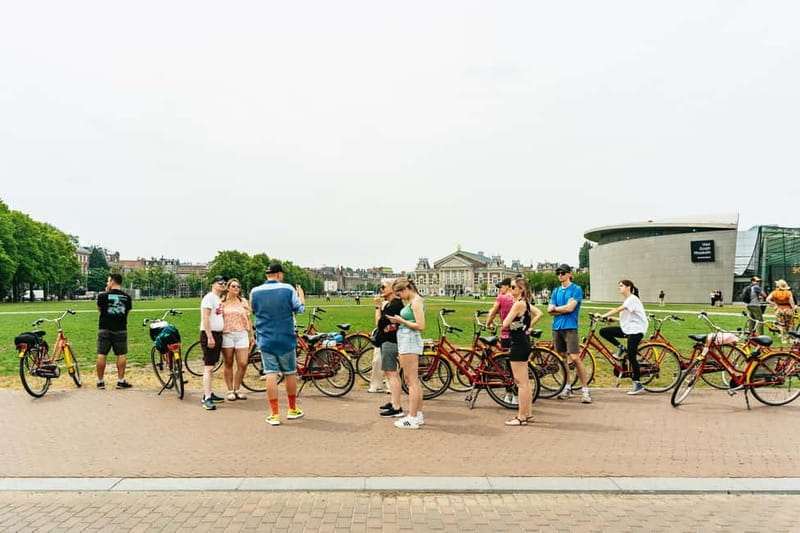
- Small group (up to 15) keeps the pace friendly and makes it easier to hear your guide.
- Western Islands + drawbridges give you “old Amsterdam” textures right by the water.
- Jordaan and De Negen Straatjes are compact, photo-ready, and full of small streets you’d never route on your own.
- Vondelpark break is timed after you’ve covered the biggest-city buzz, so you don’t feel rushed.
- Magere Brug over the Amstel is a signature crossing you’ll remember even if you only get a minute or two.
- Het Scheepvaartmuseum / Maritime Quarter ship replica adds a different angle beyond canals and churches.
Why this bike tour works better than trying to DIY the center
Central Amsterdam can feel like a pinball machine: canals split streets, bridges create bottlenecks, and bike lanes change their rules depending on where you are. A guided route solves most of that stress. In a few hours, you move through multiple neighborhoods that are hard to stitch together on foot without zigzagging.
You also get context. Guides like Chris and Carlos are mentioned for their history storytelling and practical pacing, and that matters here because Amsterdam’s layout makes the “why” of things easier to understand when someone points it out while you’re actually there. You’re not just seeing sights—you’re learning the logic of the city: waterways, trade, and the way people live close together.
And with a group size capped at 15 (often smaller), you’re not fighting for space as hard as you would if you tried to follow a bus group—or if you tried to coordinate your own route with friends mid-ride.
You can also read our reviews of more cycling tours in Amsterdam


Meet at AmsterBike: what the start feels like
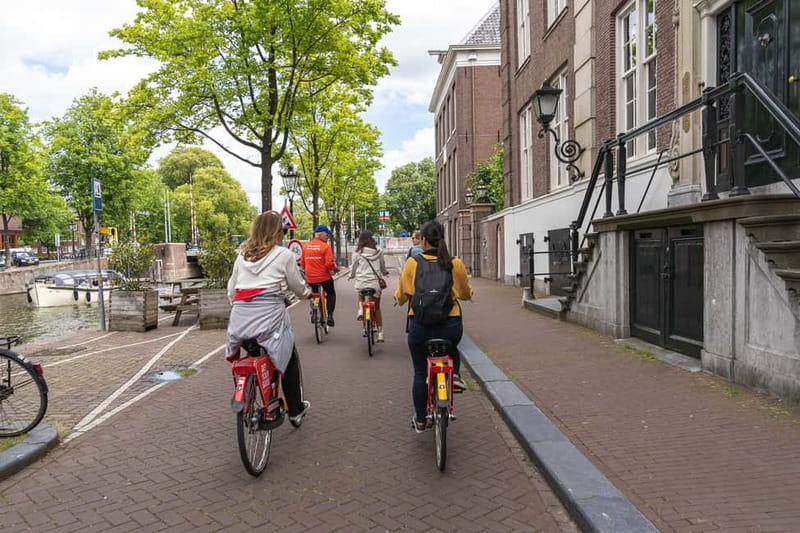
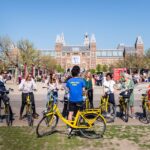
You’ll meet your guide inside the AmsterBike shop, then set off from the Central Station area. This is helpful: it’s a central launch point, so you’re already placed near major connections and easy to find on your first day.
Expect a quick getting-settled phase. The tours are designed for riders who can bike, and the group size stays tight enough that the guide can keep people together. In practice, this often means you’ll get comfortable before the busiest bike zones, since your guide is watching how everyone is handling the flow.
Practical tips that make the ride smoother:
- Bring headphones if you select the optional audio guide (audio languages include French and Spanish).
- Have a charged smartphone for the audio guide app.
- Bring water. The tour includes water bottle filling, so you’re not stuck buying drinks every hour.
Western Islands: drawbridges, warehouses, and artist-studio vibes
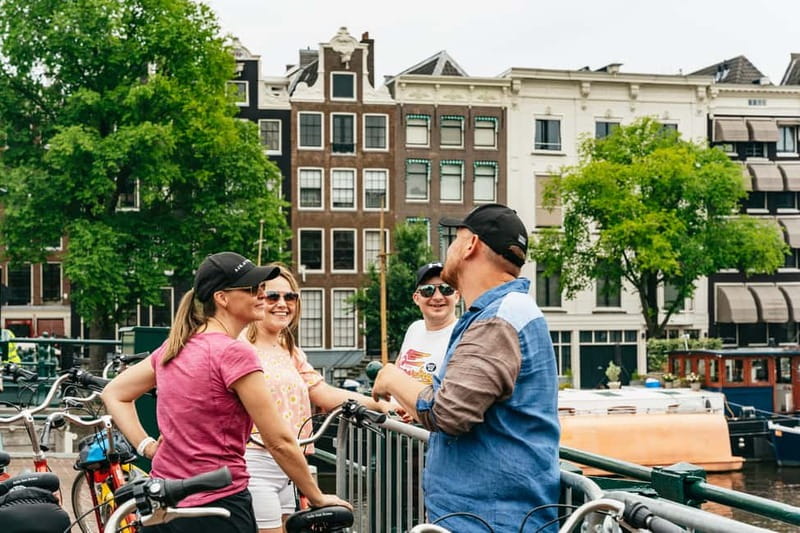
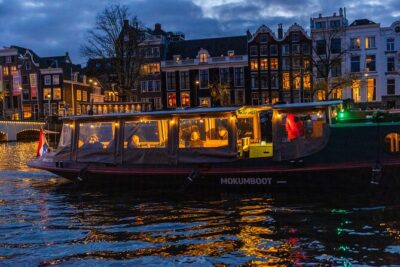
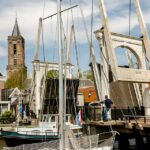
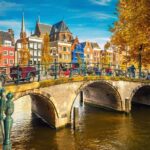
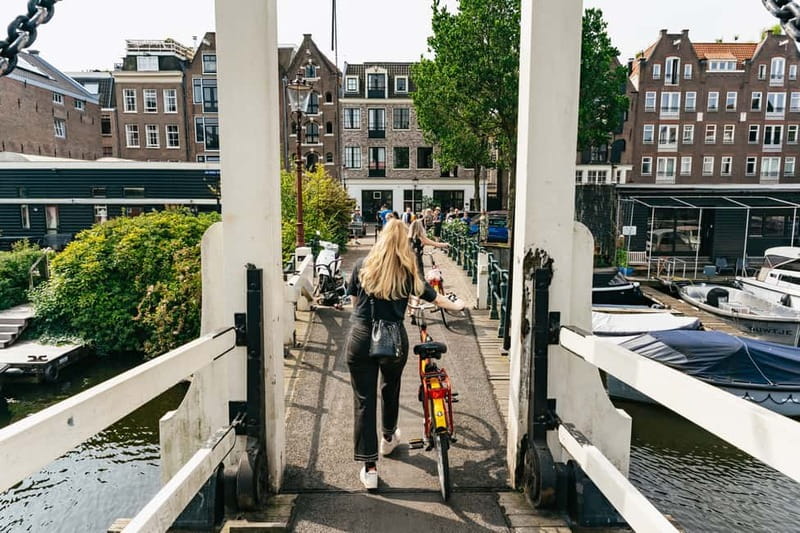
One of the tour’s strongest stretches is the push over to the Western Islands. This area shifts the mood quickly. Instead of the postcard-center crowds, you get a sense of Amsterdam’s working-and-storing past: older warehouses along the water, and drawbridges that look like they’ve been part of daily life for ages.
As you ride, you’ll also notice the island geometry makes views feel layered—canal lines, industrial edges, and small bridges that change your angle every few minutes. That’s the kind of scenery that doesn’t read as well in a photo, because the motion matters.
Possible drawback: if you’re expecting constant landmark drama every few seconds, this section can feel more “scenic and textured” than “big monument nonstop.” That said, it’s exactly what gives the overall tour balance.
Jordaan, De Negen Straatjes, and canal-side street culture
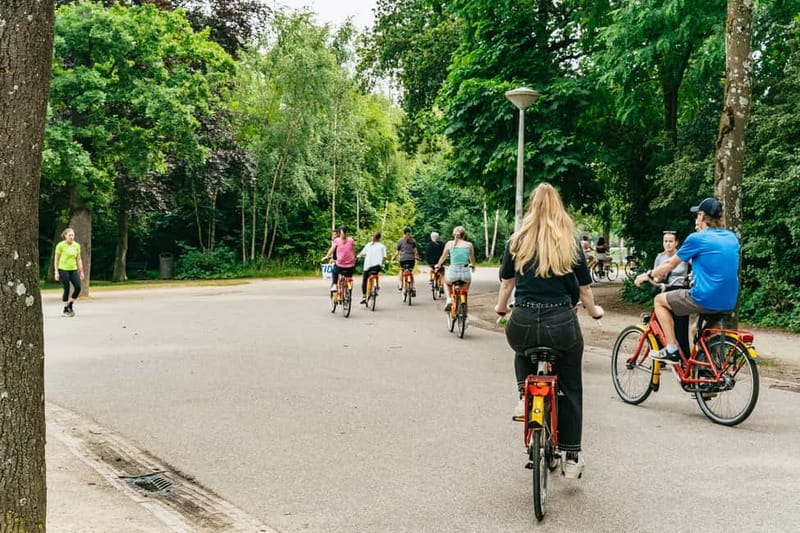
After the Western Islands, the route moves through the canal fabric toward the Jordaan and De Negen Straatjes area. This is where the city’s everyday side shows up: indie boutiques, cozy cafés, and hip eateries. You’re not just cycling past shutters and storefronts—you’re passing neighborhood lanes that feel made for wandering.
If your legs like breaks but your brain wants input, this part is perfect. You can take in small streets and storefront rhythm without spending time searching for what’s worth seeing.
One consideration: narrow streets and heavier bike traffic can make tight photo moments tricky. If you like pictures, plan to shoot quickly when your group pauses and keep your phone secure while rolling.
Westerkerk and the historic center near Anne Frank House
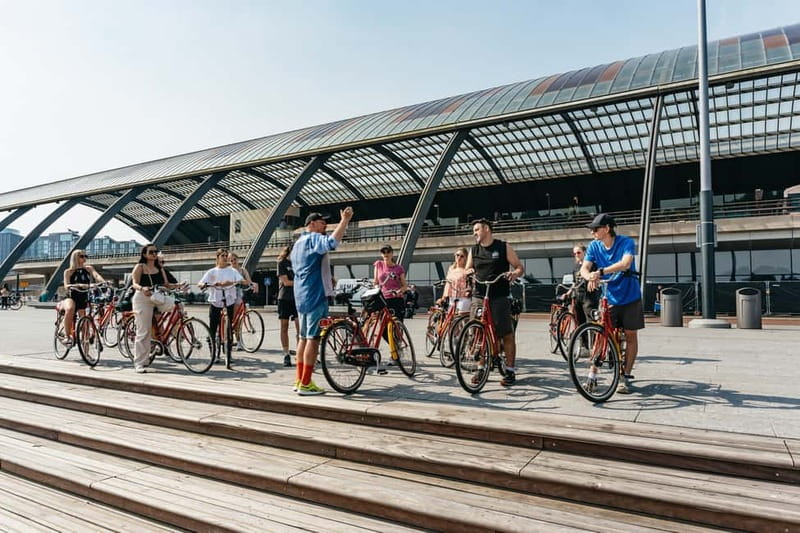
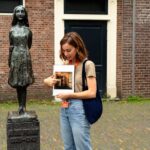
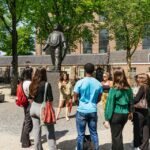
As you ride deeper into the city center, you’ll pass major landmarks along the way, including the Westerkerk area and the historic Anne Frank House neighborhood zone. This is a meaningful slice of Amsterdam, and your guide’s job is to connect what you’re seeing with why it matters in the city’s story.
What I like about this portion is that it doesn’t require a museum ticket to add weight. You’re learning as you go, with context given while you’re still in the streetscape—so the information sticks better than it would after you’ve left.
Watch for this practical detail: because this area is busy, you’ll want to stay attentive to the guide’s instructions and the pace changes. It’s not about being tense—just about staying aware.
You can also read our reviews of more guided tours in Amsterdam





Leidseplein energy, street performance zones, then Vondelpark reset
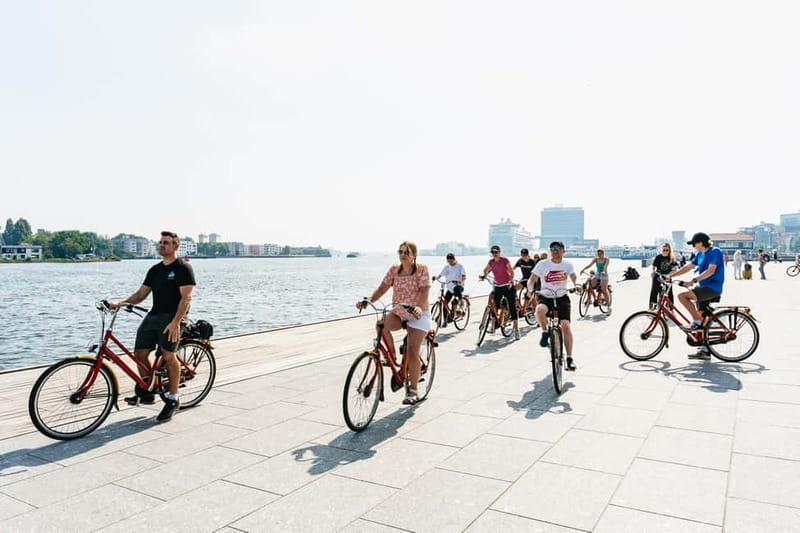
Leidseplein Square is the kind of place where Amsterdam shows its nightlife pulse. Expect music and street performers, plus theater-district energy. Riding through it gives you that “the city is alive” feeling without needing to go inside anywhere.
Then the ride slows in the right way: Vondelpark break time. This park is the largest in Amsterdam and one of the most famous parks in the Netherlands, and getting a planned pause here makes the whole tour feel fair. After hours of bridge crossings and neighborhood switching, your body gets a chance to catch up.
From an enjoyment standpoint, I think this break is the secret sauce. It stops the tour from feeling like constant motion and gives you time to reset before the Museum Quarter and De Pijp sections.
Museum Quarter loop: cycling a “see it at speed” art-and-design zone
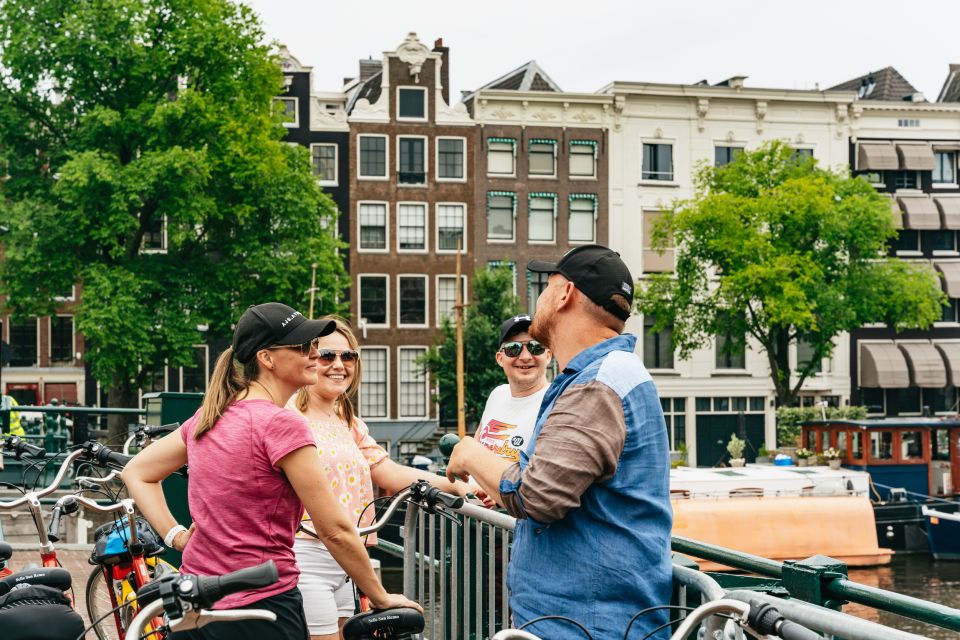
After the Vondelpark break, you circle the Museum Quarter (Museumplein area). This is a good match for bike travel because the streets are made for movement, and the open-space feel of the area helps you stretch your legs a bit after tighter inner neighborhoods.
Even if you’re not planning to enter specific museums, the ride gives you orientation for where things are. You’ll come away understanding the distances and directions between major sights, which makes later planning easier.
Possible drawback: if you’re hoping for nonstop stops where you hop off and explore at length, this section is more of a “ride, look, absorb, continue” moment. The trade-off is that you cover a lot more ground in 3 hours.
De Pijp narrow streets and skinny-bridge glory: Magere Brug
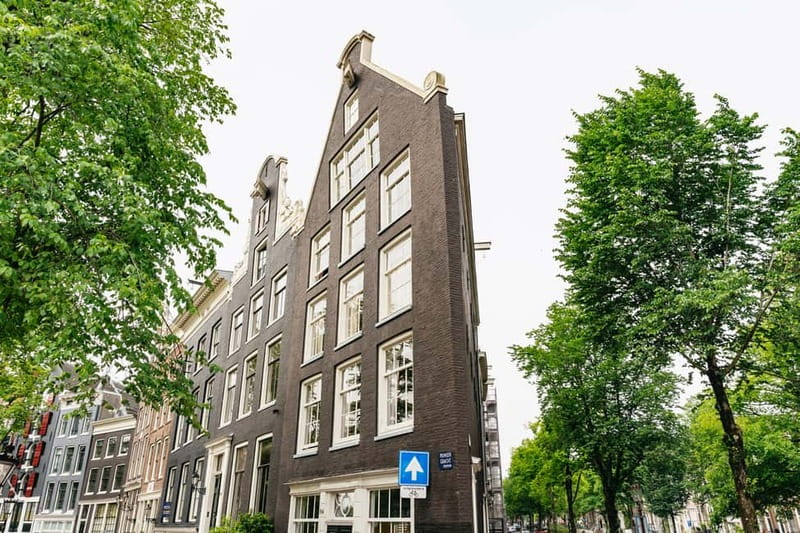
De Pijp is described as Bohemian-influenced, and that vibe shows in the street feel. You’ll ride through narrow streets with a neighborhood feel—less formal, more lived-in. It’s also a great contrast to the Museum Quarter, since the texture changes right away.
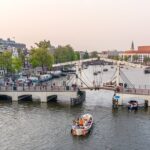
Then comes one of Amsterdam’s most famous crossings: Magere Brug, the skinny wooden drawbridge over the River Amstel. Even if you’ve seen it in pictures, the experience of crossing it by bike is different. You feel the curve of the river, you see how the bridge connects neighborhoods, and the angle changes fast as you move.
If you’re traveling with someone who loves photos, this is where you’ll be glad you chose the bike option. The bridge is iconic because it’s specific, and the bike route puts you in the right spot at the right time.
Het Scheepvaartmuseum and the Salt Harbour ship replica

In the Maritime Quarter area, you’ll head toward Het Scheepvaartmuseum and pass by the Salt Harbour. The standout detail here is the impressive replica of a 17th-century Dutch East Indian Company ship.
This stop works well because it breaks the tour’s visual “canals + churches + squares” pattern. You get a trade-and-seafaring connection that fits Amsterdam’s identity as a city shaped by water routes and commerce.
You also arrive near the Artis Zoo area as part of this stretch. The ride through this part of town helps stitch together the city’s cultural and historic themes without turning it into a museum marathon.
Pace, bike comfort, and group size (what you’re really signing up for)
This is a 3-hour tour, built for active sightseeing. The ride time is long enough that you’ll feel it in your legs, but the pacing is designed to keep people together without turning it into a fitness test.
Your group is capped at 15, which is key. It makes it realistic for a guide to manage stops, photo moments, and slower riders. In the better guided tours, the guide actively checks in, adjusts pace, and keeps the group flowing—something reflected in the standout guides people call out, like Rad’s safety focus and Chris’s ability to keep the tone informative but not heavy.
Bikes are provided, and they’re described as easy to ride and smooth. There are no hills in Amsterdam other than the slight incline when you go over bridges, so the biggest challenge is not steep terrain—it’s staying comfortable in bike traffic and paying attention to lane movement.
The most important fit-check:
- You must be able to ride a bike confidently.
- If you’re anxious around crowds and moving bikes, choose a calmer day if you can, and rely on your guide’s routing.
Value check: is $41 a smart deal for 3 hours in central Amsterdam?
$41 for 3 hours may look modest compared to museum tickets, and that’s the point. You’re buying:
- A live guide (with multilingual options),
- A bicycle,
- Helmet upon request,
- A snack (stroopwafel),
- Water bottle filling,
- And an optional audio guide app if you choose that add-on.
More importantly, you’re buying time. In one morning or afternoon, you cover multiple neighborhoods that would take you a full day to walk efficiently. The price also makes sense because the group size stays small, so you’re not paying for the experience of being herded.
For value, I’d look at it this way: if you already planned to bike around central Amsterdam on your own, you’d still spend time figuring out routes and where to stop. Here, the guide handles both.
Who this tour is best for
This tour is ideal if you:
- Want a fast introduction to central Amsterdam neighborhoods,
- Like history and city culture explained on the move,
- Enjoy cycling and want a structured route with limited guesswork,
- Prefer small groups over big buses.
It’s not a great match if:
- You can’t ride a bike,
- You want fully guided walking time at every major landmark,
- You’re uncomfortable with the idea of riding through busy bike zones.
Should you book this Amsterdam guided bike tour?
I’d book it if you want your first (or second) day in Amsterdam to feel organized and alive. The route covers the essentials—drawbridges on the Western Islands, Jordaan street culture, central landmark areas, Leidseplein energy, Vondelpark reset, then De Pijp and Magere Brug—without leaving you stuck in lineups or planning gridlock.
If you’re the type who gets overwhelmed by options, this tour turns Amsterdam into a readable map. And because the ride time is exactly long enough, it doesn’t drag. It leaves you with enough energy to do more afterward, armed with a better sense of where things are and how the city flows.
If you want, tell me what day of the week you’re traveling and your comfort level on a bike (first time vs regular rider). I can suggest the best approach for enjoying the ride with minimal stress.
FAQ
What’s the duration of the Amsterdam bike tour?
The tour runs for about 3 hours.
Where do I meet the guide?
Meet your guide inside the AmsterBike shop.
What’s included in the price?
It includes the bike and a live guide (English or German-speaking, with live guide languages listed as English, German, Dutch), a stroopwafel snack, and water bottle filling. Helmet is available upon request.
Is there an audio guide option?
Yes. If you select the audio option, you can use an audio guide app. Audio languages listed include French and Spanish.
How big is the group?
Group size is limited to a maximum of 15 people.
What should I bring?
Bring headphones, a charged smartphone (for the audio app if you choose it), and water.