REVIEW · AMSTERDAM
Dutch Winetasting – Amsterdam City Centre
Book on Viator →Operated by Design & Wijn · Bookable on Viator
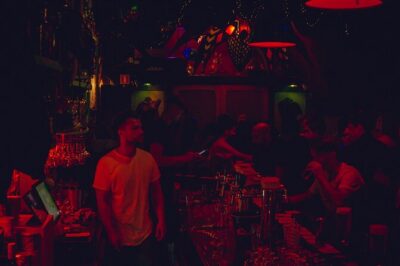
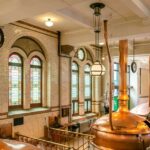
Dutch wine surprises you fast in Amsterdam. This tasting takes you into a hidden speakeasy wine cellar near Haarlemmerdijk, where a sommelier walks you through 5 carefully chosen Dutch wines. What I really liked is the way the guide can shift to your level, from first-timer to wine-nerd mode, often with hosts like Diederik bringing real storytelling to each pour.
My other favorite part: the food is built in, not tacked on. You get bread from artisan Gebr. Niemeijer (the palate reset that keeps the wines from blurring together), plus water, tasting forms, and a postcard to take home. One consideration: if you’re hoping to buy the exact bottles you taste right then, you might run into limited availability on-site.
In This Review
- Quick takeaways
- Entering The Speakeasy at Haarlemmerdijk 129
- The 5-Wine Flight: What You’re Really Signing Up For
- Dutch Wine Styles You Might Taste (and Why It Matters)
- Bread From Gebr. Niemeijer: The Palate Reset You’ll Appreciate
- The Pairing Moment: How Food Changes the Wine
- Royale Upgrade: Charcuterie If You Want a Longer, Fuller Evening
- Host Energy: Diederik, Jeroen, and the Value of a Real Guide
- Price and Value in the Center of Amsterdam (About $57.32)
- Small Group Size and Timing: What You Should Plan Around
- Practical Notes: Allergies, Accessibility, and Taking Wine Home
- Should You Book This Dutch Wine Tasting?
- FAQ
- How long does the Dutch wine tasting last?
- What is included in the tasting?
- Is the tour offered in English?
- Where do I meet for the tour?
- Can the tasting be adapted if I’m a beginner?
- Can I cancel for a refund?
- Final verdict
Quick takeaways
- Speakeasy cellar setting near the center, tucked away so the experience feels special without being fussy
- 5 Dutch wines from local winemakers, guided in English
- Bread from Gebr. Niemeijer included for a real palate cleanse
- Level-based pacing, so beginners and serious collectors both get something useful
- Small group size (max 18) keeps it social, but still relaxed
- Optional Royale upgrade adds a charcuterie platter if you want more to snack on
Entering The Speakeasy at Haarlemmerdijk 129
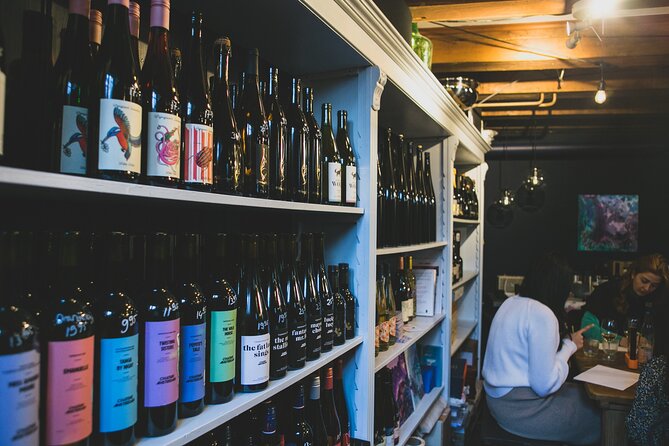
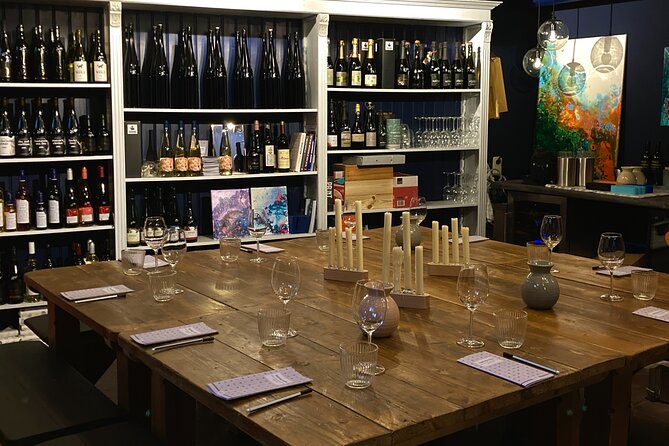
The meeting point is Haarlemmerdijk 129, right in Amsterdam’s city-center rhythm. The vibe is part practical, part theatrical: you’re not just walking into a wine bar—you’re finding a tucked-away wine cellar experience.
Plan on arriving a few minutes early. With a set tasting window of about 1.5 to 2 hours, being late usually turns the whole rhythm into guesswork. And because it’s a mobile ticket experience, have your confirmation ready on your phone.
Also, this is a group tour, not a private apartment tasting. That matters because the room is designed for conversation and pacing. Even so, with up to 18 travelers, it doesn’t feel like a cattle call. You should still be able to ask questions and get clear guidance.
You can also read our reviews of more city tours in Amsterdam

The 5-Wine Flight: What You’re Really Signing Up For
The core of the experience is simple: you taste 5 Dutch wines, guided by a sommelier. The tasting is designed to last about 90 minutes to 2 hours, so it’s long enough to actually notice differences between styles—not long enough to feel like a wine marathon.
The part I found most useful is that the tasting is customized to your level of knowledge. If you know almost nothing about wine, you’ll get help with what to look for and how to read the wines. If you’re more experienced, the guide can go deeper into production choices and regional differences. That flexibility is a big deal, because most tastings either talk down to beginners or talk over everyone else.
In Amsterdam, it’s easy to assume Dutch wine is an afterthought. This format quietly corrects that. Your sommelier sets the stage by explaining what makes Dutch wine distinct—then you taste it in a logical sequence, with short pauses so you can process what you’re actually tasting.
Here’s what to expect in practice:
- You’ll get tasting forms and water, so you can slow down and compare
- You’ll taste multiple styles, not just one safe crowd-pleaser
- The guide talks while you sip, but not in a lecture voice—think guided listening
One more note for timing: in smaller rooms where a host is managing more than one table, there can be brief moments between pours. It’s usually not dramatic, but it can feel slower than a private tasting. If your schedule is tight, give yourself a buffer afterward.
Dutch Wine Styles You Might Taste (and Why It Matters)
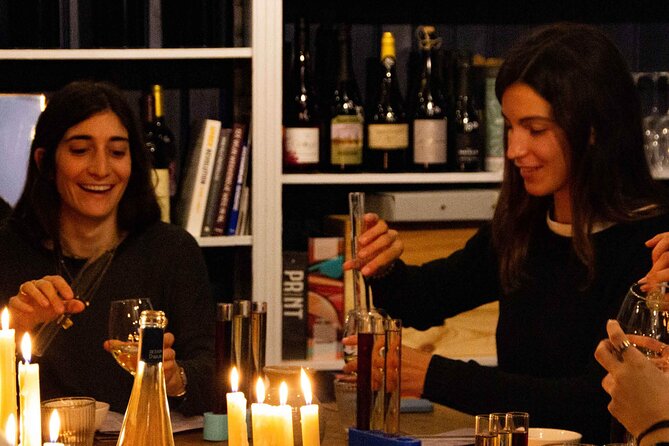
The tasting is built around wines from local Dutch winemakers, and that local focus is exactly why it works. You’re not just learning general wine terminology. You’re learning how Dutch producers think—what they choose to emphasize, and what techniques change the taste in your glass.
From the kinds of wines described in the tasting options (including the Royale version), you may encounter styles that show how Dutch winemaking can vary:
- Steel-driven freshness (some Dutch wines use stainless steel to keep the profile crisp and clean)
- Blends and barrel elements (some selections include more traditional aging methods, which can add a different texture)
- Orange wine appears in at least some versions of the experience, which is a fun way to learn how “skin contact” changes color and flavor
If you’re new, these aren’t just trivia. They help you stop thinking of wine as a single flavor category and start thinking of wine as choices: grape, fermentation, aging, and even what happens before the wine reaches your glass.
And if you’re more experienced, this is where the tasting can feel surprisingly rewarding. Dutch wine is often discussed as a curiosity. A good guide treats it as a real wine world—with real technique—and that’s when the education sticks.
Bread From Gebr. Niemeijer: The Palate Reset You’ll Appreciate
Wine tastings often cheat: you sip, you snack, and the wine fights the food. Here, the snack is part of the plan.
Your included starter is bread from Gebroeders Niemeijer (listed as Gebr. Niemeijer). It’s there as a clean reset between wines, so you can actually taste what changes from one pour to the next. You’ll also get water along the way, which keeps you in control of the tasting, especially if you’re pacing yourself.
You can also order additional bites on site. That’s handy if you find yourself lingering in the flavors or if you want a fuller meal later without scrambling around Amsterdam first.
Practical tip: eat the bread slowly and use it like a palate tool. Don’t treat it as a snack you down and forget. A few bites, then return to the wine. It’s a small move that makes a big difference in what you notice.
The Pairing Moment: How Food Changes the Wine
One of the most consistent strengths of this experience is that the tasting doesn’t stay in liquid-only territory. The guide pairs what you’re tasting with the bread (and, if you upgrade, with more substantial local items).
Why that matters: wine flavors can shift depending on what’s on your tongue. Salt, fat, and texture can soften sharp edges and make certain aromas pop. Even bread alone can steady your perception and keep the tasting from turning into one long swirl.
In the basic version, you’re mainly pairing wine with bread. In the Royale option, you’ll get a charcuterie platter with local products. That shift turns the tasting into more of a mini meal, so you get more time to linger over each pairing rather than rushing to get through the pours.
If you like food as much as wine, you’ll probably feel the difference right away.

Royale Upgrade: Charcuterie If You Want a Longer, Fuller Evening
The standard tasting includes bread, but the Royale upgrade adds a delicious charcuterie platter made with local products. That’s the simplest way to think about it: more bites, more pairing moments, and usually a richer overall experience.
In at least some versions of the Royale tasting, the wine lineup can include more variety than the standard set—for example, a sparkling selection, an orange wine, and even a fortified red. If you’re the type who wants the full Dutch wine spectrum in one go, Royale is usually the better match.
Who should upgrade?
- You want to turn the experience into a real evening plan, not just a quick tasting
- You enjoy the food-and-wine teamwork (cheese, cured meats, and texture matter)
- You’re traveling with someone who wants both learning and comfort
Who might skip Royale?
- You’re trying to keep the budget simple
- You’re more focused on wine education than on a platter-style meal
- You plan to eat a proper dinner afterward
Host Energy: Diederik, Jeroen, and the Value of a Real Guide
A big part of why this tasting works is the hosting. In the room, you’ll be led by a sommelier who explains what you’re tasting and why it was selected. Many hosts lean into a calm, personable style—less stiff, more human.
Names that come up include Diederik, Jeroen (often spelled Jerom/Jerome by visitors), and Rose. Regardless of who you get, the pattern is the same: the guide doesn’t just read off notes. They talk through the winemaking choices you can taste.
That makes a practical difference for you. If you’re not sure what you like, you can ask. If you’re curious about why something tastes the way it does, the guide can explain in plain language. And if you’re more advanced, you can still push for production details like aging style and the impact of techniques.
It’s wine education, but with enough warmth that it doesn’t feel like homework.
Price and Value in the Center of Amsterdam (About $57.32)
At $57.32 per person, this isn’t a bargain-bucket deal. It’s priced like a guided wine experience with real ingredients—not just five sips in a crowded bar.
The value is in what’s included:
- 5 tasting glasses of Dutch wines
- Bread from Gebr. Niemeijer
- Tasting forms and a postcard
- Water
- Guidance from a sommelier in English
Also, the experience has strong customer feedback: a 4.9 rating across 77 reviews, with 99% recommended. That’s not a guarantee, but it’s a good signal that people are leaving with more than just a buzz.
Another practical point: the average booking time is about 27 days in advance, which suggests it’s popular. If you’re traveling in peak season or on weekends, booking earlier helps you avoid the “sold out” problem.
Small Group Size and Timing: What You Should Plan Around
This activity caps at 18 travelers, which supports a more relaxed feel than bigger warehouse-style tours. You’ll still be part of a group, though, so plan to share the room and conversation rather than expect a private pace.
Your tasting runs 1.5 to 2 hours, and the ending point is the same as the meeting point. That’s convenient for planning the rest of your day in central Amsterdam.
If you’re combining this with other activities, here’s my simple schedule logic:
- Don’t book another tasting or heavy activity right after—give yourself time to walk off the wine
- If you have dinner plans, either eat early or leave some buffer
Practical Notes: Allergies, Accessibility, and Taking Wine Home
This experience is flexible on dietary needs. You’ll want to indicate any allergies, and you can request vegan or gluten-free accommodations (as noted in the info). Service animals are allowed, and it’s near public transportation.
One more consideration: if your goal is to buy the exact bottles you taste, ask directly. Some tastings have limited on-site purchasing options, especially if the shop isn’t fully stocked where the tasting happens. You might still be able to buy certain bottles, but don’t assume it’s a walk-in wine store with every pour available immediately.
Should You Book This Dutch Wine Tasting?
Book it if you want a low-stress, high-learning way to understand Dutch wine right in the city center. The speakeasy cellar setup makes it feel like a special Amsterdam detour, and the combination of 5 Dutch wines plus Gebr. Niemeijer bread is a strong formula for tasting clarity.
Skip or consider a different option if you need the experience to double as a shopping trip for the exact bottles you try. Also, if your schedule is extremely tight, remember it’s a real time block: 1.5 to 2 hours.
If you’re planning an afternoon in Amsterdam and you like food + wine + a guide who can tailor the pace, this is one of those activities that tends to leave you with stories you’ll actually remember.
FAQ
How long does the Dutch wine tasting last?
It lasts about 1.5 to 2 hours.
What is included in the tasting?
You get 5 tasting glasses of Dutch wines, bread from Gebr. Niemeijer, plus tasting forms, water, and a postcard.
Is the tour offered in English?
Yes, it’s offered in English.
Where do I meet for the tour?
The meeting point is Haarlemmerdijk 129, 1013 KE Amsterdam.
Can the tasting be adapted if I’m a beginner?
Yes. The tasting can be customized to your level, from novice to expert.
Can I cancel for a refund?
Yes. You can cancel for a full refund up to 24 hours before the experience starts.
Final verdict
I’d book this if you want a relaxed Dutch wine education with real pairing support and a setting that feels quietly secret in the middle of Amsterdam. Just go in expecting a guided tasting experience more than a guaranteed take-home bottle shop, and you’ll have a great afternoon.