REVIEW · NORTH HOLLAND
Private Sushi Workshop in Hilversum
Book on Viator →Operated by Nigel van der Weerd · Bookable on Viator
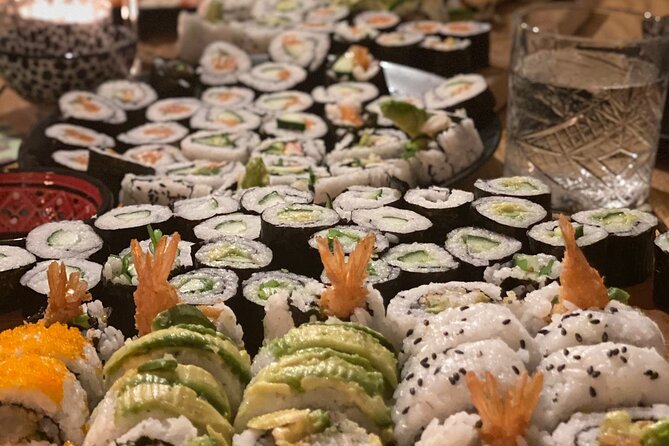
Sushi class at home beats TV. In a private workshop led by Nigel van der Weerd (a former sushi restaurant owner and chef), you’ll learn to make maki, nigiri, uramaki, and temaki—then eat what you make for dinner. I like that the teaching is hands-on and patient, and I also like the small-group vibe. One thing to consider: it’s set up as a shared experience with a minimum group size, so solo booking may be harder depending on availability.
You meet at Kometenstraat 1223, Hilversum at 5:00 pm for about 2 hours 30 minutes. Snacks and alcoholic beverages are included (wine, beer, or non-alcohol drinks), and your menu can be adapted with meat and fish or made vegetarian if needed. If you’re hoping for a quick drop-in tasting, this is more of a real skills session than a show.
In This Review
- Key things to love about this private sushi workshop
- A private sushi-making class in Hilversum you’ll actually use
- Meeting Nigel van der Weerd (and the warm teaching vibe)
- Your hands-on sushi game plan: maki, nigiri, uramaki, temaki
- Maki: the rolled sushi you’ll master first
- Nigiri: shaping and topping with precision
- Uramaki: the inside-out roll twist
- Temaki: the cone hand roll
- How the dinner works: your sushi becomes the meal
- Vegetarian, fish-and-meat, and customizing your menu
- Timing and logistics: 5:00 pm, about 2.5 hours, and the group size rule
- Price check: is $108.45 per person worth it?
- Can you host the workshop at your Airbnb? Yes, if you have a kitchen
- Who should book this sushi workshop (and who might not)
- Should you book this private sushi workshop in Hilversum?
- FAQ
- What sushi styles will I learn to make?
- Is this a private sushi workshop?
- Where does the workshop start?
- What time does the workshop start, and how long is it?
- What’s included with the workshop?
- Can the menu be vegetarian?
- How big is the group?
- Can the workshop happen at my vacation rental?
- What is the cancellation policy?
Key things to love about this private sushi workshop
- Four classic styles: maki, nigiri, uramaki, and temaki, so you practice different techniques instead of repeating one roll
- Chef-led, not scripted: Nigel van der Weerd teaches with guidance that goes from rice to toppings
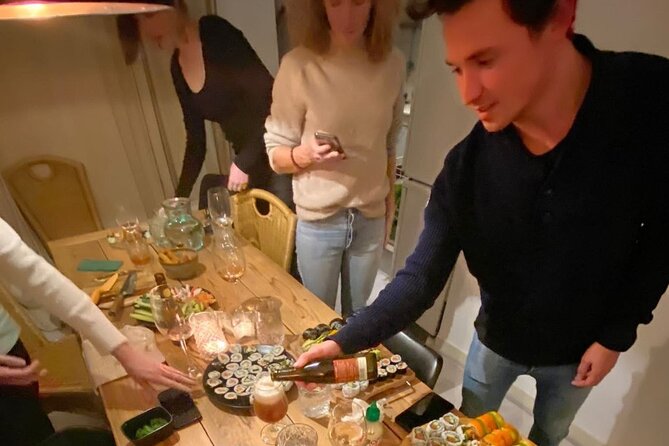
- Dinner is built in: you make sushi and then eat it as your meal
- Drinks included: wine, beer, and non-alcohol options, plus snacks
- Menu can fit you: meat and fish or vegetarian adaptations
- Optional at-your-place format: possible to host in your vacation rental if you have a kitchen
A private sushi-making class in Hilversum you’ll actually use
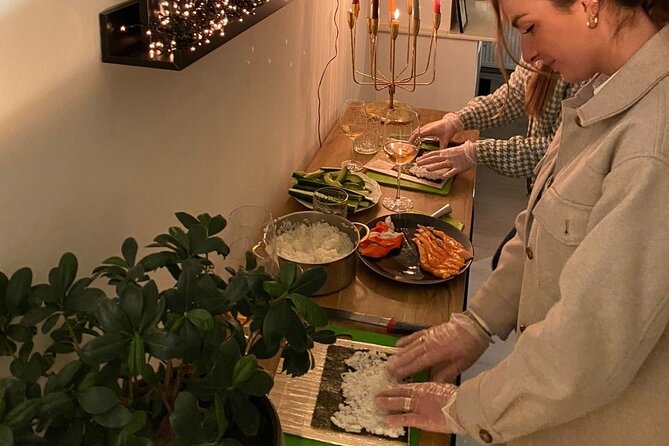
Let’s get practical: this isn’t a fancy restaurant meal where you just watch someone else do the work. It’s a private Japanese cooking workshop focused on technique, especially the fundamentals that make sushi taste right and hold together.
Hilversum is in North Holland, and while the workshop is sometimes described alongside Amsterdam, your meeting point is in Hilversum: Kometenstraat 1223. The upside is that you get a local, calm start rather than racing through crowds. The downside is simple: you’ll want to plan your trip there and back, especially because it starts at 5:00 pm.
Also, the workshop caps at 10 travelers. That matters because sushi needs attention. You can’t rush your rice texture or your shaping and hope it works out. In a small class, you’re more likely to get real guidance instead of generic tips.
You can also read our reviews of more private tours in North Holland



Meeting Nigel van der Weerd (and the warm teaching vibe)
The instructor here is Nigel van der Weerd, described as a former sushi restaurant owner and chef. That background matters. Restaurant owners usually teach the way their kitchen works: clean steps, clear order, and small fixes that prevent disasters later.
The teaching style that stands out is the warm, patient pace. In particular, the guidance is praised from the very start—rice through to the toppings. If you’ve ever tried to make sushi at home and felt like the rice was either too sticky, too dry, or too annoying to shape, this kind of chef-led walkthrough is exactly what you want.
And because it’s private, you’re not stuck with a loud room where nobody hears the instructions. You can ask questions and get responses that actually match what you’re doing in front of you.
Your hands-on sushi game plan: maki, nigiri, uramaki, temaki
This workshop’s structure is built around four different sushi styles: maki, nigiri, uramaki, and temaki. That’s the big value. These aren’t just different names—they use different techniques and shapes, so you learn a broader set of skills.
Here’s how I’d think about each one as you choose what to focus on during class:
Maki: the rolled sushi you’ll master first
Maki is the classic rolled sushi. In a workshop like this, it’s usually the place where you learn how to control the roll so it slices cleanly. The key skill is consistency: rice layer, filling placement, and gentle pressure when you roll.
If you want a sushi style you can recreate later, maki is a strong starting point. It’s also a good confidence builder because it teaches you how sushi should feel when packed—not mushy, not fragile.
Nigiri: shaping and topping with precision
Nigiri is rice with a topping. This style tends to be the “technique test” because you’re shaping rice and then placing the topping in a way that looks right and eats well.
Even without extra details, you can expect the chef to focus on how you handle the rice and how you top it without crushing everything. This is where patience pays off. If you’ve struggled with getting a neat shape at home, this is exactly the fix-oriented part of the workshop.




Uramaki: the inside-out roll twist
Uramaki is the inside-out roll style. The workshop includes it on purpose because it forces you to think about texture and structure in a different way. You might have rice on the outside and different handling for the roll.
This is also one of the more satisfying styles to learn because you get a clear “aha” moment once the roll holds. And once you understand the method, you can adapt flavors and fillings later.
Temaki: the cone hand roll
Temaki is a hand roll shaped into a cone. It’s less about tight slicing and more about building a roll that holds its shape while you eat it.
If you like sushi that feels interactive and casual, temaki is a great skill. You’ll also probably find it easier than the roll-and-slice styles once you understand how the sheet comes together.
How the dinner works: your sushi becomes the meal
After you finish making the different varieties, you eat them. That’s not just a nice touch—it’s a learning tool.
Why? Because you immediately taste the results of your rice shaping, roll pressure, and topping choices while the chef’s instructions are still fresh in your head. It’s easier to connect cause and effect. If a roll feels too loose, you’ll remember what you did. If nigiri looks off, you’ll see how that changes the bite.
Also included is your meal pairing:
- Snacks
- Wine or beer, plus non-alcohol drinks (options are included)
That matters because it turns the workshop into an actual evening, not a rushed class that ends and leaves you hungry. The 5:00 pm start makes sense here: you get a dinner plan without needing to book another restaurant right after.
Vegetarian, fish-and-meat, and customizing your menu
The menu can include meat and fish, but it can also be adapted for vegetarians. That’s a practical detail, because sushi workshops often assume you eat everything. Here, you get flexibility.
What you should do is decide what you can eat ahead of time and communicate it clearly when you book. If you want a vegetarian version, ask for it at booking so the workshop can be planned with your preferences in mind.
In general, this kind of customization is a big reason this is worth the private format. You’re not trying to make do with substitutions at the last second.
Timing and logistics: 5:00 pm, about 2.5 hours, and the group size rule
This experience starts at 5:00 pm and runs about 2 hours 30 minutes. That’s a comfortable length for learning without turning into a marathon. Sushi takes time, especially if you’re learning multiple styles.
Group size is an important detail:
- There’s a maximum of 10 travelers
- It’s preferably with a group of at least 4 people
So if you’re a couple, a family, or a small group of friends, you’re in the sweet spot. If you’re traveling solo, check availability early, because the workshop can be adjusted by date or canceled if the minimum isn’t met and you may be offered another date or a refund.
Also, the meeting point is near public transportation. That helps because this is a workshop you’ll want to reach without stress, then leave without hunting for parking.
Price check: is $108.45 per person worth it?
At $108.45 per person, this sits in the “pay for quality and instruction” category. It’s not a bargain, but it’s also not overpriced in a way that feels random—mainly because you’re getting a lot bundled into the fee.
Here’s what your money is paying for, based on what’s included:
- A private sushi-making workshop with an experienced chef
- Instruction for four sushi styles
- Snacks during the session
- Drinks (wine, beer, or non-alcohol)
- A full dinner from what you make
If you compare it to doing sushi in a restaurant plus paying for a class plus adding drinks and time, the value starts to make sense. You’re not just buying food; you’re buying a guided skill session in technique and tasting.
Where it might not feel worth it is if you only want one simple roll and don’t care about technique. This workshop is built for hands-on learning across multiple types.
Can you host the workshop at your Airbnb? Yes, if you have a kitchen
One of the more useful options is that the workshop can be organized at your vacation rental—if you have a kitchen available.
This is great if you want:
- Less commuting
- A more “your own evening” setup
- An experience that feels personal and not like a class you travel to
The practical catch is the kitchen requirement. You’ll want to confirm you can accommodate sushi prep comfortably—counter space, basic prep setup, and enough room for the instructor and group to work.
Also, because it’s a private experience, it’s easier for the setup to match your space compared to a typical large group demo.
Who should book this sushi workshop (and who might not)
This is a strong fit for:
- Couples or friends who want a shared skill you can repeat later
- Food lovers who like learning technique, not just eating
- People comfortable with sushi and curious about learning multiple styles
- Vegetarians who want a menu adaptation rather than a take-it-or-leave-it option
- Groups of 4 or more, where the workshop’s group-friendly structure works well
You might skip it if:
- You want a quick tasting with no serious hands-on learning
- You’re traveling solo and dates don’t line up with the minimum group requirement
- You don’t want to deal with the logistics of reaching Hilversum at 5:00 pm, or hosting at your place without a kitchen
Should you book this private sushi workshop in Hilversum?
I’d book it if you want a dinner that turns into a skill lesson. You’re paying for expert guidance from Nigel van der Weerd, plus a real chance to practice maki, nigiri, uramaki, and temaki instead of just sampling one style. The included drinks and snacks make it feel like an actual evening, not a rushed class.
If you’re picky about timing, start by checking whether 5:00 pm works for your schedule, and double-check that your group size fits the workshop’s preferred setup. For the right group, it’s one of those experiences that’s fun, practical, and memorable because you leave with sushi you can make again at home.
FAQ
What sushi styles will I learn to make?
You’ll learn to make maki, nigiri, uramaki, and temaki during the workshop.
Is this a private sushi workshop?
Yes. It’s described as a private Japanese cooking workshop with hands-on guidance from the chef.
Where does the workshop start?
The meeting point is Kometenstraat, 1223 Hilversum, Netherlands, and the activity ends back at the meeting point.
What time does the workshop start, and how long is it?
It starts at 5:00 pm and lasts about 2 hours 30 minutes.
What’s included with the workshop?
You’ll get snacks and drinks included, and you’ll enjoy the sushi you make as a dinner. Wine, beer, or non-alcohol drinks are included.
Can the menu be vegetarian?
Yes. The menus can include meat and fish or be adapted for vegetarians.
How big is the group?
The experience has a maximum of 10 travelers, and it’s preferably with a group of minimal 4 persons.
Can the workshop happen at my vacation rental?
It can be organized at your guest or Airbnb location if you have a kitchen available.
What is the cancellation policy?
You can cancel for a full refund if you cancel at least 24 hours before the experience’s start time. If you cancel less than 24 hours before, the amount paid isn’t refunded.