
REVIEW · AMSTERDAM
Rembrandt House Museum Amsterdam Entrance Ticket
Book on Viator →Operated by Rembrandt House Museum · Bookable on Viator
You’ll feel like you’re walking through Rembrandt’s working day. This ticket gets you into Rembrandt House Museum with a multimedia guide (and daily live demos) that explains not just the art, but the life behind it. Expect 17th-century rooms, the studio setup, and extra museum spaces that help the story land.
I especially love the way the experience is built around process. Watching demonstrations tied to etching and paint-making turns Rembrandt from a name on a wall into a real working artist with real techniques.
One thing to plan for: the building has steep staircases and narrow spaces, so it can be tough if you have mobility limits or you hate climbing. On top of that, the audio devices can be slow to load, so give yourself a bit of extra time.
In This Review
- Key Takeaways Before You Go
- Rembrandt House Ticket Value: Why This $26.01 Entry Works
- Getting There and Entering: Mobile Ticket, Public Transit, and the Reality of Stairs
- The Multimedia Guide in 10–13 Languages: This Is the Point
- Stop Inside Rembrandt’s House: The 17th-Century Home and Studio Experience
- The Story Timeline: From Celebrity Artist to Financial Struggles
- Etching Attic and Print-Making: Watch the Technique Happen
- Navigation and Layout: Don’t Count on Easy Backtracking
- What You’ll See Beyond the House Rooms: Drawings, Etchings, and Period Life
- How Much Time Should You Plan?
- Who This Museum Ticket Fits Best (And Who Should Reconsider)
- Should You Book the Rembrandt House Museum Ticket?
- FAQ
- How long does the Rembrandt House Museum visit take?
- Is the multimedia or audio guide included in the ticket?
- Are there live demonstrations or workshops during the visit?
- Is the ticket available on a mobile device?
- Is this experience family-friendly?
- Where is the museum located and how do I get there?
- What if I need to cancel my booking?
Key Takeaways Before You Go
- Multimedia guide included in 13 languages, with story-driven audio to guide you room to room
- Daily live demonstrations/workshops add action beyond the exhibits
- New museum spaces since the 2023 reopening, including an etching attic and an epilogue room
- Studio-focused moments show how Rembrandt approached paint and work in his own space
- Plan more time than an hour because navigation and device loading can slow you down
- Steep stairs mean fitness helps, and you may need a slower pace
Rembrandt House Ticket Value: Why This $26.01 Entry Works
At $26.01 per person, you’re paying for more than a doorway and a few rooms. You get a museum entrance plus a free multimedia guide (13 languages) and daily live demonstrations/workshops, which is where the value really shows.
The visit is listed at about 1 hour, but I’d treat that as a minimum. The museum includes multiple floors, plus hands-on demo moments, and several reviewers emphasized giving yourself at least 2 hours to feel unhurried.
The museum group limit is small, with a maximum of 15 people, which helps keep the experience from feeling like a cattle chute. And because the ticket is a mobile ticket, you can often sidestep the printed-ticket hassle—just keep your phone charged.
You can also read our reviews of more tours and experiences in Amsterdam



Getting There and Entering: Mobile Ticket, Public Transit, and the Reality of Stairs

The museum is near public transportation, so you’re not stuck budgeting time for a long walk through Amsterdam’s streets. It’s also set up so most travelers can participate, but the layout is the catch.
Expect steep staircases and narrow turns. Even if you can handle stairs, your pace will slow a bit because the building is tight. I’d recommend wearing shoes you can grip well, not thin soles that slip on old surfaces.
At entry, you’ll use your mobile ticket. A couple of issues came up around scanning and matching codes, so the practical move is simple: have your confirmation details ready on your phone, and don’t rely on one screen that might fail to load. If your device is low on battery, fix that before you arrive.
The Multimedia Guide in 10–13 Languages: This Is the Point
This ticket’s biggest “make it or break it” element is the guide. The museum offers audio in 10 languages, and the included multimedia guide is listed as available in 13 languages—so you should be able to find English comfortably.
I like that the guide doesn’t treat the house like a static set. It tells Rembrandt’s story across his life in Amsterdam, including his rise and later financial trouble. You follow a timeline, not just random room labels.
Do plan for tech friction. Some visitors found the audio translation devices slow to load, and others had trouble matching rooms to what they saw on the phone. My advice: when you first enter, get settled with the guide right away, then move forward at your own rhythm. If a device hesitates, don’t panic—just give it a minute and keep the flow.
Stop Inside Rembrandt’s House: The 17th-Century Home and Studio Experience

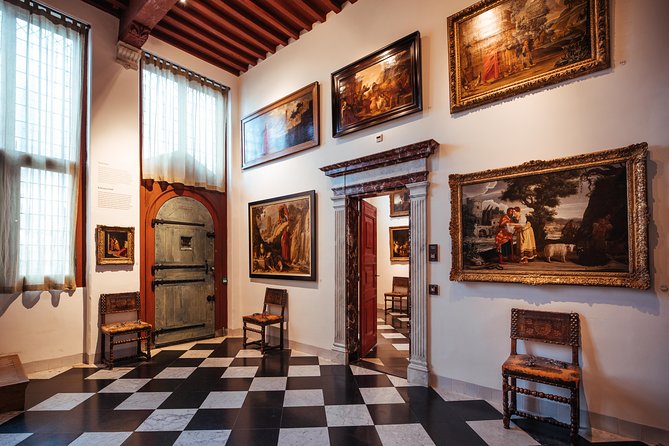
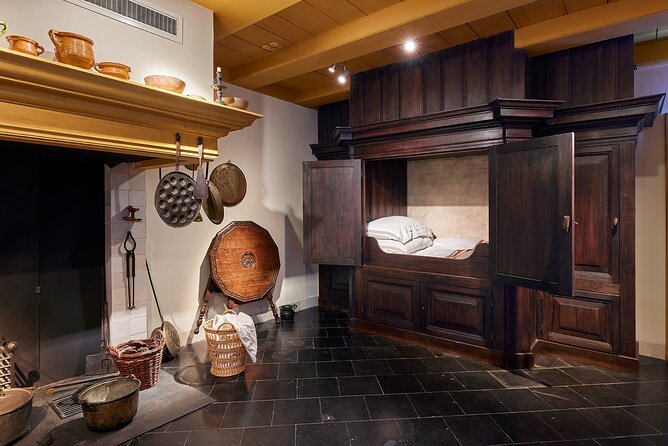
When you walk into Museum Het Rembrandthuis, you’re stepping into a working-style environment that makes Rembrandt feel close. The museum highlights the well-preserved home and studio of Rembrandt van Rijn, with period furnishings and artifacts that show how a 17th-century artist lived.
The 2023 reopening matters because it added 30% more Rembrandt and several new spaces. You’ll encounter an epilogue room, an etching attic, and a third exhibition room—so the story doesn’t stop when you leave the house rooms.
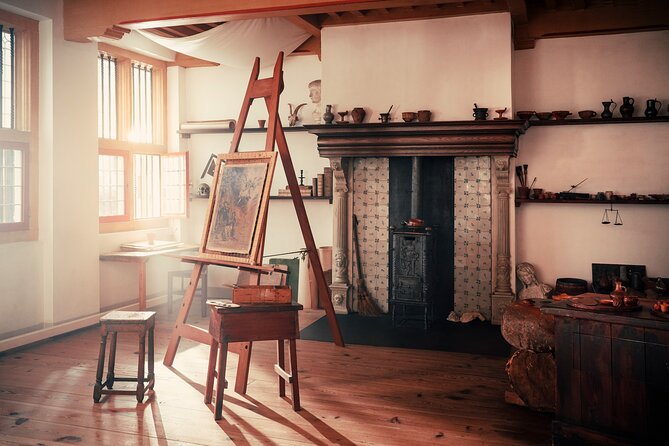
A standout moment is that you’re not just told about his craftsmanship. In the studio space associated with where he made masterpieces, the museum explains how Rembrandt made his paint. That’s the kind of detail that turns a pretty room into a real workshop.
One caution I’d underline: not everything inside the house may be original. Some visitors noted that most of the contents weren’t original, even though the setting feels like time travel. That doesn’t ruin the visit for me, but it helps you calibrate expectations: you’re visiting a blend of history, interpretation, and craftsmanship context.
The Story Timeline: From Celebrity Artist to Financial Struggles
The museum’s multimedia tour focuses on the sweep of Rembrandt’s Amsterdam life. You start with him arriving as an ambitious celebrity artist. Then the guide walks you through how his fortunes changed, including his forced departure due to accumulating debts.
This is where the experience becomes more than art trivia. Amsterdam in the 1600s wasn’t just “old buildings and paintings.” It was business, pressure, reputation, and money—especially for artists who depended on patrons.
If you like seeing how art connects to real-life events, you’ll likely enjoy how the tour ties relationships and career changes back to the work and the environment around him.
You can also read our reviews of more museum experiences in Amsterdam






Etching Attic and Print-Making: Watch the Technique Happen
If you only care about the final artwork, this might not be your favorite museum format. But if you enjoy process, this is one of the strongest parts of the visit.
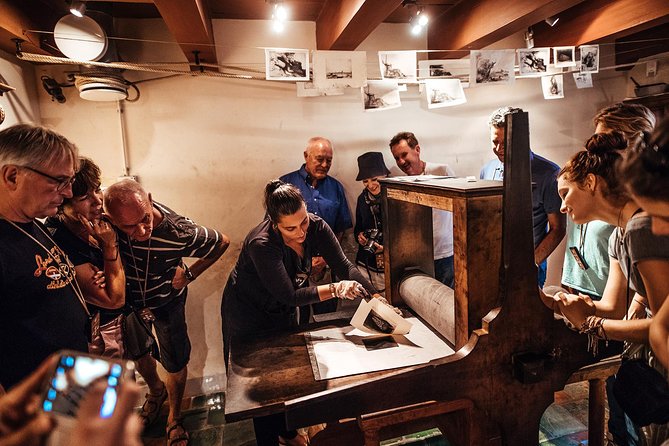
The museum includes a dedicated etching attic, where you learn more about Rembrandt’s etching techniques. The language here is practical: you’re shown methods and how the craft works, not just told that Rembrandt was great.
Then come the daily etching and painting demonstrations. These live moments are the best antidote to a museum that feels too quiet. One of the most memorable demo types mentioned is a print-making demonstration involving copper plates, which makes the print process feel tangible and step-by-step.
For many people, that “watch it happen” approach is the difference between a quick look and a real hour-plus experience.
Navigation and Layout: Don’t Count on Easy Backtracking

The building’s layout is part of the authenticity, and part of the inconvenience. Some visitors felt it was hard to go back downstairs easily, which means you’re mostly following a forward path.
Also, if the guide instructions on a phone are hard to match to a room, you may feel a little stuck continuing onward. That’s not a reason to skip the museum—it’s a reason to go in with a calm plan.
My practical approach: treat it like a one-direction walking loop. Let the guide “lead,” and don’t try to micromanage your progress room by room. If you want more time, slow down and read what you can, because the house format rewards pacing.
What You’ll See Beyond the House Rooms: Drawings, Etchings, and Period Life
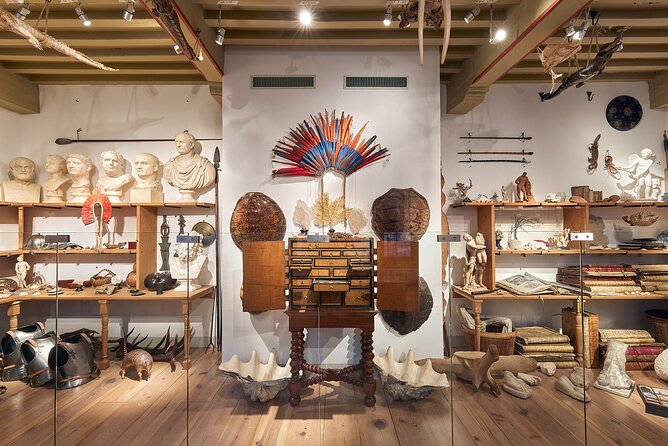
You’ll browse a collection of etchings and drawings by Rembrandt and his contemporaries. Even though the house is the star, these works give context and show what surrounded Rembrandt—artists, influences, and the broader print culture of the era.
The museum also leans hard into period artifacts and domestic details. That means you’re not just looking at an artist’s output; you’re learning what the environment supported. It’s the kind of detail that helps you picture everyday life in 17th-century Amsterdam.
One point to calibrate: this isn’t a massive art collection where you’ll spend the whole day on major paintings. Instead, you’re getting a close look at the place and the practice, with objects and works supporting the bigger story.
How Much Time Should You Plan?
The ticket’s visit duration is listed at about 1 hour, but I’d plan like an adult with a phone and a body. Between device loading and the fact that you’ll want to stop for demos, 1 hour can feel rushed.
A good target is 2 hours, especially if:
- you want to catch a live demonstration,
- you like reading labels while the guide plays,
- you’re stopping in the attic and the added museum rooms.
And if your stair tolerance is lower, give yourself even more time. You won’t be punished for moving slowly, but you will feel annoyed if you try to speed-run it.
Who This Museum Ticket Fits Best (And Who Should Reconsider)
This works well for you if you want:
- a Rembrandt experience that focuses on his working process,
- a guided story about life in Amsterdam during the 1600s,
- live demonstrations tied to print-making and painting techniques,
- a place that feels close-up and human, not just framed and far away.
It also mentions a multimedia tour especially for families with children. If you’re traveling with kids, the daily activity and the process-based demos can keep attention better than a purely silent gallery.
Who might find it less ideal: anyone who really struggles with stairs. The narrow, steep layout was a repeated caution, and mobility issues could make parts of the route uncomfortable. If you’re sensitive to climbing and tight turns, you might feel better with a different kind of museum plan that’s more accessible.
Should You Book the Rembrandt House Museum Ticket?
I think you should book it if you want Rembrandt as a person with a technique—someone who worked, experimented, and made choices under real pressure. The included multimedia guide plus daily demonstrations makes this ticket feel “active,” not passive.
Book it sooner rather than later if you can. The average booking window is about 33 days in advance, which suggests it’s popular and timed visits can help.
And if your plans are flexible, you have free cancellation up to 24 hours in advance for a full refund. That’s reassuring if weather or schedules shift.
If you’re ready to trade a big-name gallery for an artist’s house plus hands-on process, this is an excellent use of your Amsterdam time.
FAQ
How long does the Rembrandt House Museum visit take?
The experience duration is listed at about 1 hour, but you may want to plan closer to 2 hours to account for guide setup, multiple rooms, and live demonstrations.
Is the multimedia or audio guide included in the ticket?
Yes. The ticket includes a free multimedia guide available in 13 languages, and the audio guide is available in 10 languages.
Are there live demonstrations or workshops during the visit?
Yes. The experience includes free daily live demonstrations/workshops, including etching and painting demonstrations.
Is the ticket available on a mobile device?
Yes. The ticket is a mobile ticket, and confirmation is received at the time of booking.
Is this experience family-friendly?
Yes. There is a multimedia tour especially designed for families with children.
Where is the museum located and how do I get there?
It’s in Amsterdam, Netherlands, and it’s near public transportation.
What if I need to cancel my booking?
You can cancel for a full refund up to 24 hours before the experience’s start time. If you cancel less than 24 hours before, the amount paid won’t be refunded.