
REVIEW · AMSTERDAM
Rijksmuseum Amsterdam Exclusive Guided Tour w/ Reserved Entry
Book on Viator →Operated by Babylon Tours Amsterdam · Bookable on Viator
Rijksmuseum is huge; the right guide matters. I like the combo of reserved entry and a small group format, because it turns a massive building into something you can actually follow. I also love how the guide connects famous works to everyday Dutch life, from Rembrandt to The Milkmaid by Vermeer. The one possible drawback: it’s still a structured 2.5 hours, so if you only want a fast stroll and zero explanations, this may feel a bit tight.
The best part is what a human guide adds: context. An expert art historian guide helps you make sense of thousands of objects, not just admire paintings. In past groups, guides like Cecilia, Victoria, Anna, and Ewald have been praised for turning Dutch art history into clear stories that you can carry around the museum.
Logistics are mostly easy, but you’ll need to play by Rijksmuseum rules. Meet at Cobra Café across from the museum, bring a mobile phone number for the ticket flow, and plan on security checks where only small bags are allowed. Also note wheelchair friendliness applies to the standard exclusive option, not the semi-private save option.
In This Review
- Key things to know before you go
- Reserved entry meets a real human guide
- Meeting at Cobra Café and getting through security
- What you’ll see in 2.5 hours
- Stop inside the Rijksmuseum: orientation through Dutch Masters
- How guides bring Van Gogh, Rembrandt, and Vermeer into context
- The quieter rules: speaking restrictions and careful pacing
- Price and value: what you’re paying for
- Who this Rijksmuseum tour fits best
- Should you book this reserved-entry Rijksmuseum tour?
- FAQ
- How long is the Rijksmuseum Amsterdam Exclusive Guided Tour with reserved entry?
- Is admission to the Rijksmuseum included?
- Is this tour private or semi-private?
- What language is the tour offered in?
- Is the tour wheelchair friendly?
- Are large bags allowed inside the Rijksmuseum?
- Is free cancellation available?
Key things to know before you go
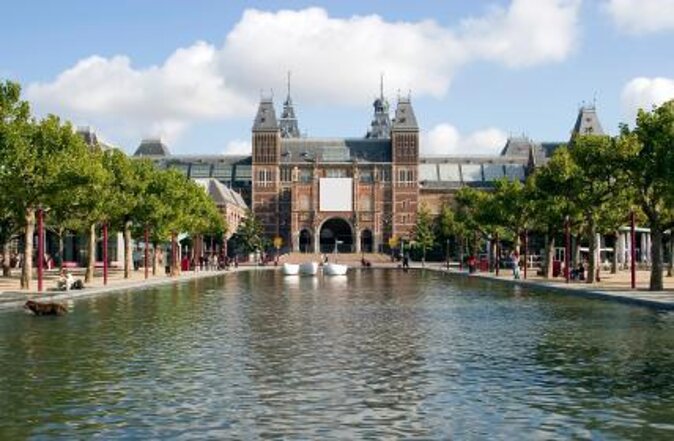
- Reserved entry that helps you start smoothly so you can spend your time inside.
- Group size capped at 12 for a better flow than big bus tours.
- Art historian-style commentary that links paintings to Dutch history and culture.
- Highlights plus oddball treasures like 17th-century dollhouses and a 19th-century library.
- Quiet-room rules mean your guide will clue you in before you step into places with restricted speaking.
Reserved entry meets a real human guide
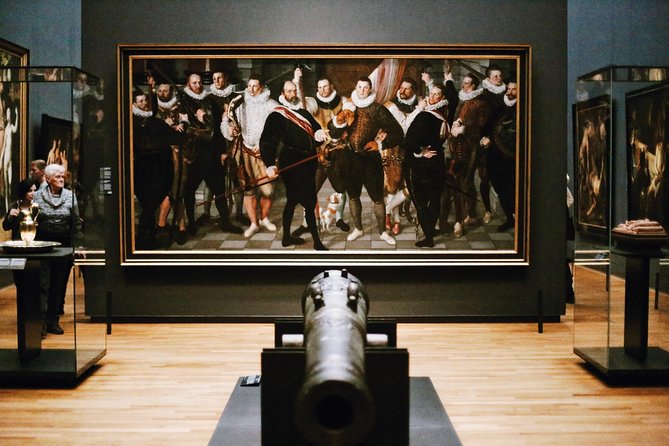
If you’re thinking about the Rijksmuseum, you’re probably picturing Dutch Masters and a few blockbuster paintings. That’s true, but the museum is also packed with artifacts that explain how people lived, worked, and believed. This tour is built for that bigger picture.
The value is simple: you pay for someone to point out what matters and why. Rijksmuseum has about 8,000 objects on display, and trying to make that feel coherent on your own is tough. With a guide, you get an orientation for the collection so the rest of your visit (and any future stop in the museum) feels less like wandering in the dark.
I also like that the “exclusive guided” version can mean the guide is focused on your group. In the semi-private SAVE option, that can shift, since the guide won’t be exclusively for you. Either way, the tour’s core promise stays the same: you’ll walk through the museum with the story attached, not just the image.
You can also read our reviews of more guided tours in Amsterdam


Meeting at Cobra Café and getting through security
Plan to arrive at Cobra Café on Hobbemastraat 18, which is your meeting point opposite the Rijksmuseum. From there, your group heads in together. This matters more than it sounds, because the museum experience depends on timing. Even with reserved entry, security procedures can create lines, and the museum has ongoing security measures.
One practical detail: no large bags or suitcases go inside the museum. You’ll want a small handbag or a thin daypack that fits security rules. If you show up with a big bag, you’ll burn time finding storage or dealing with restrictions.
Dressing matters too. Some sites inside require appropriate dress, so if you’re visiting in cooler months and layered up, keep the pieces sensible for indoor entry. The tour is listed as wheelchair friendly for the standard exclusive option; if mobility is a factor, check which option you’re selecting.
Finally, you’ll need to provide a mobile phone number (with country code). That’s not glamorous, but it helps ensure your mobile ticket works on the day. Bring your phone battery too, because you’ll want it for the ticket.
What you’ll see in 2.5 hours
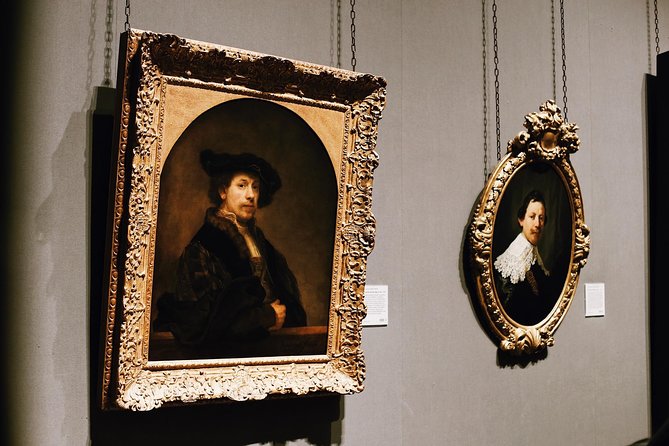
This tour is about 2 hours 30 minutes, with admission included. That time is designed for a smart “overview route,” not a slow museum marathon. You’ll walk, pause, and learn key details that connect objects across Dutch art and daily life.
In that stretch, you’ll hit the kinds of works most people come for—Rembrandt, Vermeer, and Van Gogh are specifically mentioned as part of what you’ll see. But you won’t stop at the famous names. You’ll also get into the lighter, stranger, and more human side of the collection: 17th-century dollhouses and other everyday objects that show what “home” and status could look like in the Dutch Golden Age.
You’ll also learn how to read the museum itself. Guides often help you understand the building, where the major ideas sit, and how to move with less confusion. Several guides were praised for helping visitors get their bearings fast—exactly what you want when the Rijksmuseum’s scale can overwhelm your first visit.
By the end, you should leave with a clearer sense of Dutch history through art. That makes it easier to choose what to see next, instead of checking off rooms randomly.
Stop inside the Rijksmuseum: orientation through Dutch Masters
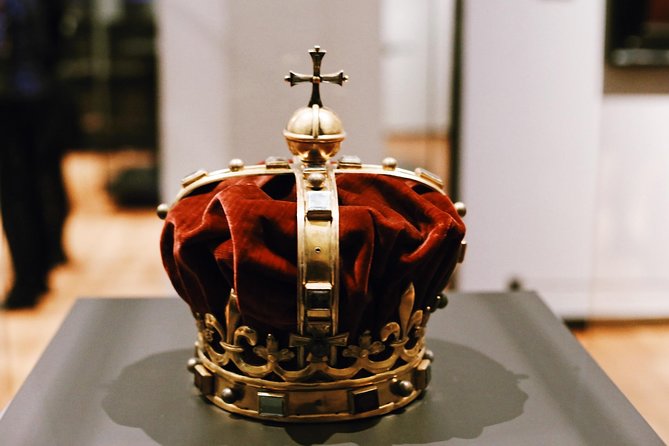
The tour’s main focus is your guided visit through the museum’s collection and how it tells Dutch history across centuries. The guide uses key works to build a timeline, then uses related objects to show the bigger cultural picture.
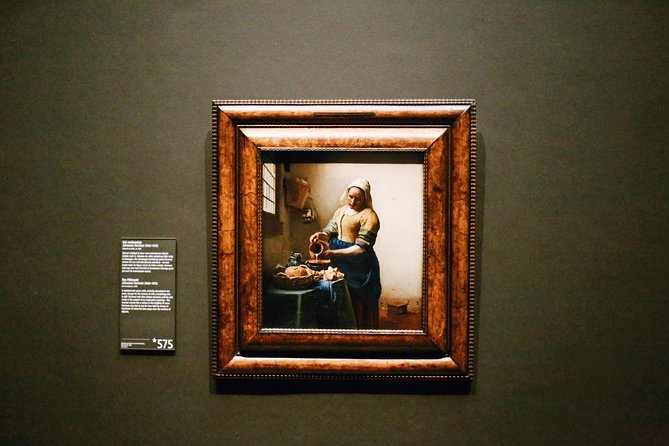
A typical rhythm looks like this: you’ll see an anchor painting or artifact, then hear how it connects to themes like wealth, faith, daily routines, or how art reflected society. One standout example from the tour description is Vermeer’s The Milkmaid. The point isn’t just that it’s famous—it’s how the guide frames domesticity, symbolism, and the Dutch idea of value in everyday scenes.
You’ll also spend time on lesser-known objects, like 17th-century dollhouses. That sounds playful, but it’s actually a smart way to understand real life in the period. Dollhouses weren’t random toys; they were models that mirrored rooms, status, and how families wanted others to imagine their world.
Another reason this tour works: it explains what you’re looking at. Instead of letting you rely only on plaques, you get guidance while you’re still in front of the object. That timing is key, because you can actually ask questions when the details are fresh in front of you.
There’s even mention of a 19th-century library inside the museum. That’s the kind of space that people walk past without thinking. With a guide, it becomes part of the story about knowledge, collecting, and how cultural memory was housed.
How guides bring Van Gogh, Rembrandt, and Vermeer into context
A self-guided museum visit can feel like a string of masterpieces. With this tour, the guide helps those masterpieces speak to each other.
Rembrandt is often a centerpiece for first-time visitors, but the tour pushes beyond “artist spotlight” into what the art meant in Dutch society. The guide style described is about linking artistic choices to political, cultural, and economic realities. That kind of framing is what makes a museum visit stick, especially if you don’t already have a background in art history.
With Vermeer, the tour emphasizes domestic life and meaning inside everyday scenes. If you’ve ever seen a Vermeer work and felt like you’re missing what everyone else sees, this is where a guide earns their fee. The Milkmaid becomes more than a painting; it’s a window into how people thought about work, virtue, and appearances.
Van Gogh is included as well, which is a nice way to widen your view beyond just 17th-century Dutch painting. Even if the museum’s collections span multiple periods, the guide helps you understand how the museum’s stories hold together over time.
One thing I love about this format: it gives you permission to care. If you’re the type who loves symbolism, you’ll likely catch it. If you’re more into technique, you’ll get the kind of pointing-out that helps you see brushwork and composition differently after the talk.





The quieter rules: speaking restrictions and careful pacing
Some parts of the Rijksmuseum have quiet or restricted speaking rules. Your guide will alert you before you enter those areas. That’s a small thing, but it affects how you should think about the tour: it’s not “talk over everything,” and it’s not “lecture without pauses,” either.
Also, expect the pace to be guided. That’s great if you want momentum and clear stops. It’s less great if you’re hoping for lots of open-ended time at each artwork. One review mention notes a guide ran late and the group couldn’t finish; while that isn’t guaranteed, it’s a reminder that museum timing can affect the flow. If you have a tight schedule after the tour, keep some buffer.
Finally, you’ll be working in a real museum environment with security checks. Even with reserved entry, you might still see lines for certain access points. Bring patience and plan to stay flexible.
Price and value: what you’re paying for
At $108.85 per person, this is not a budget activity. The way it earns its price is by bundling two things you’d otherwise need to figure out yourself: a guide who connects the collection, and admission that gets you inside without extra hassle.
Think of what a good guide actually saves you:
- time you’d spend figuring out what to prioritize in a museum with about 8,000 objects
- confusion about why famous works matter in their time
- missed context that makes the highlights feel flat
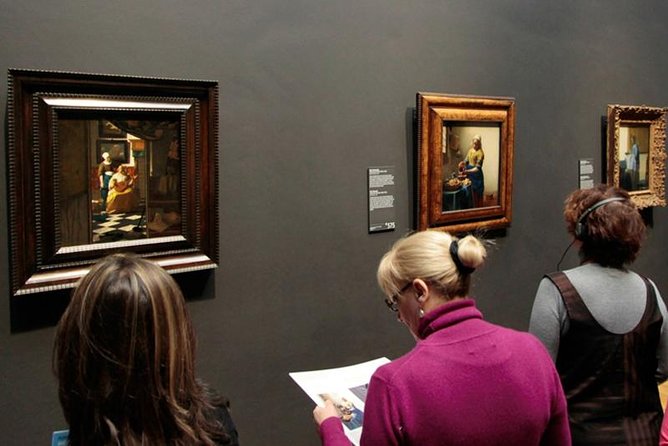
The tour also limits the group size to a maximum of 12, which can make the experience feel more like a guided walk than a rushed stampede. If you choose the exclusive option, the guide is listed as exclusively for you, and wheelchair friendly access is also tied to that option.
So the real value question isn’t just cost. It’s whether you want someone to narrate what you’re seeing. If you do, this price can feel fair. If you don’t, and you’re happy reading everything at your own pace, a self-guided visit might suit you better.
Who this Rijksmuseum tour fits best
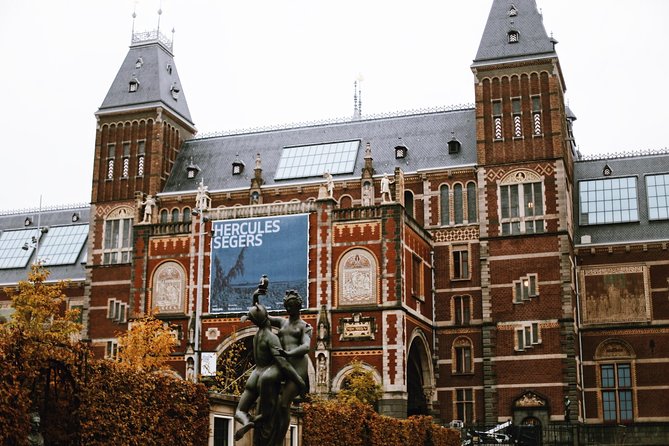
This tour is a great match for first-timers who want the highlights and the meaning behind them. It also works well if you know you’ll spend a full day in Amsterdam, but you only have a short window at the museum. The guide route gives you a clean overview and helps you decide what deserves your extra time afterward.
I’d also steer you toward this if you care about the connection between art and Dutch life—portraits, domestic scenes, cultural symbols, and the artifacts that show how people actually lived. The tour description and guide focus make it especially strong for that kind of curiosity.
On the other hand, if you’re already an art history pro and you’d rather roam freely, you might find the structure limiting. And if you dislike guided pacing, the 2.5-hour format could feel like you’re moving too quickly through rooms.
Should you book this reserved-entry Rijksmuseum tour?
Yes, if you want your first Rijksmuseum visit to make sense. I’d book it when you’ll benefit from reserved entry, a small group, and a guide who can connect paintings and objects across Dutch history.
Skip it (or consider a self-guided visit) if you only want a casual walk, you’re sensitive to guided pacing, or you know you won’t care about the stories behind the works. In that case, you might spend your money on something you’d already get from museum signage and your own reading.
If you do book, come with a simple mindset: ask one or two questions while you’re standing in front of the art. That’s when the guide’s explanations land hardest, and it’s how you turn a “great museum” into a visit that sticks with you long after you leave the galleries.
FAQ
How long is the Rijksmuseum Amsterdam Exclusive Guided Tour with reserved entry?
It runs about 2 hours 30 minutes.
Is admission to the Rijksmuseum included?
Yes. The tour includes entrance fees.
Is this tour private or semi-private?
It’s offered as a private option, and there’s also a budget-friendly semi-private SAVE option. In the semi-private option, the guide is not exclusively for your group.
What language is the tour offered in?
The tour is offered in English.
Is the tour wheelchair friendly?
Wheelchair friendly access is included for the option where the guide is exclusively for you, not for the semi-private SAVE option.
Are large bags allowed inside the Rijksmuseum?
No. You can bring only handbags or small thin bag packs through security.
Is free cancellation available?
Yes. You can cancel up to 24 hours in advance for a full refund.