REVIEW · HAARLEM
The rise of Haarlem: Culture, History, Art and Architecture Walking Tour
Book on Viator →Operated by Haarlem Walking Tours · Bookable on Viator
Haarlem looks better when you get context fast. This 2.5-hour, small-group walk turns the cobblestones of Haarlem’s old North Sea trading port into a clear story about architecture and art—from the Grote Markt to secret garden courtyards. I especially like the way the guide ties buildings to real periods of change, and the moment you’re sent to a special viewpoint for great photos. One drawback to plan around: you’re covering about 4 km (2.5 miles), so it’s not a great fit if walking is hard for you.
The best part is how the tour feels like a focused introduction. You’ll hit big landmarks like the Grote Kerk of Sint Bavo and Town Hall Gravenzaal, then move through lesser-known corners, including Hofje almshouses with a secret walled garden when open. Bring comfy shoes, because Haarlem’s center is mostly cobblestone and your feet will do some work.
If you’re visiting on a Sunday, check your timing carefully. Hofjes are closed for public viewing on Sundays, and those same courtyard stops close daily at 5pm, so tours that start at 5pm in summer won’t go inside.
In This Review
- Key highlights to look forward to
- Haarlem’s cobblestones, with stories that make sense
- Where the tour starts (and why the location is a smart choice)
- Grote Markt to Sint Bavo: the core sights and what they mean
- Town hall, windmill, and the city’s working rhythm
- Teylers Museum: art and ideas without the hard sell
- Hofjes and secret walled gardens: the highlight with timing rules
- WWII Dutch Resistance stories: where the city gets more serious
- Women’s resistance and museum stops: what’s included vs. what’s not
- The secret viewpoint stop: your photo break, planned well
- Insider tips that actually help your next hours
- Price and time: what $55 buys you
- Getting the most out of the walk (simple, practical moves)
- Should you book this Haarlem walking tour?
- FAQ
- How long is the Harlem walking tour?
- How much does the tour cost?
- Where do I meet for the tour?
- How big is the group?
- What stops will we see during the walk?
- Are museum or cathedral interiors included?
- Are Hofjes open on Sundays or after 5pm?
Key highlights to look forward to
- A small group (max 6) for more guide attention and easier questions
- Grote Markt start point right where you want to be for Haarlem’s core sightseeing
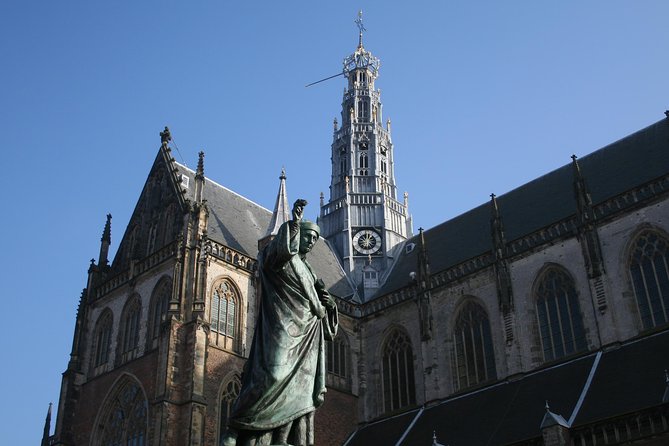
- A “secret spot” viewpoint made for photos and a quick skyline pause
- Hofje almshouses + secret walled gardens (when open)
- WWII Dutch Resistance stories tied to real Haarlem people and places
- Insider tips on where to eat, drink, and keep exploring after the walk
Haarlem’s cobblestones, with stories that make sense
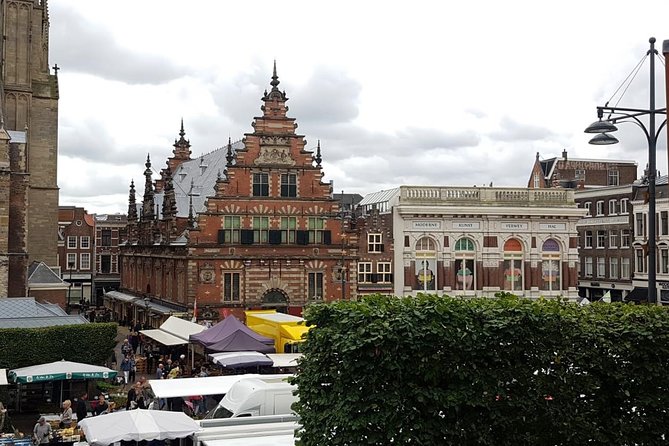
Haarlem can feel like a postcard town at first glance. But the real payoff of this walking tour is that it puts the pieces together: why the city built the way it did, who paid for what, and how the streets reflect centuries of trade, religion, and civic pride.
I like that the tour doesn’t treat architecture like trivia. You’re shown how styles changed over time, and your guide connects what you’re seeing to bigger shifts—like the Dutch Golden Age, and later the scars of WWII. And because the group stays small, you can ask follow-up questions instead of staring at the back of someone’s head.
You’ll also get practical help for your day. Haarlem is compact, but it still helps to have a local steer you toward good food and smart next stops. This tour is built to be a foundation—so you can roam afterward with a much better sense of where you are.
You can also read our reviews of more walking tours in Haarlem



Where the tour starts (and why the location is a smart choice)
You begin at Grote Markt 17, 2011 RG Haarlem. Starting in the Grote Markt matters because it’s Haarlem’s central square and a natural launch pad for walking. Even if you arrive with your bearings half-formed, you’ll quickly see the city’s main anchors and understand the street layout.
The walk itself is straightforward in terms of terrain. It’s largely flat, but the route still covers about 4 km (2.5 miles). If you have mobility limits or get tired easily, this is the part where you should be honest with yourself: you’ll be on your feet for the full 2 hours 30 minutes (approx.).
You should also know it ends in a different location than where it starts. That’s often a good thing in a walking tour—less backtracking—but it does mean you’ll want to plan transport or your next activity with that in mind.
Grote Markt to Sint Bavo: the core sights and what they mean
The first anchor is the Grote Markt, Haarlem’s historic town market square. This is where the tour starts building the city’s timeline: commerce, civic power, and religious life all show up in the same compact area.
From there, you’ll spend time around the Grote Kerk of Sint Bavo. Even though the cathedral interior isn’t part of the tour, you still learn how to read the building’s outward clues and why the place mattered. You get the architecture framework right away, so if you choose to come back later for an interior visit, you’ll know what you’re looking at.
Another nearby stop you’ll connect with is Town Hall Gravenzaal. It’s the kind of civic building you can walk past without noticing—until a good guide explains how these structures signaled authority and community priorities. Here’s the key idea: you’re not just collecting photos. You’re learning how Haarlem organized power in stone and brick.
Town hall, windmill, and the city’s working rhythm
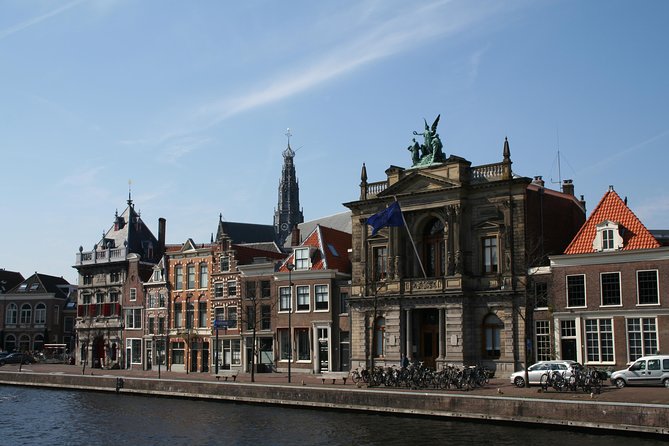
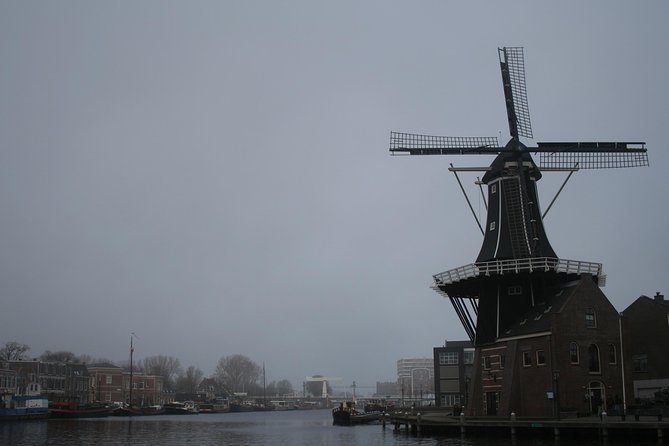
Next up is the Molen Adriaan Windmill. Windmills are easy to romanticize, but this stop works because it grounds the windmill in real city function and Dutch ingenuity. It’s also one of those spots where the photos can be genuinely better once you understand what the structure represents.
This is where the tour’s focus on architecture becomes more than surface-level. Your guide helps you see how Haarlem’s design choices reflect practical needs—trade routes, water management, and the push to prosper. If you’re the type who likes to look at details (rooflines, materials, proportions), you’ll enjoy how the guide points them out.
The timing also gives you a natural break from “big landmark fatigue.” You move from square to streets to a working symbol of the city, and it feels like the walking itself is part of the storytelling.
Teylers Museum: art and ideas without the hard sell
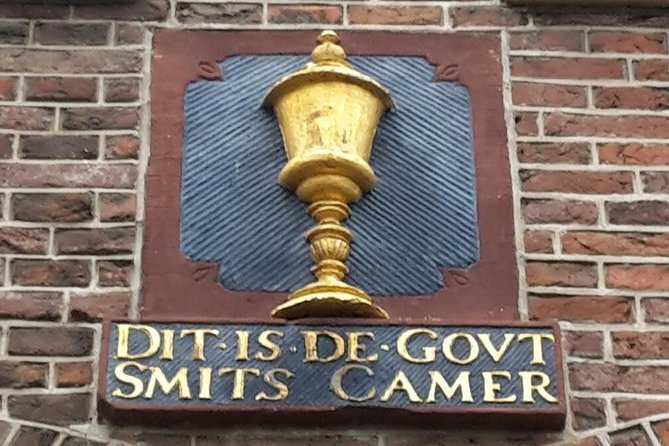
You’ll also see Teylers Museum as part of the route. This matters because Haarlem isn’t just churches and courtyards; it has a tradition of collecting, teaching, and showing ideas through art and scholarship.
You might not spend hours inside as part of this tour, but you do get context. That’s often the smartest way to tackle a museum day: start outside with the structure and significance, then decide later if you want to go in on your own. If you’re balancing time between Amsterdam and Haarlem, this approach helps you avoid “museum burnout” while still getting the cultural signal.
The tour’s art angle stays practical. You’re learning how Haarlem’s institutions connect to the larger story of Dutch society, not just ticking boxes of famous names.
You can also read our reviews of more historical tours in Haarlem


Hofjes and secret walled gardens: the highlight with timing rules
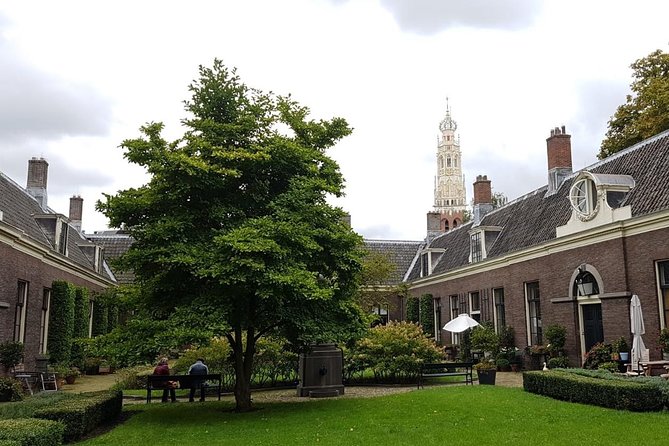
One of the best parts is the stop at a Hofje (almshouse) with a secret walled garden. These places are genuinely special. The idea of a sheltered courtyard community—quiet, enclosed, and structured around charity—adds a human layer to all the big-stone architecture you’ve been seeing.
But you need to plan around opening conditions. Here’s what you should remember:
- On Sundays, all Hofjes in Haarlem are closed for public viewing.
- Hofjes close daily at 5pm, so tours starting at 5pm in summer don’t go inside.
If you want the full experience, aim for a start time that gives you enough daylight buffer. If you’re there on a Sunday, you can still enjoy the historical context, but you should expect to miss the inside courtyard moment.
This is also the area where the tour’s small-group size really helps. You’re not rushed through a photo trap. You get enough time to look, understand, and ask why these spaces were designed the way they were.
WWII Dutch Resistance stories: where the city gets more serious
A lot of Haarlem walking tours stay light. This one adds weight in the best way: you’ll hear about Haarlem in the Second World War and the Dutch Resistance.
In particular, the tour gives memorable attention to Corrie Ten Boon. You’ll also see WWII Dutch Resistance photos, which adds a direct, visual layer to what your guide is explaining. That kind of stop does two things: it breaks up the purely architectural pace, and it helps you understand why certain Haarlem places and names still matter.
From a pacing standpoint, it works because it isn’t random. The resistance story is tied back to the city’s people and systems, not just a quick mention of wartime events.
If this subject makes you prefer a respectful, quiet moment, you’ll appreciate that your guide handles it thoughtfully. And if you prefer a tour that covers both the pretty and the painful, this hits that balance well.
Women’s resistance and museum stops: what’s included vs. what’s not
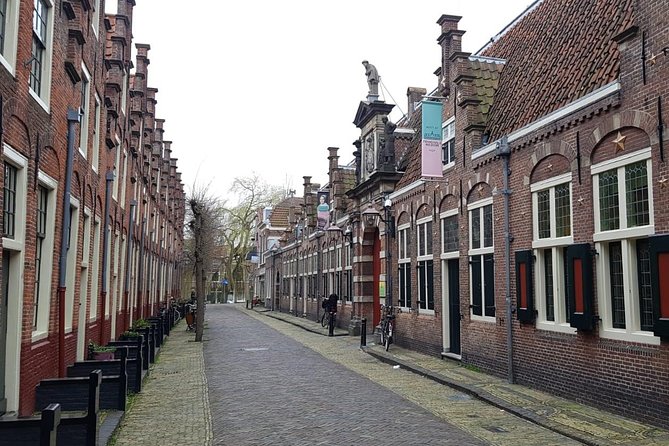
Some of the route attention includes the women’s resistance museum and the Hals Museum. That’s a nice mix, especially if you want a broader culture sweep rather than a strictly architectural circuit.
One important caveat: the tour does not include the interiors of the cathedral or the Hals Museum. Think of this as an overview route. It sets you up to explore on your own afterward if you want deeper museum time.
I like this format because it keeps the walking tour moving and lets you choose how much museum time you want. If you’re short on days, you won’t feel like you paid for half a museum experience you can’t finish.
The secret viewpoint stop: your photo break, planned well
You’ll visit a secret spot for views of Haarlem. The tour doesn’t just say, go look. You’ll be guided to the right place for a clearer skyline angle and a calmer moment to photograph.
This is one of those small “value boosters” that you feel in your trip memory. When a viewpoint is planned into the itinerary, you don’t waste energy searching streets for the perfect angle. You get it, you look, and you keep moving.
Because the group is capped at 6 travelers, it’s easier for everyone to find a position without turning the stop into a crowd negotiation.
Insider tips that actually help your next hours
One thing I trust in a walking tour is whether I’ll learn how to spend the rest of my day. This one includes insider tips on where to eat, drink, and explore—and your guide’s recommendations can be the difference between wandering and actually having a great next stop.
If you’re visiting Haarlem as a day trip from Amsterdam, these tips are extra useful. The city is manageable, but good choices save time. And if you’re staying longer, the suggestions help you build a logical route instead of repeating the same areas.
The best part is that these tips come out naturally from the tour itself. You’re learning what makes each area distinct, then your guide points you toward how to enjoy it.
Price and time: what $55 buys you
At $55 for about 2 hours 30 minutes, this isn’t an all-day museum pass. It’s a guided walk designed for maximum city-read per hour. For the price, you get:
- A walking tour with a certified English-speaking guide
- All fees and taxes included
- A route that covers major landmarks plus the quieter courtyard side of Haarlem
Value-wise, the biggest reason this works is the small group size. A tour capped at 6 travelers means you don’t lose time to bottlenecks. You get more of your guide’s attention, and it’s easier to ask a question without feeling rushed.
Also, the guide brings learning tools. In reviews, I saw mention that James Johnson used a tablet with pictures to show historical points and artifacts. That kind of visual support can turn a “standing and listening” moment into a clearer picture—especially when you’re comparing architecture across periods.
If your goal is a quick, solid Haarlem orientation, this is a good use of a few hours. If you’re trying to see every interior museum on the same day, you’ll still need to plan additional time.
Getting the most out of the walk (simple, practical moves)
I’d treat this tour like your Haarlem compass. Wear comfortable shoes. Haarlem’s center has cobblestones, and they add up over 4 km.
Bring your phone camera, but also bring curiosity for details. The guide’s strength is connecting what you’re seeing to bigger themes: how Dutch architecture expresses power, community, and later trauma.
Try to schedule it earlier in your trip. You’ll get more out of the follow-up because you’ll know what questions to ask when you wander the streets on your own.
If you’re visiting on a Sunday, don’t let the Hofje timing surprise you. Check what time your tour starts and plan a backup courtyard idea outside of Hofje interiors.
Should you book this Haarlem walking tour?
Book it if you want a high-quality Haarlem orientation that connects culture, art, and architecture into one walking story. The small group size and the guide’s real focus on how Haarlem evolved make it a strong first step for either a short stay or a longer visit.
Skip it or reconsider if you can’t comfortably walk about 2.5 miles. Also be cautious if you’re only available on a Sunday, since the Hofje stops won’t be open for public viewing.
If your travel style is: I want context, I want good walking routes, and I want a guide who turns buildings into meaning—this one fits.
FAQ
How long is the Harlem walking tour?
The tour is listed at about 2 hours 30 minutes.
How much does the tour cost?
The price is $55.
Where do I meet for the tour?
You meet at Grote Markt 17, 2011 RG Haarlem, Netherlands.
How big is the group?
The tour has a maximum of 6 travelers.
What stops will we see during the walk?
You’ll cover the Grote Markt area and see key landmarks such as the Grote Kerk of Sint Bavo, Town Hall Gravenzaal, the Molen Adriaan windmill, the Teylers Museum, and a Hofje with a secret walled garden. Reviews also highlight the women’s resistance museum and the Hals Museum.
Are museum or cathedral interiors included?
The tour does not include the interior of the cathedral or the Hals Museum.
Are Hofjes open on Sundays or after 5pm?
On Sundays, Hofjes are closed for public viewing. Hofjes close daily at 5pm, so summer tours starting at 5pm do not go inside the Hofjes.