REVIEW · AMSTERDAM
Amsterdam: Museum of the Canals Ticket with Audio Guide
Book on GetYourGuide →Operated by Museum of the Canals / Grachtenmuseum · Bookable on GetYourGuide
Amsterdam’s canals have a backstory worth hearing. The Museum of the Canals (Grachtenmuseum) uses a multimedia exhibition plus an audiotour to explain how Amsterdam grew around the water—then shows you the setting: a 17th-century canal house on Herengracht.
I love that the museum doesn’t treat canals like wallpaper. It focuses on why they mattered then and still matter now, framing the whole city through movement of people and goods. I also like having a prerecorded audio guide in many languages, so you can pause and set your own pace while you move room to room.
One possible drawback: the museum experience includes multimedia presentation, and if you’re picky about presentation style or find dated-feeling animation annoying, you may wish you were in a more modern exhibition.
In This Review
- Key takeaways before you go
- A 17th-century canal house on Herengracht: where the story starts
- Multimedia that explains why canals mattered (not just that they existed)
- Your audiotour experience: pick a language and move at your pace
- Permanent exhibition rooms plus temporary exhibits: how to prioritize your time
- Price and value: does $22 make sense for Amsterdam?
- Who should book this canal-focused museum—and who might not
- Should you book Museum of the Canals tickets with audio?
- FAQ
- Where is the Museum of the Canals?
- How much does the Museum of the Canals ticket cost?
- How long is the experience?
- What’s included with the ticket?
- What languages are available for the audio guide?
- Is food or drinks included?
- Is the museum wheelchair accessible?
Key takeaways before you go
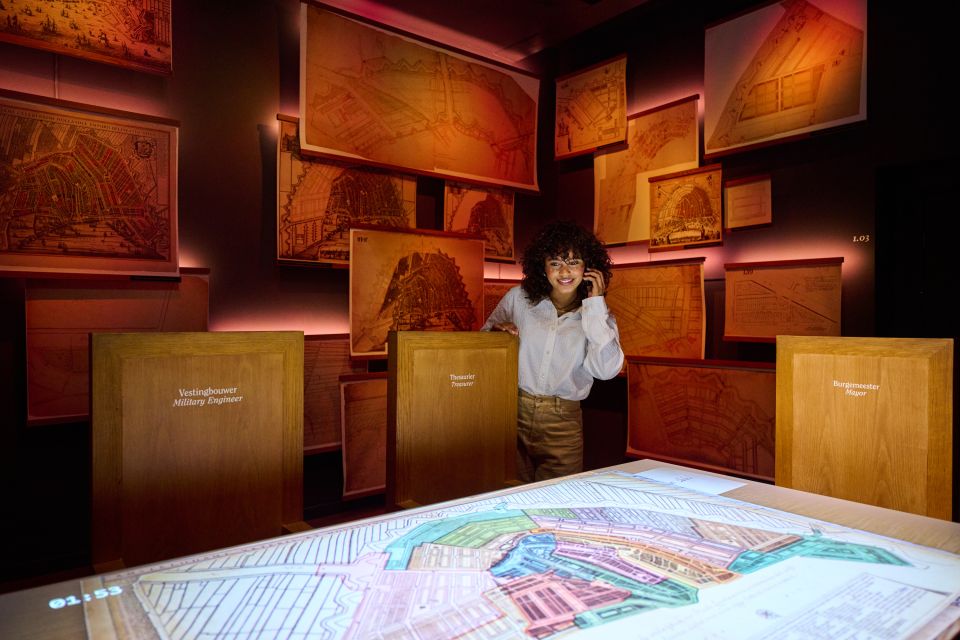
- Herengracht canal house setting: you’re not just learning about canals, you’re standing inside a classic 17th-century Amsterdam home.
- 400 years of canal evolution: the museum timeline goes back roughly 400 years to connect the city’s past and present.
- Audio guide in many languages: Dutch, English, German, French, Spanish, Italian, Russian, Japanese, Chinese.
- Permanent plus temporary exhibitions: you can build a longer visit by adding what’s on display right now.
- Canals as the city’s lifeline: the emphasis is on importance for daily life and for the future, not just pretty scenery.
A 17th-century canal house on Herengracht: where the story starts
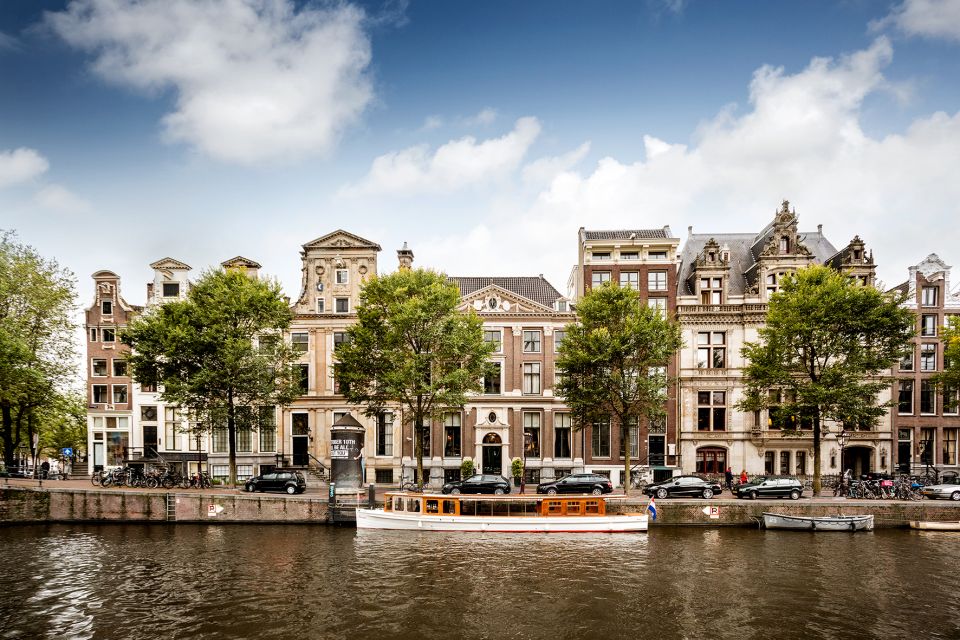
This ticket centers on the Museum of the Canals (Grachtenmuseum), housed in a beautiful 17th-century canal house. That matters more than you might expect. When you’re learning how Amsterdam works, the building itself makes the point: canals aren’t a side attraction here. They helped shape how people lived, moved, and traded.
The museum also includes classical period rooms. Even if you only skim the visuals, the rooms give you context for the scale of Amsterdam’s canal-era world. You get a sense that this wasn’t just an engineering project—it was a way of organizing a whole city.
Practical tip: plan to slow down when you move between rooms. A canal house can feel like you’re always turning a corner and discovering another angle of the space. Use your audiotour so you know what you’re looking at instead of wandering blind.
You can also read our reviews of more tours and experiences in Amsterdam



Multimedia that explains why canals mattered (not just that they existed)
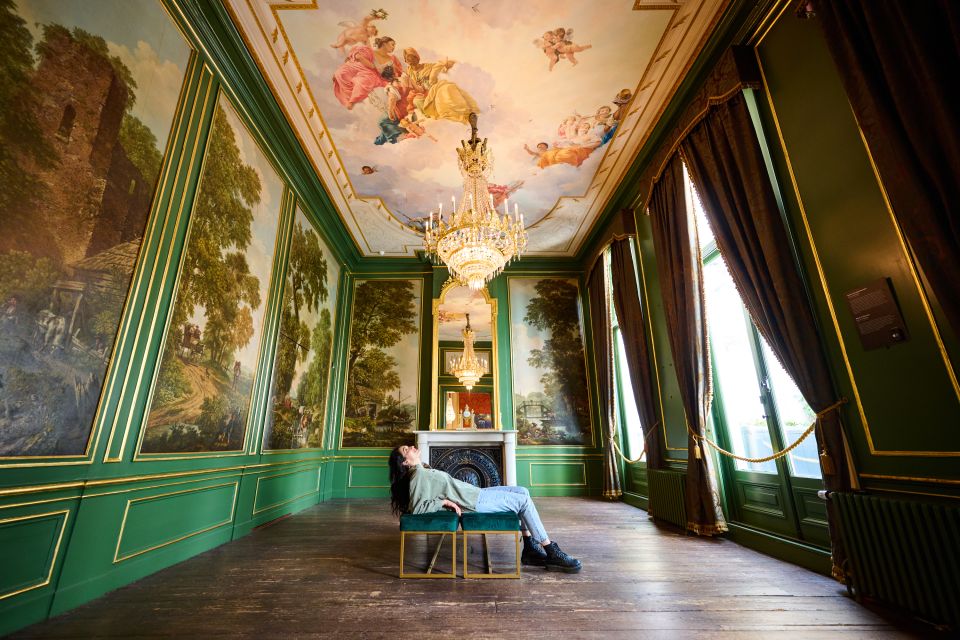
The heart of the experience is how the museum tells the Amsterdam canal story. You start with a multimedia exhibition that shows the evolution of the city through its canals. The experience is designed to take you back roughly 400 years, then keep the focus on how canals stayed central as Amsterdam changed.
What I like about this approach is the cause-and-effect framing. Rather than treating canals as scenery, the museum’s point is that you need to understand why canals were created and why they remained important. That makes the visit useful for your future self. After you walk out, you’ll see canals differently when you’re later strolling outside the museum.
You’ll also have a clearer idea of how canals influenced movement of inhabitants and activity across the city. The museum is essentially a guided explanation of the city’s layout logic—what water routes offered people in earlier centuries, and what those same waterways mean as the city faces the future.
Possible catch: since the museum uses multimedia, the presentation style may feel more like a museum show than a hands-on workshop. If you prefer learning that’s strictly interpretive text and objects, give it a fair chance, but know it’s not a quiet gallery-only experience.
Your audiotour experience: pick a language and move at your pace
The ticket includes an audiotour, available in Dutch, English, German, French, Spanish, Italian, Russian, Japanese, and Chinese. That’s a big deal in Amsterdam, where museum audio can be limited. Here, you can match the story to your comfort level and spend less energy decoding.
I love audioguides that let you control the rhythm. You can linger in a room that grabs you, then speed up when you want to keep momentum. In a canal house, your attention can easily get pulled into architecture and details, so having narration helps you translate what you’re seeing into meaning.
Another thing to pay attention to: there’s a host/greeter presence (Dutch and English). That’s useful if you want a straightforward start—especially if you’re coordinating your time around starting times.
A simple strategy: before you begin, choose your audio language carefully and stick with it. Switching languages mid-visit can break the thread of the story the museum builds.
Permanent exhibition rooms plus temporary exhibits: how to prioritize your time
Your ticket includes entrance to the permanent exhibition and access to temporary exhibitions. The permanent part is the backbone—your “why canals, why now” explanation. The temporary exhibits are optional add-ons that can extend your visit if you want more context or a different angle.
Here’s how I’d prioritize it so the visit feels rewarding rather than rushed:
- Start with the multimedia and story foundation. If you do the media late, you may miss the chance to attach meaning to what you’ll see afterward.
- Focus on the canal-related rooms and objects first. The museum’s whole theme is the canals’ role in Amsterdam—keep the main thread intact.
- Add the temporary exhibition if it fits your interests. Since the topics change, it’s smart to treat this as a bonus. If you’re short on time, you won’t feel like you’re skipping the main point.
The canal house setting makes the pacing feel natural. You’re moving through spaces that match the era being described. That’s a different kind of museum experience than a modern box building, and it can make the canal story stick.
Price and value: does $22 make sense for Amsterdam?
At about $22 per person, this is not a bargain ticket, but it can be strong value because it bundles multiple layers:
- Museum entrance to permanent and temporary exhibitions
- An audiotour included
- A setting you can’t replicate elsewhere in Amsterdam: a 17th-century canal house on Herengracht
In other words, you’re not paying just for narration. You’re paying for a themed learning experience in a specific historic structure, with multilingual audio so you’re likely to get more out of the time you spend inside.
Is it always the best spend? If you’re planning a museum-packed day, you might compare it to other big-ticket attractions and decide based on your interests. But if you want to understand Amsterdam’s layout and water-based logic, this ticket is a practical use of your time. It helps you connect what you’ll see on the street later to the city’s underlying systems.
You can also read our reviews of more guided tours in Amsterdam





Who should book this canal-focused museum—and who might not
This ticket fits best if you want a clear explanation of Amsterdam’s canal system and how it shaped daily life. It’s also great for people who like a self-paced structure. The audiotour gives you flexibility, and the museum’s theme is easy to follow: canals as the city’s heart.
You’ll likely enjoy it if:
- you care about city history, but prefer it explained through themes and visuals
- you’re the kind of person who reads maps and then wants the “why” behind the lines
- you want multilingual audio so the experience is comfortable in your preferred language
It may be less satisfying if:
- you mainly want hands-on activities (this is still a museum with multimedia and exhibitions)
- you strongly dislike dated-feeling animations or show-style presentation
- you prefer very text-light experiences without multimedia components
It’s also wheelchair accessible, which is good to know if you need a barrier-free museum layout.
Should you book Museum of the Canals tickets with audio?
If your goal is to understand Amsterdam beyond postcards, I think this is a smart booking. The combination of Herengracht canal house, a canal-centered permanent exhibition, and an audiotour in many languages makes the ticket feel like more than a quick stop.
Book it if you want to leave with a mental map of how canals shaped the city—and why that continues. Skip it or weigh it carefully if you’re sensitive to the feel of multimedia presentations or you’d rather spend your time on museums that are more object- or text-driven.
FAQ
Where is the Museum of the Canals?
It’s located in central Amsterdam, in a 17th-century canal house on Herengracht.
How much does the Museum of the Canals ticket cost?
The price is listed as $22 per person.
How long is the experience?
The ticket is valid for 1 day, and you can check availability to see starting times.
What’s included with the ticket?
You get entrance to the Museum of the Canals, including the permanent and temporary exhibitions, plus an audiotour.
What languages are available for the audio guide?
The audio guide is available in Dutch, English, German, French, Spanish, Italian, Russian, Japanese, and Chinese.
Is food or drinks included?
No. Food and drinks are not included.
Is the museum wheelchair accessible?
Yes, the activity is wheelchair accessible.