REVIEW · AMSTERDAM
Amsterdam: Classical Music Concert at the Begijnhof
Book on GetYourGuide →Operated by The Liberty Productions · Bookable on GetYourGuide
A church courtyard can turn into a concert hall. In the English Reformed Church at Amsterdam’s Begijnhof, you get a one-hour lineup of Vivaldi, Mozart, Bach, and Beethoven, and the acoustics let every phrase land clear. The only catch I’d flag is timing: show up on time so you’re seated when the music starts.
I like that this is dress-anything. You get an entry ticket and a printed concert program, and the venue does the heavy lifting with its historic setting in a Middle Ages courtyard. One more practical note: food and drinks are not included, so plan to grab a snack before or after.
In This Review
- Key things that make this concert worth your evening
- Where the music happens: the Begijnhof’s English Reformed Church
- The sound you came for: what the venue does to the music
- The 1-hour concert program: what you’ll hear, and what to listen for
- Vivaldi, The Four Seasons (Spring & Summer)
- Pachelbel, Canon & Gigue in D major
- Mozart, Requiem (Lacrimosa)
- J.S. Bach, Air on the G String
- Schubert, Ave Maria
- Mozart, Salzburg Symphony K136 (Allegro)
- Beethoven, Symphony No. 5 (Allegro)
- Handel, Ombra mai fu from Xerxes
- Who’s performing: Amsterdam Gala Orchestra with soprano
- Timing and arrival: how to avoid the most common mistake
- Price and value: is $30 for one hour a good deal?
- What to expect before, during, and after
- Who should book this, and who might want to skip it
- Should you book Amsterdam’s Begijnhof classical concert?
- FAQ
- How long is the classical music concert at the Begijnhof?
- Where does the concert take place?
- How much are tickets?
- What music is included in the concert?
- Do I get a concert program?
- Is there a dress code?
- Are food and drinks included?
- Is the venue wheelchair accessible?
- Can I cancel and get a refund?
Key things that make this concert worth your evening
- Begijnhof setting: you’re hearing classical music in a quiet, historic courtyard area in central Amsterdam
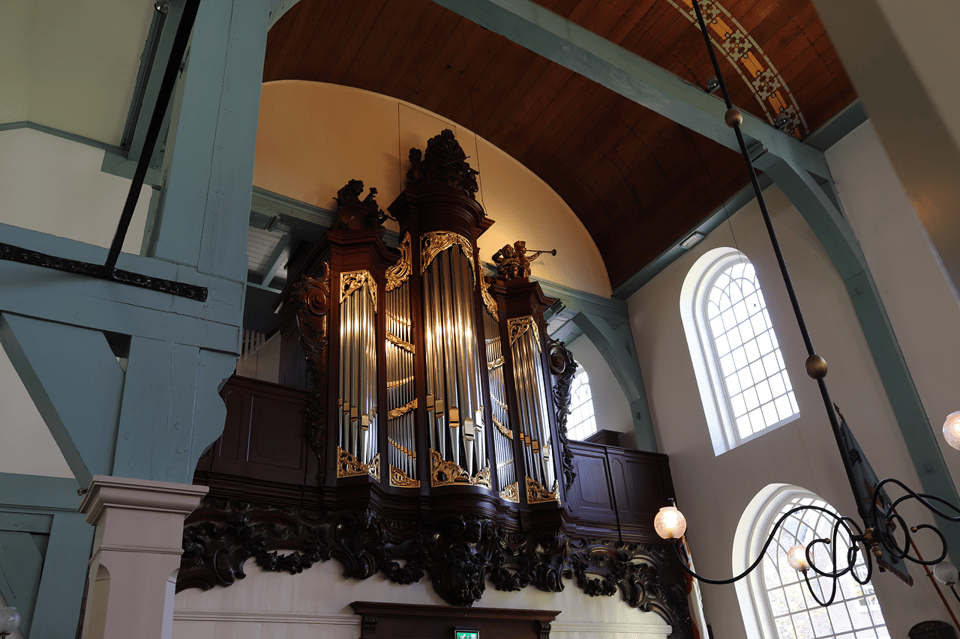
- Old church, memorable sound: the English Reformed Church is among Amsterdam’s oldest buildings
- A real “greatest hits” program: from The Four Seasons to Beethoven’s Symphony No. 5
- Vocal moments with a soprano: the performance includes an added soprano voice for works like Mozart Requiem and Schubert Ave Maria
- Easy-to-plan, 1-hour format: it’s long enough to feel like a night out, not so long you lose your evening
Where the music happens: the Begijnhof’s English Reformed Church
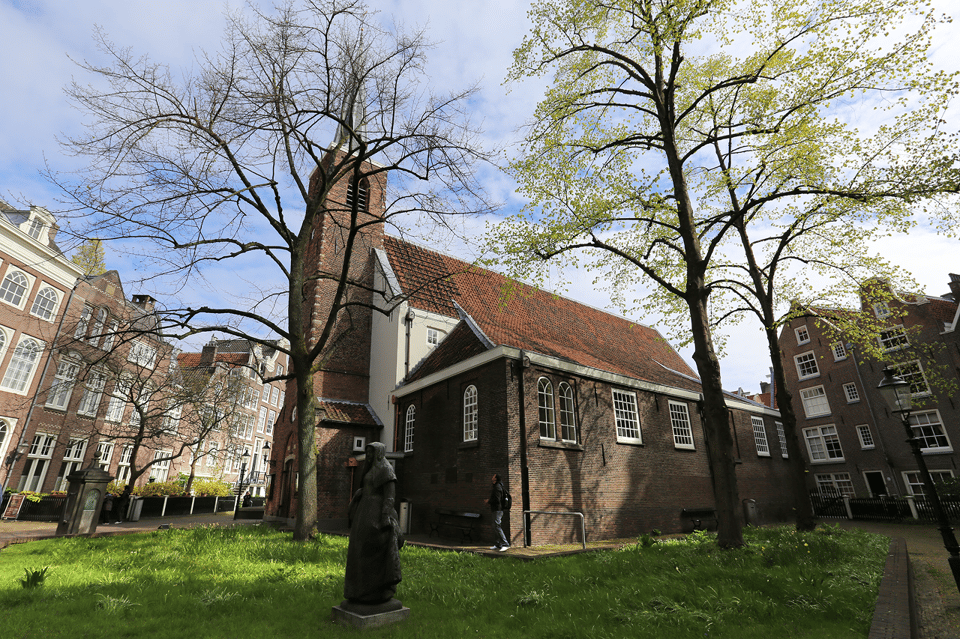
Amsterdam can feel like a nonstop blur—canals, bikes, crowds, repeat. That’s why I love a venue like this. The Begijnhof area gives you a calmer pocket of space, and the English Reformed Church adds a serious, old-world feel that fits classical music perfectly.
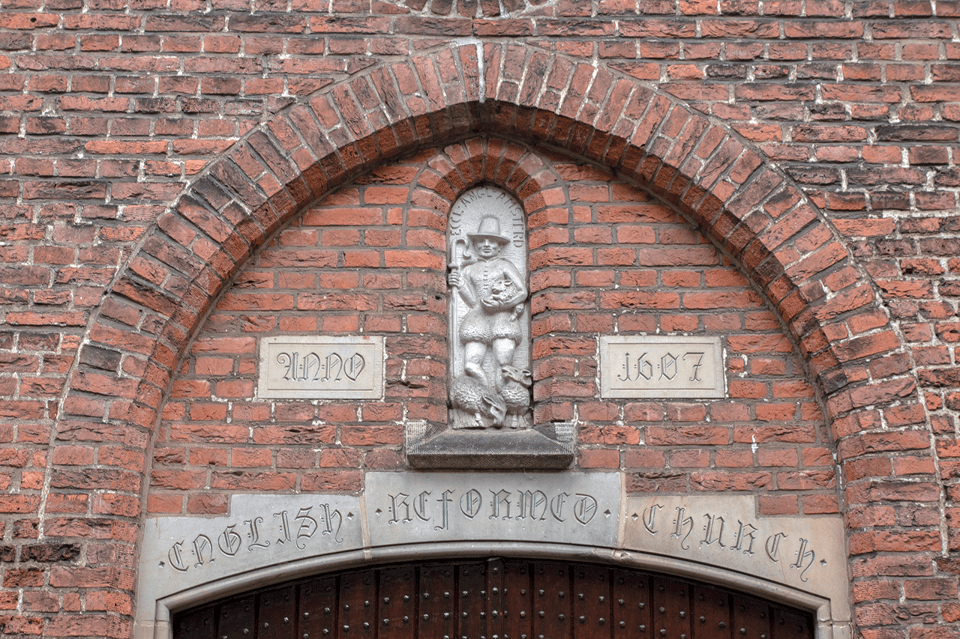
This church is one of the oldest buildings in Amsterdam. You don’t need a lecture to understand why that matters. Older stone has weight. It holds sound differently, and it also makes the whole experience feel anchored instead of touristy. The setting is described as a serene courtyard dating back to the Middle Ages, so even before the first note, you’re in a place that feels separate from the street outside.
And because this is a concert ticket experience (not a guided tour), you get to focus. You’re not bouncing between stops. You arrive, you’re admitted, you sit, and you listen. For many people, that’s the point: a simple evening with world-famous composers, in a venue that doesn’t require you to know anything to enjoy it.
You can also read our reviews of more tours and experiences in Amsterdam
The sound you came for: what the venue does to the music
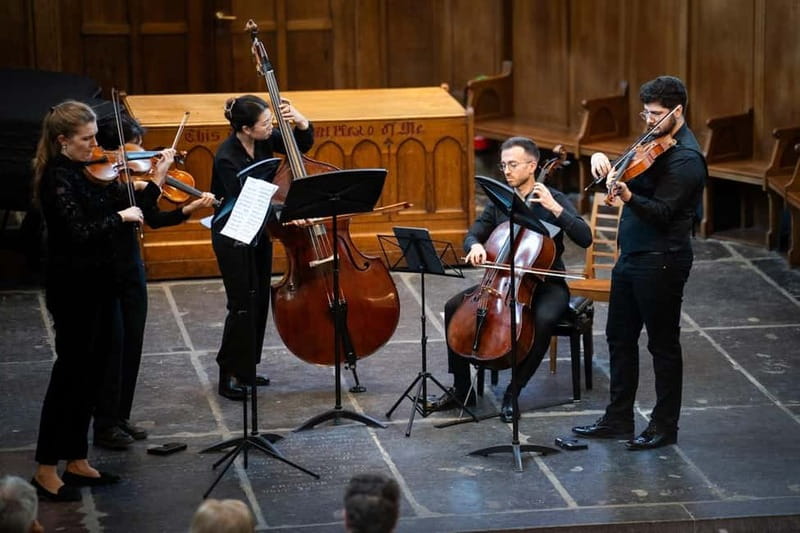
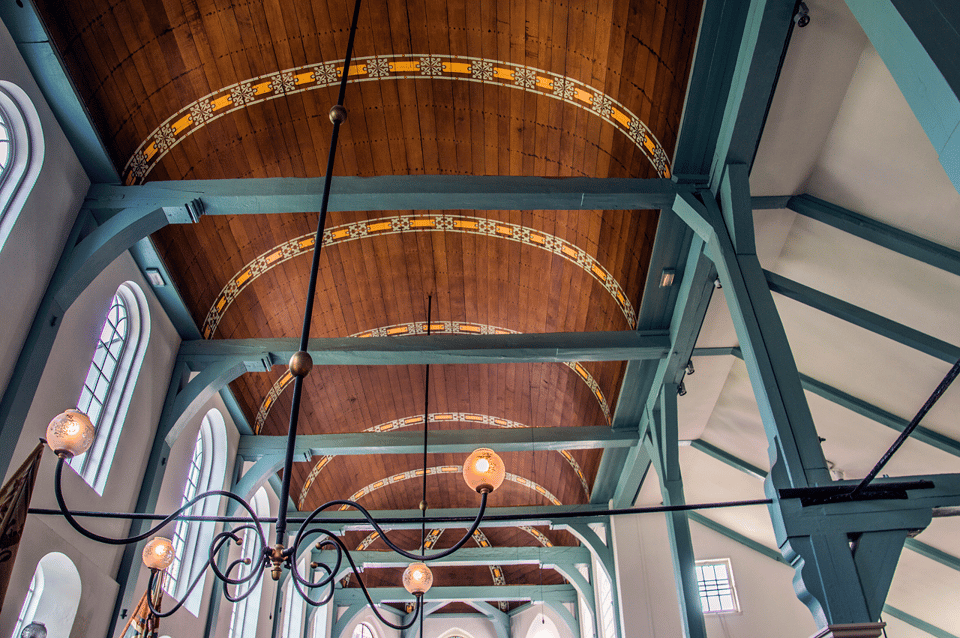
Concerts can be hit-or-miss if the room fights the performers. Here, the reviews put a lot of weight on the acoustic quality, with one common theme: the sound is clear and the acoustic is perfect. That’s not a small detail. In classical music, clarity is everything—especially with famous melodies people think they already know.
I’d also pay attention to the program’s mix. You’re not only hearing big orchestral moments. You’ll hear works that depend on careful phrasing and dynamics, like the Bach Air on the G String and the Mozart Requiem movement listed for the Lacrimosa. A venue with good resonance helps those lines feel present, not buried.
One other thing I appreciate: you don’t need to dress up. No dress code is required. That keeps the mood comfortable. In a historic church setting, it’s easy to feel like you have to perform too—but here, you can just show up and listen.
The 1-hour concert program: what you’ll hear, and what to listen for
This concert runs about one hour, so the program is designed to pack in recognizably great music without dragging. You’ll see a printed program provided, which makes it easier to follow along even if you’re new to classical.
Here’s what’s on the program, with a few practical notes on what you’ll likely notice as the music moves:
Vivaldi, The Four Seasons (Spring & Summer)
If you’ve heard The Four Seasons in movies or commercials, this is the chance to hear it properly. Vivaldi’s style is direct and rhythmic. Spring tends to feel light and playful; Summer can shift into a more urgent, sun-and-storm energy. Even if you don’t know the instruments involved, the writing is so vivid that you usually feel the seasonal story as it unfolds.
Pachelbel, Canon & Gigue in D major
Pachelbel is the “calm but still catchy” part of many concert sets, and that’s exactly why it works here. The Canon has that repeating structure that makes you tune in to small changes. Then the gigue gives you motion, which helps the program feel balanced instead of one long mood.




Mozart, Requiem (Lacrimosa)
The Lacrimosa is famous for a reason. It has a solemn, emotional weight. In a concert like this—inside a historic church—you’ll feel the work’s seriousness more than you would from a recording. If you’re thinking about trying classical for the first time, this movement is a great entry point because it’s recognizable in its feeling even if you’ve never studied it.
J.S. Bach, Air on the G String
This is the soothing, lyrical moment in the program. Bach’s writing here is elegant. The melody line is often the star, and the accompaniment supports without stealing the show. If you ever wondered what people mean when they say classical can be moving but not loud, this is a strong example.
Schubert, Ave Maria
Schubert’s Ave Maria is all about vocal beauty and careful emotion. Since the performance includes a soprano, this is one of the pieces where you’ll probably lean in and listen for the voice as the center of gravity. It’s the kind of piece that turns a room quiet in a good way.
Mozart, Salzburg Symphony K136 (Allegro)
This is a fast, energetic contrast after more lyrical selections. An Allegro movement tends to bring clarity and momentum—less lingering, more forward motion. It’s also a good reminder that Mozart isn’t only about elegance; he can be sharp and bright too.
Beethoven, Symphony No. 5 (Allegro)
Beethoven’s Fifth is one of the most recognizable works in Western music. Even if you don’t know the details, you know the feeling. The Allegro movement is the kind of music that makes you stop thinking and start listening with your whole brain. In a good acoustic room, the power of the orchestral writing comes through clearly.
Handel, Ombra mai fu from Xerxes
This is another calming highlight. Handel’s Ombra mai fu has a stately, flowing quality that feels like it belongs in a church. It’s graceful and steady, so it works well as part of a set that has both drama and tenderness.
Overall, the program is built around contrast: seasonal light, sacred emotion, lyrical calm, and major classical hits. If you’re trying classical music for the first time, you’ll get multiple “ways in” during the same hour.
Who’s performing: Amsterdam Gala Orchestra with soprano
You’re not just buying the name of the composer. You’re paying for an evening where musicians bring those parts to life. The performance here is the Amsterdam Gala Orchestra with a soprano.
With a soprano in the mix, you should expect at least the vocal-centered pieces to have a different flavor than a pure-instrumental set. In practical terms, that means you get more variety in sound and phrasing. Works like Schubert Ave Maria and Mozart Requiem’s Lacrimosa usually land differently with a voice present, because you’re hearing language-like emotion and line-by-line delivery.
Even better, the reviews consistently praise talent and enjoyment, including moments where music can feel spellbinding for first-timers. That’s often what you want from a classical concert: not a test of your music theory knowledge, but a chance to feel the pieces as they are.
Timing and arrival: how to avoid the most common mistake
This is an easy evening to schedule, but one thing matters: arrive on time. Admission is at the entrance to the English Reformed Church at the Begijnhof. You show your ticket there, then you’re in.
Because the concert is about one hour, missing the first portion is more noticeable than it would be in a longer event. If you’re the type who likes a five-minute buffer to get comfortable, this is a great excuse to keep that habit. You’ll avoid stress, and you’ll get the best start to the music.
The activity ends back where you began, which is also convenient. You can plan dinner after without needing a complicated route or transport puzzle.
Price and value: is $30 for one hour a good deal?
Let’s be honest: $30 is not “cheap,” but it’s also not unreasonable for a live classical concert in a central Amsterdam historic venue—especially when the ticket includes entry and a printed program.
Here’s why I think it’s good value for the kind of experience you’re getting:
- You’re paying for a real performance, not just ambience.
- The venue is special: a historic church in the Begijnhof area, not a generic hall.
- The program includes major classical composers you can recognize: Vivaldi, Mozart, Bach, Beethoven, Schubert, Handel, and more.
- No dress code means you’re not forced into extra spending to participate comfortably.
What’s not included is also important: food and drinks aren’t part of the ticket. So if you were hoping to make this your whole dinner plan, you’ll need to eat elsewhere.
Also, the schedule depends on availability. Starting times vary, so pick one that fits your day. For a lot of visitors, this is a good “evening anchor” after a museum visit or a canal-walk day.
What to expect before, during, and after
Before: you’ll head to the English Reformed Church at the Begijnhof and show your ticket at the entrance. You’ll get a printed concert program. That small paper matters more than you might think. It helps you follow each movement by composer and piece title without needing an app.
During: the concert is about an hour long. The music moves through a sequence of major works, including both orchestral and vocal-centered pieces. The historic setting and praised acoustics make the listening experience feel focused—like the room is cooperating with the performance.
After: the activity ends back at the meeting point. You can then continue exploring the Begijnhof or move to dinner nearby. Since no food and drinks are included, your post-concert plan should include that step.
Who should book this, and who might want to skip it
This concert is a strong match if:
- you like classical music and want to hear famous works live
- you’re new to classical and want a program packed with recognizable favorites
- you care about sound quality and venue atmosphere
- you want an easy plan that lasts about an hour
You might want to skip it if:
- you’re hoping for a long, guided experience or deep educational talk (this is focused on the music)
- you want the ticket to include dinner or drinks
- you dislike sitting through a concentrated hour of concert repertoire without breaks
The reviews also point to how approachable the evening feels. That’s a good sign if you’re bringing someone who isn’t sure they’ll like classical yet. The set includes both sacred and energetic pieces, so there are multiple chances for your ears to click.
Should you book Amsterdam’s Begijnhof classical concert?
If you want one high-quality classical evening in Amsterdam, I’d book this. The price is fair for a one-hour live concert in a historic church, and the combination of venue atmosphere plus a strong, famous program is hard to beat.
The deciding factors for me are simple:
- Acoustics and church setting get real praise, and that’s exactly what you want from a concert.
- The repertoire is built for real-life listening, from Vivaldi and Bach to Beethoven’s Fifth.
- It’s low-pressure. No dress code, no complicated logistics—just show up, get your program, and let the music do the work.
If your calendar allows it, pick a time that won’t leave you rushing. Arrive on time, grab a bite before or after since food and drinks aren’t included, and enjoy a very “Amsterdam” kind of contrast: quiet medieval courtyard outside, and big-name classical music inside.
FAQ
How long is the classical music concert at the Begijnhof?
The concert lasts about 1 hour.
Where does the concert take place?
It takes place at the English Reformed Church in the Begijnhof area of Amsterdam.
How much are tickets?
The price is $30 per person.
What music is included in the concert?
The listed program includes pieces such as Vivaldi’s The Four Seasons (Spring & Summer), Pachelbel’s Canon & Gigue in D major, Mozart’s Requiem (Lacrimosa), Bach’s Air on the G String, Schubert’s Ave Maria, Mozart’s Salzburg Symphony K136 (Allegro), Beethoven’s Symphony No. 5 (Allegro), and Handel’s Ombra mai fu from Xerxes.
Do I get a concert program?
Yes. A printed concert program is included.
Is there a dress code?
No dress code is required.
Are food and drinks included?
No. Food and drinks are not included.
Is the venue wheelchair accessible?
Yes, the concert venue is wheelchair accessible.
Can I cancel and get a refund?
You can cancel up to 24 hours in advance for a full refund.