
REVIEW · AMSTERDAM
Amsterdam: Houseboat Museum Entry Ticket
Book on GetYourGuide →Operated by Boat Boys · Bookable on GetYourGuide
Amsterdam’s houseboat museum is surprisingly vivid.
This entry ticket lets you step aboard the Hendrika Maria, a 1914 cargo ship turned into a houseboat in 1967, and it’s built for an up-close feel of how people actually lived afloat. I like that it’s not a staged “theme” house. It’s a working-feeling home space with history you can touch. The only Houseboat Museum in Amsterdam part also matters, because you’re not just repeating something you’ve seen elsewhere.
My favorite parts are the way the interior reads like a lived-in timeline (especially that 1970s look) and the clear, interactive storytelling about life on a ship that once moved freight. The museum experience is compact but focused, with an audio-style approach that helps you make sense of what you’re seeing as you go.
One drawback to plan around: space is tight and the visit is short. If you’re expecting a long, wandering museum afternoon, the limited space and steep stair access may not match your pace.
In This Review
- Key things to know before you go
- Why the Hendrika Maria Houseboat Museum Feels Different Than a Typical Attraction
- Ticket Value: What $12 Buys on a 1914 Cargo Ship
- Walking the Boat: From Freight Barge to 1967 Houseboat Living
- What You’ll See: Family Life, Mast Details, and That 70s Color Mood
- Practical Tips for a Smooth Visit in a Real Houseboat
- Who Should Book This Houseboat Museum Ticket
- Should You Book the Amsterdam Houseboat Museum Entry Ticket?
- FAQ
- How long is the Houseboat Museum visit?
- What ticket do I need?
- Can I take photos inside the museum?
- What ship is the museum inside?
- What’s inside the houseboat like?
- Is there food or drinks included?
Key things to know before you go
- Hendrika Maria (1914): the ship you tour started life as a cargo vessel, then became a home in 1967
- That 1970s interior feel: expect plenty of orange, yellow, and brown
- Family-of-four life onboard: you’ll learn how daily life worked when it was still a freight barge
- Only houseboat museum in Amsterdam: unique setting, not a copycat attraction
- Photography without flash: bring your phone, but leave flash off
- Steep stairs and limited room: this is a real vessel, not a level museum floor
Why the Hendrika Maria Houseboat Museum Feels Different Than a Typical Attraction
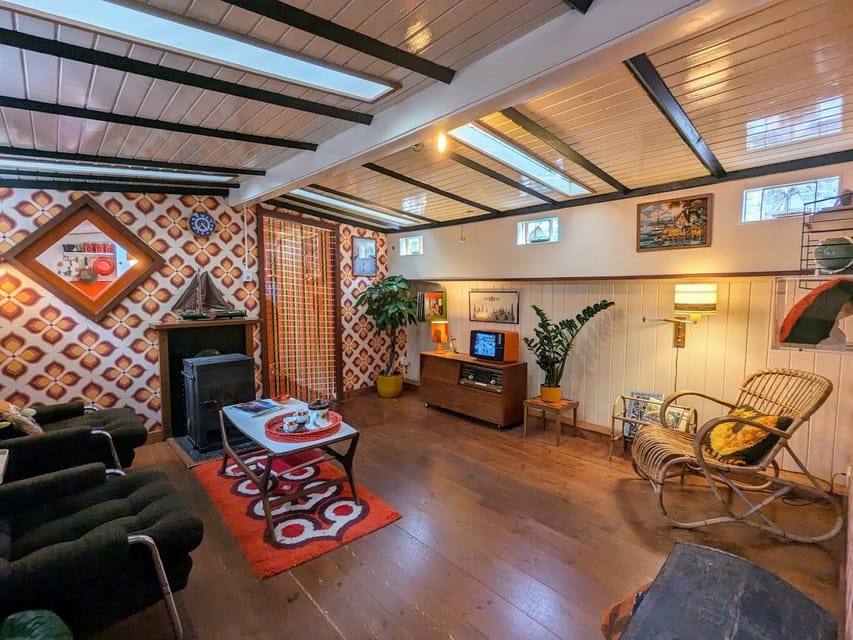
Most attractions in Amsterdam are designed for you to look and move on. This one flips that. You walk through a home that happens to be shaped like a ship, and it changes how you understand the place.
You’re stepping into the story of a vessel that evolved over time. The Hendrika Maria was built in 1914 as a cargo ship. In 1967, it was converted into a houseboat, and the museum experience leans hard into that shift: from freight work and practical sailing gear to domestic life.
What I love is the practicality baked into the design. You can sense why things were placed where they were, because the ship layout is still part of the experience. It’s less about grand exhibits and more about “how would this have worked?” That’s the feeling you’re buying with this ticket.
You can also read our reviews of more tours and experiences in Amsterdam



Ticket Value: What $12 Buys on a 1914 Cargo Ship
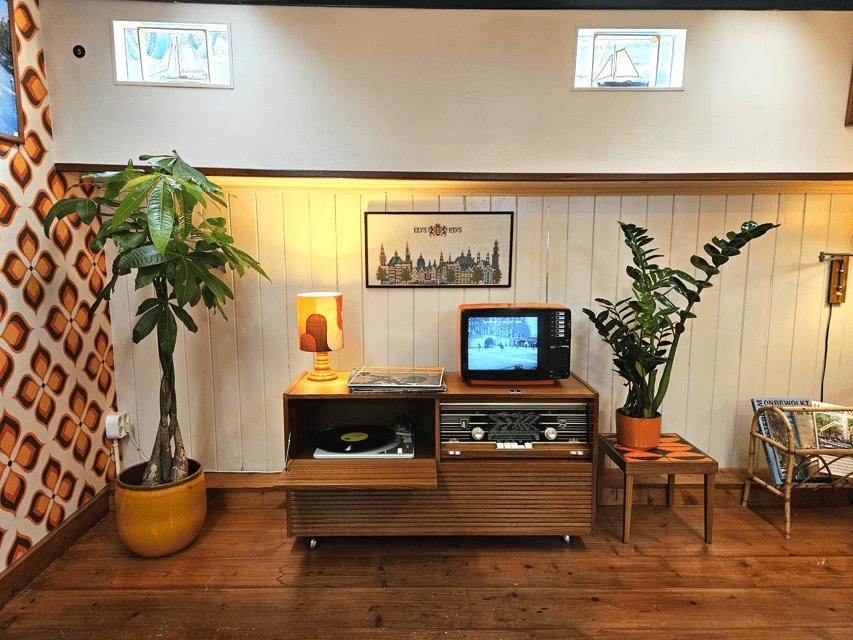
At about $12 per person, this is one of those tickets that makes sense if you like intimate history and don’t need hours of content. It’s also great value if you’re trying to balance Amsterdam classics with something more unusual that you can do in a short window.
Here’s the honest trade-off: the museum experience is compact. Multiple visitors clock the tour as something like 15 to 20 minutes when following the audio-style guidance, and the total space you cover is limited because you’re inside an 80m² houseboat footprint. That means it won’t feel like a big museum day.
Still, the uniqueness is real. It’s the only houseboat museum in Amsterdam, and the ship itself is the main attraction. You’re paying for access to a historical vessel and its onboard story, not for a long gallery route. If you’re the type of traveler who enjoys small, specific places, you’ll likely feel it was priced fairly.
Walking the Boat: From Freight Barge to 1967 Houseboat Living
Your visit starts with a key idea: you’re on a ship, not in a building that happens to float. That distinction changes everything you notice.
You’ll move through the space with the museum’s interactive, information-rich approach, where the story is told in layers. First, you learn how life worked when the Hendrika Maria was used for freight—practical, functional, and connected to transportation routes. Then you see what changed when it became a residential houseboat in 1967.
One detail I think you’ll appreciate is how the conversion is treated as a real transformation rather than a quick cosmetic change. The space wasn’t redesigned from scratch into a modern show home. The ship’s bones stay present, so daily life still has that onboard rhythm. Even the way you look at the rooms is different because the geometry and layout remind you this was once meant for cargo work.
If you’re curious about maritime living beyond postcard images, this format is a strong match. It doesn’t just say how people lived; it helps you interpret the space itself.
What You’ll See: Family Life, Mast Details, and That 70s Color Mood
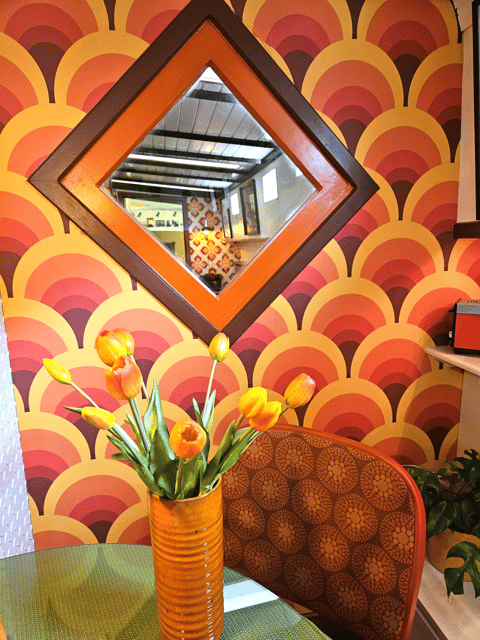
The museum’s standout visual cue is the interior design. You’ll be met with that authentic 1970s-era look, which means lots of orange, yellow, and brown. If you’re expecting sleek minimalism, plan to shift gears fast. This is vintage atmosphere, and it’s part of the point: it reflects how the boat’s residential life evolved once it became someone’s home.
Another highlight is the focus on a family of four. You learn how a household operated on the ship both as it related to its earlier freight-barage purpose and later as a lived-in houseboat. That family-of-four angle makes the experience feel less like “maritime history in general” and more like “how did these people manage real routines?” in a space where every corner counts.
Then there are the sailing details that add a technical layer. The boat has an original sailing mast and a leeboard. The museum uses these practical parts to explain how the ship once handled routes to the Scandinavian countries for transportation. It’s a smart way to connect “weird old hardware” to real-world movement—so you leave with a clearer picture of why certain elements existed in the first place.
And yes, it feels a bit like stepping into a time capsule. That can be a plus. It can also be why the tour doesn’t sprawl across hours: the ship is the exhibit, and the exhibit has limits.
Practical Tips for a Smooth Visit in a Real Houseboat
Since this is literally a houseboat, you should treat it like one. That means planning your body and expectations around the space.
1) Expect limited room.
The museum is located in a real houseboat, so space can be tight. Move calmly, keep one hand free for balance if you need it, and be ready for that “small rooms, close stories” vibe.
2) Watch your footing.
Steep stairs are part of the experience. If you’re someone who struggles on stairs, go in knowing this is not an elevator-friendly museum layout.
3) Photography is fine, flash is not.
Bring your camera or phone. You can take photos, but flash photography isn’t permitted inside. That’s a simple rule, and it also helps protect the interior.
4) Plan for a short visit window.
Based on how the tour flows, don’t schedule it like a half-day museum. If you want to take your time, give yourself extra minutes for reading and lingering—but the core route is compact.
5) Think of it as a “story walk.”
This visit works best if you stay curious and slow your scanning. The onboard history makes more sense when you let the space guide you: first the ship identity, then the home identity, then the little practical sailing details.
You can also read our reviews of more museum experiences in Amsterdam






Who Should Book This Houseboat Museum Ticket
This ticket suits travelers who enjoy small, specific experiences with a strong sense of place.
You’ll probably love it if:
- You like history that’s tied to everyday life, not just dates
- You enjoy ship details and want a practical understanding of onboard living
- You’re looking for a break from bigger, more crowded museum halls
- You want something genuinely different from typical Amsterdam canal walks
You might hesitate if:
- You need a long attraction to justify your time
- You’re sensitive to steep stairs or cramped interiors
- You prefer modern, spacious museums over vintage, lived-in spaces
In other words, this is best as a focused stop, not a “fill the day” activity. Put it near other nearby sights and keep your schedule light.
Should You Book the Amsterdam Houseboat Museum Entry Ticket?
If you’re the kind of traveler who enjoys intimate places where the building is the story, I’d say book it. The Hendrika Maria setting is rare, the onboard interpretation is interactive, and the 1970s interior look makes the experience feel real rather than textbook.
Just be smart about expectations. Yes, it can feel short—because it is inside a boat, not a large building. And yes, the space and stairs are a real consideration.
My take: this is a good value ticket for people who want a unique Amsterdam experience in a limited amount of time. If that’s your style, this one belongs on your list.
FAQ
How long is the Houseboat Museum visit?
The activity is listed as lasting 1 day, but the actual museum tour is typically short. One visitor describes it as around 15 to 20 minutes when following the audio guide through the onboard space.
What ticket do I need?
You get entrance to the Houseboat Museum. That’s the main included item.
Can I take photos inside the museum?
Photography is allowed, but flash photography is not permitted inside.
What ship is the museum inside?
The museum is on the Hendrika Maria, a cargo ship from 1914 that was converted into a residential houseboat in 1967.
What’s inside the houseboat like?
The interior is described as original from the 1970s, so you’ll see a throwback look with lots of orange, yellow, and brown tones.
Is there food or drinks included?
No. Food and drinks are not included with the ticket.