Two hours through Amsterdam, guided at street level. This private walking tour links big-name sights with quieter streets in Amsterdam’s historic center, using a local perspective to show what you’d otherwise miss. You’ll cover the Old Town, the Red Light District, and the Jordaan, with stops that explain how the city works.
I especially like how the tour mixes must-see landmarks with smaller, everyday scenes. You pass well-known points like Dam Square and the Nieuwe Kerk, but the guide also points out courtyards and market-area details such as Noordermarkt. I also like that the guide doesn’t treat the city like a checklist; you get context on architecture, Dutch culture, and what’s happening now, not just what happened long ago.
One thing to consider: the route can feel more “church and landmark heavy” than you might expect from the name. If you want nonstop detours into obscure streets, you may find the time focused on major sights, and the total walking time can feel shorter than the label suggests.
In This Review
- Key takeaways before you go
- What you really get from a 2-hour private walk
- From Dam Square to the palace that began as city hall
- Nieuwe Kerk and the church-forward pacing you should expect
- Old Town, Red Light District, and moving past the headlines
- Jordaan and Noordermarkt: quieter streets with local energy
- Westertoren and Westerstraat: using viewpoints to read the city
- Passing Anne Frank’s House area with context, not just a photo stop
- The former main post office and canal origins
- Guide quality can make or break a walking tour
- Pace, comfort, and how to plan around a no-food tour
- Who this tour suits best (and who should skip it)
- Should you book this Amsterdam private hidden-gems-style walk?
- FAQ
- How long is the Amsterdam Private Hidden Gems Discovery Tour?
- What’s included in the tour price?
- Is food or drinks included?
- Where does the tour start?
- What languages are available for the live guide?
- What if I need to cancel?
Key takeaways before you go
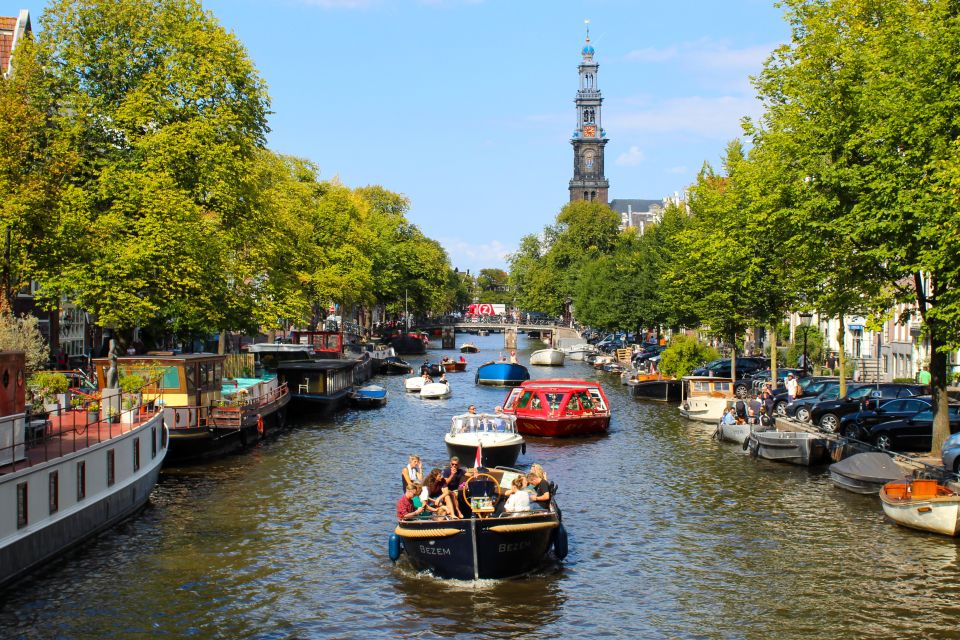
- Private guide, 2 hours: a tight route through central neighborhoods with room to ask questions.
- Dam Square to the Nieuwe Kerk: major civic and religious landmarks tied to city stories.
- Jordaan streets like Noordermarkt: calmer, more local-feeling Amsterdam after the busier scenes.
- Walking past cultural anchors: you pass landmarks including the Anne Frank area, Westertoren, and Anne Frank’s neighborhood streets.
- Red Light District, handled with context: you’re shown more than just the headlines and coffee-shop reputation.
- No food included: plan on grabbing something after, not during.
What you really get from a 2-hour private walk
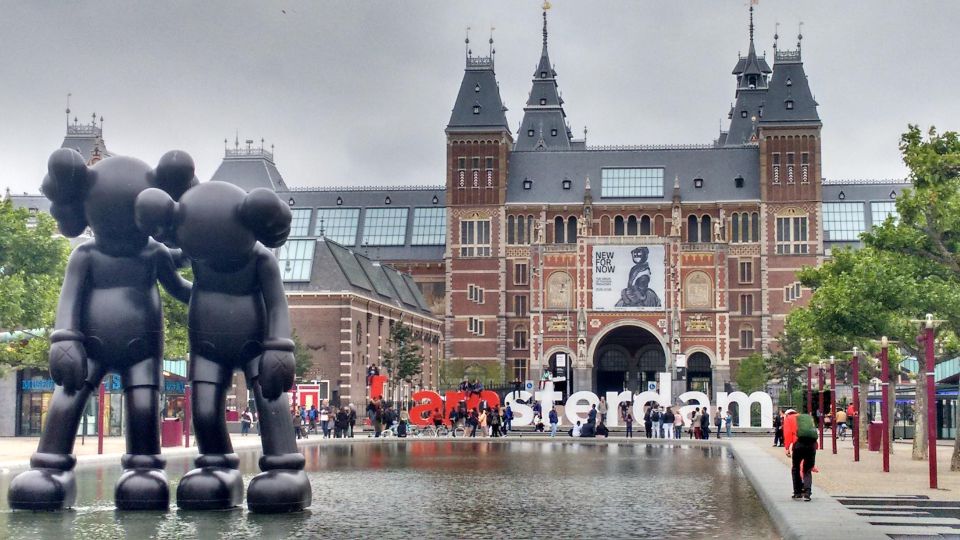
Amsterdam is one of those cities where time disappears fast. A private 2-hour walk is a smart way to get bearings without spending the whole day trying to stitch together a route yourself. You’re covering the historic center on foot, which means you see street rhythm, not just building photos.
The price is listed at $35 per person for a 2-hour walking tour with a local guide. That’s good value if you want two things: (1) the essentials you’d likely hit anyway, and (2) explanations that help you understand why those places matter. If you’re already an Amsterdam superfan who knows every canal corner, the value may feel smaller. But for most first-timers and “returning with a purpose” visitors, the guide-led context makes the money feel worth it.
Because it’s private, you can steer the vibe a bit. The experience provider notes live guiding in English, German, Spanish, and Dutch, which also helps if you’re traveling with mixed language comfort. And the guides can adjust the plan to fit the group, which shows up in guide feedback you’ll see about this experience.
You can also read our reviews of more private tours in Amsterdam


From Dam Square to the palace that began as city hall
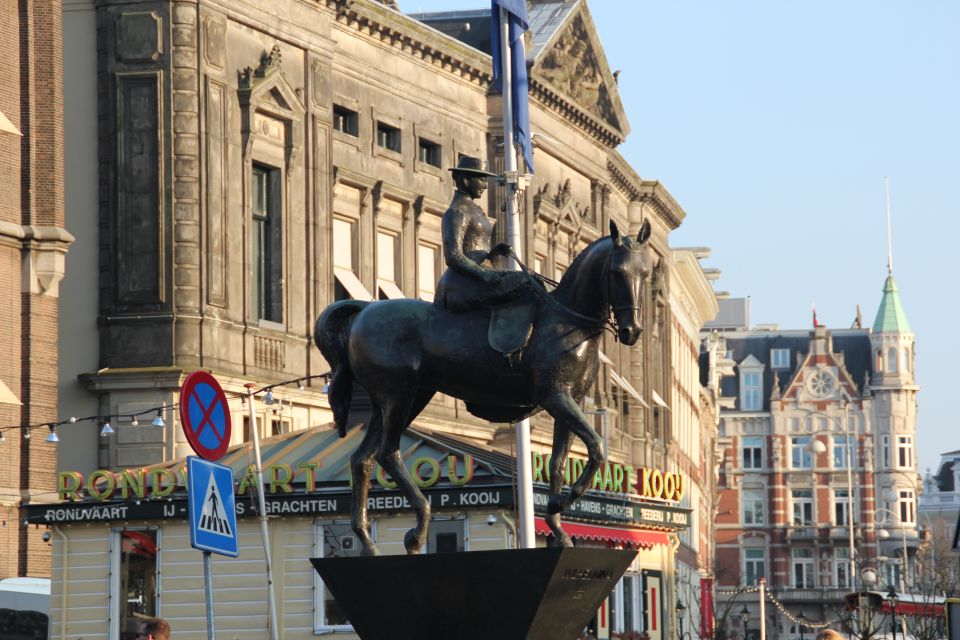
Dam Square is where Amsterdam’s power-stories start in plain view. On this tour, you’ll see the palace on Dam Square, originally built as the city hall. That detail matters because it frames how Amsterdam grew: this wasn’t only about canals and commerce, it was also about civic authority in the middle of town.
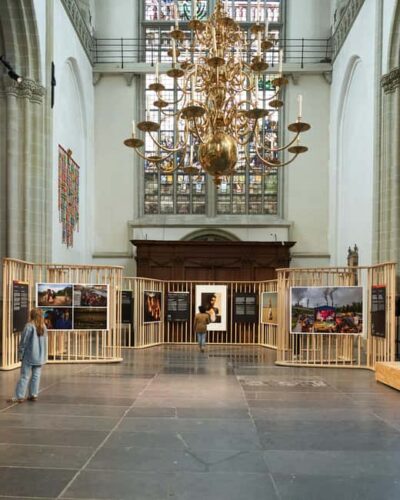
You’ll also move on to the Nieuwe Kerk. Even if you don’t plan to go inside, the value is in the guide’s way of connecting the dots—what the landmark is, where it sits in the city, and what role that kind of building played in Amsterdam’s public life. The tour keeps you walking, so you’re not stuck waiting around for long stops. That’s a plus if you want a tour that moves with the city instead of pausing it.
Practical note: Dam Square is busy. A walking tour like this works best when you accept that you’ll be navigating foot traffic while your guide keeps the flow. If you prefer a calm route with minimal crowds, keep that in mind.
Nieuwe Kerk and the church-forward pacing you should expect
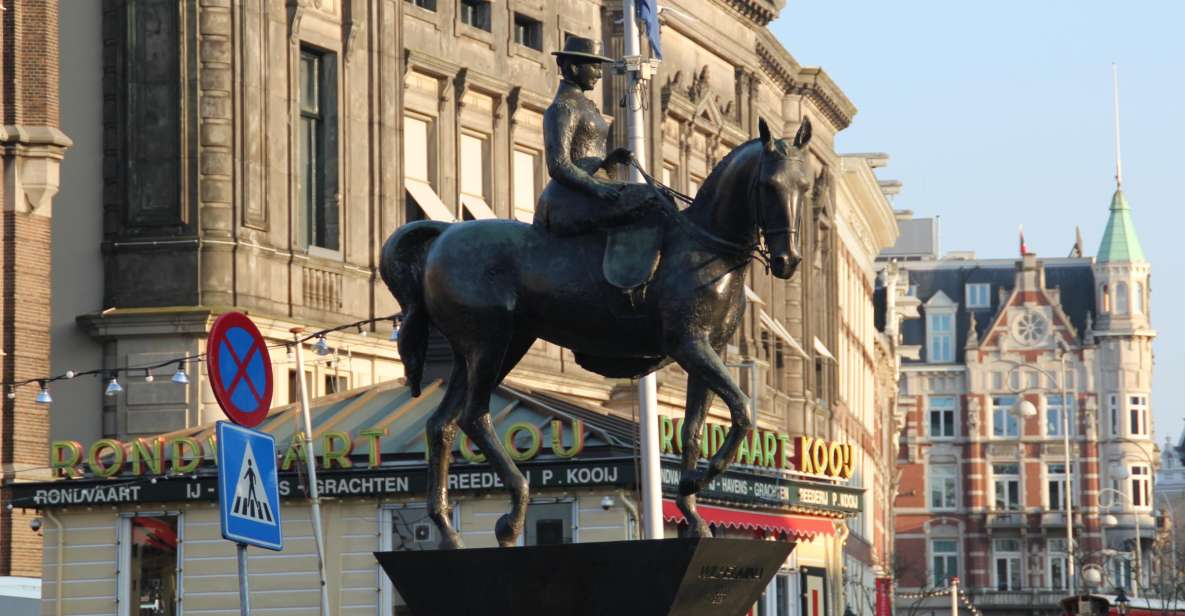
One review feedback point that you should take seriously: the tour can include a noticeable number of churches. If you’re the type who wants mostly streets, views, and architecture outside the church entrances, the church time may feel like it crowds out other stops.
That said, churches in central Amsterdam aren’t just religious buildings. They often mark important eras of the city and give shape to the neighborhoods around them. If you’re open to that angle, the stops can still feel meaningful. If you’re not, you’ll want to ask the guide early what the balance will be—landmarks versus quieter courtyard areas.
This is a good moment to apply a simple strategy: ask direct questions. One guide feedback mentioned that some of the best information came when people asked lots of questions. A private format makes that easier than it is on a group bus tour.
Old Town, Red Light District, and moving past the headlines
You’ll pass through the Old Town and the Red Light District, but the promise here is not to treat those areas as a single spectacle. The description explicitly sets the expectation of going beyond the Red Light District and coffee shops. In other words, you’ll still see the place everybody recognizes, but you should come away with a broader feel for how Amsterdam functions culturally.
How to get the most from this part of the walk:
- Keep your attitude respectful and calm. This area is public, but it’s also sensitive.
- Use the guide as your translator for what you’re seeing—social rules, neighborhood history context, and how Amsterdam fits into the bigger Dutch story.
You’ll also hear about Dutch culture and present-day activities. That’s useful because it prevents the Red Light District from being a one-note stop. Instead, it becomes part of a larger city picture—tourist-famous, yes, but also woven into everyday street life.
Jordaan and Noordermarkt: quieter streets with local energy
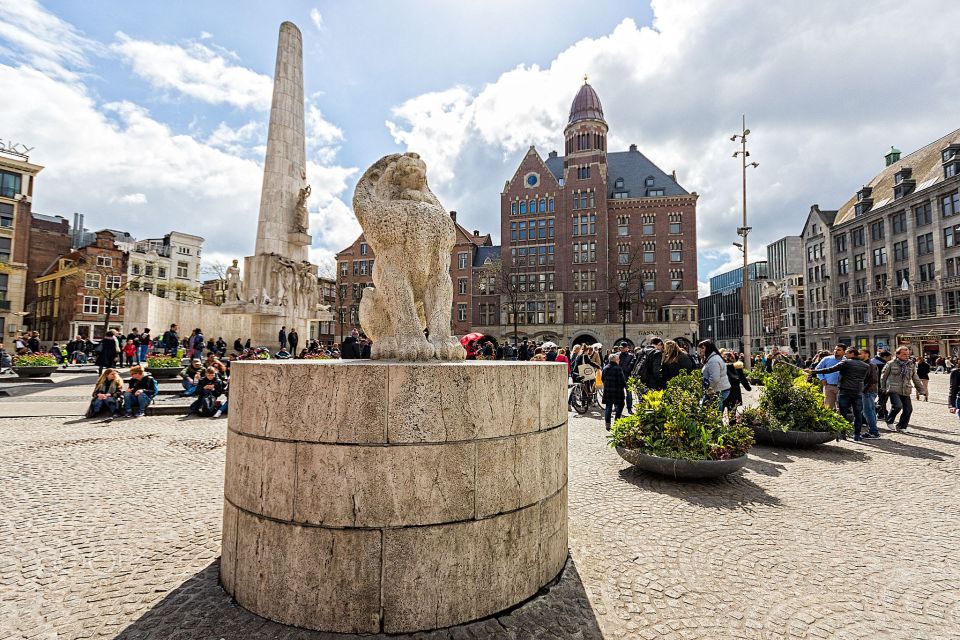
After the busier center, the Jordaan District tends to feel like a better place to slow down. You’ll walk through it as part of the route, and the experience highlights spots like Noordermarkt. Even if you don’t stop for a long break, market-area squares give you a more lived-in Amsterdam feeling than the postcard viewpoints.
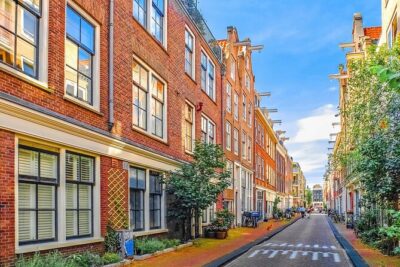
This is also where the tour leans into the “watch-your-step” details. The description notes hidden courtyards and beautiful sights that aren’t always obvious from the main streets. That’s often the difference between a walking tour that only shows landmarks and one that helps you see the city’s texture.
If your goal is neighborhood character, this is where you’re most likely to feel satisfied. It’s also where you’ll benefit most from asking questions about architecture and daily life, because the guide can point out what to pay attention to beyond the obvious.






Westertoren and Westerstraat: using viewpoints to read the city
Two landmarks appear along the way: Westertoren and Westerstraat. These are the kind of sights that work well on a walking tour because they give you orientation. You can look toward the tower and then feel how the street network leads you through the city’s built form.
The guide also helps connect what you’re seeing to Amsterdam’s culture and architecture. Even if you’re not entering anything, the tour’s value is how it teaches you to notice: the shape of streets, the relationship between churches and neighborhoods, and how the city layout influences daily movement.
Westerstraat and the surrounding blocks can feel more “normal” than the landmarks themselves. That’s often what you want after a stop like Dam Square: you want the city to keep making sense as you walk.
Passing Anne Frank’s House area with context, not just a photo stop
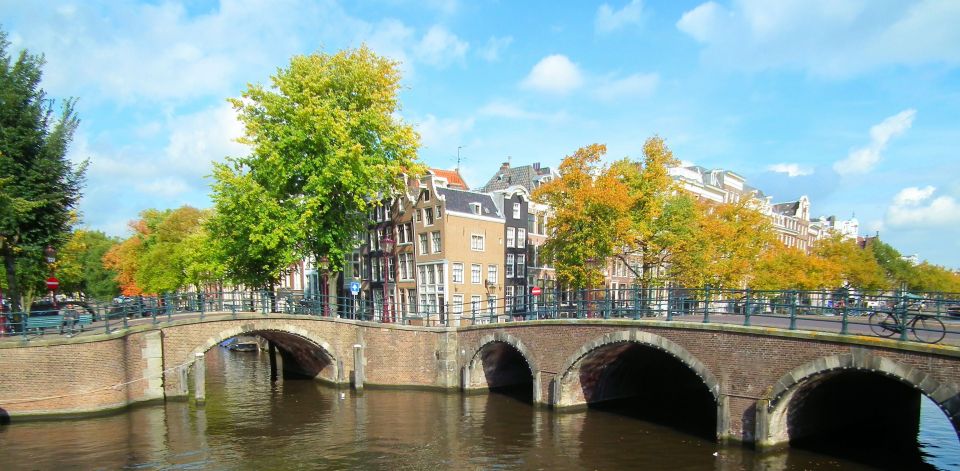
The tour includes Anne Frank’s House in its walking route, and it also mentions Anne Frank’s House and nearby streets like Westerstraat as part of the overall experience. On a walking tour, you don’t get the same depth as a dedicated museum visit, but you do get something valuable: framing.
The guide can provide context so you’re not just seeing a famous front door. Instead, you understand why this location matters in the city’s story. That kind of framing is exactly where a live guide becomes more than a human GPS.
Important consideration: if your top priority is a museum-level experience, this walking tour is not that. It’s about movement through the city and understanding what you see along the way. Use it as a foundation, then decide if you want more time at specific sites.
The former main post office and canal origins
One of the more interesting elements of the walk is the inclusion of the former main post office. The route pairs that stop with explanations of the origins of the canal district and the Dutch Royal Family. Even without a deep lecture, having these topics pointed out while you’re physically surrounded by the city’s layout makes the information stick.
This matters because canals can feel like background scenery. When someone explains their origins while you’re walking near relevant parts of the city center, you get a stronger mental map. You’re not only seeing water and bridges—you’re connecting that geography to the story the guide is telling.
This is also a good reminder that this tour isn’t designed only for landmark recognition. It’s built to explain how central Amsterdam developed its identity.
Guide quality can make or break a walking tour
In feedback about this experience, three guide names come up: Peter, Andrea, and David. The common thread is adaptability and clarity.
- Peter is described as adjusting the tour well for the group. That’s exactly what you want in a private format: the plan should respond to what your group cares about.
- Andrea is noted as brilliant and very interesting, with lots of lovely places seen.
- David is described as personable, with a lot of learning tied to questions. That suggests the best experience comes when you treat the guide like a conversation.
So here’s my practical advice: come with 2 or 3 questions ready. Examples could be about what you’re seeing, why a building matters, or what area you should explore next on your own. If you don’t ask, you might still get the highlights, but the tour’s usefulness drops.
Pace, comfort, and how to plan around a no-food tour
This is a 2-hour walking experience. That’s short enough to stay energetic, but long enough that comfort matters. Wear shoes you trust for uneven cobblestones and constant turning around corners. If you’re the type who needs frequent breaks, you might feel rushed since the format is built around moving between key points.
Also, food and drinks aren’t included. That’s not a problem, but you should plan your day around it. If you schedule this tour right before dinner, you’ll feel better. If you put it between meals, bring something small or plan a nearby stop right after.
Finally, the meeting point may vary depending on the option booked. That’s normal for walking tours in central Amsterdam, where the best starting point depends on the route version and the group. Give yourself a little buffer so you’re not sprinting to catch the guide.
Who this tour suits best (and who should skip it)
This is a strong fit if you:
- Want a guided overview of Amsterdam’s center in two hours
- Like a blend of major landmarks plus side streets and courtyards
- Prefer private guiding so you can ask questions and shape the pace
- Are curious about Dutch culture beyond the usual visitor headlines
It may be a weaker fit if you:
- Expect nonstop “only locals know this” detours all day
- Strongly dislike church stops and expect almost zero of them
- Want a museum-first experience rather than a moving city-walk
Should you book this Amsterdam private hidden-gems-style walk?
Book it if you want a quick, guide-led way to connect Amsterdam’s famous sights to the city’s everyday reality. The big value is the mix: you’ll cover Dam Square, Nieuwe Kerk, the Red Light District and Jordaan, and you’ll also get explanation-heavy stops like the former main post office tied to the canal district and the Dutch Royal Family.
I’d hesitate if your idea of the perfect tour means long detours into extremely obscure streets with minimal attention to churches. One tour focus can feel heavier on notable landmarks than some people expect from the name. If that’s your expectation, message the operator ahead of time and ask what kinds of quieter stops you’ll actually get within the 2 hours.
Overall, at $35 per person, this is a practical choice for first-timers, and it’s also a good “second-visit” option if you want someone local to help you see the city’s structure, not just collect photos.
FAQ
How long is the Amsterdam Private Hidden Gems Discovery Tour?
It lasts 2 hours.
What’s included in the tour price?
The tour includes a local guide and a 2-hour walking tour.
Is food or drinks included?
No. Food and drinks aren’t included.
Where does the tour start?
The meeting point may vary depending on the option booked.
What languages are available for the live guide?
The guide is available in English, German, Spanish, and Dutch.
What if I need to cancel?
You can cancel up to 24 hours in advance for a full refund, and there’s also a reserve now & pay later option.