REVIEW · AMSTERDAM
Amsterdam: Historic Tram Ride on Heritage Line to Amstelveen
Book on GetYourGuide →Operated by Electrische Museumtramlijn Amsterdam · Bookable on GetYourGuide
A ticket punch from the past. On the historic Lijn 30 tram ride from Haarlemmermeerstation to Amstelveen, you’ll hear the whistle and bell and watch a restored system run like it’s meant to. I also love that you can choose to get off near lake Bosbaan and the Amsterdam Forest area, so the trip isn’t only about sitting there.
This is fun, but it’s not a nonstop sightseeing tour. If you want constant big views every minute, you may find long stretches feel more like transit than attraction.
In This Review
- Key things to know before you ride Lijn 30
- The historic Lijn 30 tram ride: what it really feels like
- Ticket punching and the soundscape you’ll hear the whole way
- Price and value: why $9 feels fair for this kind of experience
- Getting started at Haarlemmermeerstation without stress
- The route’s “sight level” (and how to plan if you want more to see)
- Your stop-by-stop payoff: where you can get off in Amstelveen
- Olympic Stadion stop: good for a quick perspective shift
- Amsterdam Forest: when you want calm without going far
- Lake Bosbaan: an easy nature-and-water stop
- Heemtuinen wildlife garden: nature time for small explorers
- The Old Village (redbrick buildings): the stop for old-town texture
- Tiny operational details that make this tram feel authentic
- Practical tips: make the most of your one-hour ride
- Who should book this tram ride—and who should skip it
- Should you book the Amsterdam heritage tram to Amstelveen?
- FAQ
- How long is the historic tram ride?
- Where do I exchange my ticket?
- What’s included in the price?
- Do I get food or drinks on the tram?
- Can I get off the tram during the trip?
- What kind of sound and conductor interaction should I expect?
- Are there any restrictions on what I can bring or do?
- Is this tram ride wheelchair accessible?
- What languages are available?
- Is there free cancellation?
Key things to know before you ride Lijn 30
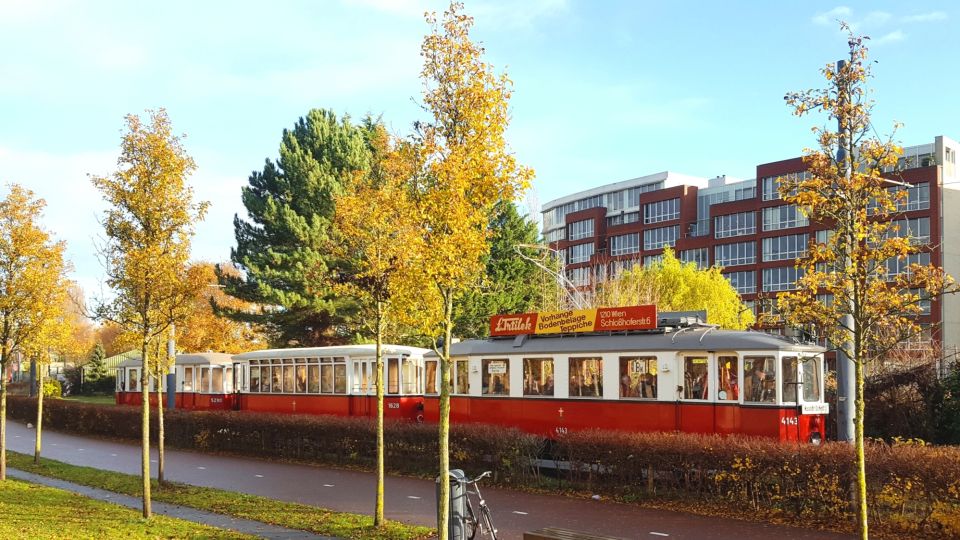
- Conductor ticket punching: Your ticket gets punched the old-fashioned way, and it’s part of the experience, not a gimmick.
- Classic sounds on cue: Whistle and bell signals help you understand how departures used to work.
- A heritage track feel: The route runs on historic infrastructure that’s more than 100 years old.
- Multiple stop options in Amstelveen: Olympic Stadion, Amsterdam Forest, lake Bosbaan, Heemtuinen wildlife garden, and the redbrick Old Village.
- Return trip included: You’re not just going one way—you’re back after about an hour, making it easy to fit into a day.
The historic Lijn 30 tram ride: what it really feels like
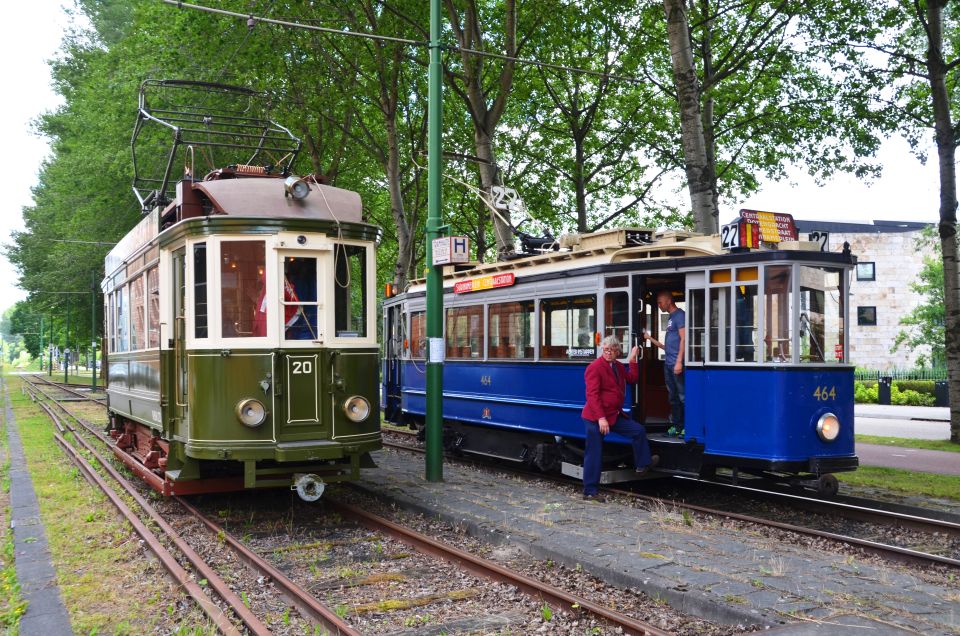
The whole point here is the old-world vibe. You board a fully restored tram car and ride a historic line that feels built for slowing down and noticing details. Even if you’ve seen trams in photos, the working rhythm—announcements, bell, whistle, conductor duties—lands differently in real life.
I love how the experience mixes theater with practical public transit. You’re not stuck in a museum hall. You’re on an actual ride where you watch the tram prepare for departure and then you simply go.
You can also read our reviews of more historical tours in Amsterdam



Ticket punching and the soundscape you’ll hear the whole way
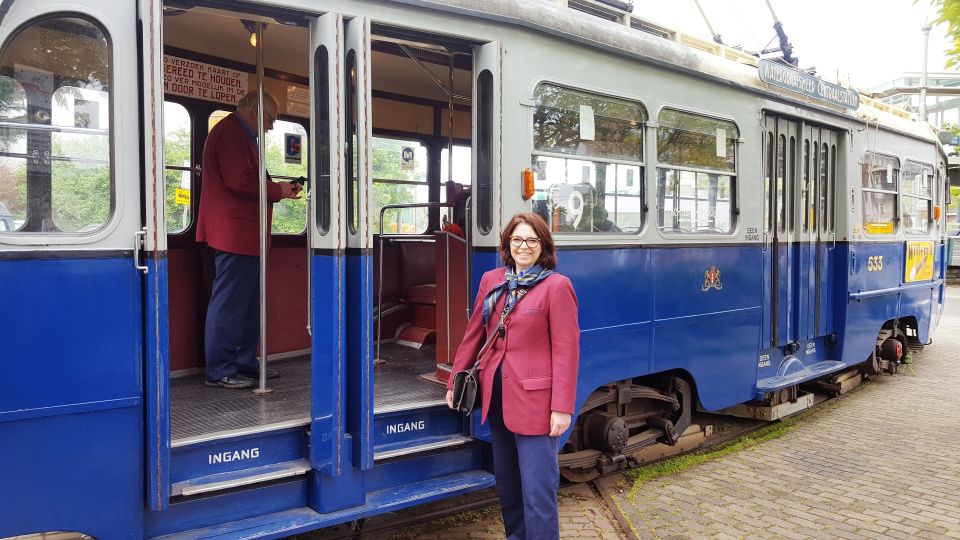
This is a hands-on nostalgia trip, and the ticket punch is the center of it. You exchange your voucher in the Tramshop at Haarlemmermeerstation, then you’re guided to the tram. Once you’re onboard, the conductor handles things in the classic way—punching your return ticket as part of departure.
Pay attention to the soundtrack. You’ll hear the bell and the whistle used to coordinate the driver when the tram is ready to go, plus the general hum of the tram in motion. Stops are called out, and that matters because you get to decide on the spot whether to stay onboard or hop off.
Price and value: why $9 feels fair for this kind of experience
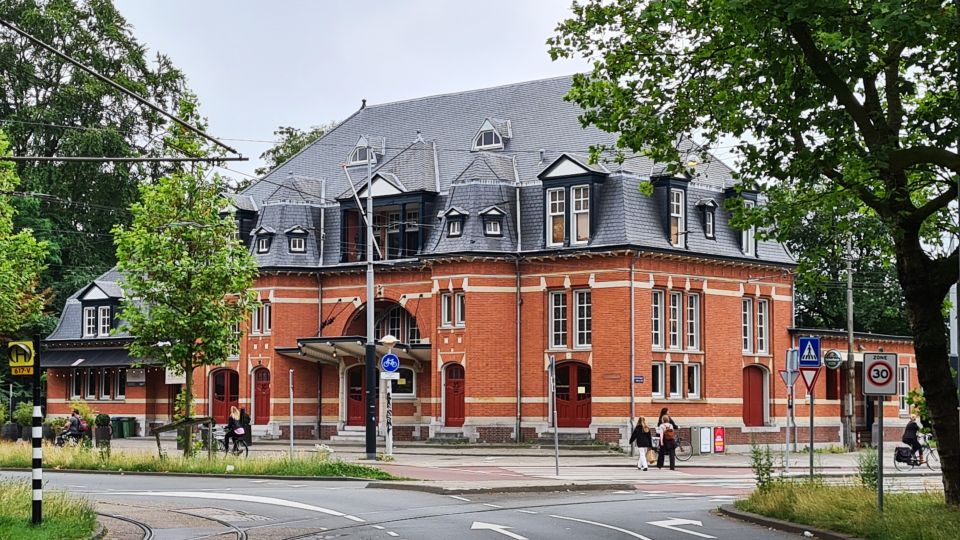
$9 per person for a return ticket is honestly one of the best parts of this outing. You’re paying for a full roundtrip ride, not just a short photo stop at a tram. And you’re not only riding—you get the conductors’ ticket-punching routine and the historic operation feel included.
It also helps that it’s about one hour from start to finish. That time window is ideal if you want something memorable but you don’t want to lose half a day to schedules and long transfers.
Getting started at Haarlemmermeerstation without stress
Your meeting point is simple: go to the Tramshop in Haarlemmermeerstation and exchange your ticket. After you swap it for your ride access, you’ll be guided from there to the tram itself.
Then you settle in. The tram runs with conductors onboard, and you’ll likely hear stop instructions as you approach each area. At the terminus, the operation keeps moving—expect the tram to be prepared for the return journey.
Two small realities to keep in mind:
- At the terminus point, you may have to temporarily exit the vehicle, or you might switch to another tram.
- The ride is not built around long waits or big detours. If you’re going to get off to walk around, you’ll want to do it with time in mind.
The route’s “sight level” (and how to plan if you want more to see)
One fair consideration is that the journey itself is not guaranteed to be a rolling highlight reel. Some parts of the line can feel more like a practical ride than a constant parade of attractions.
So I suggest you treat the tram as the main event—and use the stops as your payoff. If you plan to hop off at the right stops (rather than staying onboard the whole way), you’ll get much more out of the hour.






Your stop-by-stop payoff: where you can get off in Amstelveen
You’ll pass through Amstelveen stops that are specifically picked for variety—sports, forest edges, lakes, wildlife gardens, and older brick buildings. The beauty is that you choose how much time you want to spend on each area.
Olympic Stadion stop: good for a quick perspective shift
If you want a change of mood, the Olympic Stadion stop gives you a sense of place beyond the tram itself. It’s an easy choice when you want to get off, stretch your legs, and then return for the ride back without committing to a long plan.
Amsterdam Forest: when you want calm without going far
The tram also reaches the edge of the Amsterdam Forest. This is a great match for a short outing because it gives you a nature-feeling break while still staying on an easy timed transport plan. You’re not trapped on board—you can step out and slow down.
Lake Bosbaan: an easy nature-and-water stop
Lake Bosbaan is one of the best reasons to book this tram. It’s the kind of place where, even with a limited window, a walk along the area can feel like you left the city for a moment.
This is also a smart stop if you want your photos to look different from the usual Amsterdam canal scenes. You’ll trade busy street views for water-and-green atmosphere.
Heemtuinen wildlife garden: nature time for small explorers
The Heemtuinen wildlife garden stop adds a different tone: more small-scale nature time. It’s the sort of place where you can enjoy the idea of wildlife gardens even if you’re not doing a long guided nature walk. If you like looking closely at plants and quieter corners, this stop fits your pace.
The Old Village (redbrick buildings): the stop for old-town texture
The Old Village stop is a strong contrast. You get redbrick buildings and a more historic neighborhood feel without needing a full separate outing. It’s a good option if you want your tram ride to lead to something visually grounded and distinctly local.
And because you can return to the tram afterward, it works well for people who hate overplanning. Step off, look around, and then ride back when you feel done.
Tiny operational details that make this tram feel authentic
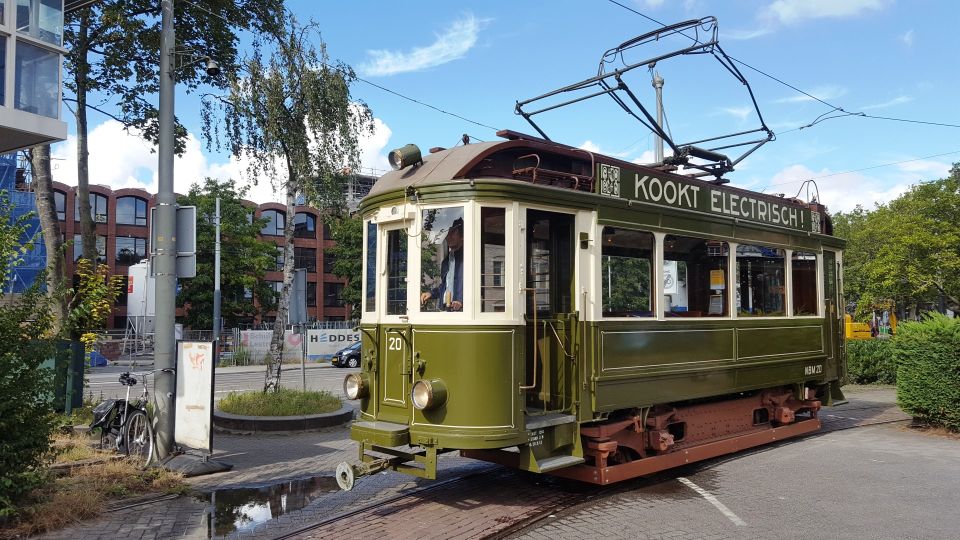
What makes this ride special isn’t only the tram itself. It’s how the ride is run.
At crossings, you’ll see how the route is managed—secured with red flags. You also get the conductor’s role in signaling and departure coordination. Those little cues help you understand that this is not just a decorated vehicle; it’s an active heritage operation working within real traffic reality.
If you like details, you’ll probably notice the rhythm at the terminus too. The tram is prepared for the return journey, which gives you a glimpse of how this kind of service stays ready to go.
Practical tips: make the most of your one-hour ride
Here’s how I’d plan this so you don’t waste your hour:
- Decide your likely get-off stop before you board. Pick one nature stop (Amsterdam Forest or lake Bosbaan) or one old-feeling stop (Heemtuinen or the Old Village). You can still change your mind, but it helps.
- Bring a light plan for photos. If your goal is photos, choose one stop where you’ll actually walk a few minutes.
- Don’t plan food on board. Food and drinks aren’t allowed in the vehicle, so think snack-and-water before you go, then step off for any time you want outside.
- Expect it to feel like transit, not a museum tour. You’ll be riding in a vehicle with conductors and regular operations, not following a scripted museum lecture.
- Mind restrictions if you have mobility or motion limits. This activity isn’t suitable for wheelchair users and people with mobility impairments, and it’s not suitable for people with motion sickness.
Who should book this tram ride—and who should skip it
This tram ride is a great fit if you want:
- an easy, low-cost heritage experience in Amsterdam
- a short activity that’s actually fun to ride, not only to look at
- the charm of a conductor-based ticket system and classic signals
It’s less ideal if you:
- need constant major sights during the entire ride
- get motion sick easily (the activity isn’t suited for that)
- require wheelchair access (it’s not suitable for wheelchair users)
If you’re the type who likes practical local experiences—how cities actually move—you’ll probably enjoy how this heritage line blends into the real place you’re visiting.
Should you book the Amsterdam heritage tram to Amstelveen?
Yes, if your idea of a good Amsterdam day includes a fun transport experience and you’ll use the stops (especially lake Bosbaan or the Amsterdam Forest edge) to add nature breaks. At $9 for a return ride, you’re buying a lot of atmosphere for not much time.
I’d think twice if you’re traveling only for landmark photos and you need every minute to feel like an attraction. In that case, treat this as a short scenic break plus a heritage tram moment—not as a full sightseeing engine.
If you want a simple, authentic-feeling hour with the old-school charm turned on, this is an easy choice.
FAQ
How long is the historic tram ride?
The duration is about 1 hour. You’ll want to check availability to see starting times.
Where do I exchange my ticket?
You exchange your ticket in the Tramshop in Haarlemmermeerstation. Then a guide will take you to the tram.
What’s included in the price?
The price includes a return ticket from Haarlemmermeerstation (Amsterdam) to Amstelveen.
Do I get food or drinks on the tram?
No. Food and drinks are not included, and you’re not allowed to have food or drinks in the vehicle.
Can I get off the tram during the trip?
Yes. You can decide during the ride whether to get off at stops, including places like Olympic Stadion, Amsterdam Forest, lake Bosbaan, Heemtuinen wildlife garden, and the Old Village.
What kind of sound and conductor interaction should I expect?
You can expect whistle and bell signals, plus conductor announcements of stops and conductor ticket punching.
Are there any restrictions on what I can bring or do?
Smoking is not allowed in the vehicle. Food and drinks are not allowed in the vehicle. Alcohol and drugs are also not allowed. Non-folding wheelchairs and non-folding strollers are not allowed.
Is this tram ride wheelchair accessible?
No. It is not suitable for wheelchair users and not suitable for people with mobility impairments.
What languages are available?
The host or greeter speaks Dutch and English.
Is there free cancellation?
Yes. You can cancel up to 24 hours in advance for a full refund.