REVIEW · AMSTERDAM
Amsterdam Private Canal Cruise – 90 Minutes through the Old City
Book on Viator →Operated by Amsterdam Boat Adventures · Bookable on Viator
Silent boats make Amsterdam feel less crowded. This private 90-minute canal cruise pairs an electric boat ride with a calm route through the Old City, so you can see famous canals without the stress of big-group logistics. I like how it stays comfortable and flexible with multiple departure times, plus an onboard guide who keeps the story moving along as you pass key sights.
What I especially like is the comfort extras: a rain canopy for gray days and blankets when temperatures dip. The other big win is the sense of space—your group stays small (up to 12), which makes the captain’s pace feel human and your questions easier to ask.
One thing to consider: it is a water-based experience that depends on weather, and drinks (including beer, wine, soda, and water) cost extra once you’re on board.
In This Review
- Key highlights worth booking for
- Quiet, private, and easy to schedule
- Stop-by-stop: what you’ll actually see from the water
- Along the Amstel River: dancing houses and a bridge for the finish
- Waterlooplein market and the daily life of canals
- Small Amsterdam, houseboats, and that “real city” feeling
- Zuiderkerk spire, Munttoren, and the church towers that anchor the skyline
- By De Wallen: the red-light district border from a careful distance
- House on the Three Canals and Oudezijds Voorburgwal: architecture and atmosphere
- Oude Kerk: Amsterdam’s oldest church from the canal side
- Kolksluis and the maritime story: locks, engineering, and ship time
- Montelbaanstoren and the medieval tower watch
- Kromboomssloot: the tiny canal stretch
- Nemo and the science-forward Amsterdam angle
- The Dutch East India Company ship outside the Scheepvaart Museum
- Botanical Gardens: a calmer stretch before the canal belt classics
- Herengracht and UNESCO canal belt perspective: elegance with context
- Reguliersgracht: the Seven Bridges Canal viewpoint
- Prinsengracht: houseboats and canal houses in close-up
- Comfort details that actually matter on a canal boat
- Price and value: private boat math for a group up to 12
- Who this cruise fits best
- Should you book this Amsterdam Private Canal Cruise?
- FAQ
- How long is the Amsterdam private canal cruise?
- What group size is this tour for?
- Is the boat electric?
- Is there an English-speaking guide?
- Where do I meet the boat?
- Is a rain canopy and blankets provided?
- Are drinks included in the price?
- What happens if the weather is bad or I need to cancel?
Key highlights worth booking for
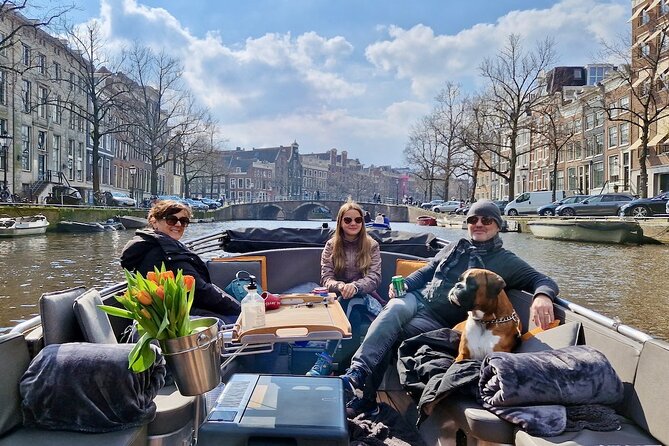
- Electric and quiet: you get a smooth ride with less engine noise.
- Private boat for up to 12: easier conversation and a more relaxed tempo.
- Rain canopy plus blankets: real comfort, not just a promise.
- Icon views without checkpoints: you pass major landmarks like Oude Kerk, Nemo, and the Seven Bridges from the water.
- Amstel River finale: Skinny Bridge is a great last photo moment.
- English-speaking guide: you’ll have context as you glide by each canal stretch.
Quiet, private, and easy to schedule
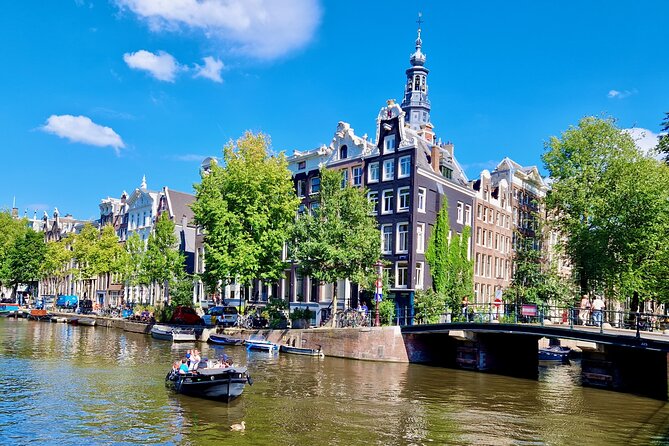
This is a straightforward way to do Amsterdam canals with less friction. You book a private boat for your group (up to 12), ride for about 90 minutes, and return to the same meeting spot. The start point is Amsterdam Boat Adventures at Nieuwe Keizersgracht 1 (1018 DS), and it’s near public transportation, which matters because parking in central Amsterdam can be a headache.
The ride itself is on an electric boat. That’s not just a feel-good detail. It usually means less noise and a calmer atmosphere on the water. When you’re cruising close to historic buildings and bridges, the quiet helps you hear the guide and enjoy the scene rather than fighting engine roar.
Also: you get a mobile ticket. That’s one less thing to juggle in your day. And if you need a life vest, you can request one onboard. So yes, it’s still a boat ride—but it’s set up to be comfortable and sensible.
You can also read our reviews of more boat tours in Amsterdam

Stop-by-stop: what you’ll actually see from the water
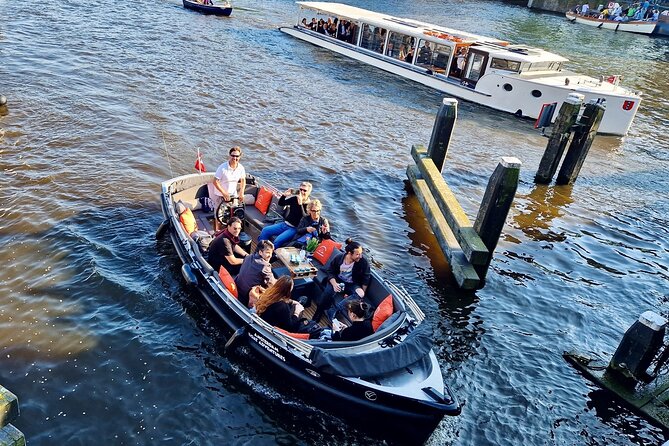
Your route is a mix of classic canal belt views, church-and-lock moments, and harbor scenes that show Amsterdam’s relationship to shipping and trade. The boat moves between the Amstel River, older canal arteries, and the city’s busy inner harbor zones. Here’s what each part is getting you, and why it’s worth your time.
Along the Amstel River: dancing houses and a bridge for the finish
The cruise begins along the Amstel River, where the story of Amsterdam’s past feels close-up. Early on, you pass the famous dancing houses—those tall, playful-looking facades that seem to tilt toward the water. The guide’s explanations about leaning buildings are the kind you remember because they make the architecture make sense, not just because it’s photogenic.
You’ll also see the Skinny Bridge later in the trip, and it works as a nice payoff. It’s one of the few remaining wooden bridges in the city, and from the water you get that elegant, narrow silhouette before you glide under it to wrap up the experience.
Waterlooplein market and the daily life of canals
As you head toward the Waterlooplein area, you’ll get the sense that canals aren’t just museum pieces. This is market-and-movement Amsterdam. From the boat, you can spot the contrast between street-level shopping energy and the calm canal surface above it. It’s a good change of pace from the tight photo corridors you sometimes get in central areas.
This segment is also useful if you’re trying to get your bearings. The route shows you where the city’s activity concentrates, so later you can walk to the same neighborhoods with a better sense of orientation.
Small Amsterdam, houseboats, and that “real city” feeling
You’ll pass through the smaller canal pockets often associated with houseboats and intimate views. This is where the city feels less staged. The architecture isn’t just lined up for a postcard. It looks lived-in—different rooflines, different waterfront setups, and a sense of how people actually use the canal edges.
If you’re the kind of traveler who enjoys noticing details—window styles, mooring setups, how the bridges frame people and water—this stretch tends to land well.
You can also read our reviews of more city tours in Amsterdam

Zuiderkerk spire, Munttoren, and the church towers that anchor the skyline
Then you move into the visual core of Amsterdam: the skyline spots that act like reference points. Zuiderkerk’s spire is one of those “you know it instantly” sights, and the boat angle gives you a clear silhouette against the sky.
You also pass Munttoren, another landmark tower that sits in the mix of canals and historic buildings. Seeing tower landmarks from water helps because you’re not fighting buildings blocking the view. It’s easier to read the city’s geometry when you’re moving alongside it.
By De Wallen: the red-light district border from a careful distance
The cruise traces the southern border of De Wallen. You get a sense of the area’s character from the water without having to stand in the crowds. The guide may share context about the neighborhood’s stories, and that’s one reason this portion can feel educational rather than just observational.
If you’re a bit uneasy about adult nightlife areas, this is still a way to see the geography while keeping a clear boundary—you’re on the boat, moving through, not stuck on a sidewalk.
House on the Three Canals and Oudezijds Voorburgwal: architecture and atmosphere
Later, you’ll pass the Huis aan de Drie Grachten, the House on the Three Canals. It’s a striking facade where the canal setting is part of the design. From the water, you can appreciate how it’s positioned—how the building meets the water edge and how the surrounding canals frame it.
The cruise also covers Oudezijds Voorburgwal, an older canal corridor where the guide’s explanations help you connect canal-side landmarks to the city’s timeline. This is where the ride shifts toward old-town navigation: less about market crowds and more about reading the city as it has evolved.
Oude Kerk: Amsterdam’s oldest church from the canal side
A key stop in this stretch is the Oude Kerk, dating back to the 13th century. You’re not climbing stairs here. You’re taking it in from the water with a view that feels more balanced than a street-level approach crowded by passersby.
From this angle, the church’s age shows through weathered walls and the spire’s vertical insistence. It’s a strong anchor point for the route because it connects the surrounding canal grid to what the city looked like long before today’s canal-belt celebrity.
Kolksluis and the maritime story: locks, engineering, and ship time
Next comes Kolksluis, a canal passage that dates to the Middle Ages. Locks are one of those Amsterdam features that can look like scenery until you realize they’re functional engineering. Passing through by boat gives the moment meaning—you feel the canal system as infrastructure, not just a pretty waterway.
As you continue, you’ll also see old harbor stretches and traditional warehouse facades. That’s the maritime side of Amsterdam: a trading city shaped by water access. Even if you don’t know Dutch history in depth, the route gives you enough context to make the visuals click.
Montelbaanstoren and the medieval tower watch
Montelbaanstoren shows up in the harbor area, and it brings you back to the medieval defensive era. From the water, the tower’s placement feels intentional—like it was meant to be seen from the canal lanes and ship approaches.
It’s a useful moment to slow down mentally and connect the tower to the port history around it. This section is also good for photos because water-level angles can make tall structures look more imposing.
Kromboomssloot: the tiny canal stretch
You’ll cruise through Kromboomssloot, a cozy, narrow canal. This is the kind of spot that makes the boat feel like it’s threading Amsterdam’s fabric—tight turns, close walls, and just enough intimacy to feel different from the wider canal belt stretches.
There’s no special ticketing required to enjoy this view from the boat. It’s simply a quieter pocket along the route.
Nemo and the science-forward Amsterdam angle
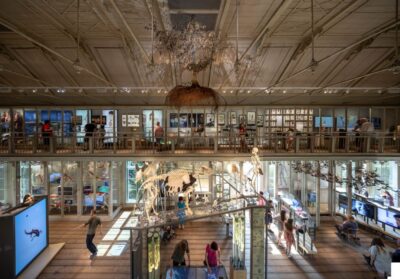
Nemo is next, and the boat gives you a smooth view around the building as the cruise swings through that harbor-side zone. Nemo is associated with education and innovation, and that message fits the route nicely: Amsterdam isn’t only old brick and canal lore. It also invests in making ideas public.
Even if you skip the museum on land, you still get the key visual of the building itself, and the guide’s explanation helps you place it in the city’s modern identity.
The Dutch East India Company ship outside the Scheepvaart Museum
You’ll pass the Amsterdam, an 18th-century cargo ship tied to the Dutch East India Company. It’s moored outside the Scheepvaart Museum, and from the boat you get the sense of scale—this isn’t a model. It’s a living-size reference to how Amsterdam’s trade power worked.
If you’re the type who likes “see it, then understand it,” this segment helps a lot. It turns maritime talk into something concrete.
Botanical Gardens: a calmer stretch before the canal belt classics
The cruise then offers a green break with the Botanical Gardens along the canal banks. On a warm day, it’s an easy mood shift. On a cool day, it still gives you that visual pause you want before the more famous postcard canals.
It’s a good reminder that Amsterdam’s canal system doesn’t just hold buildings. It also holds living space.
Herengracht and UNESCO canal belt perspective: elegance with context
As you cruise along Herengracht—the “Gentleman’s Canal”—the view becomes pure canal-belt style: stately facades, classic bridges, and the slow glide that makes Amsterdam look intentional. Herengracht is part of the Amsterdam canal belt recognized as UNESCO World Heritage Site, and while you don’t need a lecture to enjoy it, the guide context can help you see why this layout matters.
From your perspective on the boat, you also catch details that are harder to notice when you’re walking—how buildings meet the water edge, and how bridge spacing shapes the “look” of the entire canal.
Reguliersgracht: the Seven Bridges Canal viewpoint
This is one of the tour’s visual peaks. Reguliersgracht is nicknamed the Seven Bridges Canal, and the best way to see it is exactly how you’re doing it: gliding beneath the arches. The sequence of bridges creates a natural frame for your photos and gives you a sense of rhythm across the canal.
If you want the classic Amsterdam view but don’t want to sprint between viewpoints, this is the efficient move.
Prinsengracht: houseboats and canal houses in close-up
On Prinsengracht, you’ll see houseboats and canal houses. This stretch is great for travelers who want more than “famous buildings.” The boat view shows how people live with the canal as part of the daily scene—different boat shapes, mooring styles, and varying degrees of charm and character.
The guide’s notes on the canal’s history help you connect today’s look to why the canals developed the way they did.
Comfort details that actually matter on a canal boat
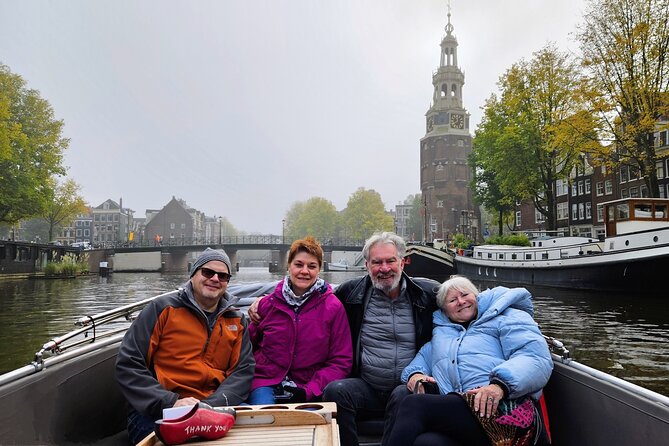
This tour is built for real-world weather. A rain canopy protects you on rainy days, and blankets are available for colder conditions. That changes the experience more than you might think. If you’ve done canal cruises where you’re shivering while trying to take photos, you’ll understand why “comfort” is more than nice-to-have.
If you tend to run cold, I’d plan to bring a warm layer anyway, because canal breezes can feel sharper than the street. And if you’re expecting wind or drizzle, those included comfort items are a smart insurance policy.
Also note: life vests are available on request. That’s not something you usually think about until you need it, and it’s reassuring to have a clear process in place.
Price and value: private boat math for a group up to 12
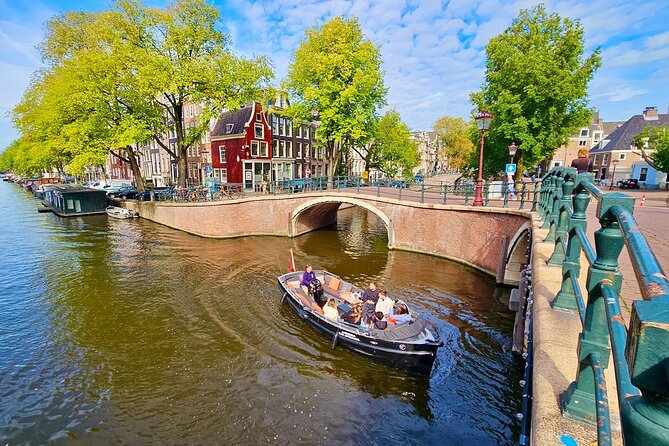
The price is $361.44 per group, for up to 12 people, for about 90 minutes. That’s the big value lever: you’re not paying per person for the boat itself. You’re sharing a private experience.
In practical terms, this can work out well if you’re traveling as:
- a small family,
- a group of friends,
- or a couple who wants space and control over the pace.
The trade-off is that drinks are not included. On board, you’ll find small beer for €2.50, wine for €4, bottled water for €2, and soda for €2. If you want alcohol or soft drinks, plan for that cost so it doesn’t surprise you mid-ride.
If you’re traveling solo or as a pair and you can’t fill the group, this is still a wonderful experience—but the price will feel more like a premium outing than a budget canal tour.
Who this cruise fits best
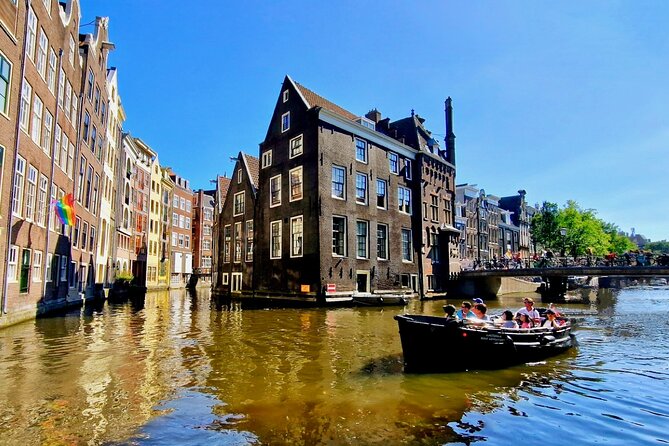
This is a strong match if you want:
- a private ride with a small group feel,
- a mix of classic Amsterdam sights and practical context,
- and an electric boat that keeps the atmosphere calm.
You’ll likely love it if you’re doing Amsterdam for the first time and want the “main hits” laid out in a route that makes sense. It also works for travelers who don’t want to stand in crowds at every photo spot, since the boat gives you repeated sightlines without changing location every five minutes.
If you love museums or deep architectural study, you’ll still enjoy this. Just know the cruise is best as a fast, high-signal orientation plus landmark viewing—not a replacement for museum time on land.
Should you book this Amsterdam Private Canal Cruise?
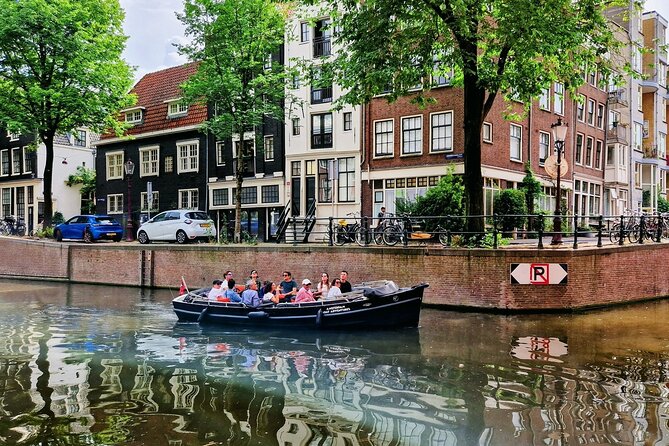
Yes, if you want a relaxed, well-paced canal experience with comfort built in. The electric boat, the rain canopy, and the blankets make it more usable on real travel days. The route hits major landmarks like Oude Kerk, Nemo, and the Seven Bridges Canal without forcing you into a frantic walk-and-photo routine.
Book it if your group can share the boat cost and you’ll use the time well. Skip it only if you’re trying to stretch a tight budget and you don’t plan to spend anything extra on board, because this is a private-group product—not the cheapest public option.
FAQ
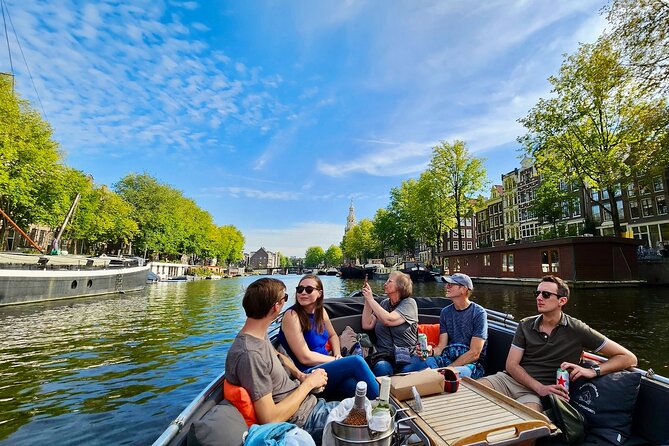
How long is the Amsterdam private canal cruise?
It lasts about 1 hour 30 minutes.
What group size is this tour for?
It’s a private tour for your group, up to 12 people.
Is the boat electric?
Yes. The boat is electric, and it’s described as silent and sustainable.
Is there an English-speaking guide?
Yes, the guide is offered in English.
Where do I meet the boat?
The meeting point is Amsterdam Boat Adventures at Nieuwe Keizersgracht 1, 1018 DS Amsterdam.
Is a rain canopy and blankets provided?
A rain canopy is provided on rainy days, and blankets are included.
Are drinks included in the price?
No. Alcoholic beverages and non-alcoholic drinks are for sale onboard, and prices are listed for beer, wine, bottled water, and soda.
What happens if the weather is bad or I need to cancel?
You can cancel for free up to 24 hours in advance for a full refund. This experience requires good weather, and if it’s canceled due to poor weather, you’ll be offered a different date or a full refund.