REVIEW · AMSTERDAM
Secret Food Tours Amsterdam
Book on GetYourGuide →Operated by Essor · Bookable on GetYourGuide
Some cities taste like postcards. Amsterdam tastes like history you can eat.
Secret Food Tours Amsterdam pairs family-run spots with stories that link Dutch food to the 17th-century city around you, mainly in the Jordaan. I especially like how the guide keeps pointing at the why behind the dishes, not just the what.
Two things I really liked: the lineup of classic bites (especially poffertjes and the fish stop), and the fact that the group stays small enough for real conversation. A small caution: this is a walking tour in tight streets, so comfortable shoes matter, and you’ll want to flag dietary needs ahead of time.
In This Review
- Key highlights you should care about
- Jordaan canals and food stories: why this route works
- Meeting by Anne Frank’s statue and getting your bearings
- Stop 1: Poffertjes for a hot start
- Market sweets and the Dutch beer-and-gin vibe
- Hidden garden courtyard break: a pause from the streets
- Dutch cheese tasting: what “best” means on this tour
- Fishmonger stop: herring and kibbeling the local way
- Stamppot and winter-stew context: comfort food with history
- Jenever, local beer, and the secret dish finish
- Price and what you truly get for $115
- Guides, dietary needs, and how seriously they take your experience
- Where this tour fits best (and who should skip it)
- Should you book Secret Food Tours Amsterdam?
- FAQ
- FAQ
- How long is the Secret Food Tours Amsterdam tour?
- Where does the tour start?
- Where does the tour end?
- What kinds of food do you sample?
- What drinks are included?
- Is the tour only in one neighborhood?
- How many people are in a group?
- Is the guide English-speaking?
- What should I wear or bring?
- Can I book if I’m not sure about my schedule?
Key highlights you should care about
- Jordaan canal-and-narrow-street route with an area that still feels authentically local
- Poffertjes to start you off with a hot, traditional Dutch sweet
- Cheese tasting with an explanation of why it matters in Dutch eating
- A hidden garden courtyard break from the streets
- Fishmonger stop with herring and kibbeling (battered fried fish)
- Stamppot plus a secret dish to round out Dutch comfort food
Jordaan canals and food stories: why this route works
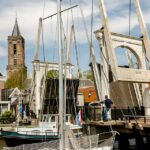
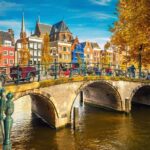
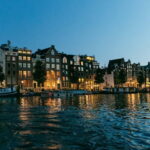
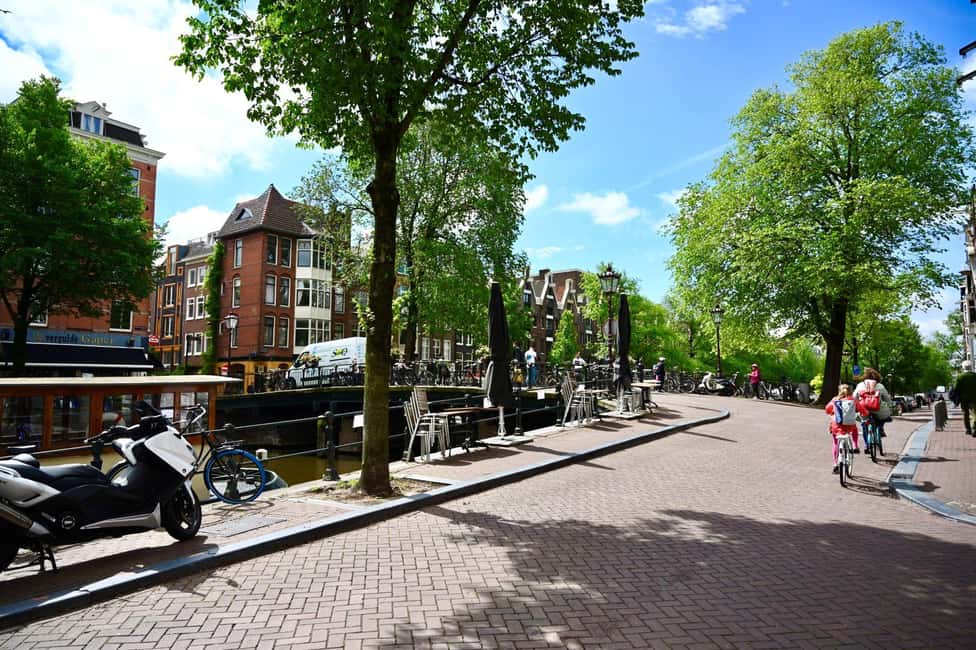
The Jordaan is one of those Amsterdam neighborhoods where you can feel older layers of the city just by walking. You’re mostly moving through narrow streets and canal views, and the tour uses that setting to explain why certain foods became Dutch favorites. That matters, because food in Amsterdam isn’t random. It connects to work, trade, weather, and migration patterns.
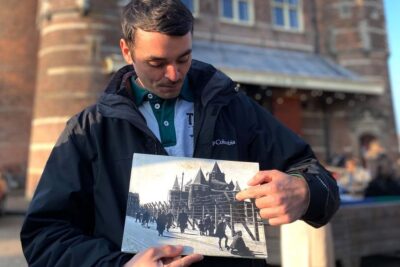
The guide sets the tone by tying the area to the broader 17th-century feel of Amsterdam and the connections that shaped it. You’ll hear how early French immigration influenced pastries, why Rembrandt spent his later years in this part of town, and how the maritime world shaped winter dishes. It’s not a lecture. It’s built into what you’re eating and where you’re stopping.
If you like your sightseeing with a reason to slow down, this format is a good fit. You don’t just look at buildings. You taste what people ate when those neighborhoods were growing.
You can also read our reviews of more food & drink experiences in Amsterdam


Meeting by Anne Frank’s statue and getting your bearings
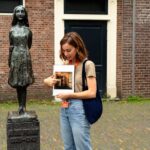
You’ll meet in front of the Anne Frank statue near Westerkerk church. The guide welcomes you with an orange umbrella, which makes the start easy to spot even when the streets are busy.
The tour is planned for about 3 hours (some versions run closer to 3.5 hours), and it’s paced for sampling at multiple stops. With a maximum group size of 12, it doesn’t feel like you’re herding people through restaurants. It’s more like a focused food walk where you can ask questions and actually hear the guide.
Practical tip: bring comfortable shoes. This is mostly on foot, and you’ll be walking through tight lanes where a wrong turn or slippery pavement can slow you down.
Stop 1: Poffertjes for a hot start
The morning (or afternoon, depending on your start time) begins with poffertjes: traditional Dutch pancakes. These are not the thin, crepe-style pancakes you might know. They’re small, thick-ish, and meant to be eaten hot, which is exactly what you want at the start of a walking tour.
What I like about starting here is timing. Sweet first, then you move through savory tastings with your appetite properly calibrated. The guide also frames them as everyday Dutch comfort rather than tourist food, which helps you understand why they fit naturally into Dutch life.
If you’re even mildly curious about Dutch food culture, poffertjes are a smart first bite because they’re recognizable as traditional and they set a tone: simple ingredients, careful method, and a strong sense of local routine.
Market sweets and the Dutch beer-and-gin vibe
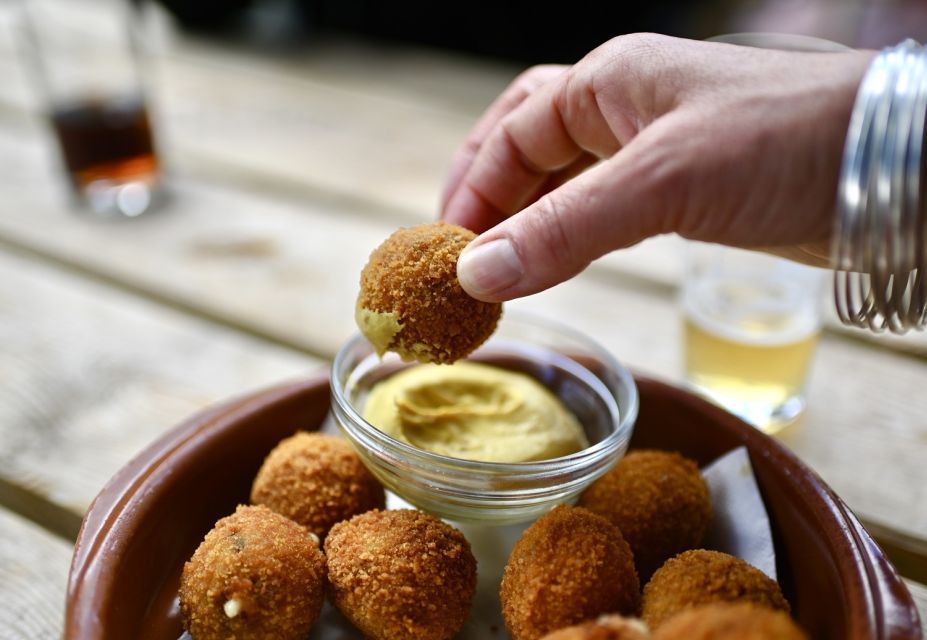
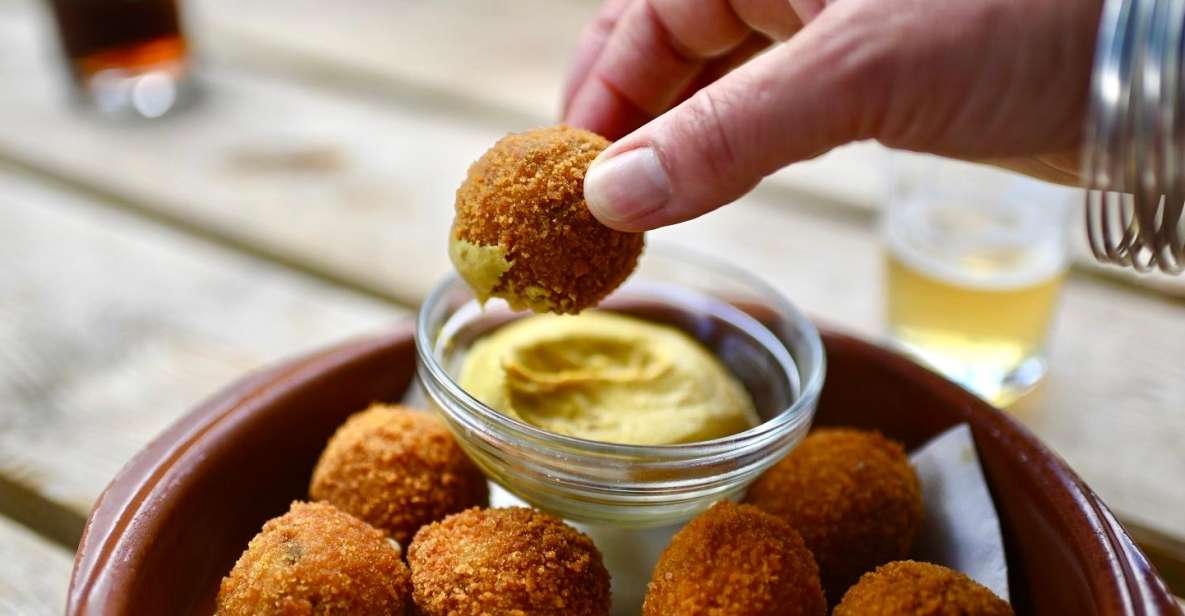
After the poffertjes, expect more tastings that keep the tour feeling like real eating. One of the listed treats is fresh stroopwafel from the market. It’s the kind of candy-like cookie that people outside the Netherlands often know by name, but you’ll taste it here as a fresh, market-style snack rather than a packaged souvenir.
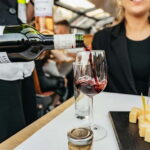
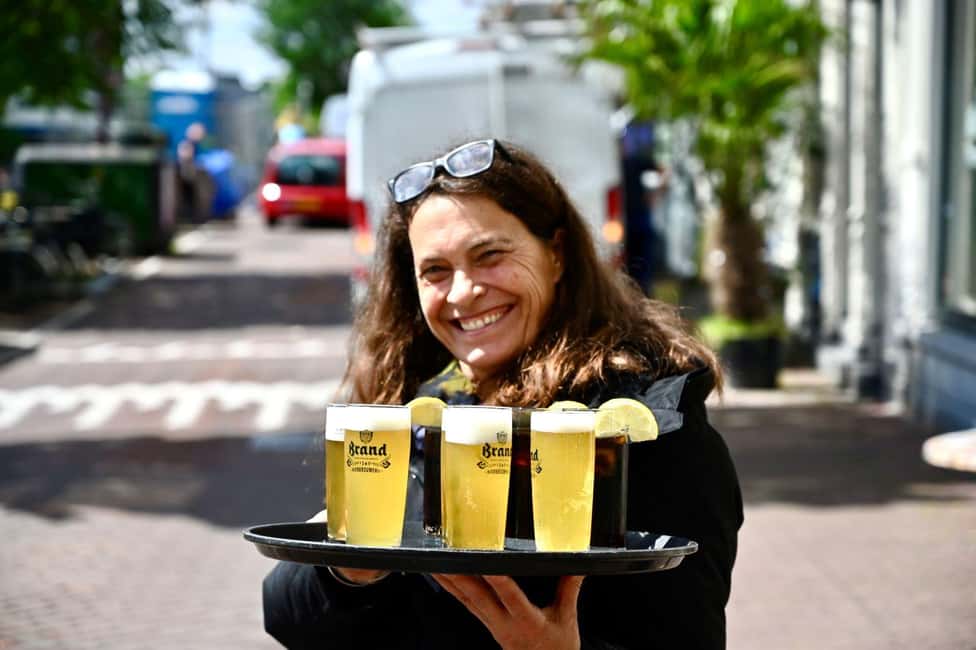
Drinks are part of the experience, not an afterthought. You’ll have coffee or tea, a glass of local beer (with non-alcoholic options available), plus Jenever (Dutch gin) and water. This matters because Dutch eating often includes drinks that match the flavor profile and the pace of meals.
A small personal note: I like tasting jenever with food because it changes how you experience the spirit. Straight sipping can feel sharp. Paired with bites, it starts to feel more like a tradition than a gimmick.
Hidden garden courtyard break: a pause from the streets
One stop in the tour includes a beautiful hidden garden courtyard. You’ll get a break from the canal-walk and narrow-street feel, which is a nice reset for both your feet and your attention.
Courtyards like this are common in cities that grew with courtyards as private breathing spaces. Here, it gives you a moment to sit with your group, check in with the guide, and let the story threads land. It also makes the tour feel less like a checklist and more like a guided day through parts of Amsterdam people don’t always notice at ground level.
If you’re the type who likes taking a quick photo but also wants the scene to actually mean something, this stop hits that balance.
You can also read our reviews of more tours and experiences in Amsterdam
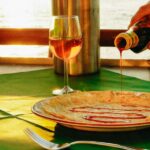
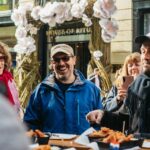

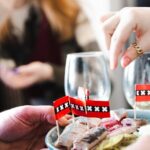

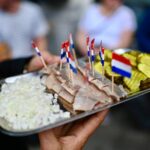
Dutch cheese tasting: what “best” means on this tour
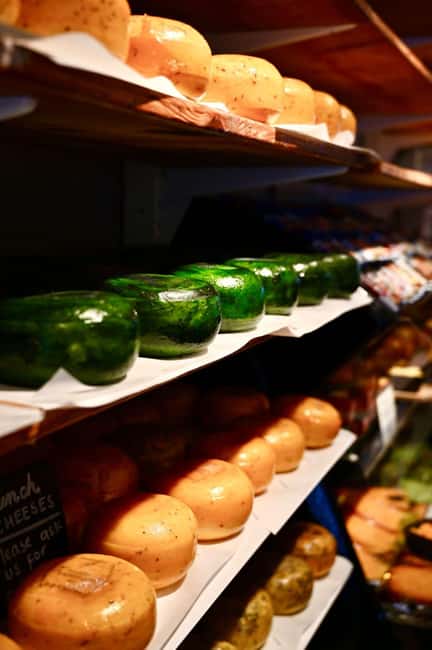
A major part of this experience is tasting Dutch cheeses. You won’t just get one sample and move on. The tour is built around the idea that cheese is a serious Dutch craft, with different styles suited to eating and pairing.
The guide’s role is what makes this section useful. Expect explanations that connect cheese to Dutch habits and the way food developed around the country’s history. In other words: you’ll get a chance to taste and then understand the logic behind the flavors.
This is also a good stop for people who want to bring home more than a single flavor memory. If you enjoy comparing textures and “finish” (how something tastes after you swallow), cheese tastings are one of the best ways to learn what you actually like.
Fishmonger stop: herring and kibbeling the local way
Next comes the part that usually makes people hungry fast: a visit to a local fishmonger, followed by classic Dutch fish tastings.
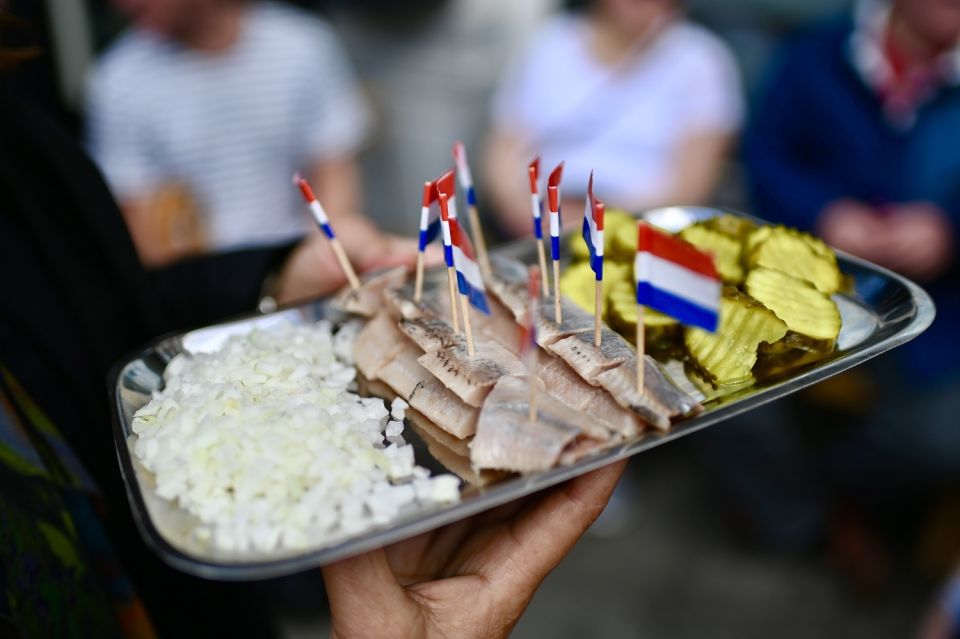
You’ll try fresh herring, and you’ll also eat kibbeling—battered chunks of fish, fried. Kibbeling is one of those dishes that feels like a Dutch answer to comfort food: warm, crispy outside, and built for eating while walking or standing with friends.
The guide ties this into broader Dutch themes, like why cod and herring dishes are a pride point for the country. There’s also a maritime thread here. Amsterdam’s relationship with the sea shaped winter eating, preservation, and what was available. When you taste it after hearing that story, the food feels less random.
If you don’t love fish, you can still get value here because the point is more than the fish itself. You’re learning why the Dutch built whole eating traditions around what the sea and trade made possible.
Stamppot and winter-stew context: comfort food with history
After the fish, the tour moves into stamppot, a Dutch favorite. Stamppot is essentially comfort food that makes sense for cooler weather: hearty, filling, and built for everyday eating rather than fancy presentation.
The guide also connects it to how maritime history influenced winter stew. Even if you’re not a food-history nerd, you’ll probably appreciate the logic: when winters are harsh, you eat to stay warm and full. That’s not just a story. You can taste it in how these meals are designed.
Stamppot tends to be the moment when the tour stops feeling like snacks and starts feeling like a real meal. If you’ve been walking and tasting for a while, this is the section that brings everything together.
Jenever, local beer, and the secret dish finish
By the time you reach the end, you’ll have a sense of the whole rhythm: sweet start, cheese and market bites, fish and comfort food, then a final send-off.
The drinks round out the flavors—coffee or tea keeps things grounded, beer is a classic pairing style, and jenever is part of Dutch drinking culture in a way you only fully get when you taste it in context. Water is there too, because you’ll likely be surprised how quickly tastings add up.
Then comes the Secret Dish. The specific identity of that last bite is a mystery, which is a nice trick because it keeps people paying attention. It also gives the guide flexibility to tailor the finale to what’s freshest or most appropriate for the moment.
If you’re the kind of person who hates “spoiler” details on food tours, this ending works in your favor. You know you’ll get one last tastings payoff, but you don’t know exactly what it will be.
Price and what you truly get for $115
At $115 per person for roughly 3 to 3.5 hours, this isn’t the cheapest way to eat in Amsterdam. But it’s also not trying to be. The value comes from four areas that matter:
- Small group size (max 12)
You get time to ask questions and hear explanations at each stop.
- Multiple curated tastings (6 stops)
The tour includes more than a couple of bites. It’s structured as a real food flow, with poffertjes, stroopwafel, cheeses, herring, kibbeling, stamppot, and a secret dish.
- Local drink sampling
Coffee or tea, local beer (or non-alc), jenever, and water means you’re not paying extra for beverages as you go.
- Local guide storytelling in the Jordaan
The route itself is part of the value. You’re using the neighborhood as a guidebook, with 17th-century references, French influences on pastries, and maritime ties to comfort food.
If you’re planning to eat your way through Amsterdam anyway, this tour can be a smart shortcut: it concentrates many of the must-try Dutch foods into a single, organized walk with context.
Guides, dietary needs, and how seriously they take your experience
This is where the reviews give you real reassurance. I like that the tour explicitly asks you to advise dietary requirements when booking, because food tours are only fun when you can actually taste.
One review highlights how the guide Holly handled a celiac dietary restriction so the guest could still enjoy the stops. Another named guide, Judith, is described as friendly and very familiar with Amsterdam. That combination matters: you want someone warm, and you also want someone who can manage practical details without turning it into stress.
If you have dietary needs, don’t wait. Send them early, be clear, and double-check what you can safely eat. That way, the guide can plan around you and you avoid last-minute disappointment.
Where this tour fits best (and who should skip it)
This tour is a great match if you:
- like classic Dutch foods and want them in a structured order
- want stories tied to what you’re eating, not random facts
- enjoy walking in a real neighborhood like the Jordaan, not only headline landmarks
- prefer small groups over long lines and crowded messes
You might reconsider if:
- you hate walking on compact streets (you’ll spend time on foot)
- you need a fully seated, low-walking experience
- you’re only interested in one or two specific dishes and dislike multi-stop tastings
Should you book Secret Food Tours Amsterdam?
I think it’s worth booking if you want a focused way to eat Dutch classics while also understanding why those classics exist. The Jordaan setting helps the food feel grounded, the tasting lineup hits sweet, cheese, fish, and comfort food, and the small group format keeps it fun rather than rushed.
If you’re picky about details, message your dietary needs right away. When a guide can plan for you, this tour turns into a relaxed, memorable afternoon where you actually taste the Netherlands.
FAQ
FAQ
How long is the Secret Food Tours Amsterdam tour?
It runs about 3 hours, though you may see options listed closer to 3.5 hours depending on the schedule.
Where does the tour start?
You meet in front of the Anne Frank statue near Westerkerk church. Your guide will be easy to spot with an orange umbrella.
Where does the tour end?
The tour ends back at the meeting point near Anne Frank statue/Westerkerk area.
What kinds of food do you sample?
You’ll taste poffertjes, fresh stroopwafel, an assortment of Dutch cheeses, kibbeling, fresh herring, stamppot, and a Secret Dish.
What drinks are included?
Coffee or tea, a glass of local beer (or non-alcoholic options), Jenever (Dutch gin), and water are included.
Is the tour only in one neighborhood?
The tour mainly takes place in the Jordaan area.
How many people are in a group?
Groups are small, with a maximum of 12 people.
Is the guide English-speaking?
Yes, it’s a live guide in English.
What should I wear or bring?
Bring comfortable shoes, and dress appropriately for the weather since it’s a walking tour.
Can I book if I’m not sure about my schedule?
Yes. There is a reserve now & pay later option, and free cancellation is available up to 24 hours in advance for a full refund. Also, you should advise of dietary requirements when booking.