REVIEW · AMSTERDAM
Amsterdam: Red Light District Tour
Book on GetYourGuide →Operated by Trigger Tours · Bookable on GetYourGuide
Neon lights meet real Dutch policy. This 2-hour Amsterdam Red Light District tour is interesting because you walk the area with a live guide and get the history and rules behind what you’re seeing. I like that it’s not just a photo stop: you’re pointed to red-tinted windows and the way the neighborhood functions day to day.
I also like the pace and structure. You get a real route through Old Town and nearby sights, ending back at your start point, with a guide who keeps the information organized.
One drawback: this is a walking tour in a dense, crowded part of the city, so it’s not suitable for people with mobility impairments and you’ll want good footwear.
In This Review
- Key things I’d focus on before you book
- A 2-Hour Red Light District Tour That Balances Curiosity and Context
- Where You Start on Prins Hendrikkade (and Why It Matters)
- Dam Square to the First Real Taste of the District
- Red-Tinted Windows, Neon Signs, and the Legal Reality
- Condomerie to Leidse Square: The Neighborhood Gets Real
- Grachtengordel and Oude Kerk: Canals and the Oldest Building Angle
- Chinatown, the Flower Market, and Nieuwmarkt Square in One Route
- Coffee Shops and the First Stop You’ll Actually Remember
- Price and Logistics: Is $33 Worth Two Hours on Foot?
- Practical Tips for a Smoother Walk Through This Part of Amsterdam
- Who This Tour Suits Best (and Who Should Skip It)
- FAQ
- How long is the Amsterdam Red Light District tour?
- How much does the tour cost?
- What languages are available for the tour?
- Where do we meet, and where does the tour end?
- Is this tour suitable for people with mobility impairments?
- Does the tour have any participation or cancellation terms?
- Should You Book This Amsterdam Red Light District Tour?
Key things I’d focus on before you book
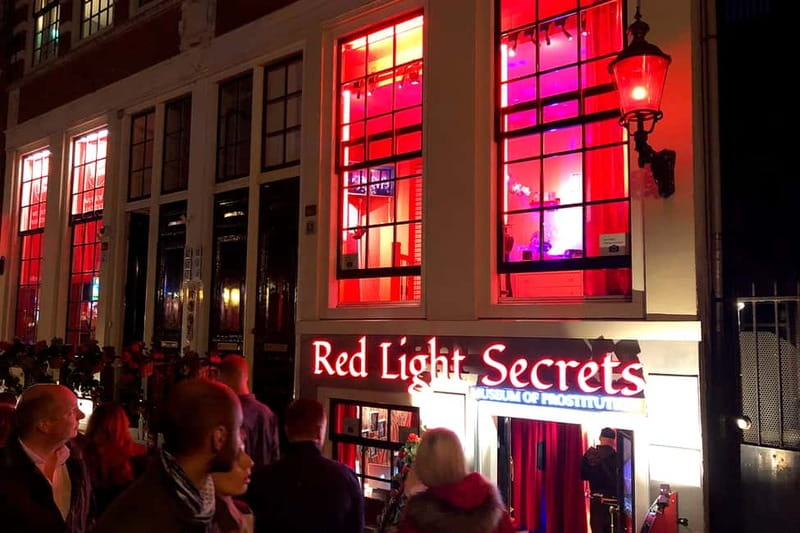
- Red-tinted windows and neon signs with context, not just shock value
- History + legal and cultural aspects explained in plain language
- A route that includes Dam Square, Oude Kerk, and the canal area (Grachtengordel)
- Stops that add variety beyond the main streets, like Chinatown, Flower Market, and Nieuwmarkt Square
- The tour is led by a professional guide in English, German, Spanish, or Dutch
- It’s designed for comfort and discretion, with the guide helping you navigate the area responsibly
A 2-Hour Red Light District Tour That Balances Curiosity and Context
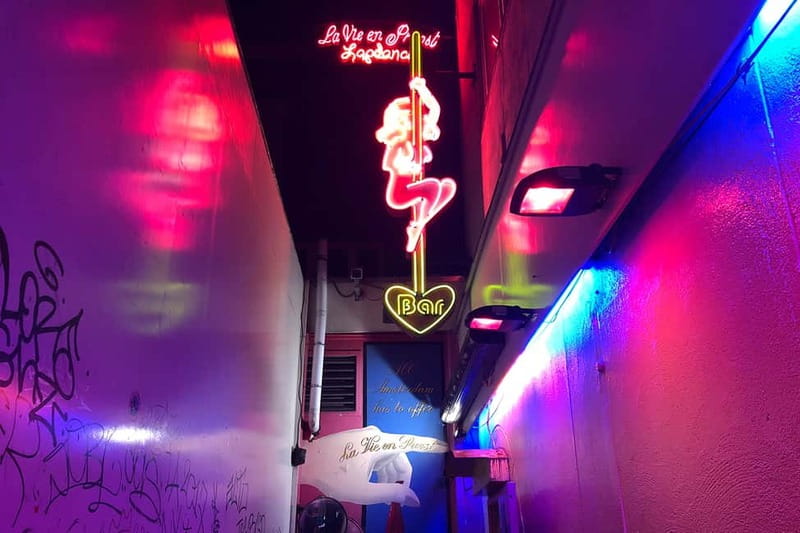
Let’s be honest: Amsterdam’s Red Light District is easy to misunderstand if you treat it like a theme park. What helps most on this tour is that you’re walking with a guide who frames what you see with the local angle—history, how the trade became regulated, and how daily life continues around it. You’re not left to guess what’s legal, what’s cultural, and what’s just noise.
The other strong point is that you’re not stuck in one tiny lane. The route connects the district to the wider old-city fabric: canals, old buildings, major squares, and even the neighborhood mix around Chinatown and the Flower Market. That matters, because the Red Light District isn’t a separate planet. It’s part of Amsterdam’s street map and social life.
You can also read our reviews of more tours and experiences in Amsterdam.



Where You Start on Prins Hendrikkade (and Why It Matters)
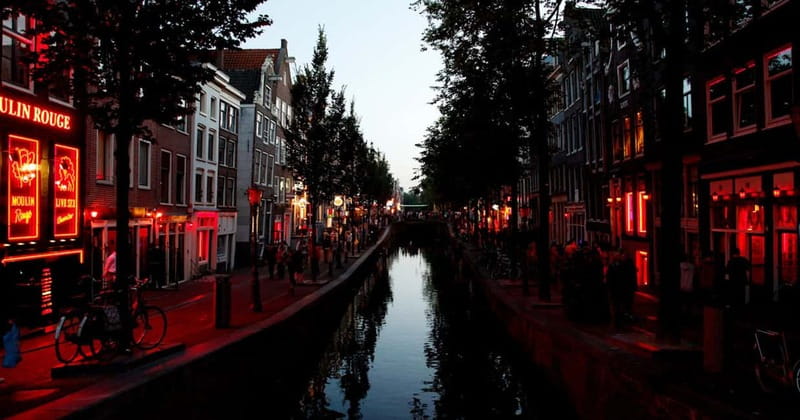
Your meeting point can vary depending on the option you book, with start locations listed around Prins Hendrikkade and nearby landmarks like Basiliek van de Heilige Nicolaas and the Voyager Hotel Amsterdam, plus another Prins Hendrikkade address. The practical reason this matters: the Red Light District streets get busy fast, and having a clear, nearby starting point helps you avoid wandering in circles in a confusing area.
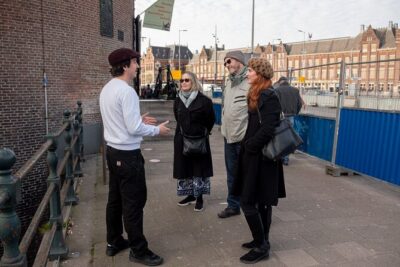
Expect the guide to regroup everyone right at your selected spot, then you’ll begin walking into the Old Town streets. You also finish back at your meeting point, so the tour doesn’t leave you stranded in the middle of nowhere if you’re heading to dinner right after.
Dam Square to the First Real Taste of the District
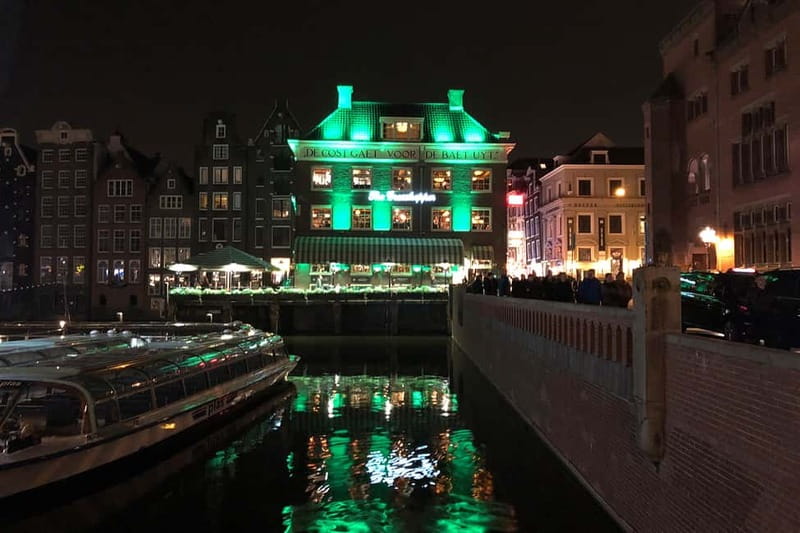
A highlight early in the tour is Dam Square, where you get a short guided stop before moving into the more character-heavy parts of central Amsterdam. Dam Square is a good anchor point because it gives you a baseline for orientation—big square, lots of foot traffic, and a strong sense of place—before you shrink into narrow lanes.
From there, you move into the district proper with your guide providing context as you go. This is where walking with a guide pays off. Without it, it’s easy to focus only on the storefronts and miss why the area is arranged the way it is, or how it changed over time.
Red-Tinted Windows, Neon Signs, and the Legal Reality
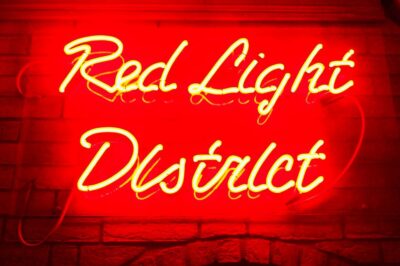
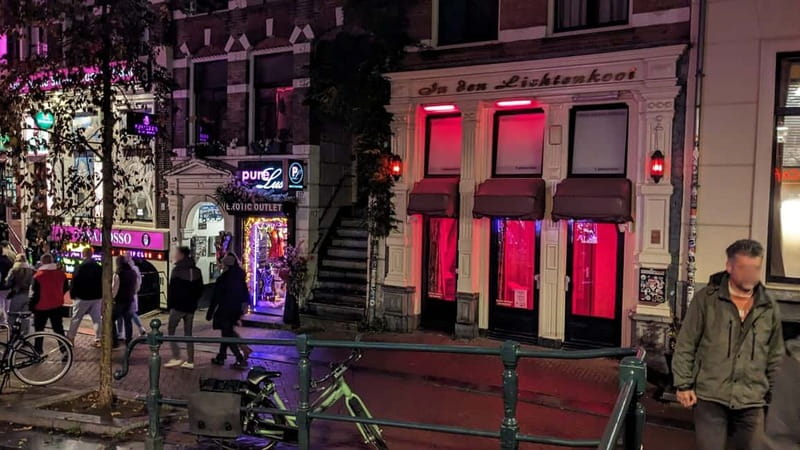
This tour’s core experience is the part most people are curious about: the famous red-tinted windows and the surrounding signage and storefront atmosphere. The guide’s job here is key. You’ll learn the legal and cultural aspects of the trade and how Amsterdam treats it differently than many other places.
The best way to use this segment is simple: listen for the guide’s explanations, then look again. The windows stop being just images and start becoming part of a bigger system—set within local history, local rules, and local debates. If you’re the type who likes to ask questions, this is also the moment to do it, because the guide is already talking through the framework you’re seeing.
And yes, you’ll pass by the more adult-oriented commercial side of the neighborhood, including references to erotic venues mentioned in the tour overview. The guide keeps things respectful and factual, so the walk feels more like an information tour than a dare.
Condomerie to Leidse Square: The Neighborhood Gets Real
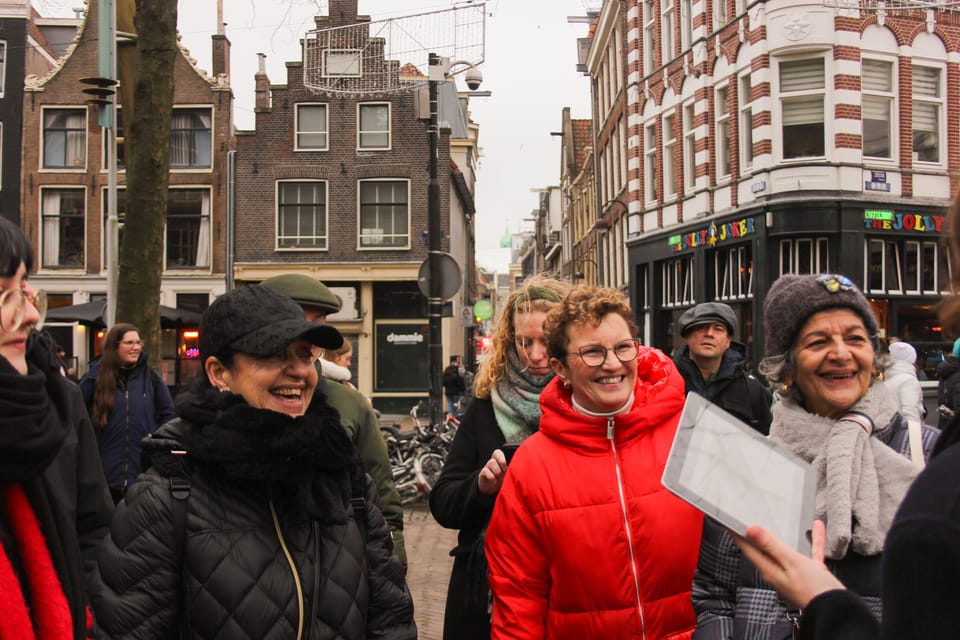
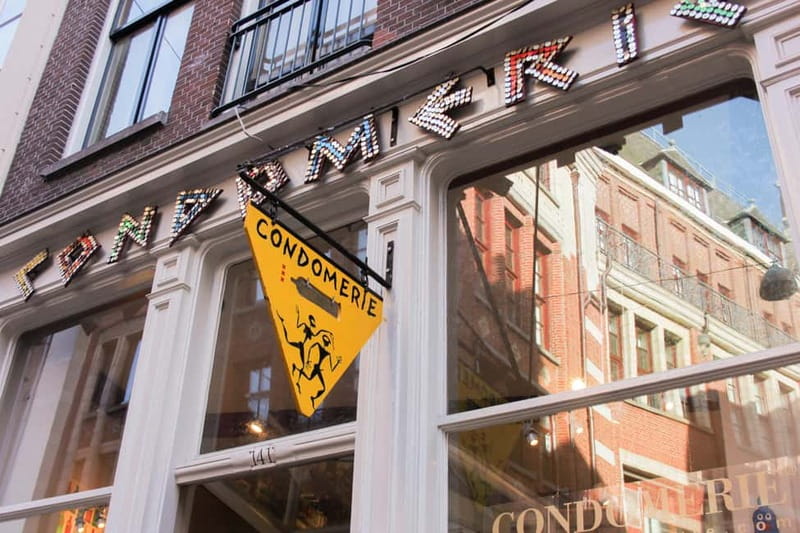
After the early landmark sequence, the tour includes stops that help you understand the neighborhood beyond the main viewing areas. One example is Condomerie, which acts like a quirky waypoint—something you’ll notice right away—and it’s treated as part of the wider story of how this district markets itself and serves visitors.
Then you continue toward Leidse Square, another major Amsterdam hub. Mixing Leidse Square into the route is smart, because it reminds you this is not only about the district’s nightlife reputation. It’s also about the city’s normal rhythms—people commuting through, visitors wandering, and locals moving through the same streets for everyday reasons.
If you’re worried the tour will feel one-note, this portion helps. It keeps your mental map from locking onto only one kind of street scene.




Grachtengordel and Oude Kerk: Canals and the Oldest Building Angle
Two of the most interesting add-ons on this walk are Grachtengordel and Oude Kerk. The canal-area stop gives you a different layer of Amsterdam’s identity: instead of only thinking about the nightlife district, you start connecting it to the old-city geometry—waterways, historic building lines, and the way streets thread through the urban fabric.
Then comes Oude Kerk, which the tour description points to as the oldest building in Amsterdam. Even if churches aren’t your favorite stop, it’s worth paying attention here. You’re seeing how a centuries-old city environment sits right next to modern controversy and nightlife commerce. That contrast is a huge part of understanding Amsterdam itself.
This segment is also a good reminder that the Red Light District doesn’t exist in a vacuum. It’s wrapped around the same physical history that tourists come to Amsterdam for in the first place.
Chinatown, the Flower Market, and Nieuwmarkt Square in One Route
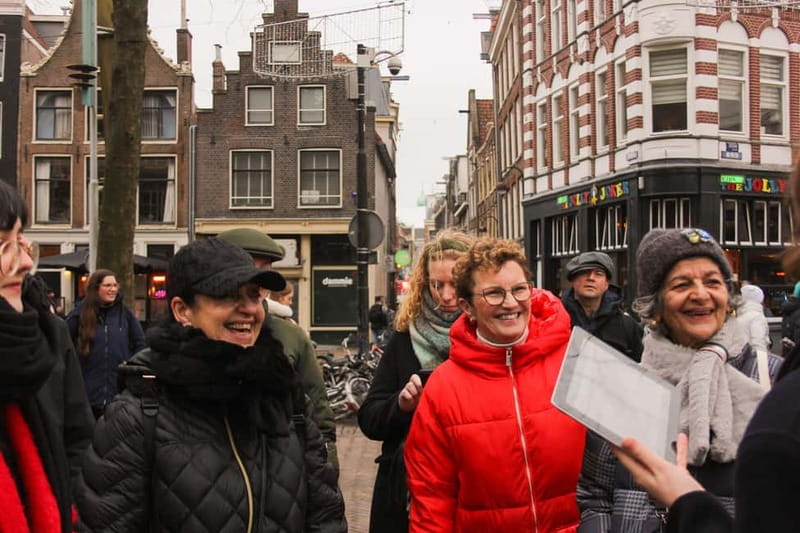
One reason this tour feels good value for time is that it doesn’t stop with the district-only experience. You also pass through Amsterdam Chinatown, then continue to the Amsterdam Flower Market, and later Nieuwmarkt Square.
Why this is useful: you’re not just learning about sex work-related history and policy. You’re learning how Amsterdam districts overlap and share space. Chinatown adds a distinct neighborhood character. The Flower Market adds a visual and seasonal punch—bright displays in an area that can otherwise feel heavy at night. Nieuwmarkt Square brings you back to a more open, city-square vibe.
This spread of stops turns the tour into a practical city lesson. You leave with a better feel for where things are, what’s nearby, and what kind of atmosphere changes street to street.
Coffee Shops and the First Stop You’ll Actually Remember
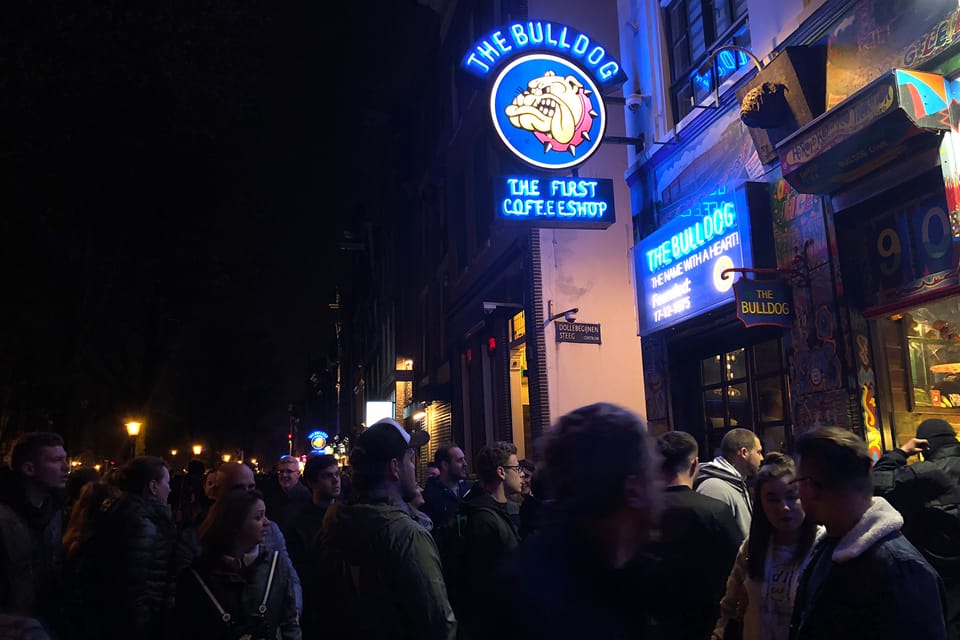
The tour highlights mention seeing the first coffeeshop of Amsterdam. Even if you’re not planning to make coffee-shop visits part of your trip, this is a helpful anchor point. It ties the city’s coffeeshop culture into the same conversation as the Red Light District—history, regulation, and how Amsterdam has carved out its own approach over time.
For me, the takeaway is that this walk shows you Amsterdam’s “systems.” You’re not just seeing a street scene; you’re learning how different parts of Amsterdam’s rules and customs sit side by side. That makes it easier to explore afterward with less confusion.
Price and Logistics: Is $33 Worth Two Hours on Foot?
At $33 per person for a 2-hour guided walking tour, the value is mainly in two places: you’re paying for a live guide and a structured route. Without that, you’d either (a) wander around and miss context, or (b) spend extra time searching for the right places, which is the opposite of efficient.
You also get a professional guide for a short, manageable duration. Two hours is long enough to build understanding and see multiple areas, but short enough that you’re not exhausted by the time you reach Dam Square and the rest of your route.
Group size matters too. The activity is described as private or small groups available. In this type of area, smaller groups tend to feel easier to manage—less crowding around the guide, and more room to hear answers.
Practical Tips for a Smoother Walk Through This Part of Amsterdam
A few realities to plan for:
- Wear shoes you can stand and walk in for the full 2 hours. This is a dense neighborhood with lots of turning and stopping.
- If you get uncomfortable, you don’t have to tough it out silently. The tour is designed for learning, and the guide’s tone tends to be respectful and focused on facts, not pressure.
- Expect a mix of street vibes. You’ll move from major squares into narrow alleys and back out again, then into other districts like Chinatown.
- If you’re traveling with family, teens, or anyone who needs a careful approach, you’ll want to think about comfort level ahead of time. This is an adults-oriented neighborhood by nature.
From the guide examples people share, the best experiences often happen when you treat this as an info walk. I like that the tour themes include how important the workers are to the area and to respect them like you would anyone else. That attitude changes how the whole walk feels.
Who This Tour Suits Best (and Who Should Skip It)
This tour is a strong fit if you want a guided framework for a place people talk about constantly but understand poorly. You’ll likely enjoy it if you like history explanations, policy context, and a walking route that ties together Old Town landmarks.
You should skip it if:
- You use mobility aids or need step-free access, since it’s listed as not suitable for people with mobility impairments.
- You want a quiet, low-stimulation experience. This area is crowded by nature, and the tour is built around walking through it.
FAQ
How long is the Amsterdam Red Light District tour?
It lasts 2 hours.
How much does the tour cost?
The price is listed as $33 per person.
What languages are available for the tour?
The live guide offers English, German, Spanish, or Dutch.
Where do we meet, and where does the tour end?
Meeting points can vary by the option booked (including locations on Prins Hendrikkade and nearby landmark addresses). The tour ends back at your meeting point.
Is this tour suitable for people with mobility impairments?
No. It is not suitable for people with mobility impairments.
Does the tour have any participation or cancellation terms?
The tour requires a minimum amount of participants to run. It also offers free cancellation up to 24 hours in advance for a full refund, and you can reserve now and pay later.
Should You Book This Amsterdam Red Light District Tour?
If you want to understand Amsterdam’s Red Light District as part of the city—not just as a spectacle—this is a smart booking. The guided context, the structured route through major landmarks like Dam Square and Oude Kerk, and the added neighborhood stops (Chinatown, Flower Market, Nieuwmarkt Square) make the $33 price feel reasonable for two hours on foot.
If you hate crowds, need step-free access, or only want generic sightseeing, you’ll probably be happier with a different Old Town tour. But if you’re curious and ready to learn, this is one of the best ways to get your bearings fast and leave with actual context.