REVIEW · AMSTERDAM
From Amsterdam: Day Trip to Bruges in Spanish or English
Book on GetYourGuide →Operated by Camaleon Tours · Bookable on GetYourGuide
Bruges feels like a movie set, fast. This day trip from Amsterdam mixes a guided walk through the Medieval heart—think Markt Square, the Belfry, and the Church of Our Lady—with stories like the Lake of Love. You also get a real chunk of time to do your own wandering, eating, and shopping once the tour portion ends.
The main trade-off is the schedule: it’s a long day, and the bus can be cramped with limited comfort during the 3+ hour drive each way.
In This Review
- Key things that make this Bruges day trip work
- From Amsterdam to Bruges: the ride that shapes your day
- Minnewater (Lake of Love): the legend start that makes Bruges click
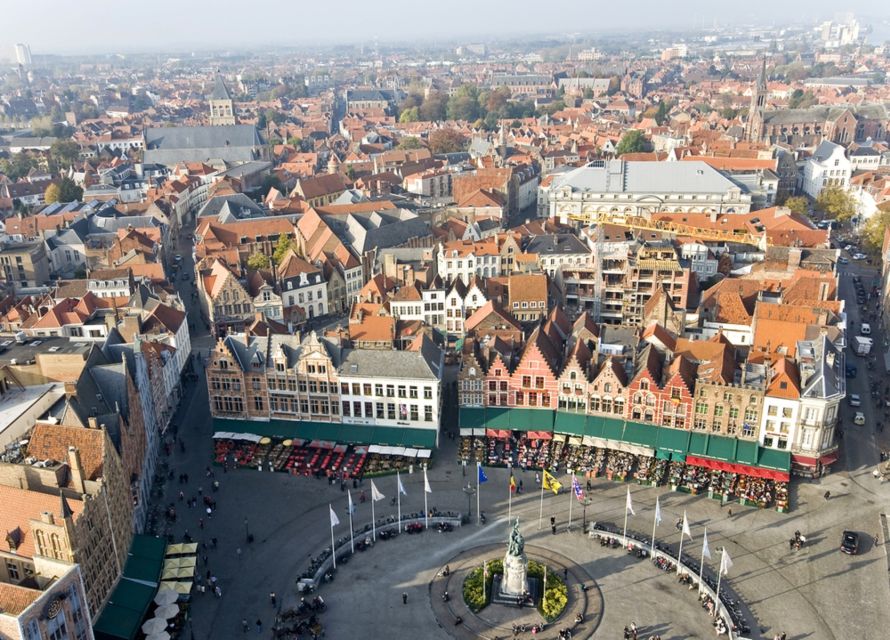
- Markt Square, the Belfry, and Town Hall: power made visible
- Church of Our Lady: Michelangelo’s Madonna and why art fits here
- Bruges Square and the guided walking loop: what you gain before free time
- The 3-hour free time: how to spend it without wasting it
- Price and value: is $55 a good deal for this route?
- Bilingual guides and group size: the difference between a good day and a great one
- Practical tips so your day runs smoothly
- Should you book Camaleon Tours’ Amsterdam to Bruges day trip?
Key things that make this Bruges day trip work
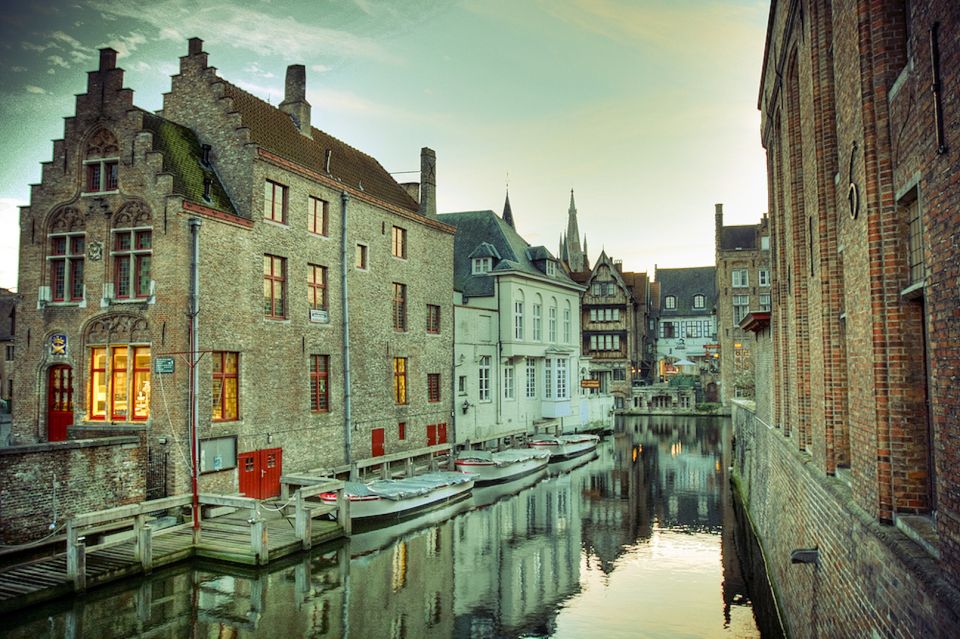
- Lake of Love as your starting point: you begin at Minnewater, which makes the later legends feel more real.
- Markt Square + Belfry highlights: you’re guided to the city’s most iconic power-and-pride backdrop.
- Michelangelo’s Madonna of Bruges: the Church of Our Lady stop gives a meaningful art anchor to the medieval streets.
- Small-group feel (up to 24): enough structure to stay on track, not so big you feel lost.
- 3 hours of freedom: long enough to eat well and still see the main sights without racing.
From Amsterdam to Bruges: the ride that shapes your day
This is a 12-hour loop that centers on Bruges, with transport doing the heavy lifting. You’ll start in Amsterdam and head to Belgium by bus, and you’re not just parked in a seat while time passes. During the ride, you get an introduction to Belgium’s history and nearby towns along the route, including Utrecht and Breda, both tied to Spanish history.
The good part of this setup is mental. By the time you arrive, you’re not trying to memorize what you see. You can place it in a bigger story: Flanders grew rich on trade, and Bruges spent that money on impressive buildings that still feel designed to impress.
A practical note: the bus portion can be long, and some people flag legroom and comfort. Also, there’s no guarantee of onboard “extras” like Wi‑Fi or charging points, so treat this as a do-the-day sort of ride. Bring water, plan to stretch during stops, and wear shoes you can walk in for a medieval-city day.
You can also read our reviews of more tours and experiences in Amsterdam
Minnewater (Lake of Love): the legend start that makes Bruges click
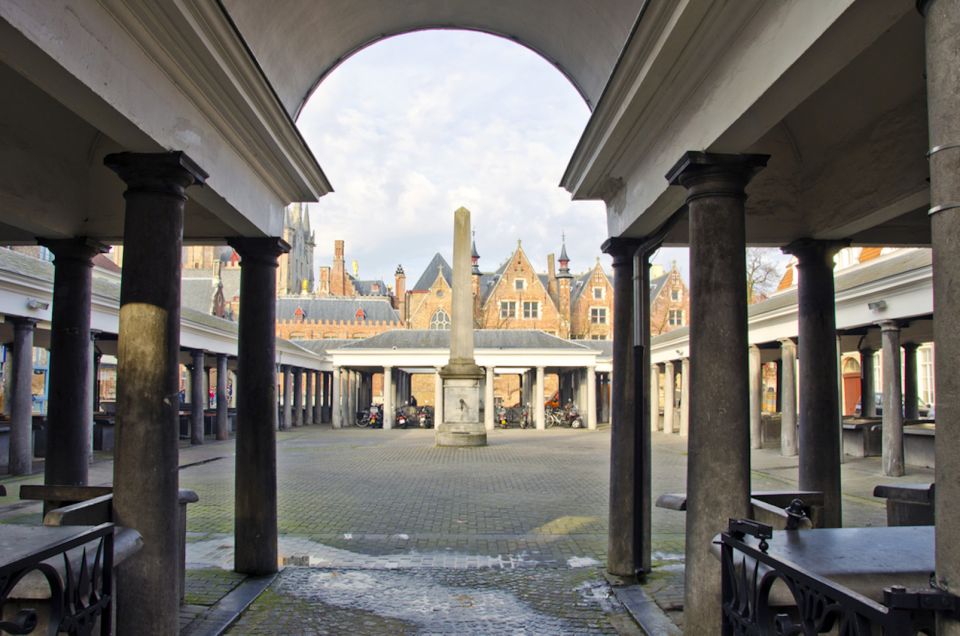
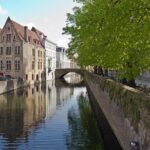
Your guided time begins at Minnewater, the Lake of Love area. That matters more than it sounds. Starting here means Bruges doesn’t open with just buildings; it opens with mood—water, bridges, and the myth the city likes to tell about love and longing.
During the tour, you’ll hear legends connected to the lake. This is one of those moments where the story acts like a lens: when you later see the city’s lace-like street layout and “storybook” facades, it feels less random and more intentional.
If you like photos, this is one of the better zones to take them without feeling like you’re fighting for space right at the main square. Still, Bruges can be crowded in general, so go slow and don’t be surprised if you have to angle around other walkers.
Markt Square, the Belfry, and Town Hall: power made visible
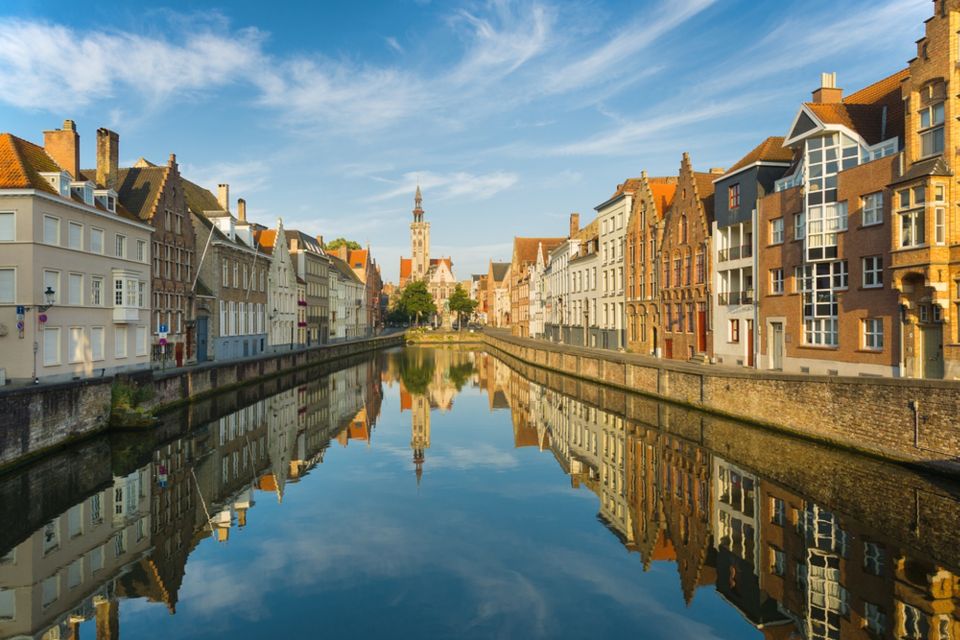
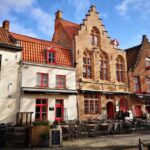
Next you move into Bruges’ most recognizable center: Markt Square, dominated by the Belfry, with the Town Hall nearby. This is the medieval civic core, and the guide explains what you’re looking at in plain terms—why the Belfry matters, how the square functioned, and how these structures signaled status.
Two things I really like about this part of the tour:
1) It’s visual. You’re looking at the architecture that shaped everyday life, not just a street-level stroll.
2) The timing works. You see these icons before you’re left to roam on your own, so you come back to them later with context.
Some tours also include a stop around Brug Square and other historical buildings. Even if you don’t catch every detail, you’ll feel the “rules” of the city: where commerce sat, where authority showed up, and how the main squares created a stage for everything from announcements to celebrations.
The only drawback: if you come in peak hours, you’ll be sharing the space. That doesn’t ruin it, but it changes the experience from calm viewing to smart navigation. The guided segment helps you avoid wandering in circles.
Church of Our Lady: Michelangelo’s Madonna and why art fits here
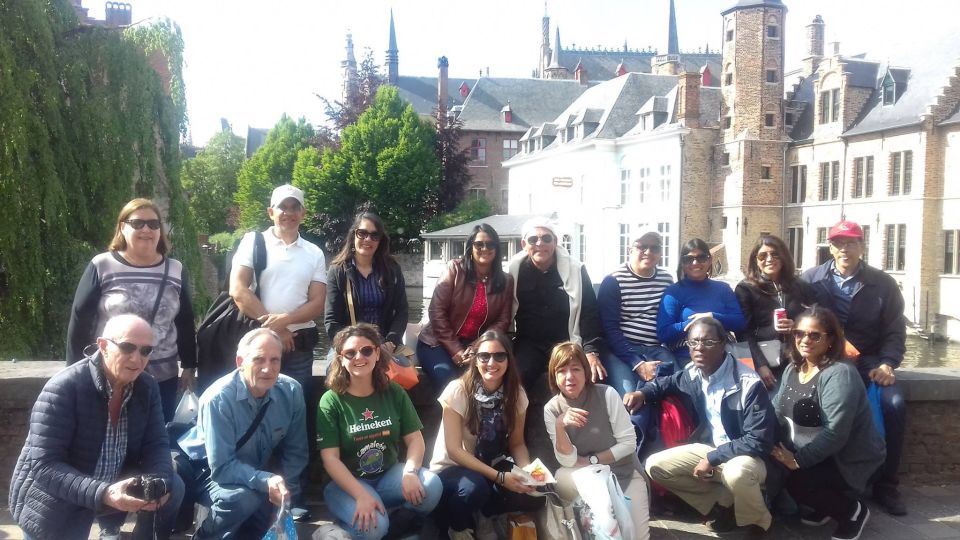
One of the tour highlights is the Church of Our Lady. This stop is built around a major art connection: you can appreciate one of Michelangelo’s masterpieces, The Madonna of Bruges.
This is a good balance in the program. Bruges is famous for medieval streets and buildings, and that can turn into “pretty, pretty, pretty” if you’re not careful. Tying the walk to a recognizable artwork gives you something to anchor the day. Instead of only admiring façades, you get a reason to slow down and look.
If you love art, you’ll appreciate that the guide’s commentary helps you connect the work to the city’s identity. If you don’t care about art much, it still works because the church stop breaks up the walking rhythm and lets the medieval vibe shift from outdoors to interior.
Bruges Square and the guided walking loop: what you gain before free time
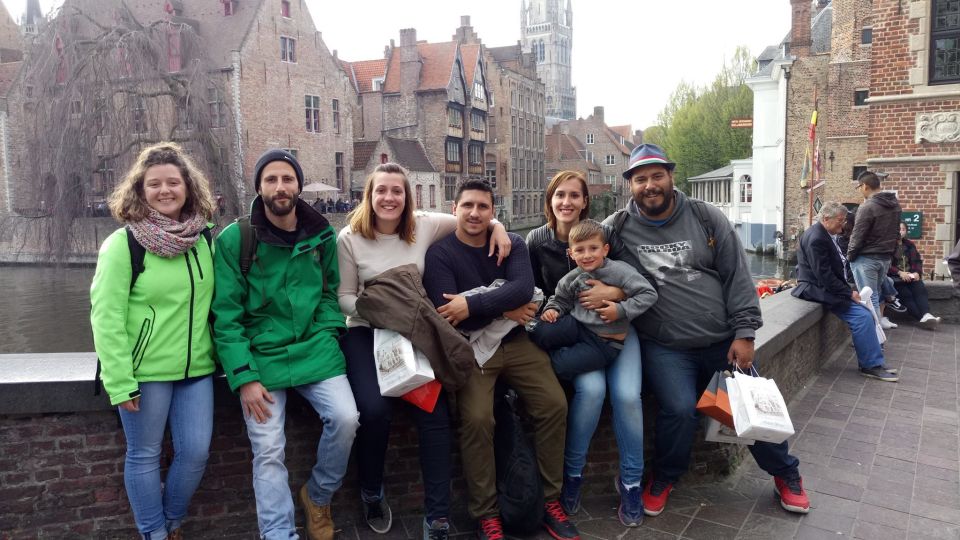
As you continue the guided portion, you’ll cover key squares and historic building exteriors, including areas like Brug Square and the Town Hall zone. The structure is simple: you hit the big-name sights with commentary, then you’re released for freedom.
This “guided loop first” approach is valuable because Bruges is compact but easy to get turned around in. When you know where the main reference points are—Markt Square/Belfry, the central church area, and the water-side spots—you can wander with purpose instead of just drifting.
Some people find they want to linger longer after the guided segment, which is normal. The tour’s best trick is that it doesn’t try to pack Bruges into every minute. It gives you the foundation, then lets you decide what deserves extra time.


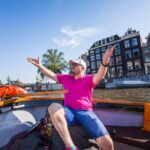

The 3-hour free time: how to spend it without wasting it
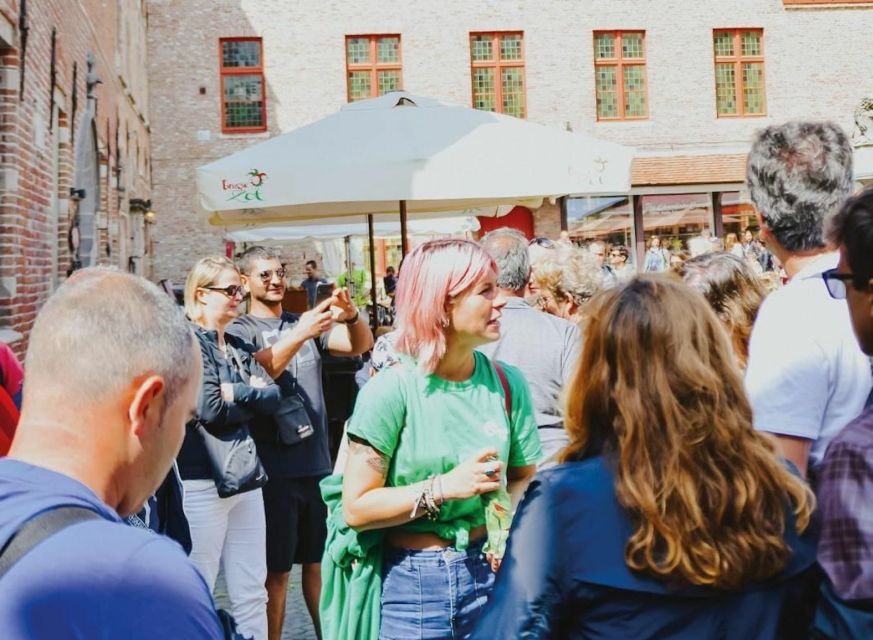
After the guided walk, the guide shows you the collection point and the time to return to the bus. Then you get around 3 hours of free time to eat, shop, and explore at your own pace.
Here’s how to make that time count:
- Start with comfort food early. If you wait too long, you’ll end up grabbing whatever is nearest rather than what you’d choose.
- Plan one “signature” activity if that’s your style. One option people rave about is a canal tour (some tours price it around 12 euros for about 30 minutes).
- Keep your second stop flexible. Bruges has plenty of photo angles and dessert stops, so adjust based on what lines look like when you arrive.
Also, Bruges is a chocolate-and-waffle city for a reason. In the time you have, you can absolutely do a smart tasting loop: fries, waffles, chocolate, and even macarons. The key is not trying to do all of it in one frantic sprint. Choose two sweet things and one savory, then walk off the sugar with intention.
One more reality check: Bruges can be very busy. If you hate crowds, go with a plan that includes quick stops and shorter “in-and-out” exploring. The free time is still enough to enjoy the city, but you’ll feel the tourist density.
Price and value: is $55 a good deal for this route?
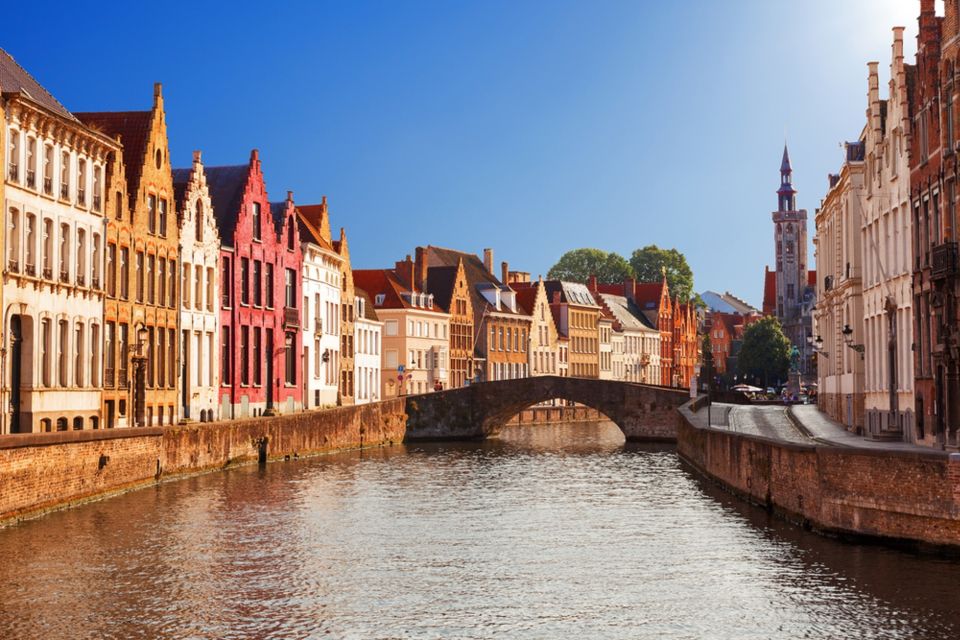
At about $55 per person, this tour isn’t trying to be a bargain bus ride. It’s charging for the combination of transport plus live guiding plus a full day schedule in a place that’s easiest to appreciate with context.
What you’re getting for the price:
- Transportation from Amsterdam and back
- A live native Spanish-speaking guide (with English available on the day, plus the tour is offered in English or Spanish)
- A small group cap (maximum of 24 participants per guide)
- Entry to the “guided highlights” portion, plus time to explore independently
What you’re not getting:
- Meals and drinks (so budget for lunch and any snacks you want to buy)
Is it worth it? For many people, yes—mainly because Bruges is a top destination and the value comes from not wasting your first hours figuring out where to go. The guided segment helps you see the most important things without turning the day into a navigation project.
If you already know Bruges well and you prefer full control, you might compare against doing it on your own. But if this is your first trip and you want an efficient, story-driven day, the price feels fair.
Bilingual guides and group size: the difference between a good day and a great one
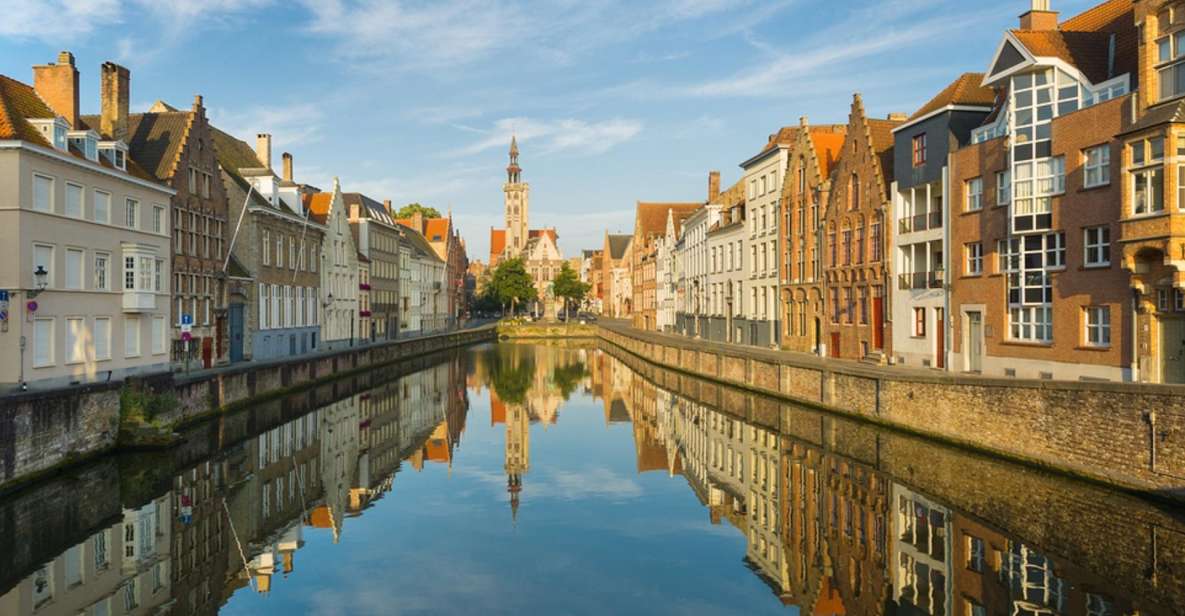
A big reason this tour earns strong feedback is the human part: you get a real guide, not a recorded voice. Some guides are mentioned by name—people described experiences with guides like Blanca, Mike, Silvia, and Angel, and others such as Anna Maria, Arthur, and Enrique. Across those names, the consistent theme is attention: people felt guided without being rushed.
Also, the group size cap (24 participants per guide) keeps things manageable. In a city like Bruges, that matters because too-large groups can feel like a moving wall of people. With this size, you’re more likely to ask questions or hear what’s being said without straining.
One thing to watch: depending on how the day runs, mixed-language groups can sometimes share the same bus. The tour info says languages include English and Spanish, and there’s also an optional Spanish audio guide. If you strongly prefer one language, confirm the option that matches your comfort level when you book.
Practical tips so your day runs smoothly

Here are the details that matter most for a Bruges day trip from Amsterdam:
- Bring water and plan snacks wisely. On some buses, food and drinks other than water may be restricted, and that can feel odd on a long day.
- Toilets aren’t guaranteed onboard. Some people reported no usable bathroom access mid‑journey, and the workaround was bus stops to stretch and use facilities. Expect stops, but don’t assume you can always rely on onboard help.
- Charge planning: at least some buses don’t offer outlets and don’t have Wi‑Fi, so charge your phone before you go and bring offline maps.
- Wear walking shoes. Even if the schedule sounds structured, Bruges is a “walk first, look second” kind of place.
- Expect crowds in the core. The sights are popular for a reason; it’s easier to enjoy if you go in knowing you’ll share space.
If you can handle a long day and you like a mix of guided facts plus free wandering, you’re set. If you hate buses or long travel, you might decide Bruges deserves an overnight instead.
Should you book Camaleon Tours’ Amsterdam to Bruges day trip?
I’d book this tour if you want:
- A guided introduction that helps you understand what you’re seeing in Bruges
- A structured route hitting Markt Square/Belfry/Town Hall and the Church of Our Lady
- Enough downtime—about 3 hours—to enjoy lunch, shop, and explore without feeling trapped
I would skip or reconsider if:
- You’re very sensitive to bus comfort or long days
- You need lots of food/drink options during travel
- You want full flexibility from minute one with no scheduled gathering points
If you’re aiming for a first-time Bruges experience from Amsterdam, this is a solid, efficient way to do it. You’ll leave with the main sights covered, stories that make the city feel less random, and enough unscripted time to taste the place like a local would.