REVIEW · AMSTERDAM
Amsterdam: Haunted History and Ghost Walking Tour
Book on GetYourGuide →Operated by Empire Tours and Productions (Amsterdam) · Bookable on GetYourGuide
Amsterdam’s ghosts live in plain sight. This 2-hour walking tour threads Dam Square and a string of eerie landmarks into one story about witch trials, prisons, and punishment—told in English by a live guide. I love that the spooky bits stay tied to real places, not just generic “boo” moments.
Second, I really like the way the tour balances chilling tales with city context, so you walk away understanding how Amsterdam got to look the way it does today. The possible drawback is that it can feel more like history with ghostly color than a full-on haunted attraction, so if you’re hunting for jump scares or heavy supernatural theatrics, you may want to adjust your expectations.
In This Review
- Key moments worth circling on your map
- Dam Square start: how this route sets the tone
- Nieuwe Kerk: the royal setting that turns eerie fast
- Spinhuis: women’s prison sorrow in a city of canals
- Begijnhof: a quiet courtyard and a nun who can’t rest
- Blood Street: why the cobblestones feel personal
- Waag’s Purgatory: Enlightenment curiosity with a moral hangover
- How scary is it, really?
- What kind of guide makes the difference?
- Who should book this tour (and who should skip it)
- Price and what $30 buys you for 2 hours
- Practical tips to make your walk smoother
- Should you book this Amsterdam Haunted History and Ghost Walking Tour?
- FAQ
- Where does the tour meet?
- How long is the Amsterdam Haunted History and Ghost Walking Tour?
- How much does it cost?
- Is the tour in English?
- What’s included in the price?
- Is food and drinks included?
- Is the tour wheelchair accessible?
- Is there free cancellation?
- Can I reserve now and pay later?
Key moments worth circling on your map
- Dam Square start with a route that moves from civic power to darker corners fast
- Nieuwe Kerk stop focused on crypts and vaults tied to royal ceremony
- Spinhuis former women’s prison stories that stay emotionally heavy without being chaotic
- Begijnhof courtyard peace that’s interrupted by a tale of vow-breaking and silent punishment
- Blood Street cobblestones where violence is part of the street’s identity
- Waag’s Purgatory connecting Enlightenment-era science to unsettled questions about the past
Dam Square start: how this route sets the tone

You meet at the Hotel Krasnopolsky area, in front of the hotel behind the monument at Dam Square. If you’re new to Amsterdam, this is a smart choice: you get oriented right away in the city’s main crossroads, then your guide leads you into quieter streets before the story really darkens.
The tour is 2 hours, so it’s not rushed, but it is steady walking. Wear shoes that handle wet cobblestones, and come dressed for cold weather if you’re going later in the day; at least one recent group mentioned rain and cold making comfort a real factor.
This is a walking tour, so you’ll get short stops and quick re-orienting before each story. That pacing matters. You get time to look at the buildings while your guide explains what’s going on, instead of just hearing a lecture while walking past everything.
You can also read our reviews of more walking tours in Amsterdam
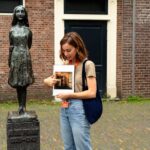


Nieuwe Kerk: the royal setting that turns eerie fast

Your first major story stop is the Nieuwe Kerk, where the guide connects royal ceremonies with what’s under and around the building. The key focus here is crypts and vaults—the idea that notable people aren’t just remembered above ground.
What I like about starting with the Nieuwe Kerk is how it reframes the “haunted” label. This isn’t only about a wandering spirit; it’s about Amsterdam’s habit of storing big events—celebrations and consequences—into stone and space.
A practical tip: bring your attention to details like doorways, entrances, and the way the church layout affects echoes. Even if you’re not the type who believes in ghosts, you’ll still enjoy how the building’s design amplifies mood when the guide starts talking about what happened there.
Spinhuis: women’s prison sorrow in a city of canals
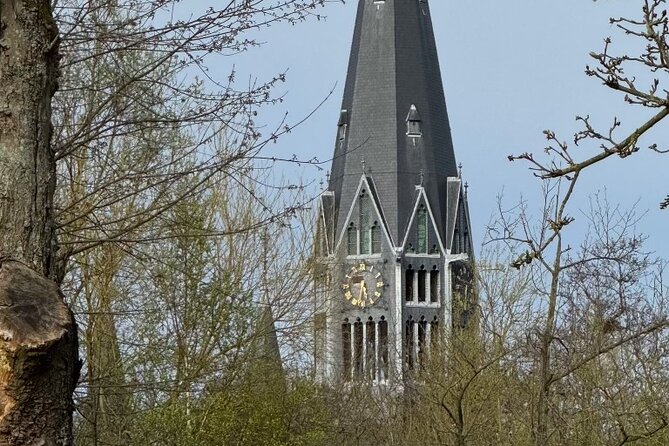
Next comes the Spinhuis, described as a former women’s prison steeped in sorrow and despair. This is the emotional center of the route, and the way the story lands depends heavily on your guide’s pacing and tone.
You’ll stand in an area associated with imprisonment and hear how punishment was used, how lives were shaped by the rules of the time, and how grief can echo through architecture long after doors are gone. It can be intense, but the tour keeps it in the realm of storytelling and place.
One more consideration: if you’re very sensitive to heavy themes, know that the Spinhuis segment is designed to feel weighty. It’s not graphic by description, but it does aim for that “you can feel it here” effect.
Begijnhof: a quiet courtyard and a nun who can’t rest
The tour then shifts into the Begijnhof, which is a calm courtyard tucked in the city. That contrast is the point. You go from a harsh history setting into a peaceful space, and then the story brings back tragedy.
You’ll hear about a nun condemned to wander in silence for breaking her vows. The guide’s job here is to help you hear the contradiction: quiet place, cruel outcome. That tension makes the Begijnhof stop memorable, even for people who don’t usually like ghost stories.
If you want to get the most out of this part, keep your ears open rather than scanning for spectacle. This isn’t about dramatic effects; it’s about how the guide turns stillness into a narrative.
Blood Street: why the cobblestones feel personal
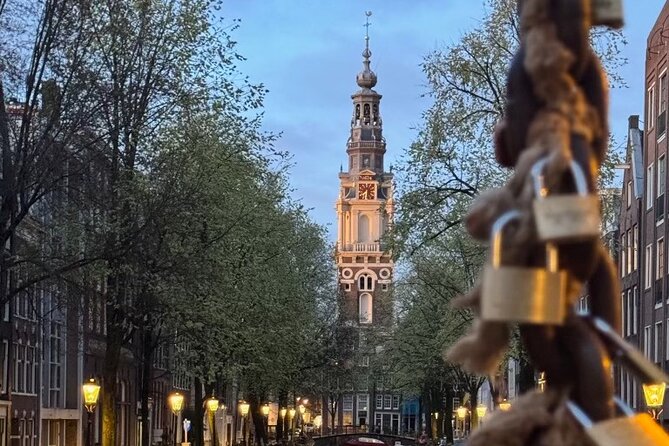
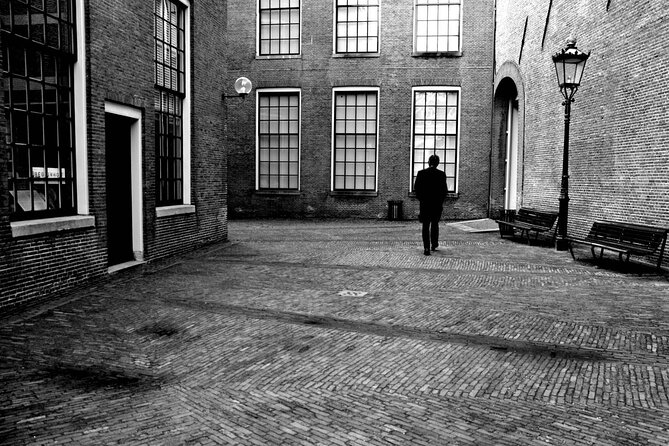
After Begijnhof, the mood turns harsher as you step into Blood Street, a narrow alley where centuries of violence are tied to the cobblestones. The tour focuses on the idea that a street can carry a reputation the way a person carries scars.
This is where you’ll probably feel the most “spooky” energy, even if you’re skeptical. The guide’s stories about murder and mayhem make the physical environment feel charged, like the street is a witness.
Practical note: Blood Street and the surrounding lanes can be tight. Slow down. Keep your footing on wet patches. And if your group is small, you’ll likely have an easier time hearing the guide without crowd squeeze.
You can also read our reviews of more historical tours in Amsterdam



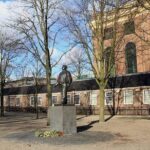


Waag’s Purgatory: Enlightenment curiosity with a moral hangover
Your final stop is the Purgatory of the Waag. Here the tour leans into scientific curiosity from the Age of Enlightenment and the unsettling reality that people were dissected within its walls.
This part works well because it complicates the usual “ghost story” setup. Instead of only focusing on superstition, the guide connects past ethics, curiosity, and punishment. You’re left thinking about what society believed was acceptable—and who paid the cost.
You also get a strong sense of why Amsterdam’s dark history is more than folklore. It’s about institutions: churches, prisons, courts, and even science spaces. The “haunting,” in a way, is the afterlife of decisions.
How scary is it, really?
Some tours promise horror first. This one is more balanced, and that balance is exactly why so many people rate it highly.
A theme from recent feedback: the experience is often described as more history than a haunted ghost show, and some guides lean skeptical rather than supernatural. One person even pointed out they liked the storytelling but wanted more ghostly experiences.
So here’s my straight advice: if you want light scares plus strong context, you’ll likely have a great time. If you want maximum terror, look at the available time slots you can book—one recent note suggested the later slot can offer extra scare factor, while an earlier departure felt more manageable for walkers.
Also, because it’s Amsterdam, weather happens. If it’s cold and wet, you may feel the “spooky” more in your own body than from any spectral effects. Bring a waterproof layer and keep moving slowly through the wet stretches.
What kind of guide makes the difference?
This tour runs with live guides, and English is the language. Recent bookings mention different names like Sunil, Duncan, Jan, Martina, Julia, and Lola, and people repeatedly mention humor mixed with solid city context.
That matters because this route depends on storytelling skill. The stops are real, but the way you connect them into one narrative can make the difference between a fun walk and a “wow, I didn’t know Amsterdam was like this” kind of afternoon.
If your guide uses visual aids (some guides have been mentioned using photos and newspaper articles on a device during the walk), it can add a big boost for people who like proof alongside folklore. Even if not, you should still ask questions. One common compliment is how guides answered follow-ups and tailored extra detail when there was time.
Who should book this tour (and who should skip it)
You should book if you want:
- a first-timer-friendly way to see Dam Square and more local corners without relying only on museums
- spooky stories that come with real-world context (prisons, courtyards, churches, and science sites)
- a guide who can add humor and answer questions while you walk
You might skip or choose a different style of “ghost tour” if you want:
- heavy special effects, dramatic acting, or jump-scare scares as the main event
- a supernatural-by-default experience with less emphasis on historical explanation
One nice bonus: the pacing and storytelling can make the tour feel almost like a small group or even personal, depending on how many people show up. Several recent comments described smaller groups, which usually means you hear more clearly and get better interaction.
Price and what $30 buys you for 2 hours
At $30 per person for a 2-hour guided walk, you’re paying for three things: a local storyteller, a tight route linking multiple important stops, and a format that saves you the effort of researching each site alone.
It’s also a value play if you don’t want to spend half a day hopping between museums. Instead, you get a guided narrative that touches multiple key addresses in the historic center: Dam Square area, Nieuwe Kerk, Spinhuis, Begijnhof, Blood Street, and Waag.
Just remember: food and drinks aren’t included. Plan on saving snacks for after. If you’re doing this in the evening, eat earlier so the walk doesn’t turn into an energy drain.
Practical tips to make your walk smoother
- Wear comfortable, grippy shoes. Amsterdam cobbles get slick, especially in rain.
- Bring a waterproof jacket even if the forecast looks mild. One theme from recent visits was cold and wet weather.
- If you care about the scare factor, consider the time slot you choose. Earlier may feel more history-forward; later can feel more intense.
- Have a question ready. People have praised the guides for answering follow-ups and adding extra context when asked.
- If you’re using a wheelchair, you’re good on access. The tour is listed as wheelchair accessible.
Should you book this Amsterdam Haunted History and Ghost Walking Tour?
Yes, if you want Amsterdam’s darker side told in a way that also teaches you how the city worked—socially, politically, and even scientifically. The route is logical, the places are specific, and the best part is that the stories don’t float free from the setting.
I’d say book it especially if you’re traveling for the first time and you love your history with atmosphere. Just go in knowing it’s spooky history, not a theatrical haunted house. If that matches your mood, you’ll come away with a different mental map of Amsterdam—and you’ll keep thinking about Blood Street, the Spinhuis, and the Waag long after you’re back under normal city lights.
FAQ
Where does the tour meet?
Please meet in front of the Hotel Krasnopolsky, behind the monument at Dam Square, where the guide will be waiting.
How long is the Amsterdam Haunted History and Ghost Walking Tour?
The tour lasts 2 hours.
How much does it cost?
The price is $30 per person.
Is the tour in English?
Yes, the tour is a live English guided walking tour.
What’s included in the price?
You get a walking tour with a guide and storyteller.
Is food and drinks included?
No, food and drinks are not included.
Is the tour wheelchair accessible?
Yes, the tour is listed as wheelchair accessible.
Is there free cancellation?
Yes. You can cancel up to 24 hours in advance for a full refund.
Can I reserve now and pay later?
Yes. The tour offers reserve now & pay later, so you can book your spot and pay nothing today.