REVIEW · AMSTERDAM
Learn to Make Dutch Pancakes in a Beautiful Amsterdam Canal House
Book on Viator →Operated by eatwith · Bookable on Viator
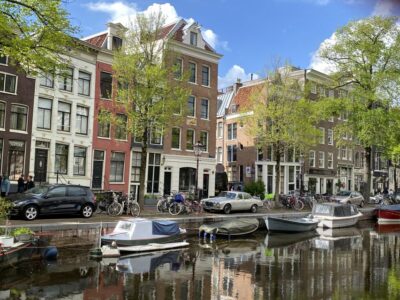
Dutch pancakes in a canal house sounds like a movie set. The reality is better: you cook with Fusina in a cozy Amsterdam home on the Amstel, with hands-on flipping and a full spread of Dutch food.
I particularly like the small-group feel, plus the way the class teaches technique, not just steps. You’ll learn how Dutch pancakes land in that thick-but-not-bready middle ground.
One thing to watch: the experience depends on finding the exact address quickly. A couple of reviews point out that the meeting directions can be tricky, so read the full reminder letter and get there early.
In This Review
- Key things to know before you go
- Why Dutch pancakes feel different (and how that shapes the class)
- Inside Fusina’s Amstel canal house: the setting and small-group feel
- The Amsterdam snack table: grass cheese with applesyrop and herring with pickles
- Grass cheese with applesyrop
- Herring with pickles and onions
- The pancake lesson itself: batter to bake to flip
- What you’ll likely be aiming for
- How participation works in a home setting
- Timing and pacing
- The meal finale: apple slice pie and the drinks you actually get
- Dessert: Appleschnitt
- Coffee, tea, and wine
- Recipes afterward
- Price and value: what $108.47 gets you in Amsterdam
- Location tips for the Amstel canal house meeting point
- Who should book this Dutch pancake class, and who might not love it
- Should you book this Amsterdam canal house pancake class?
- FAQ
- How long is the Dutch pancake making experience?
- Where does the experience take place?
- What time does it start?
- What’s the price per person?
- Is the class taught in English?
- What food and drinks are included?
- Can I bring dietary restrictions?
- Is free cancellation available?
- What should I do to find the meeting point?
Key things to know before you go
- You get hands-on pancake time in a real home kitchen, not a classroom-demo vibe.
- Dutch starter spread is part of the learning, including herring with pickles and onions and grass cheese with applesyrop.
- Small-group size keeps it friendly and family-style, with room for questions and actual flipping.
- Two pancakes show up on the menu, usually apple and bacon, plus toppings and sides from the Dutch table.
- The canal-house setting matters: you’re eating and learning in an Amsterdam home right by the water.
- Address accuracy is key, so don’t wing it with partial directions.
Why Dutch pancakes feel different (and how that shapes the class)
Dutch pancakes are their own category. They’re thicker than French crepes, but not the tall, fluffy stack you might expect from American-style pancakes. That texture difference isn’t trivia. It changes how the batter behaves in the pan, and it changes the flip.
In this class, you’re not just tasting pancakes. You’re getting taught the rhythm of Dutch-style cooking: how to mix, how to heat, and how to flip without turning the pan into a pancake slingshot. This matters if you’re the type who thinks cooking is either easy or stressful. The whole format is built for learning in a relaxed way.
Also, the class doesn’t ignore savory. Sweet is the headline, but bacon is part of the main event too. That mix is a good way to understand Dutch food culture in general: comfort food, but not one-note.
You can also read our reviews of more tours and experiences in Amsterdam.
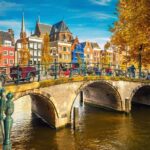
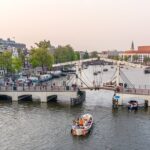
Inside Fusina’s Amstel canal house: the setting and small-group feel
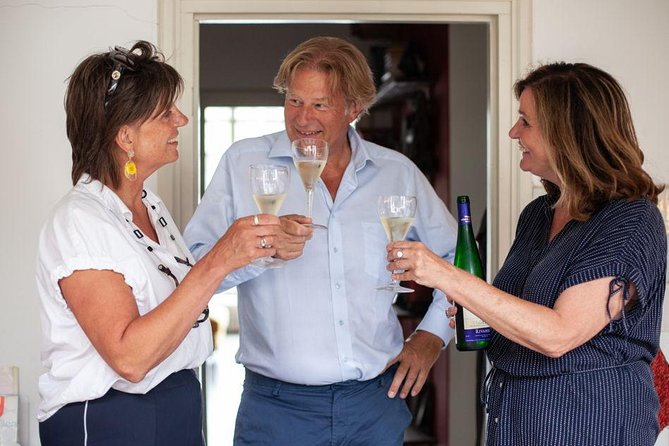
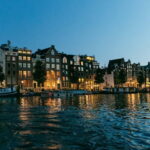
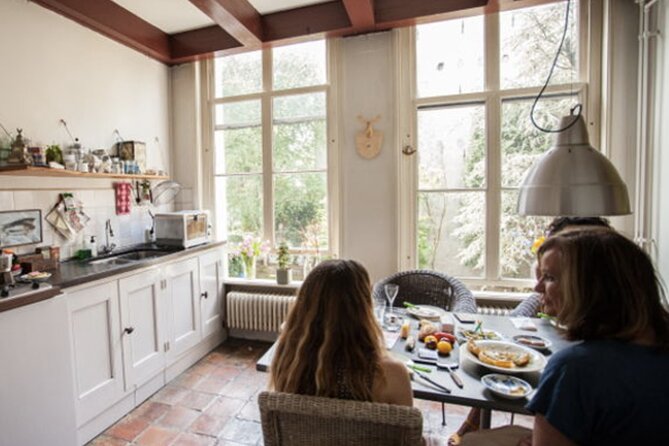
This is hosted in Fusina’s home in an Amsterdam canal house on the Amstel. That’s a big part of the value, because it changes the whole tone. You’re stepping into a real domestic space, sharing a meal, and learning from someone who lives the local rhythms.
The group size stays small. The experience is described as maximum eight travelers in the highlights, and it’s also noted as a maximum of 7 travelers in the additional info. Either way, the effect is the same: you’re not elbow-to-elbow. You get time to participate instead of watching from across the room.
You should also know this is offered in English, and it’s set up as a fun, educational start to the day. One theme that pops in the experience notes and in feedback is that kids and teens can handle it. If you’ve got family, this is the kind of activity that feels like an “Amsterdam story” rather than a hurried stop.
The Amsterdam snack table: grass cheese with applesyrop and herring with pickles
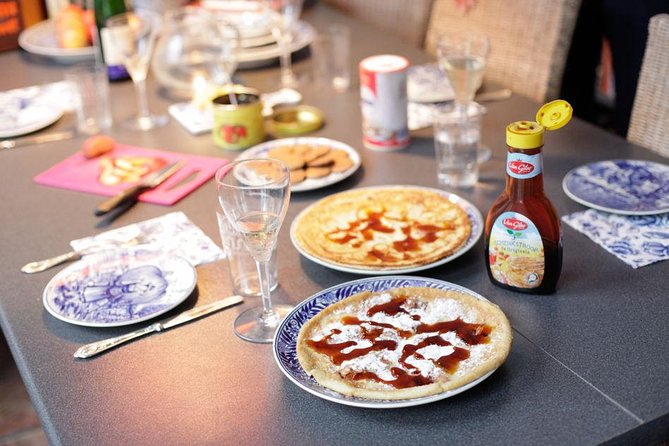
Before you start flipping, you eat. And in a cooking class, this is where you learn the logic of the flavors.
Grass cheese with applesyrop
This starter pairs a Dutch farmers cheese with applesyrop. The trick is that it’s not just sweet-on-salty. It’s sweet that arrives through applesauce-style syrup, while the cheese brings a firmer, more grounded flavor. If you’ve only had mild cheeses, this is a quick way to understand why Dutch cheese is a national obsession.
Herring with pickles and onions
This one is Dutch sashimi energy: herring with pickles and onions. If you’re brave enough to try it, you’ll be tasting a classic street-food style approach. It also gives you contrast right before the warm, batter-based pancakes.
One practical tip: if you’re sensitive to fish flavors, still taste a small bite early. Your palate is warm and curious right at the start of the class, and you’ll get a better sense of whether you enjoy it with the pickles and onion.

The pancake lesson itself: batter to bake to flip
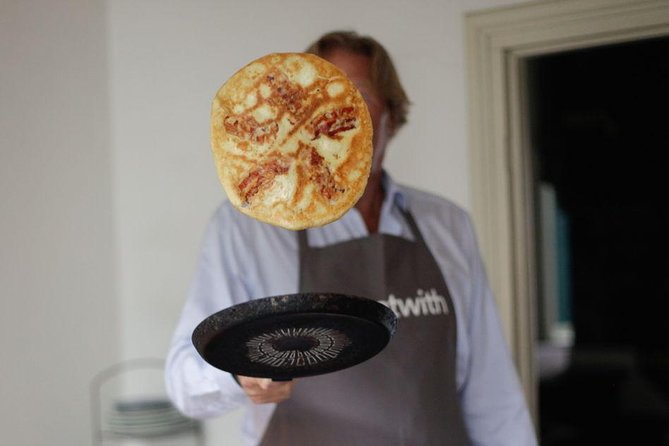
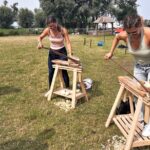
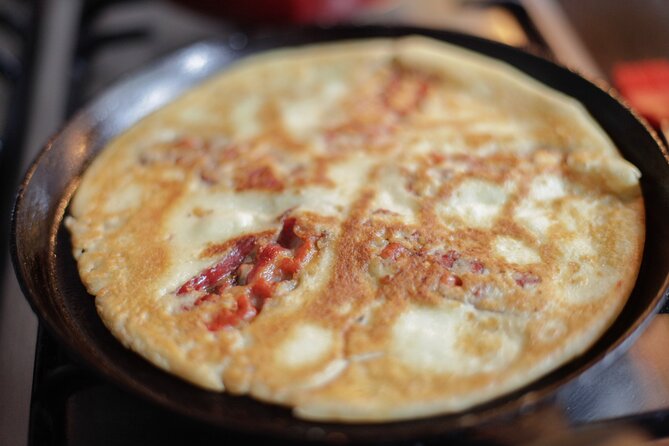
The main event is Dutch Pancakes (Apple & Bacon). The class includes making, baking, and flipping from scratch. And yes, you’ll be doing the flipping, not just watching.
What you’ll likely be aiming for
Think thinner than American pancakes, but thicker than a French crepe. You’re working with batter that should cook through without turning brittle. The goal is a pancake that bends slightly with the pan’s heat and releases cleanly.
How participation works in a home setting
Because this happens in a canal-house kitchen, don’t expect huge restaurant-style cooking stations. You’re sharing space and tools. Some feedback notes that it can feel less like a professional setup and more like one communal kitchen moment.
Also, plan your expectations around output. The description includes hands-on cooking, and some reviews mention making two pancakes. Others mention feeling surprised by portion size or how many pancakes each person ends up getting. So go in for the learning and the experience, not the fantasy of each person leaving with a full plate of their own personal stack.
If you want a visual, look at it this way: this is a morning meal experience that teaches you the method. The food is part of the instruction. That’s where the real value sits.
Timing and pacing
The total duration is about 2 hours. That’s enough time to make batter, cook, and sit down for the meal, without turning it into a half-day project. The best classes keep moving but don’t rush you through the learning curve.
The meal finale: apple slice pie and the drinks you actually get
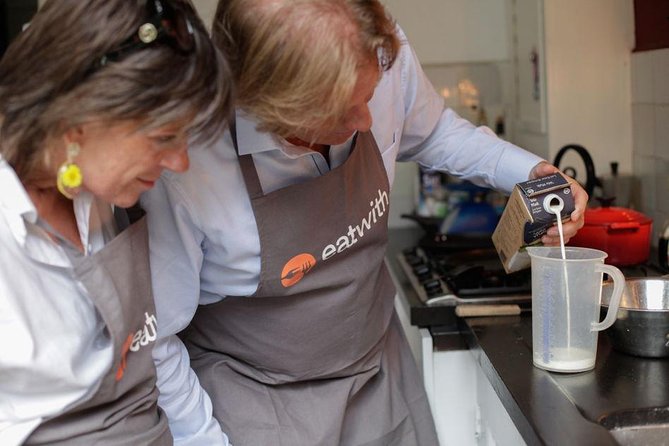
Once your pancakes are cooked, the class shifts into eating mode. The menu is built around classic Dutch comfort food.
Dessert: Appleschnitt
Appleschnitt is homemade apple pie, using Fusina’s grandmother’s recipe. This is one of the most “Dutch-home” parts of the meal because it’s family knowledge turned into something you can taste. Apple pie is common in many countries, but the style and sweetness can feel different when it comes from a local home recipe.
Coffee, tea, and wine
You’ll have tea, coffee, and a glass of wine included. The goal is a relaxed meal pace. Wine being included also means you don’t have to add extra costs just to make the meal feel complete.
In terms of comfort, this ending helps. You finish with something warm and familiar-feeling. And you get to compare how your pancake turned out with what’s on the table.
Recipes afterward
Some past participants mention the host sent recipes after the class. That’s not guaranteed in the provided details, but it’s a nice bonus when it happens. If you want to reproduce this at home, bring a phone ready for notes or photos.
Price and value: what $108.47 gets you in Amsterdam
At $108.47 per person for about 2 hours, this isn’t a budget activity. So you should judge value by what’s included and what kind of experience you want.
Here’s what the experience includes: the cooking class, local delicacies, lunch, tea, coffee, and a glass of wine. It’s also a small-group Dutch home experience on the Amstel.
That combination is the argument for the price. If you were hiring a chef privately and trying to recreate the full Dutch menu, you’d likely pay more than this. And if you were just buying food in Amsterdam, you’d miss the hands-on skill and the local-host context.
That said, a couple of reviews highlight a mismatch between expectations and reality. The biggest complaint themes are:
- feeling that the cooking space is not like a professional station
- feeling that the amount of food cooked per person was smaller than expected
So my practical advice is simple: expect a shared cooking experience and focus on learning the pancake technique. If you need a big, plated portion for every participant, you might feel shortchanged here.
Location tips for the Amstel canal house meeting point
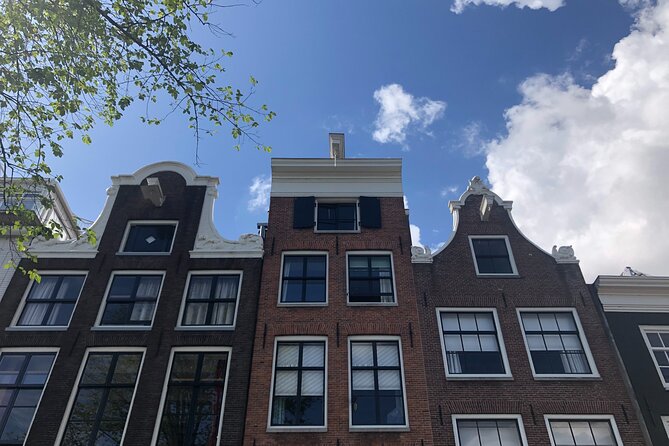
This is Amsterdam, and addresses can be precise in a way that doesn’t always match how tourists navigate. The full address is provided on your confirmation voucher under the Before you go section. Use that exact text.
Also, take one suggestion seriously from the feedback: read the entire reminder letter. One participant said they re-read the instructions and then realized they were standing in front of the place. That’s the kind of fix that can save your start time.
Practical move: arrive a bit early, not just on time. You’re walking to an exact door in a canal house setting, which often means a short scramble to confirm you’re at the right entrance.
Who should book this Dutch pancake class, and who might not love it
This experience is a good fit if you want:
- a hands-on cooking activity in a local home
- a mix of sweet and savory Dutch food (pancakes plus herring and cheese)
- a small, friendly class that works well for families and first-time visitors
- an Amsterdam morning that doesn’t feel like a crowded group tour
You might want to look elsewhere if:
- you’re expecting a high-tech cooking studio with individual stations and lots of gear
- you want everyone to leave with a big amount of pancakes as the main takeaway
- you hate fish flavors like herring and aren’t open to trying a small bite (since it’s part of the starters)
- you need very specific dietary accommodations, because you’ll be asked to communicate restrictions in advance
The best way to match expectations is to treat this as a Dutch food culture experience with technique practice. If you show up for that, it tends to land as memorable.
Should you book this Amsterdam canal house pancake class?
If your dream Amsterdam morning includes cooking, eating, and learning from someone local in a canal house, this is easy to recommend. The biggest strength is the combination: hands-on Dutch pancake technique plus a proper Dutch snack and meal spread, all in a small-group setting with Fusina.
My only caution is expectation management. This is not a giant restaurant kitchen, and the pancakes are part of a shared learning experience, not a buffet-style calorie contest. If you go in knowing it’s about method, flavors, and the home setting, you’re much more likely to feel like you got your money’s worth.
Book it if you want an authentic Amsterdam memory you can’t easily buy in a shop. Skip it if you want a big, self-serve meal first and a cooking lesson second.
FAQ
How long is the Dutch pancake making experience?
It runs for about 2 hours.
Where does the experience take place?
It’s in Amsterdam, in a canal house setting on the Amstel river.
What time does it start?
The start time is 11:00 am, and it ends back at the meeting point.
What’s the price per person?
The price is listed as $108.47 per person.
Is the class taught in English?
Yes, the experience is offered in English.
What food and drinks are included?
You get the cooking class, local delicacies, lunch, tea, coffee, and a glass of wine.
Can I bring dietary restrictions?
You’re asked to communicate any food restrictions (allergy, special diet, and so on) when booking.
Is free cancellation available?
Yes. Free cancellation is available up to 24 hours in advance for a full refund.
What should I do to find the meeting point?
Use the full address on your confirmation voucher under the Before you go section, and read the reminder directions carefully so you don’t lose time at the start.