REVIEW · VOLENDAM
Volendam: 2.5-Hour Cheesemaking Workshop & Clog Making Tour
Book on GetYourGuide →Operated by Simonehoeve Cheese, clogs and restaurant · Bookable on GetYourGuide
Cheese and clogs in one small workshop. I love how this Volendam-area visit turns cheesemaking into a clear, step-by-step process, then keeps your attention with a wooden shoe factory tour.
I also like the payoff: you leave with a take-home cheese and you get tasting time for classic Dutch flavors, including real Gouda and Edam.
One possible drawback to keep in mind: this class is built around making a young farmer-style cheese, not a full, do-it-all Gouda lesson from start to finish. If your goal is to leave with an aged Gouda you personally crafted end-to-end, set your expectations before you go.
In This Review
- Key things to know before you book
- Simonehoeve and the Katwoude setting that feels local
- From local cows to your curds: what the 2.5-hour cheesemaking is really like
- What “hands-on” usually feels like here
- The wooden shoe factory stop that fills the pressing wait perfectly
- Tastings at the shop: Gouda, Edam, stroopwafel, and fruit wine
- How to get the most out of the tastings
- What you bring home, and how to plan your cheese trip back
- Price and value: is $145 for 2.5 hours worth it?
- Getting there: Simonehoeve’s meeting point and the Amsterdam CS bus 316 route
- Who should book this workshop, and who should reconsider it
- Should you book Volendam’s cheesemaking and clog tour?
- FAQ
- How long is the Volendam cheesemaking and clog tour?
- What cheese do I make, and can I take it home?
- Is it Gouda or Edam cheese-making?
- What do you do at the clog factory?
- What tastings are included?
- Does the tour use raw milk?
- Is it wheelchair accessible?
- Where is the meeting point, and how do I recognize it?
- Can I cancel, and do I have to pay right away?
Key things to know before you book
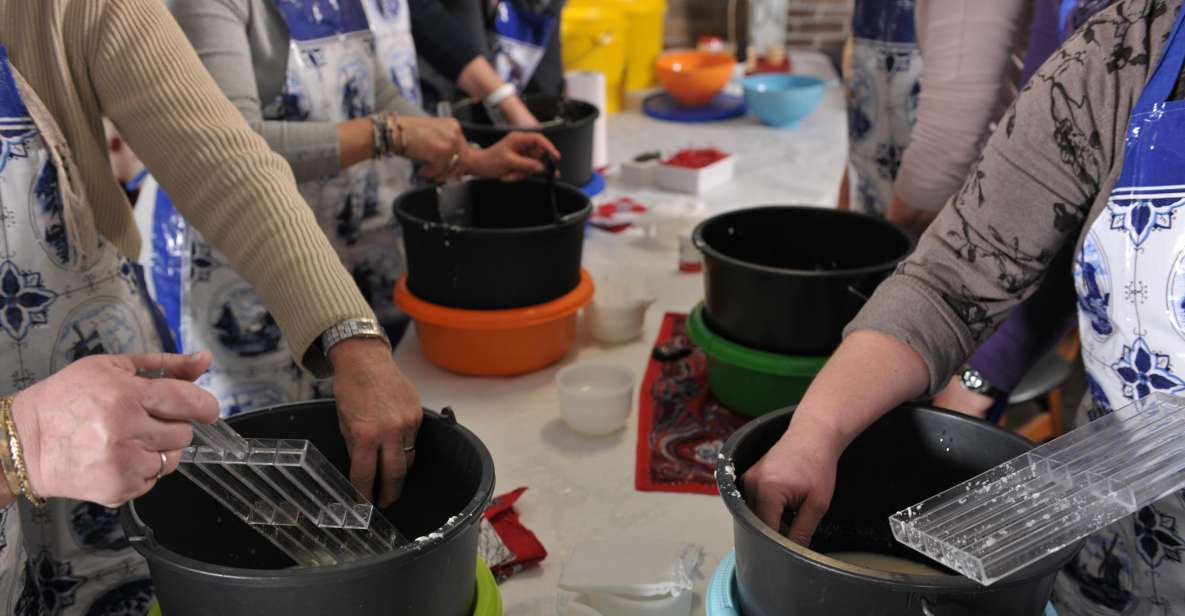
- Hands-on cheesemaking steps: mixing, heating, and pressing are part of the experience, not just watching.
- You take the cheese home: your homemade cheese is made so you can eat it young or manage ripening at home.
- Clog factory happens while cheese presses: wood-to-shoe context fills the time so nothing feels rushed.
- Gouda and Edam tasting: you get to taste the real deal, plus biscuits and wine-style drinks.
- Multilingual instruction: the instructor can work in Spanish, Dutch, English, French, German, and Italian.
- Private group feel: it’s listed as a private group, which usually means less waiting around.
Simonehoeve and the Katwoude setting that feels local
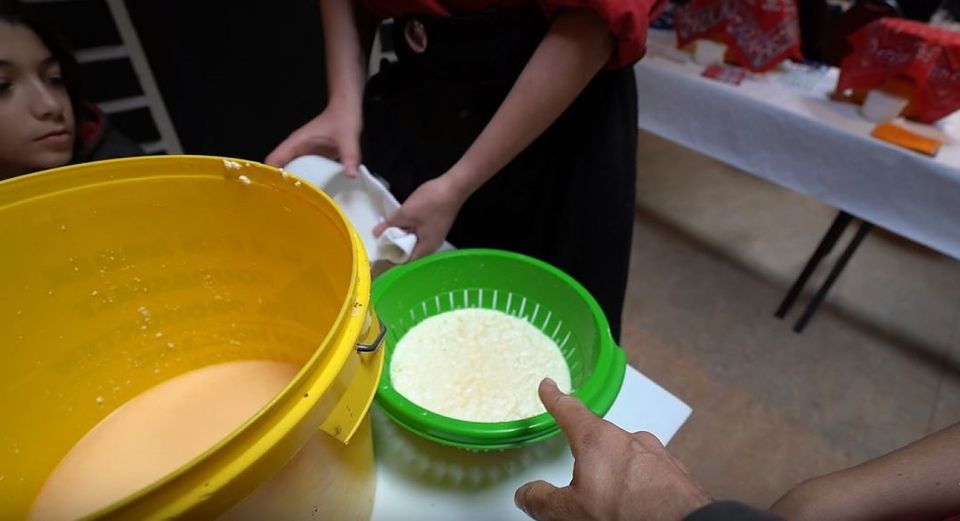
This is North Holland cheese-farm country, the kind of place where the buildings look like they belong in the region rather than on a brochure. You’ll meet at Simonehoeve in Katwoude/Volendam (Wagenweg 2, 1145 PW), and the site is tied directly to both cheesemaking and wooden shoes.
What I like about this setup is that the tour doesn’t bounce between random stops. Everything is on the same property: the cheese side, the clogs side, and the shop where you can taste and buy. You get that tight “all-in-one Dutch day” feel without needing a complicated route.
One practical note: you’ll want to arrive in the recommended window (especially between 9:00 AM and 3:00 PM) so the timing works with your session’s pressing and tour flow.
You can also read our reviews of more tours and experiences in Volendam
From local cows to your curds: what the 2.5-hour cheesemaking is really like
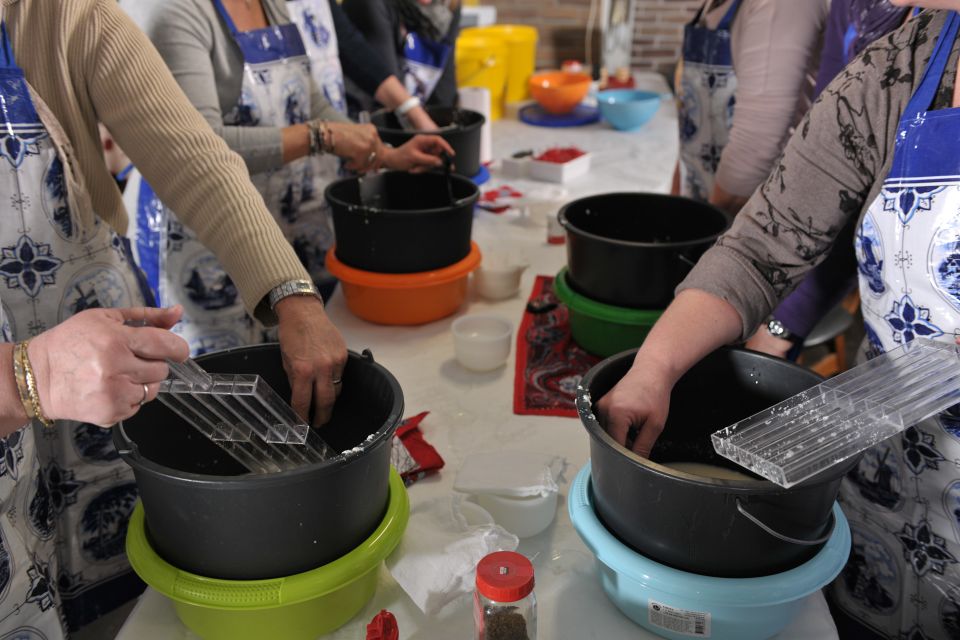
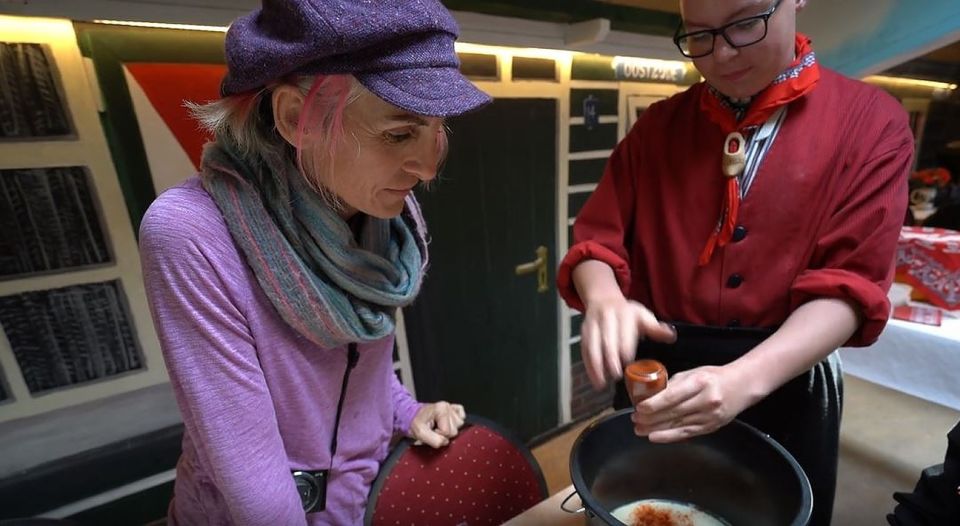
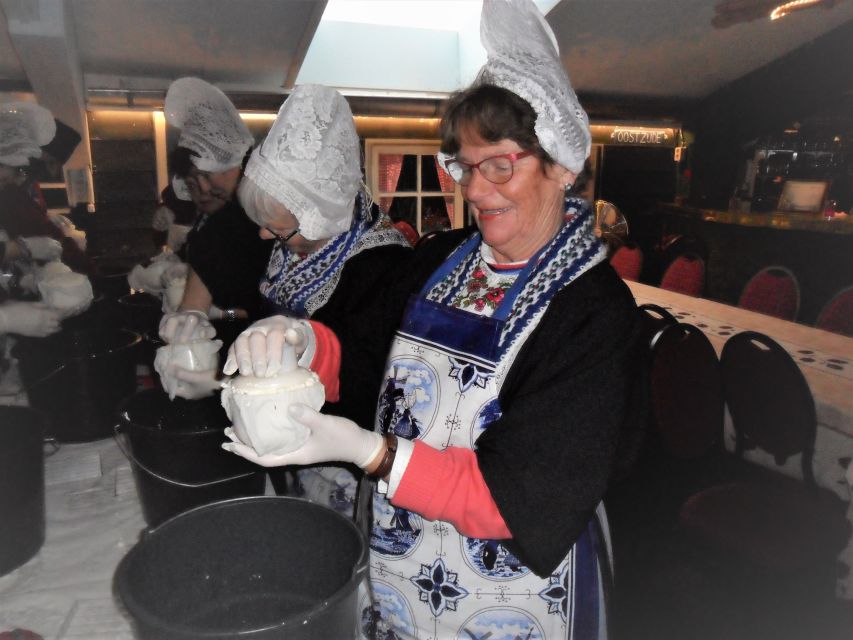
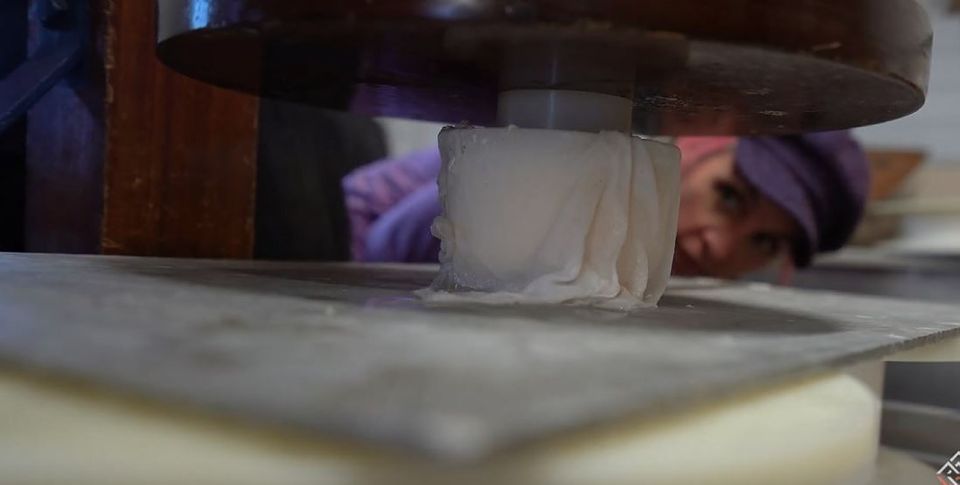
The core experience starts with milk from local cows, then moves into the real work of cheesemaking. You’ll learn the stages: mixing, heating, pressing, and then what happens next. The emphasis is less on fancy equipment and more on understanding the rhythm and purpose of each step.
You’ll also make your own small farmer’s cheese. This is described as a very young cheese, which matters for your expectations. Young cheese isn’t about aging for weeks. It’s about learning the craft while using a style that can be eaten sooner.
Here’s the useful part: you’re not just making something and hoping it turns out. The cheese you create can be vacuumed and eaten right away, or ripened later at home. The idea is that you take home a manageable product, then choose what to do next depending on your schedule and appetite.
You should know one key ingredient point before you book: the cheese uses raw, non-pasteurized milk. That’s great for the authenticity of the product, and it’s also a serious detail if you have any food restrictions or sensitivities. If raw dairy is an issue for you, read that carefully before committing.
What “hands-on” usually feels like here
This tour is designed so you learn the process steps while the cheese progresses through pressing. You’ll take part in the making experience, and the day is structured so you can see what’s happening while you’re waiting for the cheese to reach the right stage.
Still, here’s the consideration I’d flag: one attendee felt the Gouda part didn’t match their expectations, because the “real Gouda lesson” they wanted wasn’t the focus. That lines up with what this workshop is actually described to do: make a young farmer cheese and learn cheesemaking fundamentals, then support that with tastings of Gouda and Edam.
If you want a class where you leave feeling like you personally made Gouda from A to Z, this might not be that exact experience. If you’re happy learning cheesemaking basics and getting a take-home cheese you can eat young, you’ll likely enjoy it.
The wooden shoe factory stop that fills the pressing wait perfectly
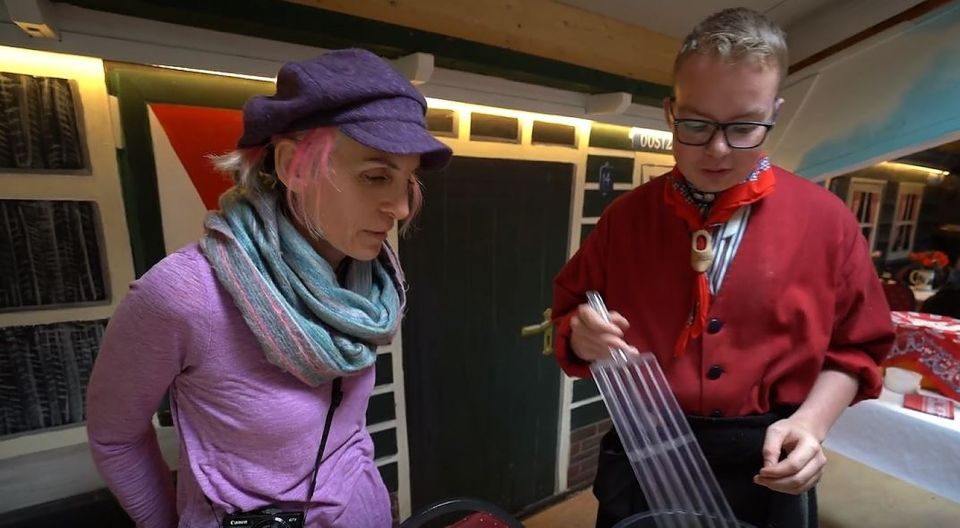
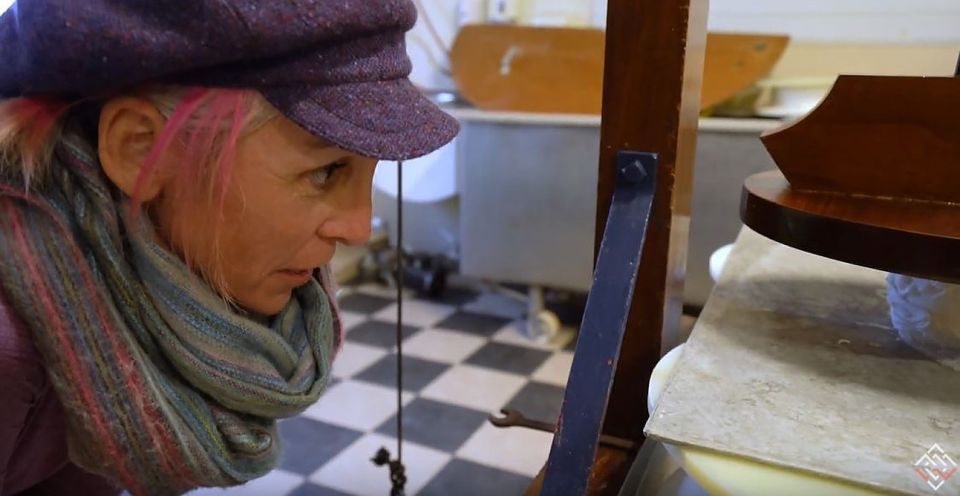
Cheese has timing. While your cheese is being pressed, the tour shifts to a wooden shoe factory so you don’t just stand around.
You’ll get a guided look at how wooden shoes (clogs) are made. The tour covers different clog varieties, from historical styles to modern versions. For me, this stop is valuable because it connects the product side of Dutch life (cheese) to the craft side (wood-to-shoe). It also turns the “waiting time” into something educational.
The most practical benefit: you’re not losing momentum. Pressing takes time, and this tour uses that time well. You get to move, see tools and processes, and learn how a piece of wood becomes footwear.
One more perk for people who enjoy watching skilled work: some sessions include a more old-school-style demonstration, which makes the clog part feel more hands-on than a quick slideshow.
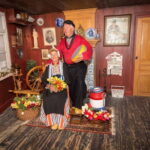
Tastings at the shop: Gouda, Edam, stroopwafel, and fruit wine
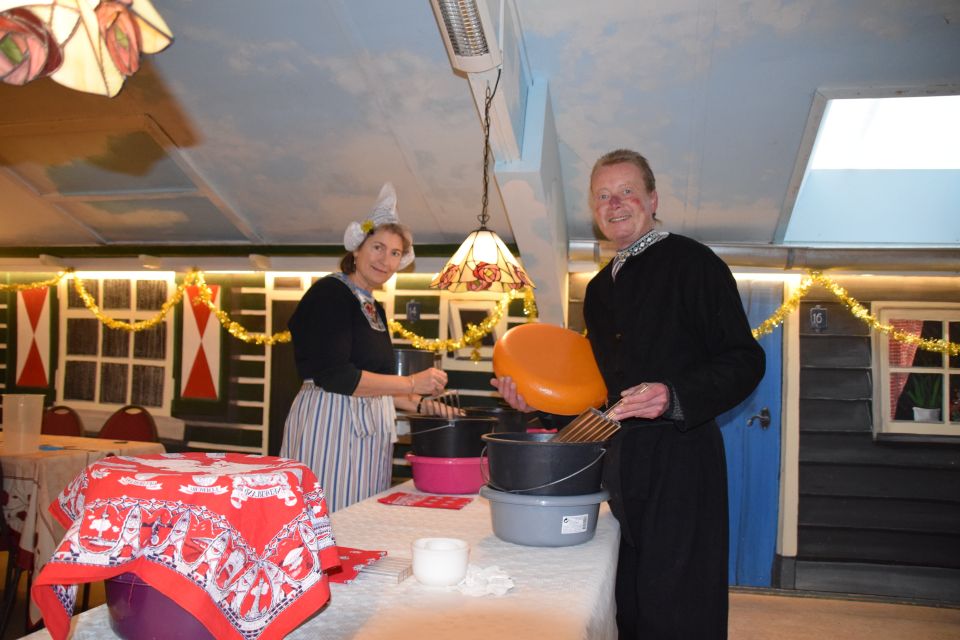
Once the process pieces are in motion, the shop portion becomes your reward. Expect a tasting setup that includes Dutch cheeses and Dutch sweets.
The highlights point to tasting Gouda and Edam, and the shop tasting also includes biscuits such as stroopwafel. You’ll also taste a local fruit wine (listed as a Dutch fruit wine option).
You should also remember what’s included vs. not included. The tour includes cheese to take home, and tastings are part of the day, but it specifically says additional drinks and food are not included. That means if you’re planning to turn this into a full lunch, you may want to budget extra or plan a meal before or after.



How to get the most out of the tastings
Tastings can become chaos if you’re hungry and rushing. Here’s how to make it work: pace yourself through the cheesemaking day, then treat the shop tasting as a chance to compare textures and flavors.
Since your homemade cheese is described as very young, it’s also helpful to pay attention to how young cheese tastes next to the cheeses you taste in the shop. That contrast is where your “learning” turns into real understanding.
What you bring home, and how to plan your cheese trip back
The big included takeaway is straightforward: you get a homemade cheese to take with you.
But the more interesting part is what the workshop says you can do with it afterward:
- it can be vacuumed and eaten directly as a young cheese, or
- it can be ripened at home using liquid plastic as a cover around the cheese.
That’s useful because it gives you an option. If you’re only in the Netherlands for a short time, you can eat it sooner. If you’re homebound and want to enjoy the process later, you can follow the ripening approach described for the style.
If you’re planning to travel with your cheese, pack smart. Keep it protected from crushing and temperature swings, especially if your travel includes multiple legs (train, plane, hotel transfers). One attendee described problems with the cheese being ruined during suitcase travel, so this is worth taking seriously even if it isn’t the norm.
Price and value: is $145 for 2.5 hours worth it?
At $145 per person for a 2.5-hour experience, you’re paying for three things at once:
1) guided cheesemaking instruction and hands-on participation,
2) a clog factory tour during the pressing time, and
3) tastings plus a take-home cheese.
That mix is why the price can make sense. If the day were only “watch a cheese demo” it would feel expensive. Here, it’s set up so you do work on the cheese, you get craft context from the clogs side, and you leave with an item that’s part of the experience.
Still, it’s not a deal you should buy blindly. Your value depends on your goal:
- If you love Dutch food, like tastings, and want a take-home cheese you can eat soon, this price can feel fair.
- If you specifically want a deep, full Gouda-making class where you master Gouda end-to-end, you may feel disappointed, since the process you make is described as a young farmer’s cheese and the Gouda connection is framed more around learning and tasting.
Also, drinks and food beyond what’s included are not covered. If you plan to snack heavily, factor in extra spending so the final cost matches your expectations.
Getting there: Simonehoeve’s meeting point and the Amsterdam CS bus 316 route
You meet at Simonehoeve, Wagenweg 2, 1145 PW Katwoude/Volendam. If you’re using public transport from Amsterdam, take bus 316 from Amsterdam CS (IJzijde).
Tickets can be bought either at the station or from the bus driver, and the key detail here is that no cash is accepted. That’s worth knowing so you’re not stuck figuring it out right at boarding time.
You’ll find the cheese farm and clog factory just a couple of meters from the bus stop named Hotel Volendam. Look for the mini-windmill—it’s described as the recognizable landmark for the location.
Plan buffer time. You’re aiming to arrive in the recommended daytime window so the session timing works smoothly.
Who should book this workshop, and who should reconsider it
This is a strong fit if you want a compact Dutch day with real food and real craft:
- You like cheese and want to learn the workflow, not just eat it.
- You enjoy hands-on activities and don’t mind the fact that cheese has a timing-based process.
- You also like wooden shoes/clogs enough to care about how they’re made.
It’s a bit less ideal if your main goal is to make a specific aged variety like Gouda end-to-end. The workshop description is about learning cheesemaking steps and making a young farmer’s cheese, with Gouda and Edam appearing through tasting.
One more category to think about: people with concerns about raw, non-pasteurized milk should take extra care. If that’s not safe for you, skip it rather than hoping it works out.
Finally, it’s listed as a private group and wheelchair accessible, which can matter for comfort and pace. If you want less crowd pressure during tastings and explanations, that private-group structure can be a plus.
Should you book Volendam’s cheesemaking and clog tour?
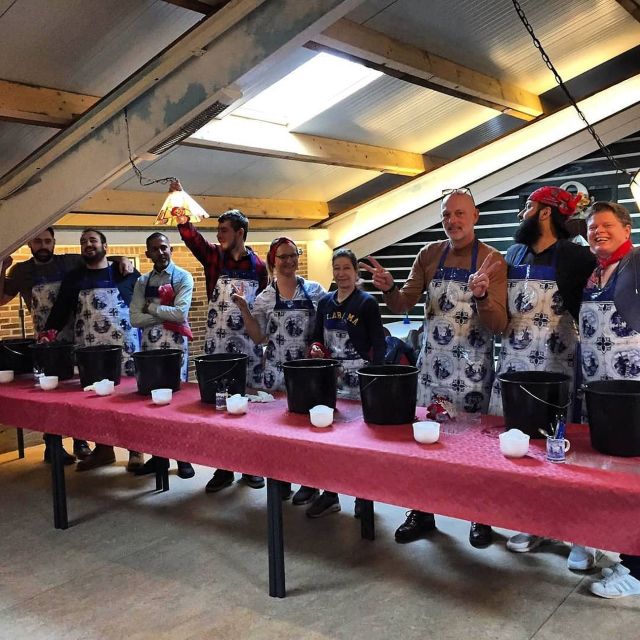
I’d book it if you want a focused, 2.5-hour slice of North Holland that mixes two Dutch traditions: cheesemaking and wooden shoes. The value improves because you get a take-home product and tastings, not just a walk-through.
I’d be cautious if your heart is set on mastering Gouda as your main output. This tour is better framed as learning cheesemaking fundamentals and making a young farmer’s cheese, then topping it off with Gouda and Edam tasting and a clog factory visit.
If you want an authentic, practical day with a real craft rhythm, this one fits.
FAQ
How long is the Volendam cheesemaking and clog tour?
The experience lasts 2.5 hours.
What cheese do I make, and can I take it home?
You make a small young farmer’s cheese, and you take your homemade cheese home as part of the included experience.
Is it Gouda or Edam cheese-making?
The workshop includes learning about cheesemaking and you make a young farmer’s cheese. You can also taste Gouda and Edam as part of the experience.
What do you do at the clog factory?
While the cheese is being pressed, you take a guided tour through the wooden shoe factory, learning how wooden shoes are made and seeing clog varieties from historical to modern styles.
What tastings are included?
In the shop, you can taste Dutch biscuits such as stroopwafel, a local fruit wine, and cheeses.
Does the tour use raw milk?
Yes. The cheeses you make use raw, non-pasteurized milk.
Is it wheelchair accessible?
The experience is listed as wheelchair accessible.
Where is the meeting point, and how do I recognize it?
You meet at Simonehoeve, Wagenweg 2, 1145 PW Katwoude/Volendam. From the bus stop Hotel Volendam, the site is described as only a couple of meters away, and you can recognize it by a mini-windmill.
Can I cancel, and do I have to pay right away?
You can cancel up to 24 hours in advance for a full refund. You can also reserve now and pay later.