REVIEW · VOLENDAM
Volendam: 2-Hour Clogmaking Workshop and Cheese Tour
Book on GetYourGuide →Operated by Simonehoeve Cheese, clogs and restaurant · Bookable on GetYourGuide
Wooden shoes start as plain poplar blocks. At Simonehoeve in Volendam, you learn the basics of clogmaking by hand, then wrap it up with a guided cheese tour and tastings.
I especially like that the clog part is hands-on, from shaping the outside with a big knife to carving the inside with a sharp spoon. I also like the cheese side—milk to Gouda, plus a chance to taste classic Holland favorites like Edam and the sweet stuff. One possible drawback: you may not get the slow, relaxed “craft class” feel, and some people prefer the experience to be more clearly clogmaking (not only painting), so it’s worth going in with the right expectations.
In This Review
- Key Points at a Glance
- Simonehoeve in Katwoude: where the windmill points the way
- The 2-hour clog workshop: from poplar block to take-home shoe
- Bottle opener decorating: the easiest win for your souvenir budget
- Cheese factory tour: how milk becomes Gouda (and what to notice)
- The shop stop: stroopwafel, speculaas, fruit wine, and smart buying
- Price and time: is $91 per person worth it?
- Guides, pacing, and what to ask for on the day
- Who this is best for (and who should skip)
- Common reasons people feel let down (and how to protect your day)
- Should you book Volendam’s clogmaking and cheese tour?
- FAQ
- Where does the clogmaking and cheese tour meet?
- How long is the experience?
- How much does it cost?
- What do I take home?
- Is transportation included?
- What tastings are included?
- What languages are available for the live guide?
- Is this suitable for kids?
- How do I get there from Amsterdam by bus?
Key Points at a Glance
- Two-hour format with a real take-home clog: you leave with your own wooden shoe (finish quality varies by skill and time).
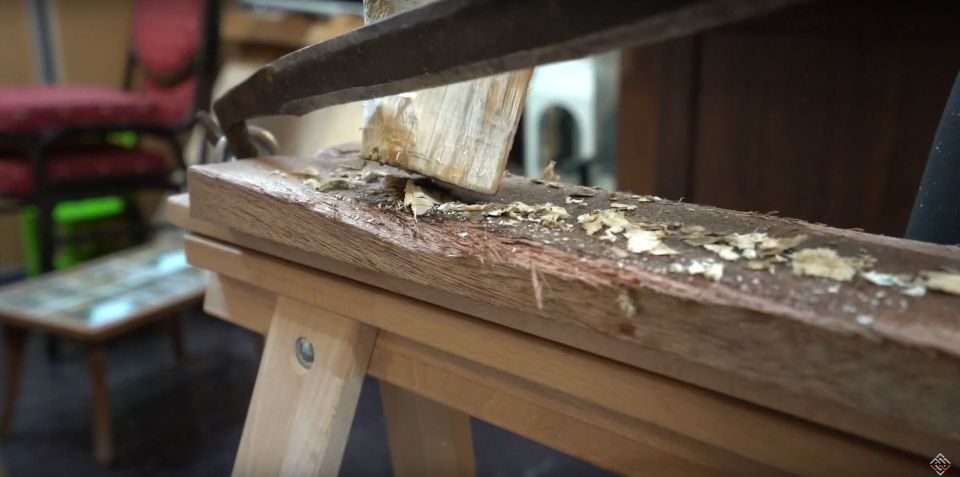
- Hand tools, not just demos: you shape and carve, rather than watching everything.
- Cheese tour includes how-to context: you learn how milk becomes Gouda and see traditional slicers.
- Tastings focus on classic Dutch hits: Gouda and Edam, plus biscuits like stroopwafel and speculaas.
- Small souvenirs are part of the fun: you can decorate a beer opener (and also paint a bottle opener if offered in your time slot).
- Not built for young kids: the activity isn’t suitable for children under 16.
Simonehoeve in Katwoude: where the windmill points the way
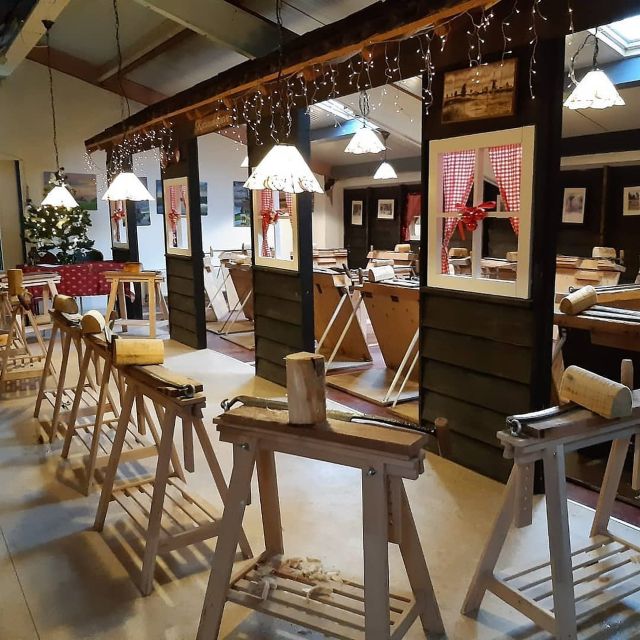
This experience happens at Simonehoeve in Katwoude/Volendam, at Wagenweg 2. If you’re arriving from Amsterdam, take bus 316 from Amsterdam CS (IJzijde). Tickets can be bought at the station or from the bus driver, and the info here says no cash is accepted on the bus.
Once you’re near the stop called Hotel Volendam, the clog and cheese farm is just a few meters away. You’ll likely spot it by the windmill, which is a helpful landmark when you’re off the main road.
Timing matters more than you’d think. You’re asked to arrive between 9:00 AM and 3:00 PM, and showing up in that window helps the workshop run smoothly—especially because the clogmaking portion is where you’ll want enough time to actually get your hands moving.
You can also read our reviews of more tours and experiences in Volendam
The 2-hour clog workshop: from poplar block to take-home shoe
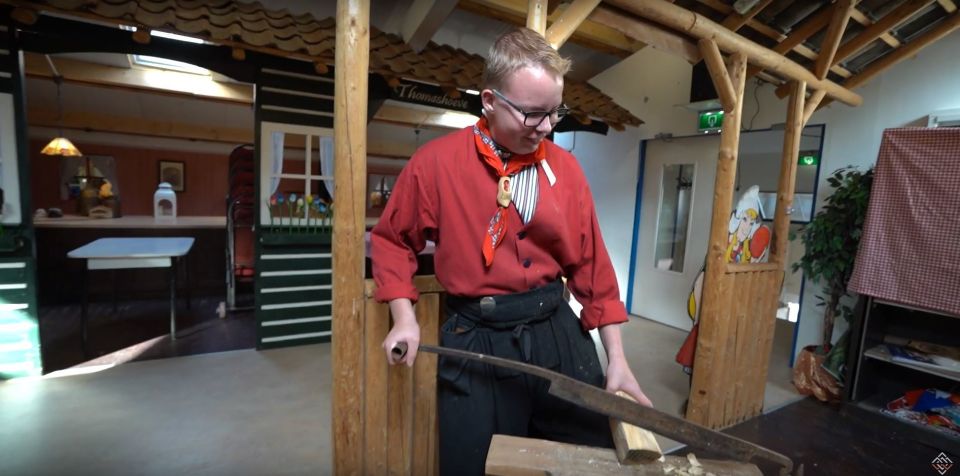
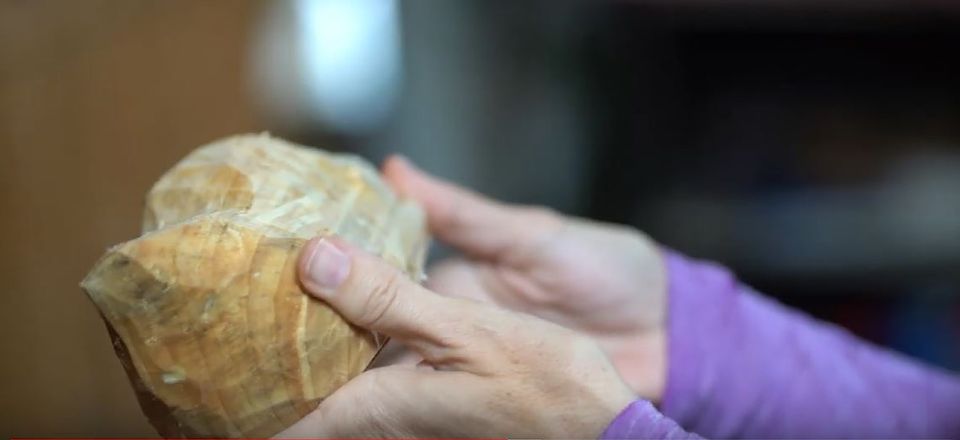
The workshop starts with a block of wood from the Dutch poplar tree. That detail matters because poplar is light and workable, which is good news when you’re carving with hand tools instead of machines.
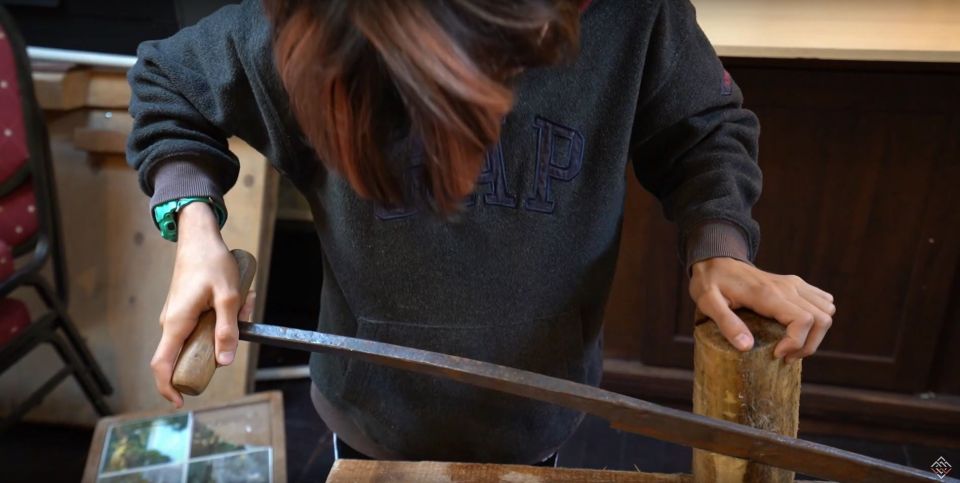
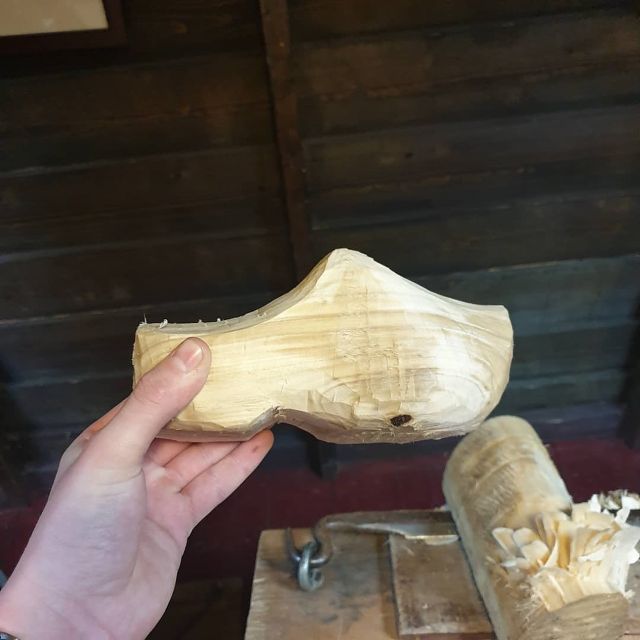
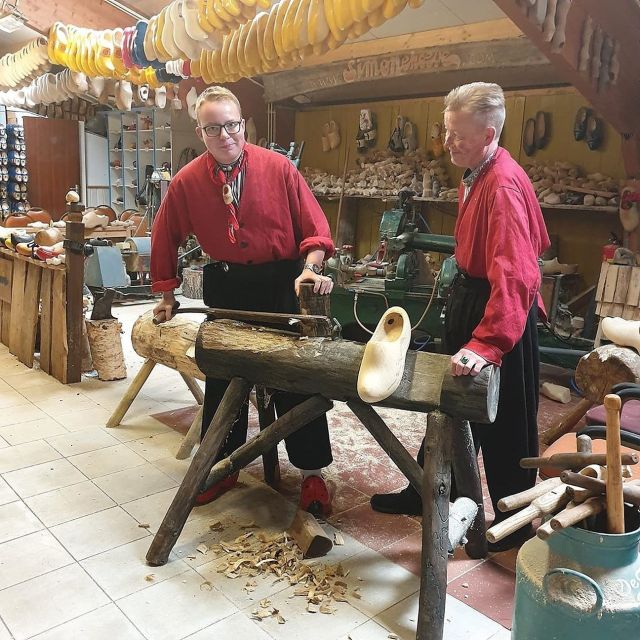
You’ll follow the steps of traditional clogmaking. First, you shape the outside of the shoe the old-fashioned way, with a big knife. Then you carve out the inside using a sharp spoon. The rhythm is simple in concept, but it’s surprisingly physical—expect hands, wrists, and focus.
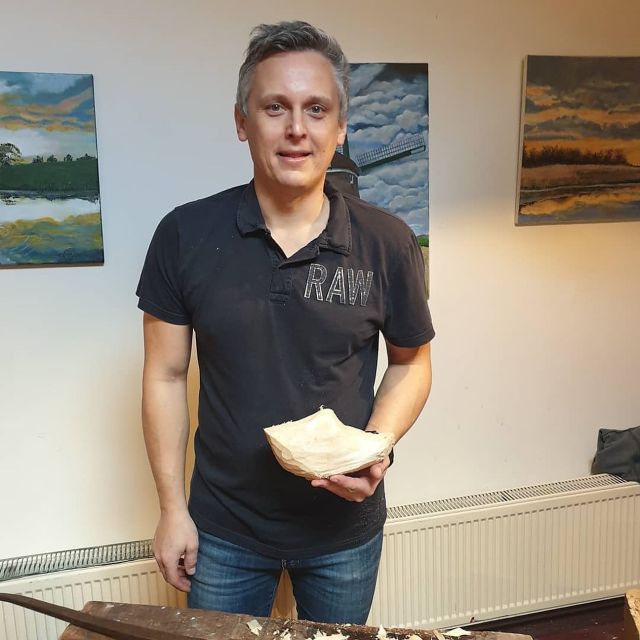
You make one wooden shoe per person during the session. This is one of the best value parts of the whole tour because you’re not just “near” the craft—you’re actively doing it, even if your end result won’t look identical to a store-bought clog.
Here’s the key practical point: the “take-home clog” is part workshop souvenir, part skill trophy. The info says the finishing level depends on your clog-making skills. That means you’re buying a guided making experience, not guaranteed perfection.
If you’re hoping for a purely decorative clog (like painting a ready-made shoe), you should know the core of the class is construction: cutting, carving, and shaping. Some people end up disappointed when their expectations drift toward decorating-only.
Bottle opener decorating: the easiest win for your souvenir budget
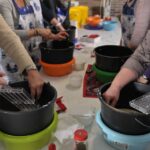
In addition to the clog, you’ll get a beer opener that you can decorate using engraving tools and colorful paint. This gives you a different kind of creative task—less carving, more detailing—so it balances out the harder work.
You’ll also receive a plain bottle opener that you can optionally paint during the workshop. Even if your carving takes more effort than you expected, this is usually the part where you can see quick progress.
Decorating tools also become a “timing equalizer.” If one step feels slow for you, painting can still let you finish strong. And if you’re traveling with someone who isn’t as keen on carving, the opener decorating still gives them something to do with their hands.
Cheese factory tour: how milk becomes Gouda (and what to notice)
After clogmaking, the pace shifts to guided learning through the cheese factory area. You’ll take a tour with a guide explaining how milk is transformed into Gouda cheese. The focus isn’t just on a flavor list—it’s on process.
During the cheese side, you’ll learn about different types of cheeses and you’ll discover traditional slicers. That’s a great detail for food lovers because it connects “what it tastes like” with “how it’s handled.” Slicing methods affect texture, and cheese people pay attention to that.
You also get tastings. The information here specifically calls out Gouda and Edam, plus Dutch biscuits and other items in the shop stop. In other words, you’re not only touring—you’re tasting your way through the brand of Dutch comfort food that exists outside of souvenir baskets.
One small reality check: the cheese tour depends on how smoothly your group moves through the first workshop portion. If your clog session takes longer than expected, there’s less wiggle room afterward. So if you’re especially excited about cheese, show up on time and be ready to work steadily.
The shop stop: stroopwafel, speculaas, fruit wine, and smart buying
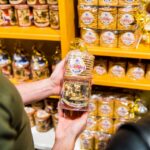
The final stretch includes a shop stop where you can browse souvenirs and then taste more Dutch treats. Expect things like stroopwafel, speculaas biscuits, cheeses, and a fruit wine (the description lists fruit wine as part of the tasting).
This is a great time to treat yourself, but it’s also where you should watch value. One downside that can happen with experiences like this is that souvenirs get priced as “event items” instead of everyday goods. If you’re price-sensitive, try tasting first, then buy only what you truly want to carry.
Practical tip: stroopwafel is easy to love and easier to pack than you think, especially if it’s sealed properly. Cheese is more complicated for travel, so if you’re flying or taking a longer day trip, plan around shelf life and transport rules. The tour doesn’t spell out shipping or cooling options, so keep it simple with shelf-stable items like biscuits when possible.
You can also read our reviews of more tours and experiences in Volendam
Price and time: is $91 per person worth it?
At $91 per person for a 2-hour experience, the value comes from three things: hands-on clogmaking, guided learning, and multiple tastings plus take-home items.
If you’ve done only factory viewing tours, this is a different deal because you’re making something. Even if your clog isn’t museum-grade, the take-home shoe turns the experience into a keepsake you can actually use for display.
The cheese and shop tasting also matters here. You’re not paying solely for the craft; you’re bundling in cheese education plus the chance to taste Dutch standards like Gouda and Edam. That boosts the “per minute” value.
That said, the whole $91 depends on your expectations. If you wanted slow teaching with sharp tools and plenty of time to finish neatly, you might feel the clock. Some people experienced rushed instruction or dull tools in the clog portion, and others felt the activity didn’t match what they thought they booked. If you go in ready to carve and accept that your clog finish will be “made by you,” the value tends to land better.
Guides, pacing, and what to ask for on the day
Guide quality can make a big difference in this kind of two-part experience. In the information you’re given, multiple language options are offered, and that helps groups gel.
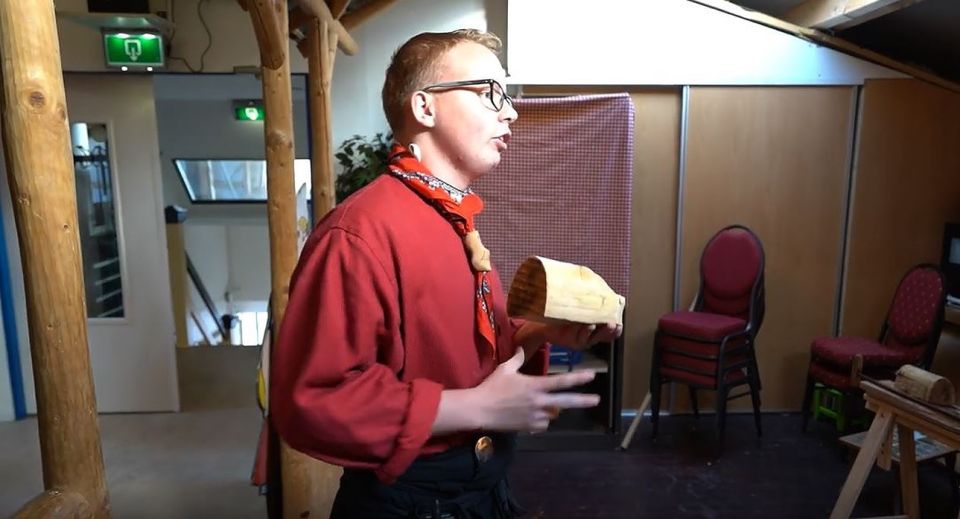
You’ll also see that specific guides can strongly affect the tone. The name Ahmed (Ahry) shows up in feedback for delivering quality service and precise explanations. Another guide named Fred is mentioned for putting effort into making the visit fun and memorable. That’s the kind of guidance you want when you’re learning carving basics and also listening to cheese explanations.
If you’re there and the session feels like it’s moving too fast, a simple fix is to ask for clarity early—before you start committing time to a carving method. If you notice your tools aren’t cutting smoothly, ask for a different blade or tool setup quickly. One piece of advice from the clog side: don’t wait until you’re stuck halfway through to request help. The workshop is short, so you want adjustments early.
Who this is best for (and who should skip)
This works best for people who want a hands-on Dutch craft experience and don’t need perfection. You should like doing tasks yourself—carving, shaping, and then adding a bit of paint to a personal souvenir.
It’s also a good fit if you’re the type who enjoys understanding how food is made, not only tasting it. The Gouda explanation and the talk around cheeses and slicers are the “real deal” for curious eaters.
It’s not suitable for children under 16, so plan on making it an adults-only stop or a teen-friendly day for older kids.
If you prefer very structured, calm museum-style tours, you might find the two-part format slightly intense—because clogmaking is physical and time-based, and then cheese happens after.
Common reasons people feel let down (and how to protect your day)
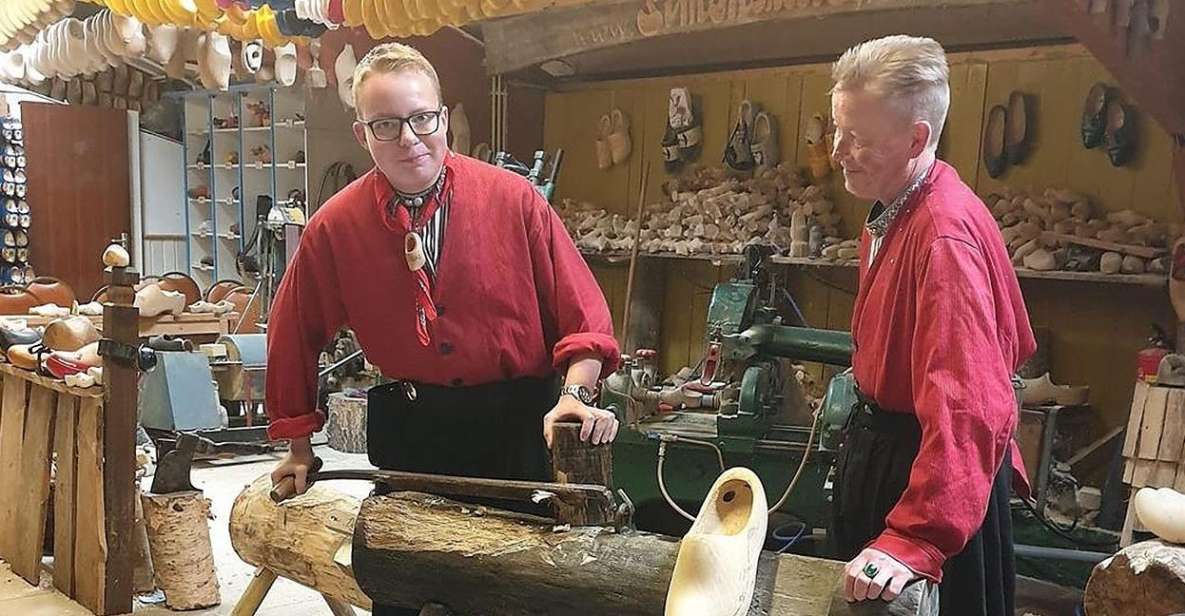
This experience can go one of two ways depending on expectations and how your session runs.
First, make sure you understand the core deliverable: you’re making a clog from a wood block. Some people get disappointed when they expected a decorating-focused class or a demonstration-first structure. If your dream is clog carving, you’re in the right place.
Second, accept that tools and pacing can vary by person and timing. There’s feedback that equipment can feel dull or that instruction can become rushed. Your best protection is simple: show up early in the day window, work steadily, and speak up fast if you need clearer guidance or better tool performance.
Third, don’t plan your schedule so tightly that one hiccup ruins your day. If your clog session runs longer, it can compress the cheese portion. Build in some breathing room after the tour so you don’t feel like you’re being rushed out into your next activity.
Should you book Volendam’s clogmaking and cheese tour?
If you want a short, memorable Dutch experience where you leave with something you made, I think this is worth considering. The best-case version has you carving a clog, learning how Gouda happens, and tasting classic cheeses and biscuits without feeling like you’re paying only for souvenirs.
Book it if:
- you like hands-on craft work and don’t mind that finishing details depend on time and skill
- you care about cheese process as much as flavor
- you want a two-hour cultural stop near Volendam/Katwoude
Skip or reconsider if:
- you mainly wanted a painting-only workshop
- you’re sensitive to rushed pacing and want a slower, more instructional class length
- your schedule is extremely tight and you can’t absorb a time shift
FAQ
Where does the clogmaking and cheese tour meet?
It meets at Simonehoeve, Wagenweg 2, 1145 PW Katwoude/Volendam.
How long is the experience?
The tour duration is 2 hours.
How much does it cost?
The price is listed as $91 per person.
What do I take home?
You’ll take home your own handmade clog. You also receive a decorated clog to bring home, plus you may decorate a beer opener (and you can optionally paint a bottle opener).
Is transportation included?
No. Transportation is not included.
What tastings are included?
The tour includes tasting classic Dutch cheese (including Gouda and Edam) and Dutch biscuits like stroopwafel and speculaas, plus wine/fruit wine and other items in the shop area.
What languages are available for the live guide?
Live guides are available in Dutch, English, French, German, Italian, and Spanish.
Is this suitable for kids?
No, it is not suitable for children under 16.
How do I get there from Amsterdam by bus?
If traveling from Amsterdam, you can take bus 316 from Amsterdam CS (IJzijde). Tickets can be bought at the station or from the bus driver, and cash is not accepted.