REVIEW · AMSTERDAM
3-course Dinner in the Dark Amsterdam
Book on Viator →Operated by Ctaste Amsterdam · Bookable on Viator
Eating in total darkness sounds odd, then it works.
A 3-course dinner in the dark at Ctaste Amsterdam flips your usual restaurant routine: you pick your meal from a lighted selection, then step into a pitch-black dining room where blind or visually impaired wait staff serve and guide you through every course. Dining in the dark turns sight off so you’re forced to read flavors, smells, textures, and even sound.
I especially like two things: the blind waiters do more than serve food, they reassure you as you adjust, and that confidence makes the night feel safe and fun. Second, the meal itself is built for the challenge—three courses plus 2 amuse bouche, with ingredient choices that avoid extreme items like organs, bones, fat, insects, or other off-menu surprises.
One thing to consider: without sight, you may not be able to identify exactly what you’re eating, and that can disappoint you if you want a classic, clearly labeled dining experience. If you’re very picky about textures or prefer knowing the dish name before every bite, this may feel frustrating in the dark.
In This Review
- Key things to know before you go
- Dining In The Dark at Ctaste: What You’re Really Signing Up For
- Getting There on Amsteldijk 55 and What the Timing Feels Like
- The Lighted Lounge: Coats, Ordering, and the Small Rules That Matter
- How the Blind Wait Staff Guide You Through the Dark
- The 3 Courses Plus Amuse Bouche: Eating Without Visual Confirmation
- Pace, Temperature, and the Reality of Waiting in Darkness
- The After-Dinner Moment: Optional Quiz and Keeping the Fun Going
- Price and Value: Is $59.61 Worth It in Amsterdam?
- Who This Dinner Works For (and Who Should Rethink It)
- Should You Book This Dinner in the Dark Amsterdam?
- FAQ
- How long is the 3-course Dinner in the Dark Amsterdam experience?
- Where does the experience start?
- What’s included with the ticket?
- Are drinks or water included?
- Can I use my phone or take photos during dinner?
- Is an infrared picture included?
- Is there a dress code?
- Where are restrooms during the experience?
- Is free cancellation available?
Key things to know before you go
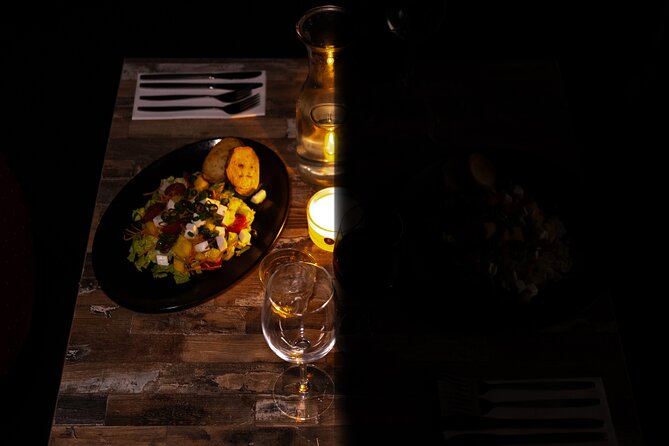
- You choose in light, then eat in pitch-black: pick your menu outside or in a lit area, then the dining room turns fully dark.
- Blind or visually impaired staff guide you: they serve your courses and help you feel settled and steady.
- Phones and cameras are locked up: you’ll keep your attention on taste and the room, not your screen.
- Restrooms stay in the light: plan any bathroom breaks before or between courses if you can.
- No extreme ingredients: organs, bones, fat, insects, and other extreme items are never on the menu.
- Small group size: the experience caps at 5 travelers, so the pacing and atmosphere tend to feel more personal.
Dining In The Dark at Ctaste: What You’re Really Signing Up For
This isn’t just a stunt meal. It’s a structured evening designed to change how you experience food. You start with a normal order-and-sit setup in a lighted lounge, then you’re guided into a pitch-black dining room where your senses do the work your eyes normally handle.
The main idea is simple: you’ll rely on taste, smell, touch, and sound. That sounds philosophical, but it’s practical once you’re in the dark. You notice how sauces cling, how crispness breaks, how temperature shifts a flavor, and how seasoning lands differently when you can’t visually confirm what’s on the plate.
You can also read our reviews of more tours and experiences in Amsterdam


Getting There on Amsteldijk 55 and What the Timing Feels Like
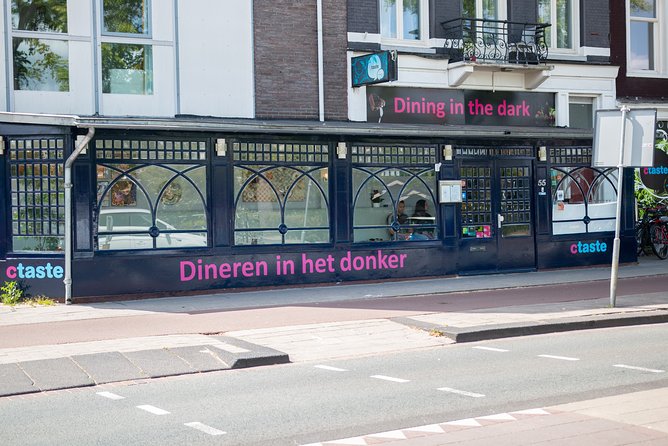
Your meeting point is Amsteldijk 55, 1074 HX Amsterdam. The whole experience runs about 2 hours. That duration is short enough to fit into an Amsterdam dinner schedule, but long enough to include course pacing plus the sensory adjustment period.
The venue is near public transportation, which matters in Amsterdam. You won’t need a car, and you can pair the dinner with a walk or museum stop earlier in the evening. Also, the experience is capped at a maximum of 5 travelers, so you generally won’t feel like you’re waiting in a loud, crowded restaurant line.
One practical note: the restaurant can feel cool. If you run cold easily, bring a layer. Being in a dark room makes you notice temperature more, and comfort helps you enjoy the experience instead of focusing on shivering.
The Lighted Lounge: Coats, Ordering, and the Small Rules That Matter

When you arrive, you’ll be welcomed in a lighted lounge area. You’ll have a cloakroom to check your coat or bag, which is a big deal in a dark dining room. You don’t want to wrestle with your belongings once the lights go out.
Ordering happens before you enter the dining room. You’ll select your meal from an illuminated selection outside. Then staff guide you into the pitch-black space. This “choose in light, eat in dark” setup helps you avoid the worst kind of uncertainty. You’re not guessing every dish from scratch; you’re adapting while you eat.
A couple of small rules are worth treating as part of the experience:
- Don’t wear white. The night is dark, and spills can happen with any meal.
- Keep your phone and camera in a personal locker for the duration. This keeps the focus where it belongs: on tasting.
- All restrooms are in the light, so plan for that rather than trying to navigate in total darkness.
How the Blind Wait Staff Guide You Through the Dark

In a normal restaurant, you read body language and plate placement. Here, the staff take over that job. Blind or visually impaired wait staff are specially trained to serve in the dark, and they offer guidance and reassurance so you can relax into the experience.
What I like about this setup is that it’s not awkward. Your interactions become simpler and more direct. Instead of scanning the room, you listen, you follow instructions, and you let the staff help you orient yourself at the table.
One detail from experience-based accounts: some staff introduce themselves in a non-visual way, like humming when they enter the room. That might sound small, but it’s actually useful. It gives you a way to recognize who’s helping you while you’re still adjusting to the dark.
The 3 Courses Plus Amuse Bouche: Eating Without Visual Confirmation

Your dinner includes 2 amuse bouche and a 3-course meal, served at a private table. The menu is described as cosmopolitan international cuisine, meaning you’re likely to get familiar flavors presented in ways you can’t rely on sight to decode.
This is where the experience becomes memorable. Without visuals, your brain shifts from “what is this?” to “how does this taste right now?” You become more aware of:
- aroma before the first bite
- texture contrasts (crisp vs creamy, soft vs chewy)
- temperature (warm plates feel different in a dark room)
- seasoning changes across a course
There’s also a clear attempt to keep the menu comfortable for most people. Organs, bones, fat, insects, and other extreme ingredients are never served. So if you’re worried this is a shock-food experience, you can breathe easier.
Still, the dark dining room can affect how much you enjoy specific courses. One downside is that some people want a stronger sense of identification—what the dish is, what ingredient is in play, what the concept is. If you need that clarity to stay engaged, the pitch-black approach can feel like you’re eating blind (because you are).
You can also read our reviews of more tours and experiences in Amsterdam






Pace, Temperature, and the Reality of Waiting in Darkness
A dinner experience like this has a built-in adjustment phase. Your eyes stop working, so your senses take time to recalibrate. That can make the time between courses feel longer than you expect, especially if you’re hungry and ready for the meal immediately.
Some people also note the dining room can be chilly. Combine that with waiting in darkness and you’ll see why pacing matters. If you want comfort, wear layers. If you get impatient easily, remind yourself this is not a quick meal. It’s a sensory activity.
Also, a private table helps here. You’re not constantly turning to face other groups or dealing with crowded seating. The focus stays on your course, your guide, and your senses.
The After-Dinner Moment: Optional Quiz and Keeping the Fun Going
Many experiences like this end with a chance to guess what you ate. An optional quiz is listed in accounts of the experience, where you can try to identify dishes after the dark course run.
This part is more than entertainment. It’s how your brain “re-labels” the sensory info you gathered without visuals. If you enjoy puzzles, it turns the night into a game. If you don’t care about guessing, you can still treat it as a fun closing moment.
About photos: you should expect to have no phones or cameras during dinner, since they’re kept in a personal locker. If you’re hoping for an infrared photo option, note that an infrared picture is not included. Some guests expect it anyway, so if that matters to you, ask in advance so you’re not surprised.
Price and Value: Is $59.61 Worth It in Amsterdam?
At $59.61 per person, this isn’t a bargain meal—but it’s also not priced like a fancy tasting menu with rare ingredients and wine pairing. The value comes from the experience design: you’re paying for the sensory setup, trained staff, the private table format, and the three-course structure served in total darkness.
What you get that most standard dinners don’t include:
- 2 amuse bouche + 3 courses
- a private table
- service by blind or visually impaired staff trained for this environment
- a small group cap at 5 travelers, which helps the atmosphere
What you don’t get:
- drinks and water are not included
- additional courses like extras beyond the set menu aren’t included
- infrared photo isn’t included
So how do you budget? If you usually add wine or cocktails, plan for that extra cost. If you’re the kind of dinner person who likes one drink and then a steady water rhythm, this pricing can feel fair for what you’re doing.
One timing tip: this experience is commonly booked around 43 days in advance. If you want a specific night, don’t wait until the last minute.
Who This Dinner Works For (and Who Should Rethink It)
This experience tends to work best if you want your senses challenged and you’re okay with a little uncertainty. If you like interactive activities and you enjoy learning about textures and flavor through taste instead of sight, you’ll likely have a good time.
It’s also a nice option for people who don’t want extreme food content. Since the menu avoids organs, bones, fat, insects, and other extreme ingredients, you can focus on sensory fun rather than shock value.
Good fits:
- couples looking for a unique Amsterdam night
- solo diners who enjoy meeting staff and chatting in a calmer setting
- food lovers who like experimenting with how flavors land
Possible mismatches:
- if you need to identify each dish instantly and hate not knowing what you’re eating
- if you strongly dislike unpredictability in texture or presentation
- if you’re extremely sensitive to cold and you don’t bring a layer
Family note: children from age 6 and up can understand and enjoy the dining experience. If you’re going with kids, treat it like an activity with rules and structure, not like a normal restaurant meal.
And for practical comfort: if you have service animal needs, service animals are allowed.
Should You Book This Dinner in the Dark Amsterdam?
Book it if you want an Amsterdam experience that’s genuinely different from the usual canals, museums, and restaurant hops. This is a clear, guided event built around taste and texture without the crutch of sight. The staff attention—especially the calm reassurance—can turn an unusual setting into something comfortable.
Skip it (or at least reconsider) if you’re the type who needs food identification and clear dish naming to enjoy dinner. In a pitch-black room, some people walk away still unsure what they ate, and that can be the biggest source of disappointment.
If you’re curious, plan it for an evening when you can relax. Eat it like an activity. Then let the meal surprise you—by making you taste more carefully than usual.
FAQ
How long is the 3-course Dinner in the Dark Amsterdam experience?
It lasts about 2 hours.
Where does the experience start?
The meeting point is Amsteldijk 55, 1074 HX Amsterdam, Netherlands. The activity ends back at the same meeting point.
What’s included with the ticket?
Your ticket includes a 3-course dinner in the dark, 2 amuse bouche, and a private table.
Are drinks or water included?
No. Drinks and water are not included.
Can I use my phone or take photos during dinner?
No. Mobile phones and cameras will be kept in a personal locker during the dinner.
Is an infrared picture included?
No. An infrared picture is not included.
Is there a dress code?
Yes. You’re advised not to wear white clothes.
Where are restrooms during the experience?
All rest rooms are in the light, so they are outside the pitch-black dining area.
Is free cancellation available?
Yes. Free cancellation is available up to 24 hours in advance for a full refund.