REVIEW · AMSTERDAM
Amsterdam and Countryside Private Full-Day Tour by luxury car
Book on Viator →Operated by Eric · Bookable on Viator
Luxury cars make Dutch days feel effortless. This private full-day tour mixes a guided Amsterdam drive with time in the countryside, using comfortable Lexus transfers and a guide who adapts to how you want the day to flow. I especially like that you’re not stuck in one rigid route—you can ask to park and walk when it feels right, whether that’s in Amsterdam’s old streets or near the windmills and dikes north of the city.
The main trade-off is price. At $725 per group (up to 3), it’s best value when you split the cost, and it can feel steep if you’re traveling solo or as a duo.
In This Review
- Key highlights at a glance
- A Private Lexus Day: what you’re really paying for
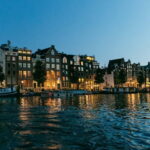
- Entering Amsterdam’s core: Dam Square, neighborhoods, and canal rings
- The big plus of this approach
- A consideration
- Jordan and the “other” Amsterdam side you’ll actually remember
- A quick tip
- Canal Belt to old town: how the guide turns streets into meaning
- Waterland north of Amsterdam: dikes, windmills, and the real Holland feel
- UNESCO context and a windmill inside visit
- A smart food bonus: free cheese tasting
- Edam and Monnickendam: quick walking, classic cheese towns
- What works well here
- What to watch
- Marken on foot: the calm island feel (and the only real walk of the day)
- A practical note
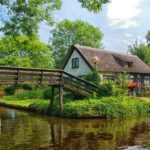
- Broek in Waterland: a 30-minute water village stop
- Comfort, timing, and getting the most out of a 7–8 hour day
- When this timing makes sense
- Who should book it
- Price and value: $725 for up to 3 people, and when it’s worth it
- Should you book this Amsterdam and Waterland luxury tour?
- FAQ
- FAQ
- How many people are included in the private tour?
- Where can pickup and drop-off happen?
- What language is the tour offered in?
- How long is the tour?
- What will we see in Amsterdam?
- Which towns are visited in Waterland?
- Is the windmill visit included?
- Is there any walking?
Key highlights at a glance
- Private Lexus transfer for a full day, with pick-up and drop-off anywhere in the Netherlands
- Flexible pacing: drive-first sightseeing, with stops and strolls when you want them
- Amsterdam by car plus guided context on key areas from Dam Square to the Canal Belt
- Waterland countryside north of the city for dikes, meadows, old farmhouses, and small towns
- Working windmill visit + free cheese tasting tied to the windmill’s seasonal opening hours
- Multiple villages in one day (Edam, Monnickendam, Marken, Broek in Waterland) without the hassle of trains and transfers
A Private Lexus Day: what you’re really paying for
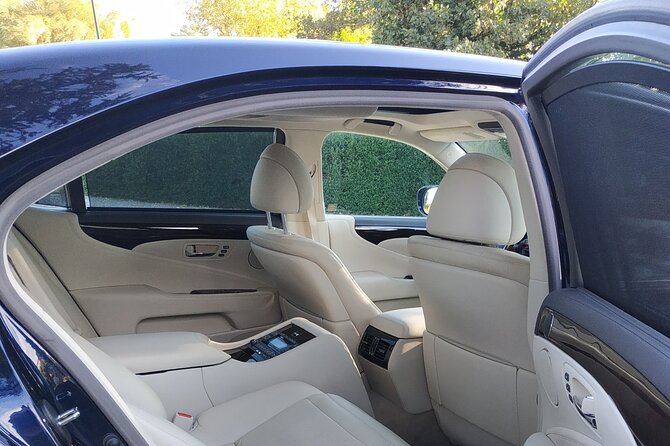
This is not a crowded bus day. It’s a private outing for up to three people, with English-speaking guide Eric and a luxury Lexus transfer. That matters more than people expect when you’re trying to see both Amsterdam and the countryside in the same trip. You spend less time wrangling transit connections and more time actually looking out the window at canals, dikes, and village rooftops.
The schedule flexibility is the second big reason it feels worth it. You’re given a framework—Amsterdam, then Waterland and the surrounding towns—but the tone stays adjustable. If you want a few extra minutes strolling in one neighborhood, or you’d rather skip a longer walk, you can often shape the plan on the fly. That’s especially useful if you’re the kind of traveler who wants photos but doesn’t want to rush.
Here’s the practical side: you’re buying comfort plus time. On a 7–8 hour day, comfort affects how much energy you have left at the end. And private means your day isn’t controlled by other people’s bathroom breaks, photo stops, or indecision at street corners.
You can also read our reviews of more private tours in Amsterdam


Entering Amsterdam’s core: Dam Square, neighborhoods, and canal rings
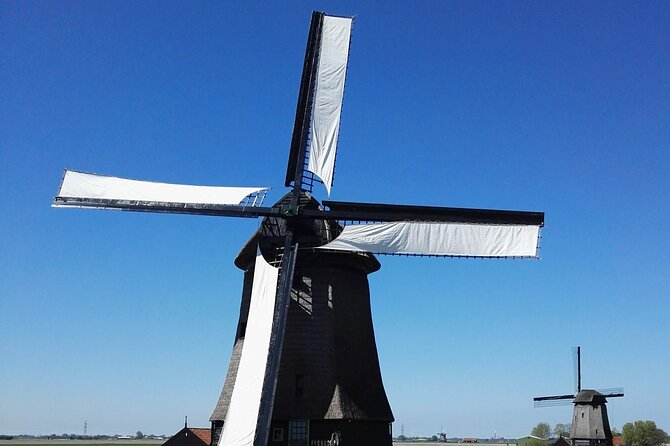
Your Amsterdam portion starts with a car drive through the historical center. It’s designed to get you oriented fast. Even if you’ve been in Amsterdam before, this kind of drive-by with context helps the city click into place: you’re not just watching buildings slide by—you’re learning why they’re there.
Dam Square is where the guide brings you into the story of the city’s origins and explains major landmarks like the 17th century Royal Palace and the Nieuwe Kerk (New Church). This is a good first stop because it gives you a map in your head. Once you know what you’re looking at, the rest of Amsterdam becomes easier to read.
Next comes the Canal Belt—the 17th century Canal Ring that wraps around the medieval center like a web. You’ll get explanations that go beyond postcard facts, including how the canal network was developed and for whom. Then you’ll pass through areas tied to different chapters of the city’s past, including the Jewish Quarter and Jordan neighborhood.
The big plus of this approach
A drive-through with the option to park and walk when you want saves time and stress. You can stretch your legs without committing to a long walking loop that might not match your energy level that day.
A consideration
If you strongly prefer walking as your main mode, expect a lot of the Amsterdam segment to be car-first. You can switch to strolls at points, but the structure is built around maximizing stops in limited time.
Jordan and the “other” Amsterdam side you’ll actually remember
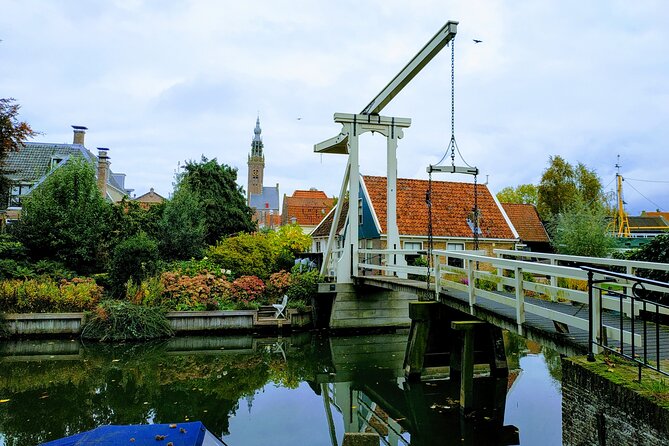
One of the most interesting parts of the Amsterdam morning is the Jordan neighborhood framing. You learn that it was built in the early 17th century and once housed both working-class residents and immigrants and refugees arriving from across Europe. Today, it’s more student-and-artist leaning, with a lively local feel.
Why I like that for visitors: it helps you avoid the one-note Amsterdam impression. Instead of seeing only canals and famous viewpoints, you’re also seeing Amsterdam as a city people moved through—during hard times, during new starts, and as communities changed over centuries.
You’ll also pass through the 9 Streets area and Old Town zones. The way this tour works, you’re shown the famous sights without treating the less-famous streets as filler. And yes, you also go by the Red Light district as part of the broader old-city circuit.
You can also read our reviews of more tours and experiences in Amsterdam






A quick tip
If you’d rather not spend time looking at that particular scene, you can say so early. Since the tour stays flexible, you can usually adjust how much time you linger at any one place.
Canal Belt to old town: how the guide turns streets into meaning
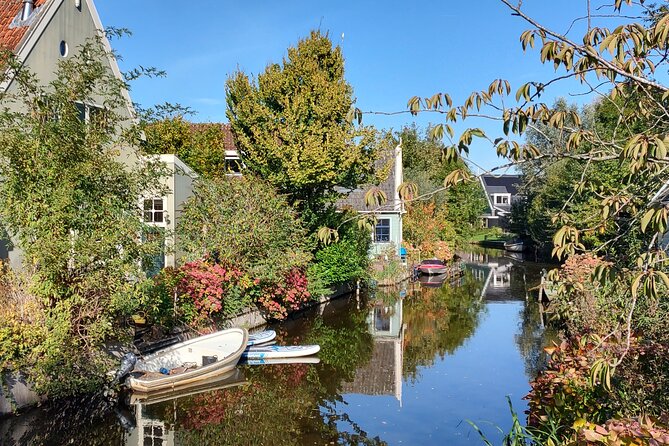
One of the reasons this day tour feels satisfying is how it connects the dots. The Canal Belt isn’t just scenery—it’s explained as a planning choice that shaped daily life. That kind of context is what transforms “I saw canals” into “I understand why this city looks like this.”
In Amsterdam, tiny changes in location often signal big shifts in era and social structure. With the drive plus selective walking, you’re less likely to get lost in a sea of pretty facades. You get mental anchors: Dam Square, a sense of the Canal Ring’s design, and then a sweep through neighborhoods that show different eras of Amsterdam’s growth.
And because your guide is in your car with you, you can ask questions in plain, direct ways. You don’t need to hunt down a museum ticket to get the story.
Waterland north of Amsterdam: dikes, windmills, and the real Holland feel
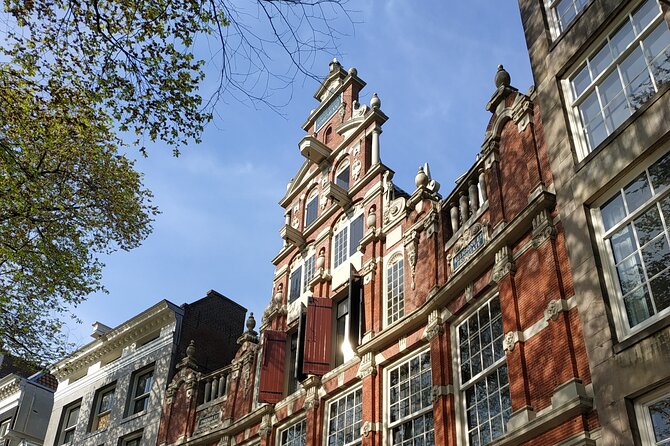
After Amsterdam, you head north into Waterland, an area designed here for off-the-beaten-track time. The difference is immediate when the city fades and you’re looking at lush green meadows, grazing cattle, dikes and ditches, locks, old farmhouses, and those classic Dutch windmills.
The tour’s wording calls out the goal clearly: you’re supposed to experience Holland as something more than a canal-photo backdrop. Waterland gives you that “how the land works” feel. It’s not just pretty—it’s functional. Dikes, canals, locks, and water management are part of why these towns exist where they do.
UNESCO context and a windmill inside visit
You also get a scheduled visit connected to the Beemster and Schermerpolder UNESCO area, including a chance to go inside a working 17th century windmill. The key timing detail is that the windmill is open from April to October, except on Mondays. So plan around the calendar: if you’re traveling outside those months, you’ll want to ask what’s still possible for that day.
A smart food bonus: free cheese tasting
There’s also a free cheese tasting at an organic farm as part of the countryside program. Even if you’re not a big cheese person, this usually works as a short, low-effort cultural break. It turns the day from sightseeing into a taste of the region’s way of life.
Edam and Monnickendam: quick walking, classic cheese towns
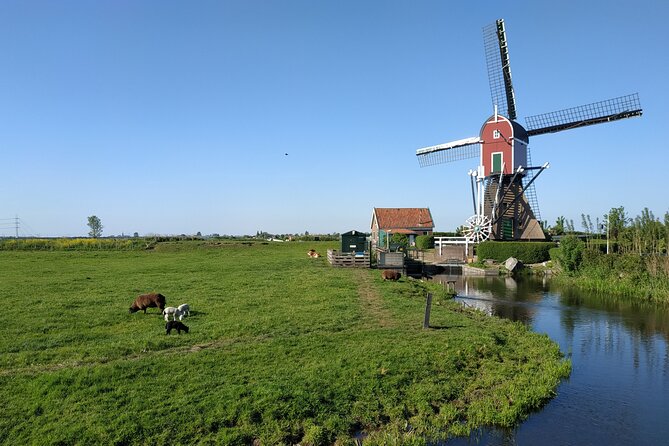
Edam is the cheese town stop that keeps things simple. You get a short walking tour of about 15 minutes, just enough to orient you and see the historical feel without dragging the day longer than it needs to be. If you want lunch, you can add a meal here, but it’s not included.
Then comes Monnickendam, a picturesque old fisher town that’s described as still not overwhelmed by tourists. You can choose a drive-through view or a stroll. Nearby, there’s another organic-farm moment if you want it: a free cheese tasting option again at that stop.
What works well here
These two towns act like “breathing spaces” after Amsterdam. You’re not racing from one massive site to another. Instead, you get quick context and then the chance to decide how long you want to stay.
What to watch
Because both are shorter stops, your experience depends on how you use the time. If you want photos, tell the guide early. If you want lunch, plan to keep it quick so you don’t lose time later for Marken.
Marken on foot: the calm island feel (and the only real walk of the day)
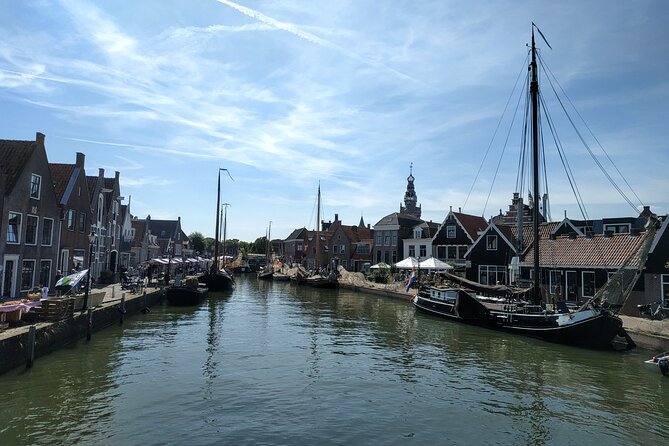
Marken is set up very differently from Edam and Monnickendam. It’s described as a former fisher’s island where the streets are for walking. You’ll explore on foot via narrow streets leading toward a little old port. The walk is about 30 minutes, and that time is built into the plan.
This is one of the better moments of the day if you like places that feel slightly removed from the big-city rhythm. The guide also shares the turbulent history of this isolated place, which makes the island layout feel purposeful instead of random.
A practical note
Bring comfortable shoes. Even though it’s not described as a long hike, it’s a walking segment where you’ll want stable footing for cobblestones or uneven ground.
Broek in Waterland: a 30-minute water village stop
Broek in Waterland is timed as a shorter visit—about 30 minutes. You can drive through the water village or step out for a stroll if you prefer. This is the kind of stop that works as a palate cleanser after Marken. You see another angle of how water shapes Dutch life, without the time pressure of a longer town walk.
Because it’s short, it also functions as flexibility insurance. If earlier stops run long (photos, snacks, extra time near the windmill), you’ve still got room in the schedule. Or if you feel tired, you can make it a quick scenic pass instead of a walk.
Comfort, timing, and getting the most out of a 7–8 hour day
A tour that mixes Amsterdam and countryside is all about pacing. This one is structured so you’re not overwhelmed by constant walking. You get the heavy sightseeing work done by car, with walk options you can choose. That’s a big deal for people who don’t want to spend a whole day on their feet.
Eric’s approach also comes through in feedback: the day feels customized to the pair or small group you bring, and there are small comforts built in like snacks and drinks during the driving portions. One review notes he brought snacks, water, and treats, and another mentions chilled beverage selection. That kind of thoughtful touch makes long transit segments feel less like waiting.
There’s also clear evidence the guide can accommodate physical limitations by adjusting how the day is handled. You shouldn’t assume every walking area can be skipped, but it does suggest you’ll get honest guidance about what works for your needs.
When this timing makes sense
The tour is about 7–8 hours, with specific stop durations. That means you get a full day of highlights without needing an overnight trip. If you’re on a tight itinerary in Amsterdam—say, just a few days—this is a strong way to see more than the canal belt.
Who should book it
- Couples who want Amsterdam plus countryside without changing trains and schedules
- Small groups up to three who want comfort and flexibility
- People who like history explained in everyday language, tied to streets and landmarks
- Visitors who want classic Dutch towns like Edam and Marken in one shot
Price and value: $725 for up to 3 people, and when it’s worth it
Let’s be plain. $725 per group is not a budget excursion. But it can still be good value because you’re paying for a private car, a dedicated guide for the entire day, and the ability to string together multiple locations efficiently.
Here’s the math that helps most people decide:
- If you split with three people, the cost becomes about $242 per person.
- If you’re two, it’s about $363 per person.
- If you’re one, it’s $725, and at that point it’s mainly a comfort-and-efficiency purchase.
So the value question is really: do you want to pay for time saved and comfort gained? If your alternative is piecing together public transport, hiring separate guides, and losing half your day to logistics, this price stops looking as aggressive.
If you’re the type who’s happy with a self-guided city day and a separate countryside day later, you might find this less necessary. But if you only have one day to do both Amsterdam and Waterland, private starts to look like the sensible choice.
Should you book this Amsterdam and Waterland luxury tour?
If you want one day that includes Amsterdam landmarks and the countryside villages north of the city—without turning your trip into a transit project—this is a great match. The private Lexus transfer is a real quality-of-life upgrade, and the flexible pacing is the difference between a day that feels rigid and one that feels like it was built around you.
I’d especially consider booking if you’re traveling with someone who enjoys structure but also likes options—short walks, scenic stops, and a guide who can answer questions while you’re moving.
Skip it (or at least ask hard questions first) if your priority is minimizing cost or maximizing hours on foot in Amsterdam only. This tour is built to cover more ground with less walking stress.
FAQ
FAQ
How many people are included in the private tour?
It’s a private tour, so only your group participates. The group size is up to 3 people.
Where can pickup and drop-off happen?
You can be picked up from any location in The Netherlands, and after the tour you can be dropped off at any location of your preference.
What language is the tour offered in?
The tour is offered in English.
How long is the tour?
The duration is about 7 to 8 hours.
What will we see in Amsterdam?
You’ll do a car drive through the historical center and see highlights such as Dam Square, the Canal Belt area, the Jewish Quarter, Jordan neighborhood, the 9 Streets, Old town, and the Red Light district. You can also park and stroll whenever you wish.
Which towns are visited in Waterland?
The countryside portion includes Waterland and towns such as Edam, Monnickendam, Marken, Broek in Waterland, and more.
Is the windmill visit included?
A visit inside a working 17th century windmill is on the program, and it’s open from April to October, except on Mondays.
Is there any walking?
Yes. Amsterdam includes optional strolling, while Marken is explored by foot with a scenic walk of about 30 minutes. Edam includes a short walk of about 15 minutes, and Broek in Waterland offers a choice to stroll or just drive through.