REVIEW · AMSTERDAM
Amsterdam: Private Anne Frank and Jewish Quarter Tour
Book on GetYourGuide →Operated by Trigger Tours · Bookable on GetYourGuide
Anne Frank history starts on a pier. This 2-hour private Jewish Quarter walk connects streets you can still stand on with the story behind the diary, from her family’s background to how her father helped publish it for the world. I love the way the route packs major stops—Portuguese Synagogue and key memorials—into a short, easy-to-follow walk. One thing to consider: this tour does not include Anne Frank House entrance tickets, so you’ll need to plan that visit separately if you want to go inside.
You’ll meet at the Hermitage Pier by the Amstel River, then head through historic neighborhoods where Jewish life shaped Amsterdam for centuries. Guides including Aaron and James get praised for making a heavy subject feel careful but still engaging, with time for questions and respectful pacing.
The walk ends at the Anne Frank House area. Think of it as the powerful setup for a full visit—great if you want context fast, and helpful if you’re deciding whether to book tickets for inside.
In This Review
- Key things that make this tour worth your time
- Hermitage Pier start: why this meeting point matters
- Nieuwmarkt and Lastage: Amsterdam’s Jewish Quarter in living streets
- Auschwitz Monument: meeting the darkest chapter with care and structure
- Portuguese Synagogue and Zuiderkerk: faith, identity, and city geometry
- Joods Historisch Museum and The Dokwerker: community, culture, and work
- National Holocaust Names Monument: learning to read names and space
- Anne Frank House area: how the diary story ties the whole walk together
- Price and value: what $25 buys you in real-world terms
- Who this tour is for (and who might want a different pace)
- How to get the most from your guide during the walk
- Should you book? My honest take
- FAQ
- FAQ
- How long is the Amsterdam Private Anne Frank and Jewish Quarter Tour?
- What does the tour cost?
- Where do I meet the guide?
- What’s included in the price?
- Are entrance tickets to the Anne Frank House included?
- What are the main highlights I should expect?
- Is the tour offered in multiple languages?
- Is the tour private, or can it be a small group?
- Can I cancel and get a refund?
- Is food included?
Key things that make this tour worth your time
- A tight 2-hour format that still covers diary history, hiding, and post-war aftermath
- Memorial-first storytelling, with Holocaust sites you can see on foot
- Landmarks you’d miss on your own, like the Portuguese Synagogue area and Jewish cultural museums
- Small-group energy, with guides like Aaron, James, and Andrea called out for interaction and Q&A
- Clear link to the diary’s fame, including what happened after the war
Hermitage Pier start: why this meeting point matters
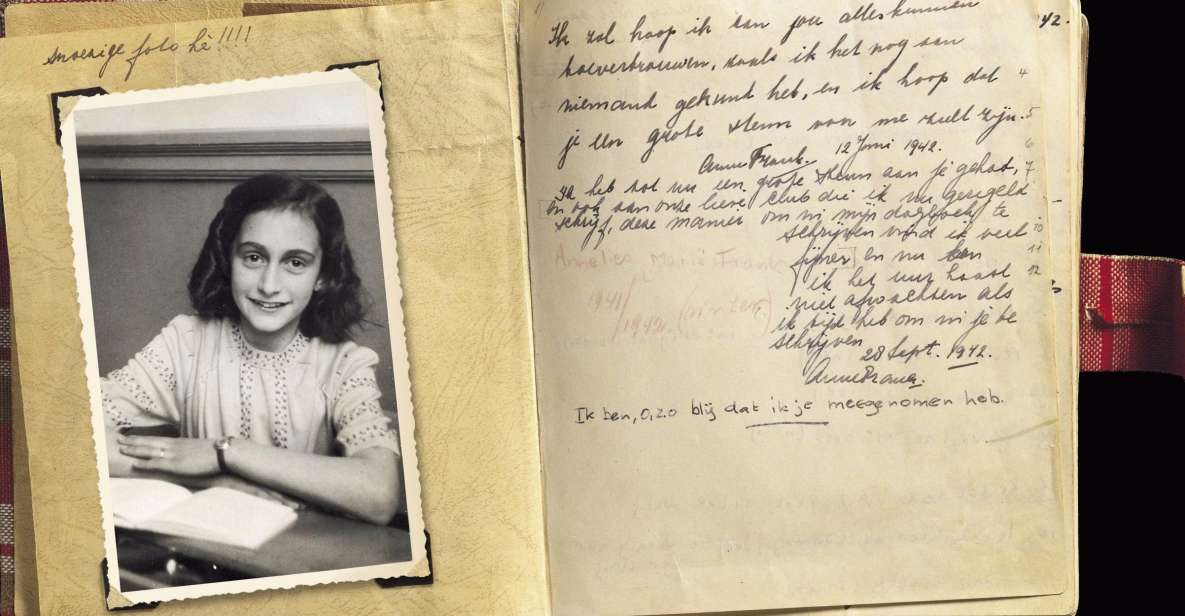
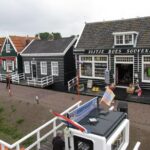
The experience begins at the Hermitage Pier, right in front of the main entrance of the H’ART Museum, next to the Amstel River. That location is handy because you’re starting in a place that’s easy to find and easy to orient from. You’re not wandering around trying to locate a random side street—your guide can get you moving quickly.
A good short tour depends on momentum. Here, the meeting point helps you start on time and head straight toward the Jewish Quarter sights without burning time on logistics.
If you’re the type who likes to understand a city through its buildings and street patterns, you’ll likely appreciate how the guide frames the walk. The early minutes set up why these neighborhoods matter, not just what you’re supposed to look at.
You can also read our reviews of more private tours in Amsterdam


Nieuwmarkt and Lastage: Amsterdam’s Jewish Quarter in living streets
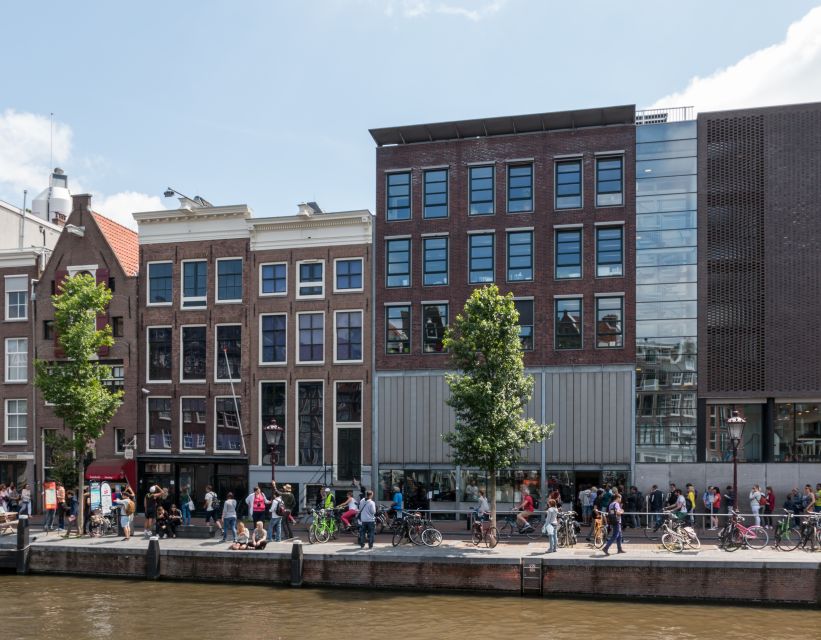
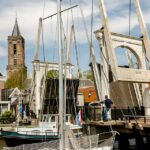
The tour moves into Nieuwmarkt en Lastage, a neighborhood that has long been tied to Amsterdam’s Jewish community. Even if you only have two hours, you’ll get a sense of how the Jewish Quarter developed and changed over time—centuries of history condensed into a walk you can picture.
This is where the story becomes more than a biography. You start hearing how Jewish life in Amsterdam took shape, and how later events forced brutal, irreversible change. The guide also covers Anne Frank’s circumstances in Amsterdam during the 1930s and 1940s, including her move from Germany and the family relationships that framed her writing.
Practical takeaway: when you reach the memorials and synagogues later, you’ll have more context for why those places are emotionally charged. Without this neighborhood grounding, many visitors just see landmarks. With it, you start to see a map of lives.
Auschwitz Monument: meeting the darkest chapter with care and structure
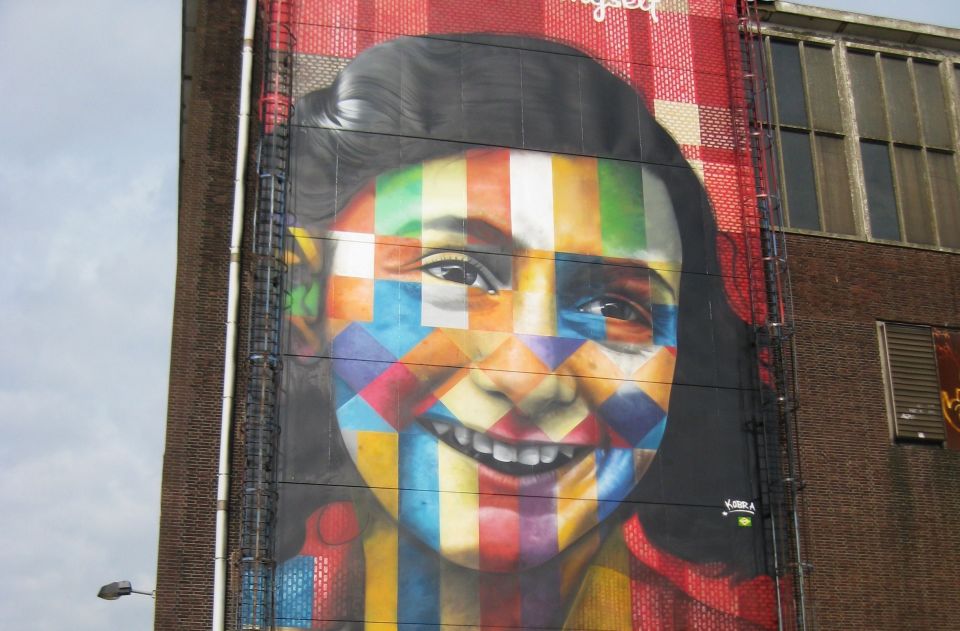
Next up is the Auschwitz Monument in Amsterdam. This stop turns the volume down in the best way. The subject is unsparing, and the tour format matters: it’s short enough to keep you from getting lost, but structured enough that you don’t feel thrown into the hardest part without a guide’s framing.
From the reviews, one theme comes up again and again: guides handle the topic with respect and pacing, and they’re careful about turning something sombre into something you can actually process. You’ll also hear what connected events meant for Jewish people in Amsterdam during WWII.
Why this stop matters for value: memorials can feel like checklist photos if you don’t know what you’re looking at. Here, the monument is used as a turning point—so later, when the tour reaches Anne Frank’s story, it lands with more weight.
Portuguese Synagogue and Zuiderkerk: faith, identity, and city geometry
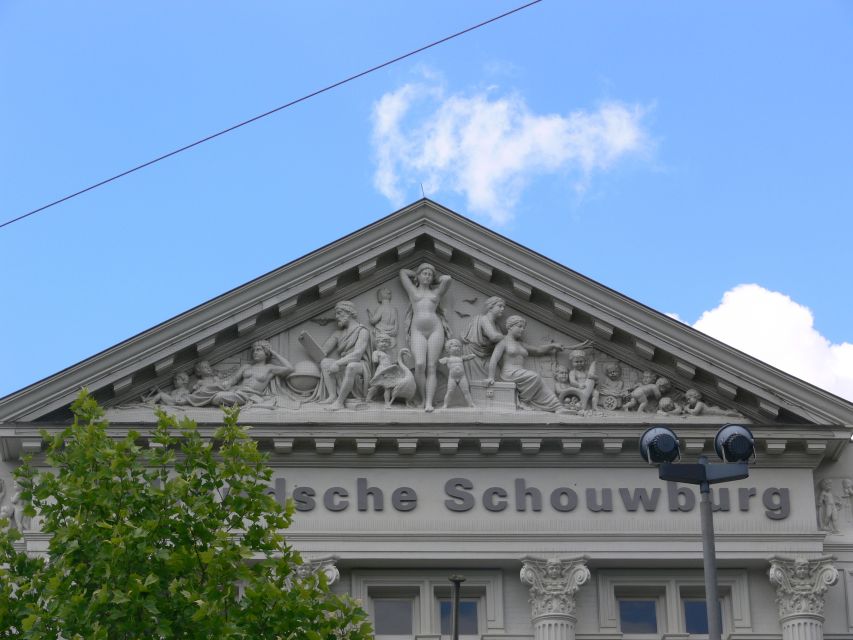
After the memorial stop, the tour heads to the Portuguese Synagogue. This is one of the most recognizable Jewish landmarks in the area and a powerful contrast point after Auschwitz Monument. Synagogues don’t just represent tragedy; they represent community, tradition, and the everyday strength of belief.
Then comes Zuiderkerk. It’s not a Jewish site, but it’s part of the same urban story—how Amsterdam’s neighborhoods sit beside each other and how history layers itself. Your guide uses this kind of stop to show that the Jewish Quarter wasn’t isolated. It was part of the city’s physical and social fabric.
If you like seeing architecture as a form of storytelling, you’ll probably enjoy these segments. They help you understand that this wasn’t only a WWII chapter—it was a long-running community history that shaped Amsterdam’s streets and identity.
Joods Historisch Museum and The Dokwerker: community, culture, and work
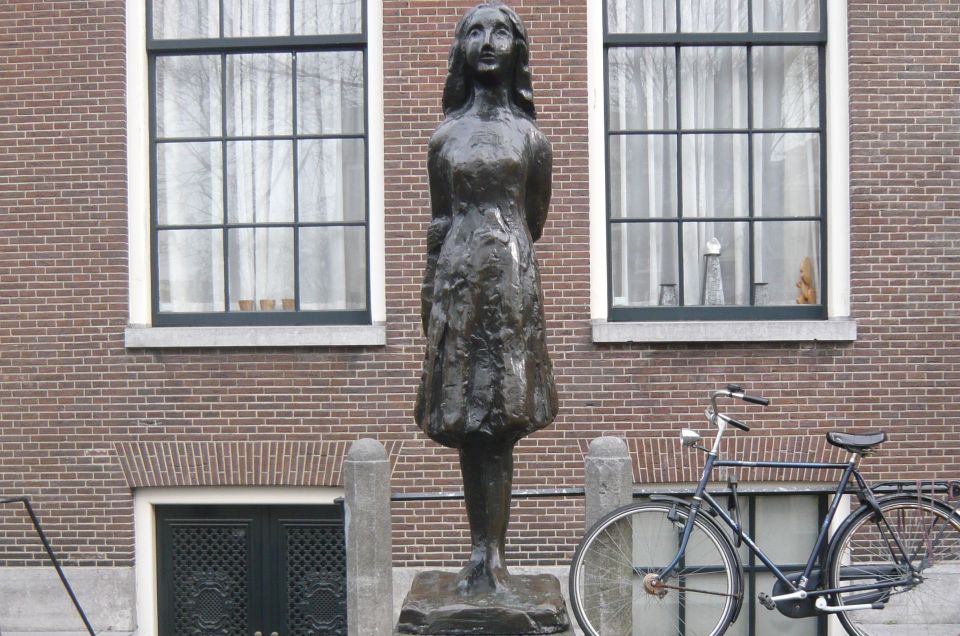
The Jewish Historical Museum (Joods Historisch Museum) is a key educational stop. Even without going into deep exhibit detail, a good guide can help you connect what you see nearby to the broader timeline of Jewish life in Amsterdam.
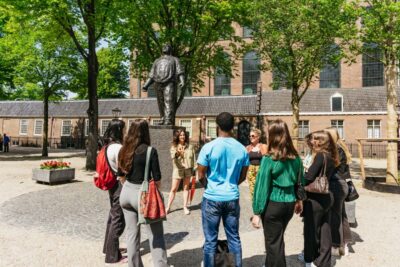
Then the tour includes The Dokwerker. The name alone signals “work and people,” and that’s exactly the point: communities are built by daily routines as much as by official history. It’s also a reminder that WWII didn’t only attack beliefs and symbols—it targeted people’s lives and livelihoods.
If you’ve read about Anne Frank mostly as a diary and a story of hiding, these museum-and-work stops help you widen the lens. You start picturing the ordinary world that existed before the catastrophe narrowed everything.






National Holocaust Names Monument: learning to read names and space
The route continues to the National Holocaust Names Monument. This stop can feel especially immediate because of how memorials work: they force you to slow down and look. Your guide’s job here is to give structure so the experience doesn’t become pure overwhelm.
In the reviews, people repeatedly praised guides for doing exactly that—keeping the tone compassionate, answering questions, and staying sensitive to pacing. If you’re the kind of person who processes by asking why, you’ll likely appreciate that this tour invites conversation.
What you’ll likely remember: the way the guide links places in Amsterdam to broader WWII history, while also bringing it back to the Anne Frank story—who she was, what her family faced, and how the diary became a worldwide document after the war.
Anne Frank House area: how the diary story ties the whole walk together
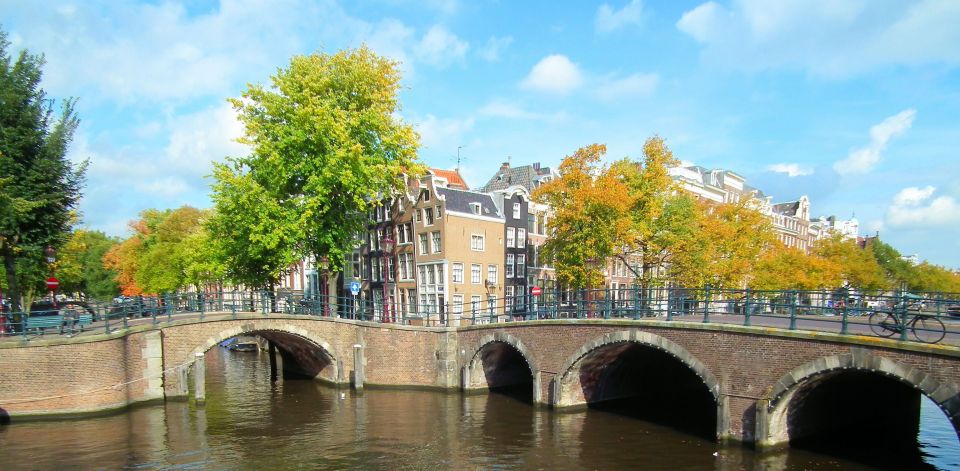
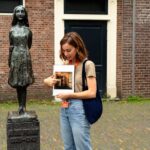
The tour ends at the house of Anne Frank area. This is where the “why” finally clicks across the whole route: you’ve seen Jewish Quarter landmarks, you’ve visited Holocaust memorial sites, and you’ve heard the diary’s context.
Your guide covers the core Anne Frank details that make this story so powerful:
- her love of writing
- her family background and relationships
- her move from Germany to Amsterdam
- the time she was hiding during WWII
- what her father did after the war
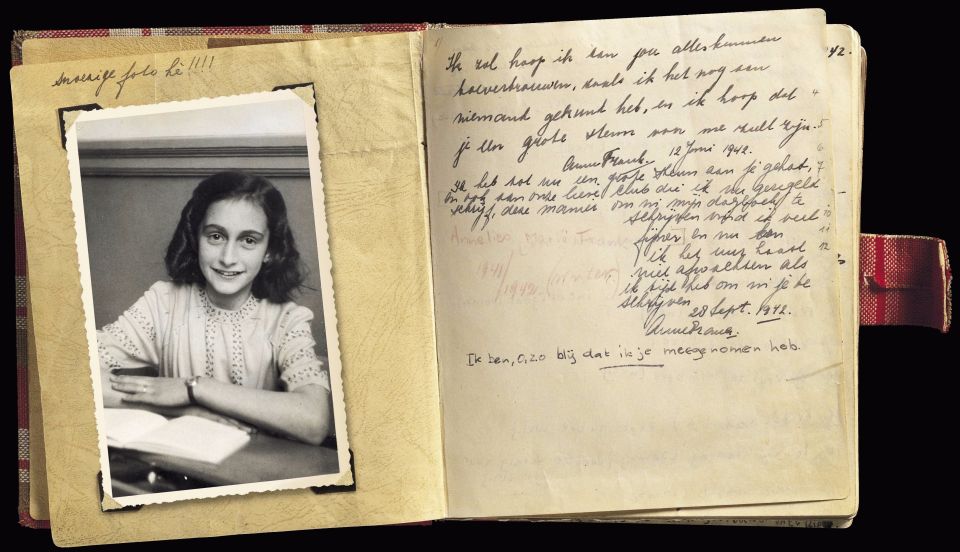
- how the diary gained worldwide fame
There’s also mention of “secret hiding places” where the writer sought refuge during the Dutch resistance. Your guide uses these moments to connect Anne Frank’s personal experience to the reality of survival in occupied Europe.
Important note for your planning: entrance tickets to the Anne Frank House are not included. So the tour concludes near it, not inside. If you want to go in, treat this as your prequel—book tickets separately and expect the museum visit to feel much more meaningful after the streets-level context you just walked through.
Price and value: what $25 buys you in real-world terms
At $25 per person for a 2-hour private walking tour, the value mostly comes from two things: time and interpretation.
First, two hours in Amsterdam sounds short until you look at what’s actually covered. You’re moving between multiple meaningful locations—Jewish Quarter neighborhood streets, a synagogue area, a museum stop, and Holocaust memorials—plus the Anne Frank diary story thread that connects it all. For many people, that beats piecing things together solo, especially when you want context without doing homework first.
Second, you’re paying for a guide who can manage tone and pace. Reviewers repeatedly singled out guides like Aaron and James for delivering a lot of information in limited time, making the subject manageable without losing respect. If you’ve ever walked a memorial route alone, you know how easily it becomes silent photos with missing meaning. A well-led tour changes that.
Food and drinks are not included. So if you’re planning this on a full day, you’ll want to pair it with a nearby meal before or after, depending on your schedule.
Who this tour is for (and who might want a different pace)
This works best if you:
- want a focused 2-hour immersion into Anne Frank and Amsterdam’s Jewish Quarter
- prefer walking between real places instead of only reading about them
- value a guide who can handle WWII topics carefully and clearly
- like tours that leave room for questions
You might consider another format if you’re mainly looking for museum time. Since entrance tickets to the Anne Frank House aren’t included, you’ll still need a separate ticket if that’s your priority.
It’s also a strong choice for couples, friends, and small groups because a private or small-group format usually makes it easier to ask questions and adjust pace at memorial sites. Several reviews praised the guides for sensitivity and responsiveness to individual needs, which matters on emotionally heavy routes.
How to get the most from your guide during the walk
Here are a few practical habits that make a tour like this land better:
- Bring questions early, not late. If you’re curious about the diary’s publication story or what happened to Anne’s family after the war, asking in the first half helps the rest of the route click.
- Let the guide set the tone at memorial stops. You’ll get more meaning when you follow the pacing rather than trying to force quick answers from your own feelings.
- Take notes lightly. If you’re like me and memory fades on travel days, jot down a few names or dates the guide mentions. You don’t need a full timeline—just enough to connect the story to what you’ll see later at the Anne Frank House area.
- Wear walking shoes. The value here comes from seeing the streets and buildings, not from pausing every time your feet ask for a break.
Based on the review pattern, guides are interactive and willing to answer questions. That’s a big part of why this tour consistently scores high.
Should you book? My honest take
I’d book this tour if you want a short, structured way to understand Anne Frank and Amsterdam’s Jewish Quarter without getting lost in logistics. The memorial stops plus diary story combo is the real reason it’s worth doing: you leave with a clearer mental picture of who Anne was, what her family faced, and how her writing became world-famous.
Skip it or add a follow-up if your main goal is the Anne Frank House interior. Since entrance tickets aren’t included, you’ll want to plan that separately.
If you’re choosing between going it alone and paying for a guide, this is one of those times where the guide can change the entire experience. With guides such as Aaron and James specifically praised for engaging delivery and sensitive handling, you’re not just visiting places—you’re understanding them.
FAQ
FAQ
How long is the Amsterdam Private Anne Frank and Jewish Quarter Tour?
The tour lasts 2 hours.
What does the tour cost?
It is $25 per person.
Where do I meet the guide?
Meet your guide at the Hermitage Pier, in front of the main entrance of the H’ART Museum next to the Amstel River.
What’s included in the price?
The tour includes a local guide and a private tour.
Are entrance tickets to the Anne Frank House included?
No. Entrance tickets to the Anne Frank House are not included, and the tour ends at the house area.
What are the main highlights I should expect?
You’ll learn about Anne Frank and her family, explore the Jewish Quarter, and see sights such as the Portuguese Synagogue and Holocaust memorial locations including the Auschwitz Monument and the National Holocaust Names Monument.
Is the tour offered in multiple languages?
Yes. The live tour guide is available in English, Dutch, and Spanish.
Is the tour private, or can it be a small group?
It’s offered as private or small groups, depending on the option you select.
Can I cancel and get a refund?
Yes. Free cancellation is available up to 24 hours in advance for a full refund.
Is food included?
No. Food and drinks are not included.