REVIEW · AMSTERDAM
Amsterdam: Red Light District and Coffeeshop Culture Tour
Book on GetYourGuide →Operated by Silver Tours · Bookable on GetYourGuide
Red windows and coffee laws in one walk. This 2-hour Amsterdam walk with Silver Tours gives you a local way of seeing the Red Light District and understanding coffeeshop culture without turning it into tabloid gossip. I love that the guide explains what you’re looking at as you walk, and I love how the stories connect the streets to Dutch history and today’s rules.
The route also mixes in major landmarks and smaller, less obvious stops, so you’re not just staring at the famous parts. One consideration: the meeting point may vary, so being even a few minutes late can throw off your timing.
In This Review
- Key highlights at a glance
- Why This 2-Hour Red Light District Tour Feels Productive
- Getting Oriented With Dutch History and Oldest Amsterdam Sights
- The Streetscape Walk: Red Windows, Narrow Lanes, and an Old Church
- Coffeeshop Culture Explained: Where the Name Comes From
- Smartshops, Indoor Streets, and Less-Obvious Stops That Matter
- Learning What Working in the Windows Looks Like (Without Sensationalism)
- Price and Time: Does $29 for Two Hours Add Up?
- Logistics You Should Not Ignore: Timing and Meeting Point
- Who This Tour Fits Best
- Should You Book This Red Light District and Coffeeshop Culture Tour?
- FAQ
- How long is the Amsterdam Red Light District and coffeeshop culture tour?
- What does it cost?
- Where does the tour start?
- What language options are available?
- Is there a private group option?
- What is included in the tour?
- Is free cancellation available?
- Can I reserve without paying immediately?
Key highlights at a glance
- Local point of view: you’re guided through the district with a street-smart narrative, not a brochure script
- Historical orientation first: you start with Dutch context and older Amsterdam sights before entering the center
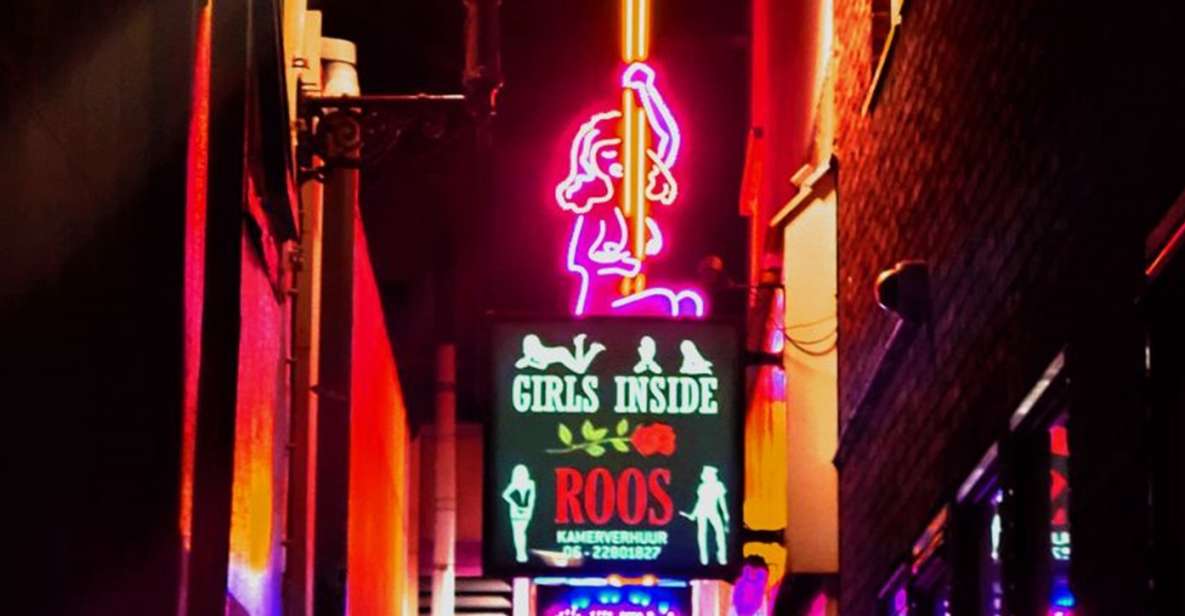
- Red windows and key landmarks: you’ll see the famous windows, an old church, and other important stops
- A coffeeshop culture explanation you can actually use: including where the term coffeeshop comes from
- Soft-drug law basics in plain language: how liberal rules shape daily life and consumption/production
- Practical walking tour feel: two hours on foot through narrow streets and tight corners
Why This 2-Hour Red Light District Tour Feels Productive
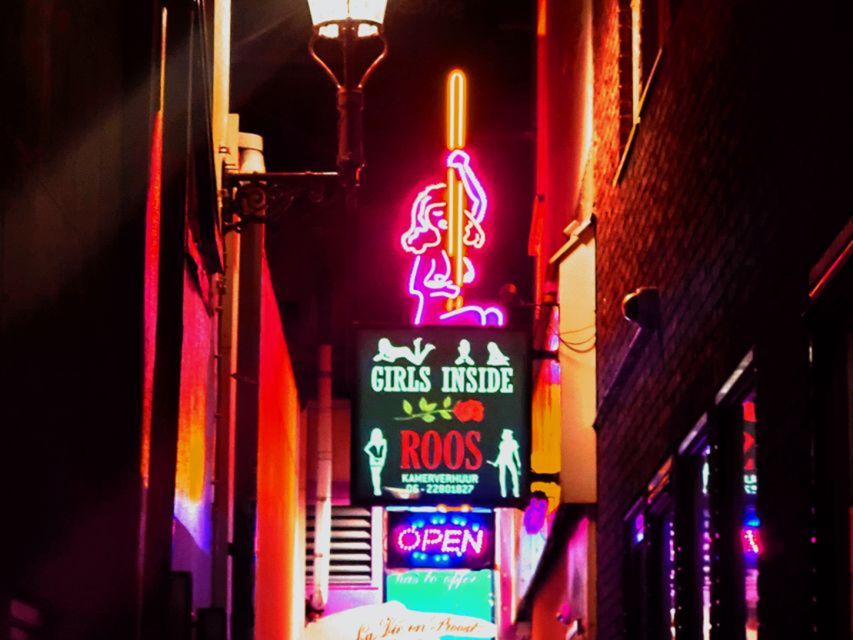
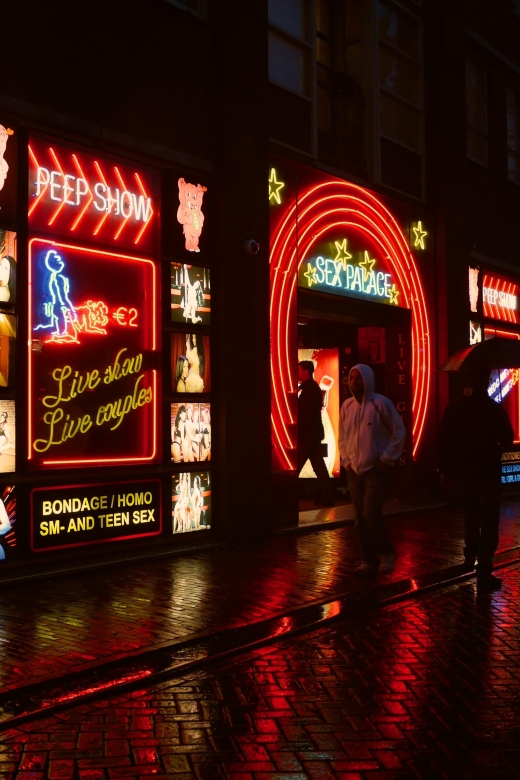
Amsterdam’s Red Light District can feel like information overload. Bright windows, side streets, shop signs, and constant motion make it hard to sort what matters. This tour’s value is its timing and focus: two hours is long enough to give you context, but short enough that you can still enjoy the neighborhood afterward with your own eyes.
I like that it’s structured as a walking story. You don’t just get told facts; you match the explanation to the street layout in front of you. The best part is that the guide treats the area as part of Amsterdam’s social history, not only as a spectacle.
Also, it’s not only about the red lights. You get a guided look at coffeeshop culture and the legal framework around soft drugs, explained directly by a live guide in German or English. That pairing is exactly why this tour works for people who feel curious but a little unsure where to start.
You can also read our reviews of more tours and experiences in Amsterdam.



Getting Oriented With Dutch History and Oldest Amsterdam Sights
You begin with a historical and cultural introduction, before you’re dropped into the center of the district. Expect the guide to give you an overview of the general history of the Netherlands and then point out older Amsterdam buildings. Even without a named monument listed here, the intention is clear: you get grounding first, then the district makes more sense when you arrive.
This matters because the Red Light District didn’t appear as a random modern attraction. It developed alongside the city’s changing life—trade, housing, law, and attitudes toward morality and regulation. When you understand that background, the streets feel less like a one-note theme park.
It also helps you navigate the environment. Amsterdam’s city center is compact and walkable, but the streets can still surprise you—especially the narrow ones. Starting with orientation means you’re not just reacting. You’re reading the city.
The Streetscape Walk: Red Windows, Narrow Lanes, and an Old Church
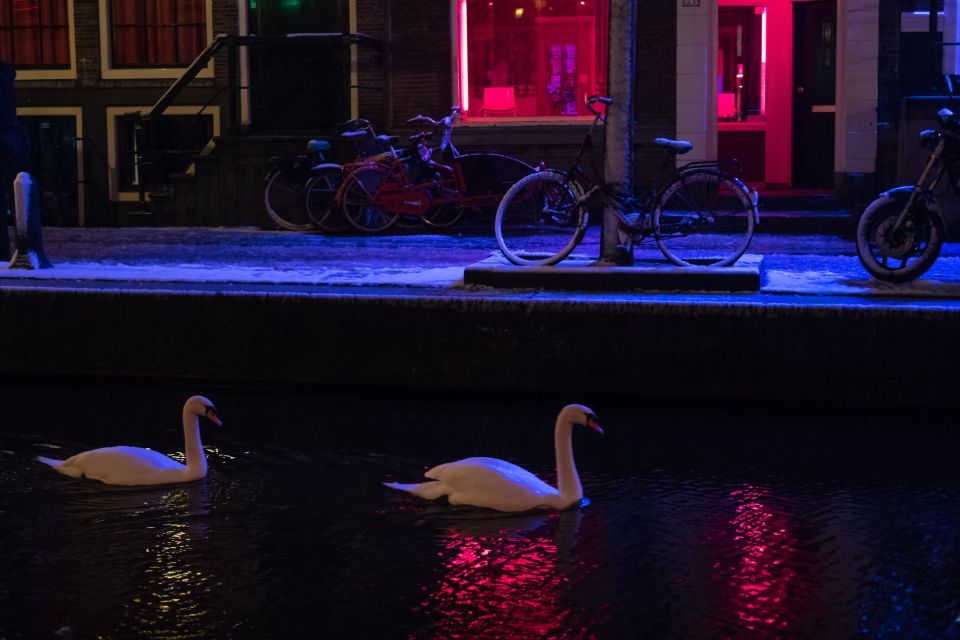
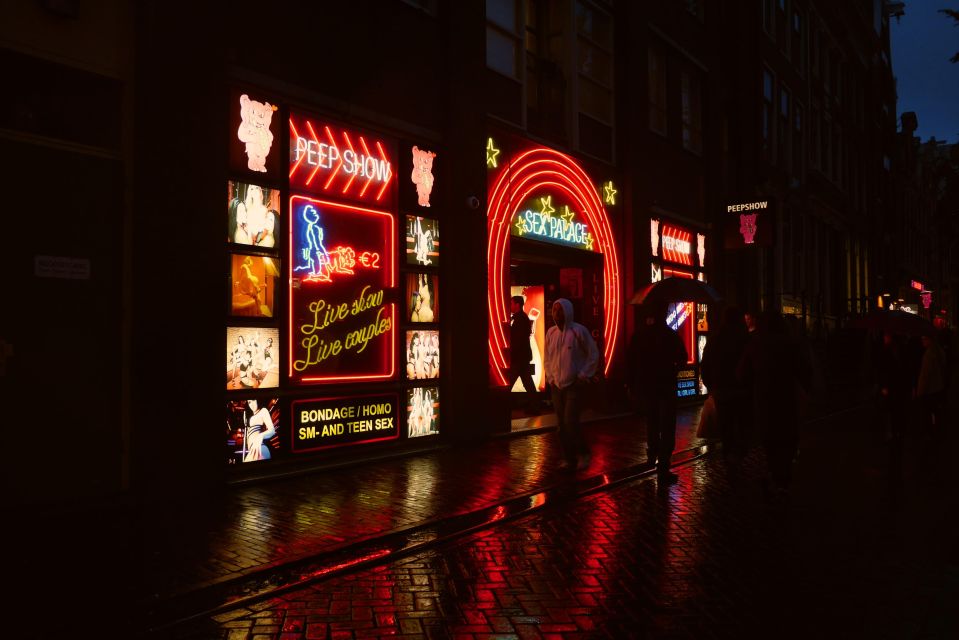
Once you move into the district, the tour leans into specific, recognizable sights. You’ll see the famous red windows and also important landmarks like an old church. That combination is useful: it shows how the district’s identity sits next to structures that long predate modern nightlife.
You’ll also get pointed out the narrowest street of Amsterdam. That sounds almost too simple, but it changes your understanding of the area. When you experience how tight and segmented the street layout is, you get why certain businesses and street patterns ended up where they did. Architecture shapes behavior, and these streets are a perfect example.
As you walk through the prostitute streets with the red lights, the guide explains both history and the current situation. I find this approach better than a purely chronological story. It lets you compare what you see now with how it arrived there in the first place.
And yes, the district includes the famous visual elements. But what makes this tour worthwhile is that the guide gives context for why those windows are there, how the neighborhood functions, and what people mean when they talk about the place beyond the headlines.
Coffeeshop Culture Explained: Where the Name Comes From
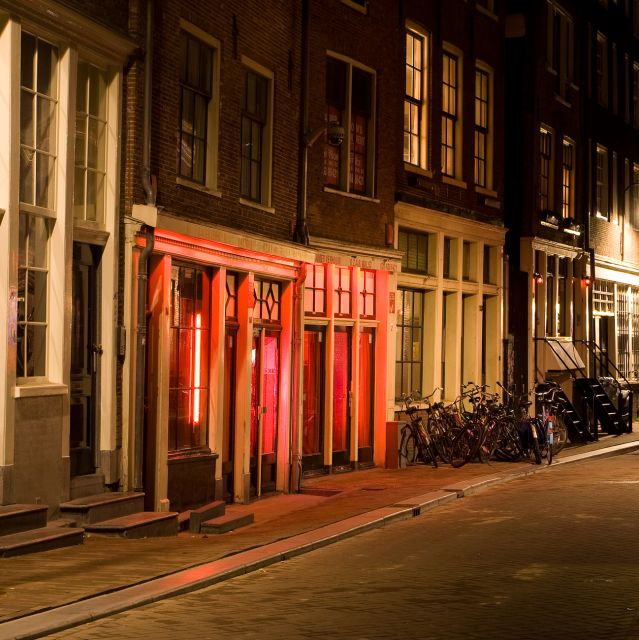
Amsterdam’s coffeeshop culture is easy to misunderstand. A lot of visitors hear the term and assume it’s either a free-for-all or a strict rulebook. This tour tries to make it clearer by focusing on the idea of a coffeeshop in Amsterdam: where the name comes from and what the culture actually looks like on the ground.
You’ll learn about the liberal laws that shape how soft drugs are handled, including points about consumption and production. The goal isn’t to turn you into a legal scholar. It’s to help you understand why the city has this unique model and how that model affects day-to-day behavior.
I appreciate that the tour treats this as part of Amsterdam’s broader approach to regulation. Whether you agree with the system or not, you’ll walk away with a better sense of how laws and public attitudes meet in real neighborhoods.
One practical takeaway: if you’ve been confused by conflicting stories online, this kind of guided explanation helps you replace rumor with structure. You’ll know what topics to ask about or look for later, without feeling totally in the dark.
Smartshops, Indoor Streets, and Less-Obvious Stops That Matter
The route doesn’t stay only on the most famous stretches. You’ll also see several district specifics that help you understand how the area caters to different interests and needs.
In the center area, you’ll spot things like:
- the first coffeeshop connected to the neighborhood’s story
- an indoor prostitute street, which shows how the district uses indoor space
- smartshops, which are part of the modern retail landscape in the area
There’s also mention of the district’s narrow streets and the overall layout, so you’re not just hearing isolated facts. You’re seeing how the neighborhood is organized and how different types of shops and streets fit into it.
I love tours that do this. It’s one thing to see a red-lit street. It’s another to notice how the district includes commercial and social spaces that serve different customers. Those details are often missed when you wander without a guide.


Learning What Working in the Windows Looks Like (Without Sensationalism)
The tour includes explanations about prostitution in the Red Light District and what it can be like working there. That’s a heavy topic, so the value is in how it’s handled: as an explanation of how the system works, not as a shock act.
Even if you’re just curious, hearing how the arrangement functions helps you understand that this is not only about image. It’s also about structure, rules, and a highly controlled setting. When you hear it framed that way, the neighborhood becomes more comprehensible.
I also think this is where a good guide makes or breaks the tour. If the guide is thoughtful, you get clarity. If they’re careless, it turns into spectacle. With this one, the standout theme is that the guide’s passion and expertise lead to detailed explanations about how the district works.
Price and Time: Does $29 for Two Hours Add Up?
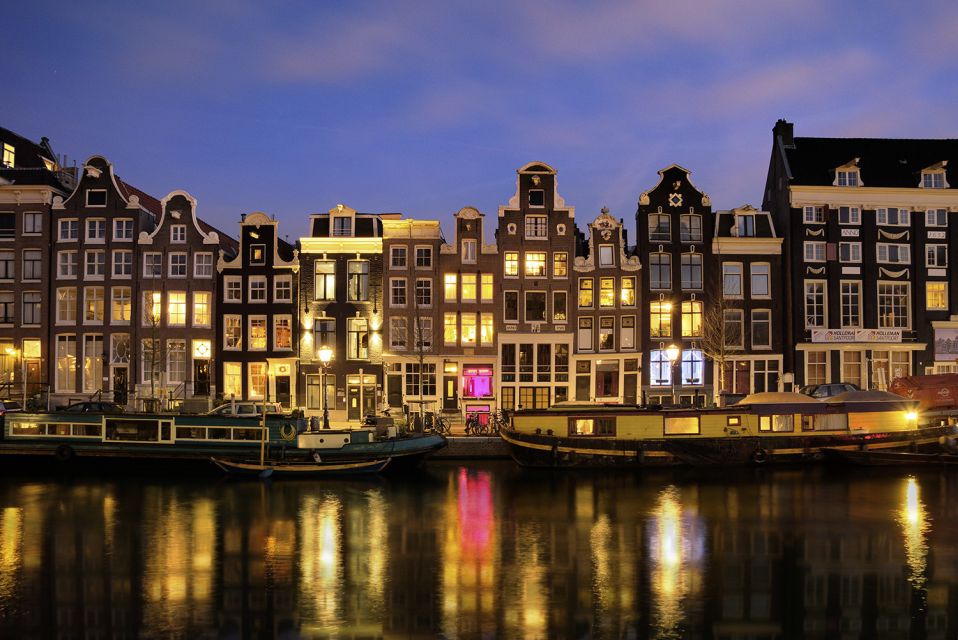
At $29 per person for a 2-hour walking tour, this is priced like a focused guided experience rather than a long-day excursion. And that’s the point. You’re paying for two things that are hard to do on your own: context and route-level interpretation.
Without a guide, you can wander the streets and still see the famous windows and shops. But you’d have to build your own understanding of Dutch history, coffeeshop culture naming, and liberal law basics. The tour compresses that into a manageable time window.
You also get a live local guide (language German or English) and a set route that covers both the historical sights and the district’s key streets. For $29, I’d call it decent value if you want structured learning rather than roaming.
If you’re the type who hates walking tours or feels uncomfortable with sensitive topics, then no price is “worth it.” But if you’re curious and open-minded, it’s an efficient use of time in Amsterdam.
Logistics You Should Not Ignore: Timing and Meeting Point
The tour is short, so timing matters. The meeting point can vary depending on the option booked, so you’ll want to confirm exactly where you need to be before you set off.
If you’re the kind of person who likes to arrive late and hope for the best, this is one of those times to change that habit. Missing the start by a small margin can mean you lose the flow of the historical introduction and then you’re catching up mid-explanation.
Also, remember it’s a walking tour in a dense area. Bring shoes that handle narrow streets and lots of turning corners. Two hours goes faster than you think when you’re moving.
Who This Tour Fits Best
This tour is a strong match for you if:
- You want a local-guided look at the Red Light District, not a distant photo spree
- You care about the social and legal context behind coffeeshop culture
- You like explanations that connect history, city layout, and what’s happening now
It’s also a decent choice if you prefer a compact itinerary. Two hours means you can still plan dinner or a museum afterward.
On the other hand, it’s probably not for you if you strongly dislike adult-oriented topics or if you’d rather learn about Amsterdam’s coffeeshops and laws in a more neutral setting. This tour specifically addresses prostitution and working life in the district, plus drug-law topics—so it’s not a light, surface-level overview.
Should You Book This Red Light District and Coffeeshop Culture Tour?
I’d book it if you want clarity fast. The tour’s best feature is that it keeps the learning connected to the street in front of you—red windows, landmark sights, narrow streets, and coffeeshop culture all in one logical walk. Add in the live guide’s explanations of liberal laws and the district’s history, and you get a practical “orientation plus understanding” experience.
Skip it if you’re easily uncomfortable with adult themes or if you’re strictly looking for only mainstream sightseeing. Otherwise, this is a solid way to turn a confusing area into something you can actually read.
FAQ
How long is the Amsterdam Red Light District and coffeeshop culture tour?
It lasts 2 hours.
What does it cost?
The price is $29 per person.
Where does the tour start?
The meeting point may vary depending on the option booked, so it’s important to check where to meet for your specific start.
What language options are available?
The live tour guide is available in German and English.
Is there a private group option?
Yes, a private group is available.
What is included in the tour?
You get a guided tour through Amsterdam and its Red Light District with a local guide.
Is free cancellation available?
Yes. You can cancel up to 24 hours in advance for a full refund.
Can I reserve without paying immediately?
Yes. You can reserve now and pay later to keep travel plans flexible.