REVIEW · AMSTERDAM
Amsterdam: The Newest Canal Cruise with Drink Option
Book on GetYourGuide →Operated by Eco Boats Amsterdam · Bookable on GetYourGuide
Amsterdam on a boat feels faster. In 60 minutes you glide through UNESCO-listed canals, guided by a local English-speaking skipper or a multilingual digital booklet, with a small group limit of 28. You’ll also get the kind of story-led route that turns big postcards into something you actually remember.
What I like most is the mix of classic sights and breathing room. You pass landmarks like the Skinny Bridge and the Dancing Houses, and the cruise is designed so you can sit back instead of fighting for elbow space.
One thing to plan for: there are no microphones on board, so on windy days you may need to ask the skipper to speak up. And if you’re using a wheelchair, this one isn’t set up for you.
In This Review
- Key things that make this cruise worth your time
- 1 Hour on the Water: What This Eco Boats Cruise Delivers
- Meet by Amsterdam Central: Finding the Dark Green Flag
- Electric Boat Comfort: Covered Seating and Weather Reality
- How the Route Rolls Out: Canal Belt, Skinny Bridge, Dancing Houses, and More
- Starting point and first glides around the canal network
- Canal Belt (Grachtengordel) and UNESCO canal scenery
- Schreierstoren Oosterdok and the Sea Palaces
- Montelbaanstoren and Oudeschans: old-city landmarks you can clock instantly
- The Amstel River: where the city opens up
- Blauwbrug Bridge: a quick photo moment with built-in context
- H’ART Museum: a modern contrast while still in the canal story
- Dancing Houses and the Skinny Bridge (De Magere Brug)
- Oude Kerk and the Red Light District area
- Zeedijk Street: finishing the story with a street-side feel
- Guide Style and What You’ll Learn Without Feeling Like Homework
- Price and Value: Why $18 Makes Sense for a First-Time Canal Hit
- Practical Tips That Improve Your Cruise Day
- Who This Cruise Fits Best
- Should You Book This Amsterdam Canal Cruise?
- FAQ
- How long is the Amsterdam canal cruise?
- Where do I meet the boat?
- What languages are available during the cruise?
- Are drinks included?
- Is the boat wheelchair accessible?
- What should I wear in Amsterdam?
Key things that make this cruise worth your time
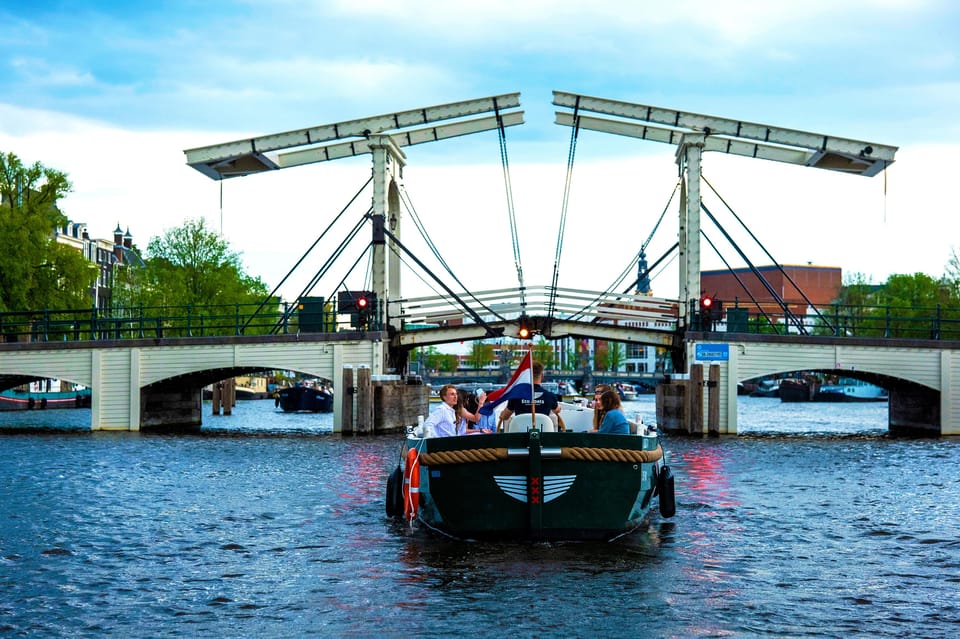
- 60-minute canal time that fits almost any schedule in central Amsterdam
- English-speaking local skipper plus a QR code digital guide in 8 languages
- Small boats (max 28 people) with a calmer feel than the big-boat circus
- Electric Eco Boats with open or partly covered seating depending on weather
- Optional drinks (beer, wine, or soft drink) with unlimited refills if selected
- Departure right by Amsterdam Central Station so you’re not adding extra transit stress
1 Hour on the Water: What This Eco Boats Cruise Delivers
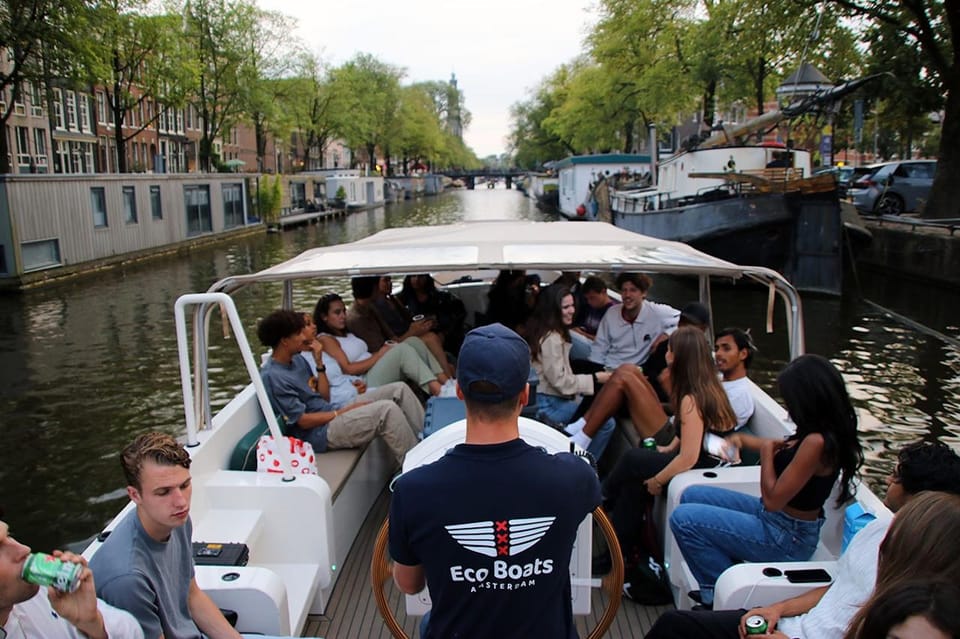
If your Amsterdam plan includes canals, this is the format that works. Not a full half-day. Not a quick drive-by either. This is a tight, story-led one-hour cruise that focuses on the most recognizable parts of the Canal Belt area and a few supporting landmarks along the Amstel.
The first practical win is the guide setup. You have a local skipper speaking English (and Dutch). If you want extra detail, you can scan the QR code for a digital booklet that covers the sights in English, Chinese, Spanish, Portuguese, Dutch, German, French, and Italian. That means your whole group can follow along even if not everyone speaks English.
Second win: the boat size. With a maximum of 28 passengers, the experience feels personal. The captain and crew can actually talk with people, and you’re not packed in like a tour-deck sardine.
The cruise also uses an electric Eco Boats vessel. That matters less for the mechanics and more for the vibe: it feels modern and clean, and it keeps the day feeling calm rather than industrial.
You can also read our reviews of more boat tours in Amsterdam

Meet by Amsterdam Central: Finding the Dark Green Flag
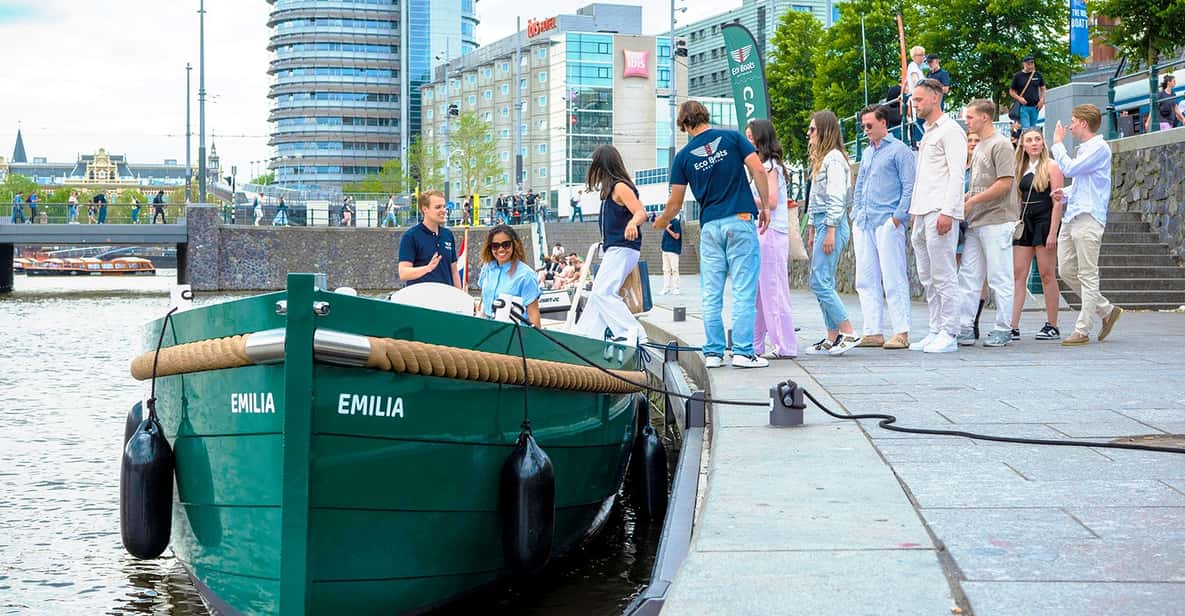
This departs in a very easy spot: in front of Amsterdam Central Station, by the tram stops at the water. When you get there, don’t wander the whole waterfront. Look for a dark green beach flag and staff wearing dark blue Eco Boats shirts.
One small but real tip: use Google Maps for the meeting point, not Apple Maps. (The tour info is explicit about this, and it’s the kind of thing that can save you 15 minutes of unnecessary walking.)
If you like simple logistics on arrival day, this is a good match. You can line it up right before dinner, after a museum, or even as a first evening plan so you get oriented fast.
Electric Boat Comfort: Covered Seating and Weather Reality
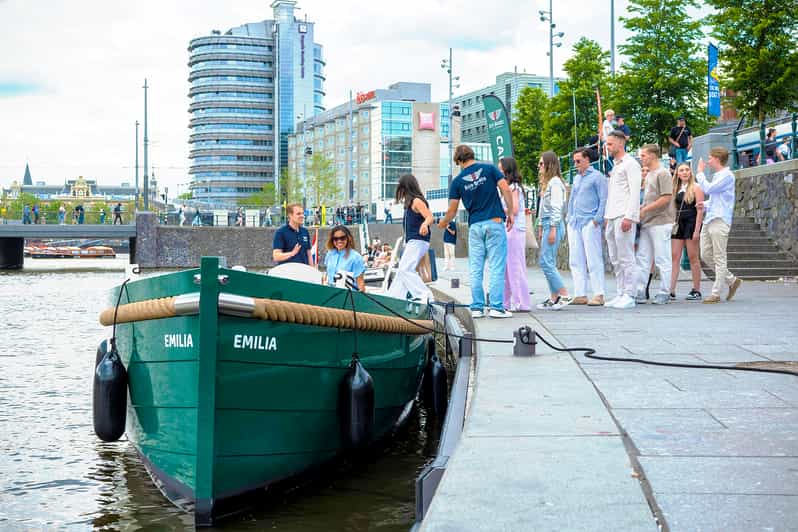
Amsterdam weather has its own schedule. One minute you’re fine; the next minute you’re a little damp, a little chilly, and questioning your life choices.
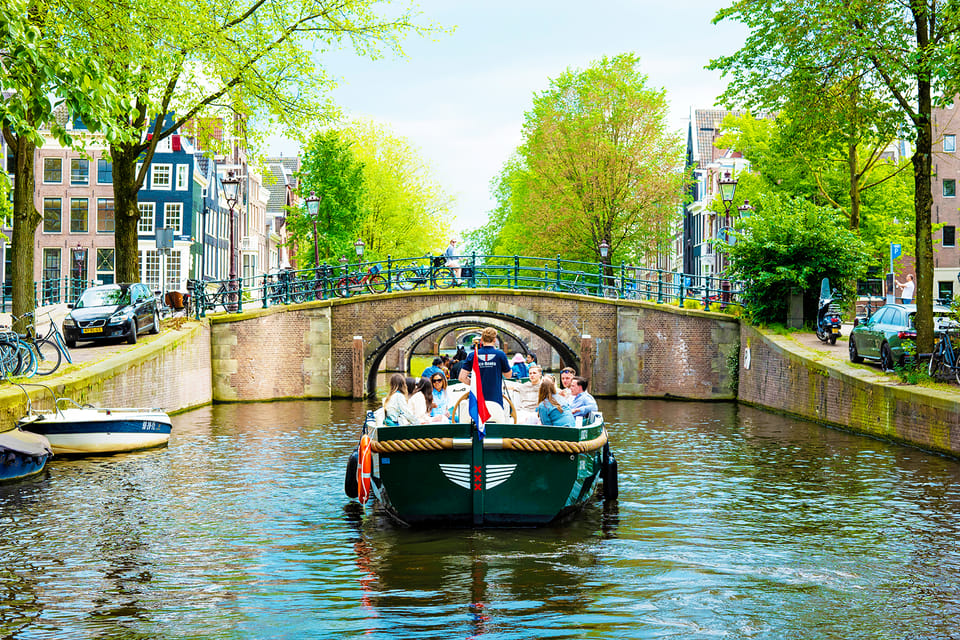
This cruise helps with that. Depending on conditions, you’ll be on an open, partly covered, or fully covered boat. So you’re not stuck fully exposed if clouds roll in.
A few review details point to comfort touches during cooler or rainy moments: people describe a cozy setup with blankets/pillows when the weather turned. Even if you’re not planning for rain, I’d still dress for a breeze on the water.
Also note one practical rule: no smoking on board.
How the Route Rolls Out: Canal Belt, Skinny Bridge, Dancing Houses, and More
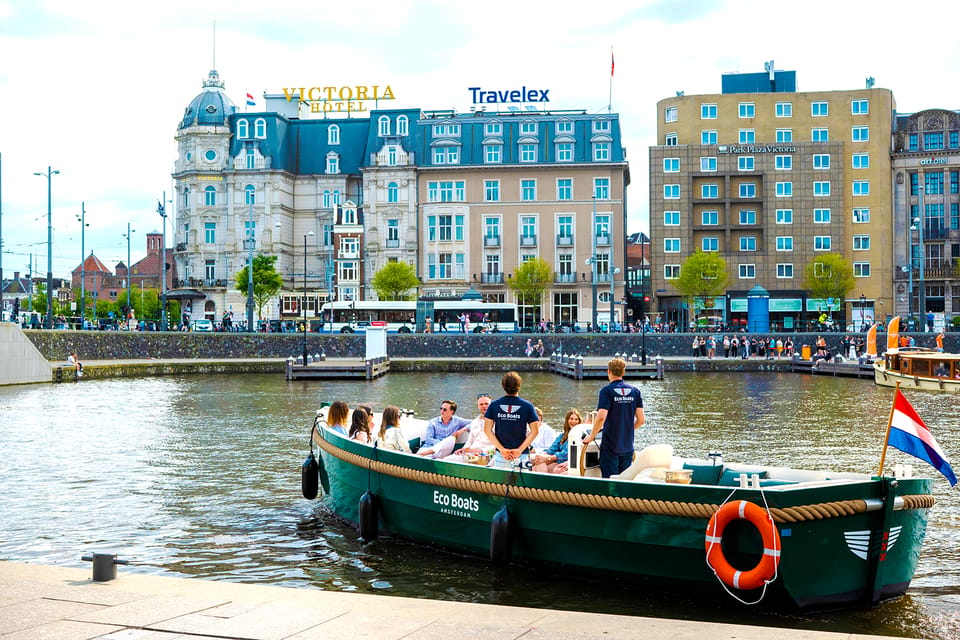
The route may vary due to external factors, so think of this as the cruise’s target highlights rather than a rigid script. Still, this is the order and the big visual hits you should expect over the full hour.
Starting point and first glides around the canal network
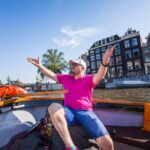
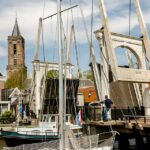
You start in the Central Station area and settle into the canal rhythm quickly. From the water, the city instantly looks different: buildings feel taller, bridges feel closer, and streets feel less like postcards and more like places with texture.


Canal Belt (Grachtengordel) and UNESCO canal scenery
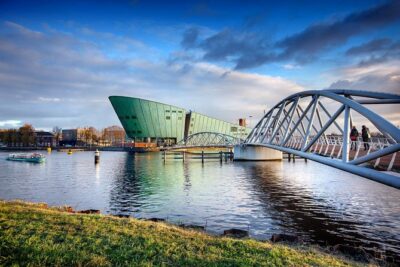
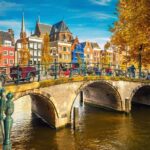
You’ll travel through the famous canal belt zone. This is the part of Amsterdam that’s all geometry and elegance: brick facades, houseboats, and canal edges that look carefully planned from above. From the boat, you also see how the canal system shapes where people built, where people live, and where water meets history.
Schreierstoren Oosterdok and the Sea Palaces
As you move along the inner waterways, you pass spots like Schreierstoren Oosterdok and Sea Palace. These aren’t just random stops—they’re markers. They help you understand that Amsterdam’s waterways are not one single neighborhood vibe. The city shifts as you go: more grand and monumental in one stretch, more working-city and mixed in another.
Montelbaanstoren and Oudeschans: old-city landmarks you can clock instantly
Next you’ll pass Montelbaanstoren and head toward Oudeschans. These are the kinds of landmarks you’ll recognize later on foot because they give you a visual anchor. The tower silhouette and the historic street-canal feel help you map Amsterdam in your head, which is exactly what you want after a first cruise.
The Amstel River: where the city opens up
When the cruise reaches the Amstel, the mood changes. The Amstel stretch feels broader and more river-like. It’s a good moment to look up and notice how the city lines the water with different building heights and different rooflines.
Blauwbrug Bridge: a quick photo moment with built-in context
You’ll glide past Blauwbrug Bridge. Bridges are where Amsterdam’s identity shows up. They’re functional, yes, but they’re also where the city’s stories show in architecture and placement. Even a brief bridge pass is useful because it tells you where you are in the system.
H’ART Museum: a modern contrast while still in the canal story
Expect H’ART Museum as part of the route. This is one of those helpful reminders that Amsterdam isn’t frozen in a single era. You’ll see the city evolve while still traveling through the older canal framework.
Dancing Houses and the Skinny Bridge (De Magere Brug)
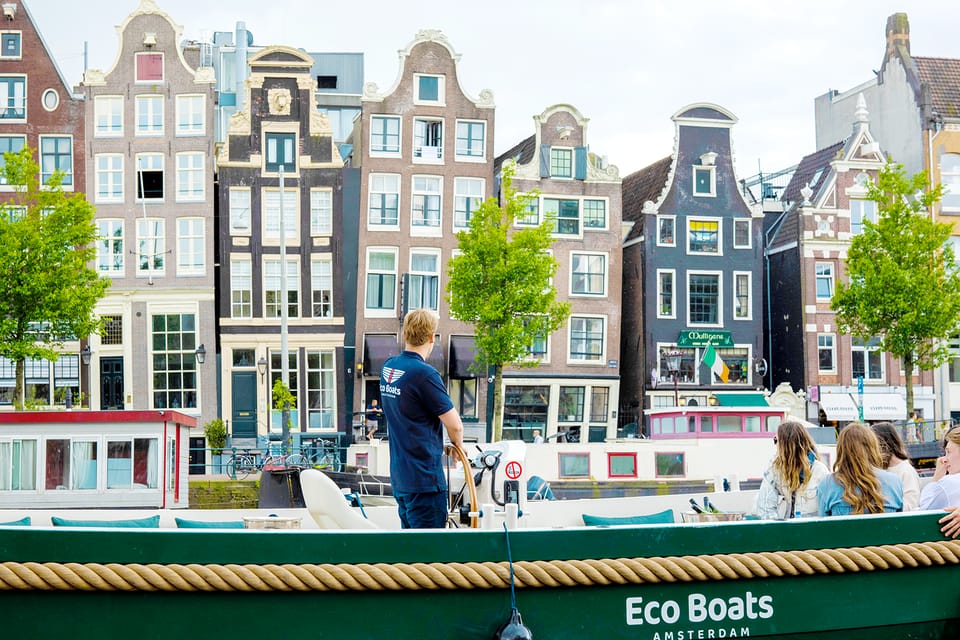
Two of the most photo-famous moments come close together: Dancing Houses and the Skinny Bridge (De Magere Brug). The Dancing Houses are memorable because the façades look like they’re leaning or moving. The Skinny Bridge is memorable because it looks delicate and precise, like the city is being careful with its design.
In both cases, the cruise format helps. On foot, you might miss the angles. From the water, you see the full relationship between bridge and buildings.
Oude Kerk and the Red Light District area
Next you pass Oude Kerk (Old Church). Even if you don’t step inside, the exterior read from water is powerful. It gives you a quick sense of Amsterdam’s older core.
Then you move toward the Red Light District area. From a canal boat, it’s different from street-level: the buildings feel more layered, and you see it as a defined urban zone rather than just a nightlife reputation. I’d treat this as a visual orientation stop and keep expectations realistic about what you can fully interpret from water.
Zeedijk Street: finishing the story with a street-side feel
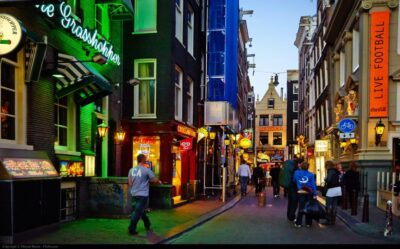
Finally, you’ll cruise by Zeedijk Street. It’s the kind of finish that makes the return to land easier to digest. Once you dock, you’ll likely feel like you know which direction to walk next.
Guide Style and What You’ll Learn Without Feeling Like Homework
The tour’s educational value comes from how the stories are delivered. The biggest theme in the strong ratings is simple: captains who make the city talk back.
Names that pop up in the reviews include Marc, Bob, Thomas, Arsene, JJ, Timon, Mark, Jean Paul, Igor, Eddy, John Paul, Anna, and Marcus. While you won’t choose your skipper from the info provided, you can expect a similar approach: clear local context, humor, and a pace that doesn’t drag.
I especially like that the setup is built for different comfort levels. You can listen to live English narration, then check the digital booklet if you want more detail later. That prevents the common canal-cruise problem where the commentary washes over you.
If you’re traveling with kids or teens, this kind of guide style can turn a 60-minute ride into something they actually stay interested in. One family-oriented note from the reviews also points to guides being flexible with audience needs.
Price and Value: Why $18 Makes Sense for a First-Time Canal Hit
At $18 per person for a 1-hour cruise, this is priced like a serious value item, especially in a city where canal experiences can get pricey fast.
Here’s the value math that matters for you:
- Duration: 1 hour is long enough to feel like a proper canal experience, short enough to fit any itinerary.
- Group size: max 28 people means you’re not paying for a crowded cattle-car version of the same route.
- Guide coverage: English live commentary plus a multilingual QR booklet means you’re not locked into one language.
- Boat type: electric Eco Boats with open/covered comfort depending on weather.
- Optional drinks: if you select the drink option, the info says unlimited drinks (beer, wine, soft drink). For groups, that can quietly make the deal better than a cheaper cruise that sells everything separately.
So I’d think of the base price as paying for the route + skipper experience, and the drink option as a bonus for when you want to slow down.
Practical Tips That Improve Your Cruise Day
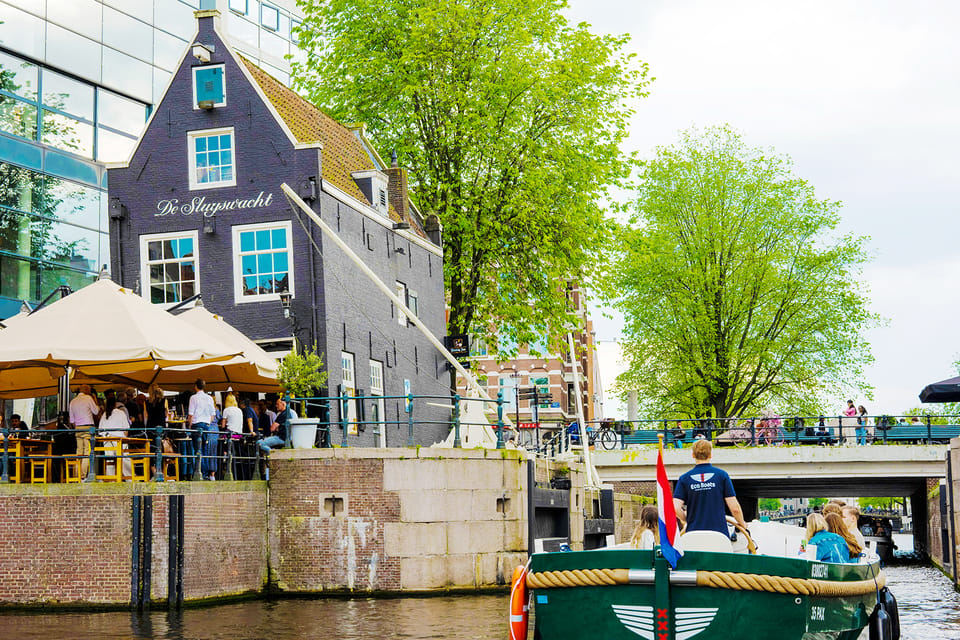
A few things can make your time easier and more enjoyable.
- Plan for wind and sound: there are no microphones on board. If you’re struggling to hear, ask the skipper to speak louder. They’re set up to help.
- Dress for the boat: even in fair weather, you’ll be on open water sometimes, so a light layer helps.
- Arrive ready to board: you’re departing at the Central Station waterfront, and you’ll want to be there before the group starts moving.
- Bring sunscreen/rain gear: the tour info recommends being ready for mixed conditions. A light rain jacket is an easy bring.
- No wheelchair access: the tour is not suitable for wheelchair users, so plan a different activity if mobility support is needed.
Who This Cruise Fits Best
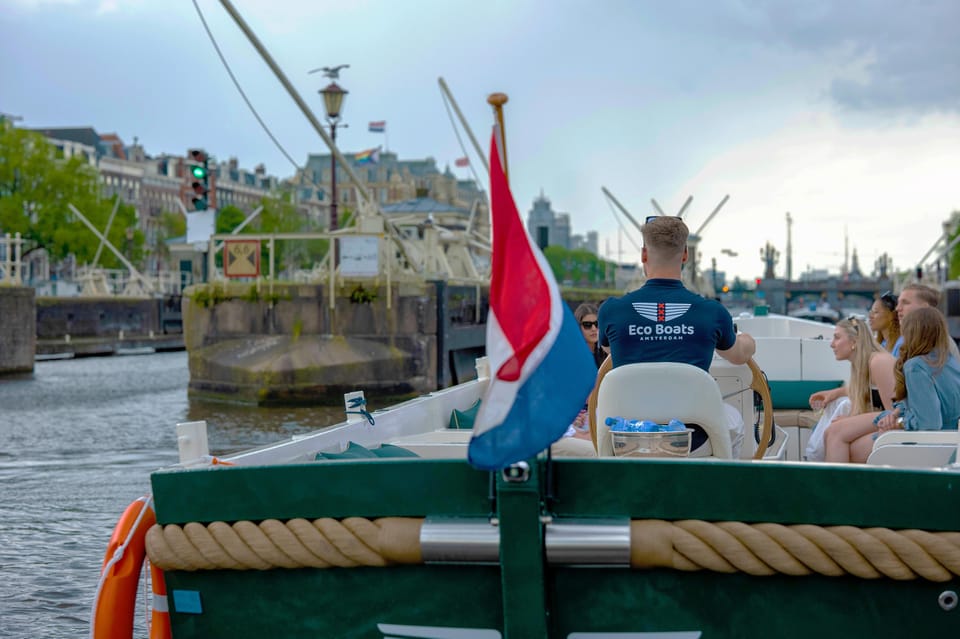
This is a strong fit if:
- It’s your first time in Amsterdam and you want a fast orientation to the canal city.
- You want the big highlights—Skinny Bridge, Dancing Houses, historic-core landmarks—without committing to a long day.
- You prefer a calmer boat experience with small-group energy.
- Your group includes non-English speakers; the multilingual booklet helps everyone follow the story.
It may be a weaker fit if you need wheelchair accessibility, or if you dislike being outside when the boat is open/partly covered.
Should You Book This Amsterdam Canal Cruise?
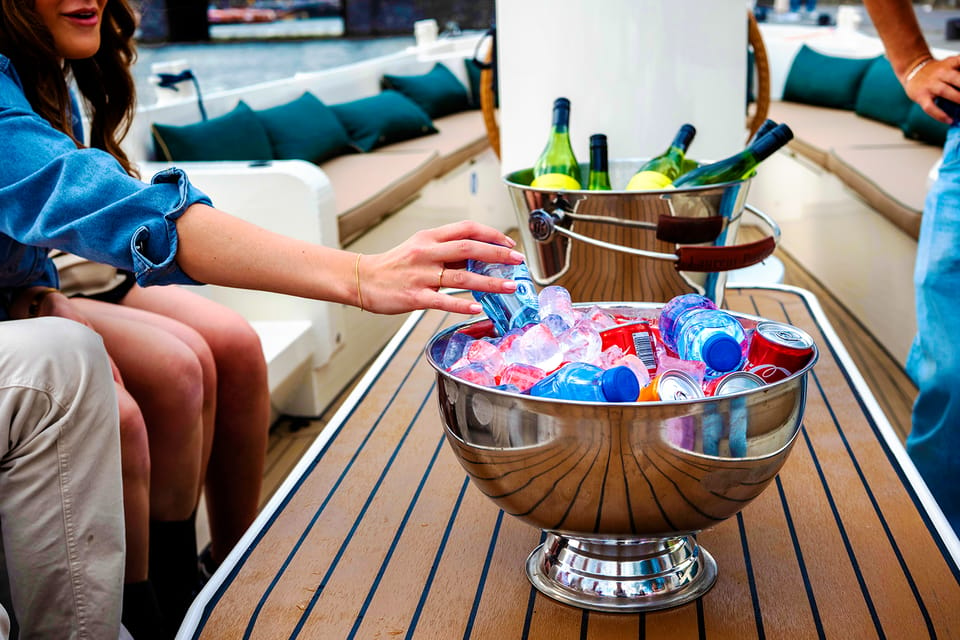
If you want a practical canal experience with a local English-speaking skipper, a small-group feel, and a route that hits Amsterdam’s top visuals in just one hour, I’d book it. The $18 price is hard to argue with, especially when optional drinks can turn it into a relaxed evening plan.
The main reason to pause is sound and comfort: no microphones means you should expect to work a little on windy days by sitting closer or asking the skipper to repeat. And if your group needs wheelchair access, choose something else.
FAQ
How long is the Amsterdam canal cruise?
It lasts 1 hour.
Where do I meet the boat?
The meeting point is in front of Amsterdam Central Station, by the tram stops at the water. Look for the dark green beach flag and staff in dark blue Eco Boats shirts. Use Google Maps (not Apple Maps) for the meeting point.
What languages are available during the cruise?
The live skipper guide is available in Dutch and English. There’s also a free digital guide booklet you can access via QR on board in English, Chinese, Spanish, Portuguese, Dutch, German, French, and Italian.
Are drinks included?
Drinks are optional. If you select the drink option, the info says unlimited drinks are included (beer, wine, or soft drink).
Is the boat wheelchair accessible?
No. The experience is not suitable for wheelchair users.
What should I wear in Amsterdam?
Amsterdam weather can change quickly. The tour info recommends dressing appropriately and bringing sunscreen and a light rain jacket so you’re ready for sunshine or an occasional shower.