REVIEW · AMSTERDAM
Amsterdam: Red Light District Walking Tour
Book on GetYourGuide →Operated by Silver Tours · Bookable on GetYourGuide
Red Light District stories can be uncomfortable, but they are never boring. This 2-hour walk threads Old Town streets into the heart of Amsterdam’s most famous nightlife zone, with a guide putting the past and present into context. It’s the kind of tour that helps you understand what you’re seeing, not just where to stand for photos.
I especially like how the tour is guided by real storytelling energy. Names from recent guides like Ari, Aaron, Robin Van Gemer, and Sander keep the group moving and the explanations clear, so you’re not stuck reading plaques.
A second thing I like is the mix of sights: Red drapes in windows, crooked homes and canals, and key spots such as Zeedijk Street, Nieuwmarkt Square, Waag, Cassa Rosso, and Bananenbar. One possible drawback: because the topic is sex work and current controversies, it’s not the best pick if you’d rather avoid that whole subject.
In This Review
- Key Highlights Worth Your Time
- A 2-Hour Route Through Red Light Amsterdam and Old Town Streets
- Meeting Zeedijk Street: Sailor Lanes and the Chinatown Comeback
- Nieuwmarkt Square and Waag: From City Gate to Restaurant
- Inside the Red Light District Core: Windows, Cassa Rosso, and Peep Shows
- Why Sex Work Was Legalized in the Netherlands and How Coffeeshop Fits In
- Crooked Homes, Canals, and Amsterdam’s Oldest Building
- Price and Value: Is $33 for a Guided Walk Worth It?
- Who This Tour Suits (and Who Might Prefer Something Else)
- Should You Book the Amsterdam Red Light District Walking Tour?
- FAQ
- How long is the Amsterdam Red Light District walking tour?
- What is the price per person?
- What areas and sights will I see during the tour?
- Will the guide explain the history and controversies of the Red Light District?
- Is the tour only about prostitution windows?
- What languages are available for the live tour guide?
- Is transportation included?
- Can I get a private group option?
- Where do I meet the guide?
Key Highlights Worth Your Time
- Local-guide storytelling that stays upbeat and informative, with guides like Ari and Sander known for keeping it lively
- Zeedijk Street to Chinatown: a route that shows how neighborhoods change over time
- Nieuwmarkt Square and Waag: a former city gate turned restaurant stop that grounds the route in real city history
- Red Light District core sights including Cassa Rosso, peep shows, and prostitution windows
- Policy context: you’ll learn why sex work was legalized in the Netherlands and how the term coffeeshop came about
A 2-Hour Route Through Red Light Amsterdam and Old Town Streets
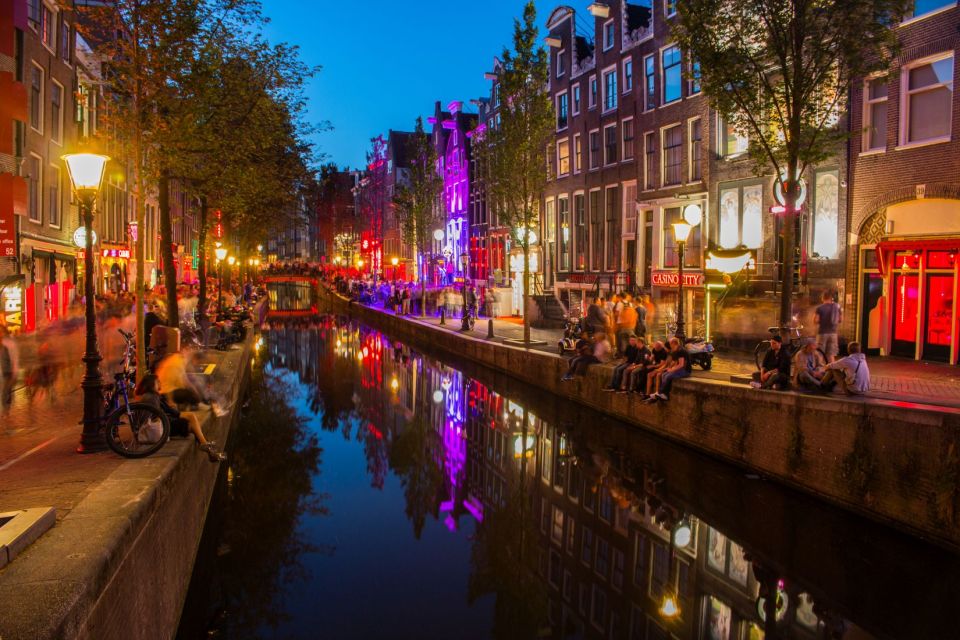
This is a focused walking tour that packs a lot into a short time. You’ll start in the old inner-city web—tight streets, canal views, and historic corners—then continue into Amsterdam’s Red Light District center. The point isn’t shock. The point is understanding.
At $33 per person for 2 hours, you’re paying for a local guide to connect the dots between architecture, neighborhoods, and modern debates. You don’t need to be an expert on Dutch history to enjoy it, because the guide explains the why behind what you see.
If you’re the type who wants a “quick hits” route with real context, this format works. If you’re the type who needs lots of downtime for wandering, you might find the pace a bit fast—since it’s designed to cover multiple areas in one block of time.
You can also read our reviews of more walking tours in Amsterdam


Meeting Zeedijk Street: Sailor Lanes and the Chinatown Comeback
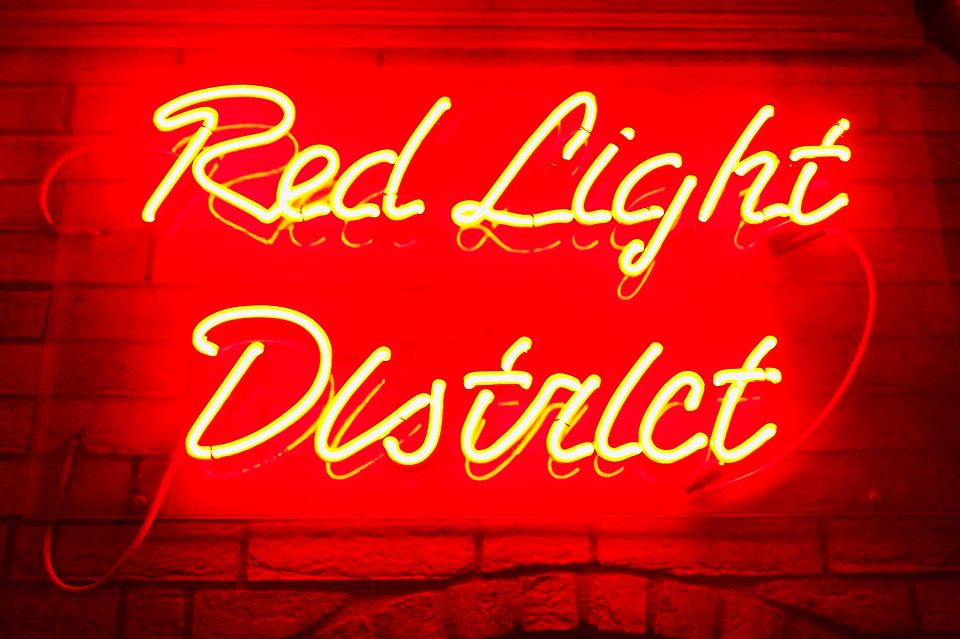
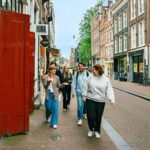
The route begins around Zeedijk Street, known for its old sailor-neighborhood feel. Even if you’ve seen Amsterdam’s canals before, this stretch has a different attitude—more working-city energy than postcard perfection.
From there, you’ll move toward Amsterdam’s Chinatown. The tour frames it as an area that once felt unsafe, then changed into something friendlier—an important lesson in how cities evolve. Along the way, you’ll notice the everyday layer of Chinese stores and local life, not just entertainment signage.
A nice touch is that the walk doesn’t treat Chinatown like a museum piece. It’s part of the city’s actual street life, which makes the stories feel grounded. You may also stop at places like In’t Aepjen, which helps break up the walk without turning it into a formal meal stop.
Practical tip: wear walking shoes. This is narrow-street Amsterdam, so you’ll want foot comfort more than style points.
Nieuwmarkt Square and Waag: From City Gate to Restaurant
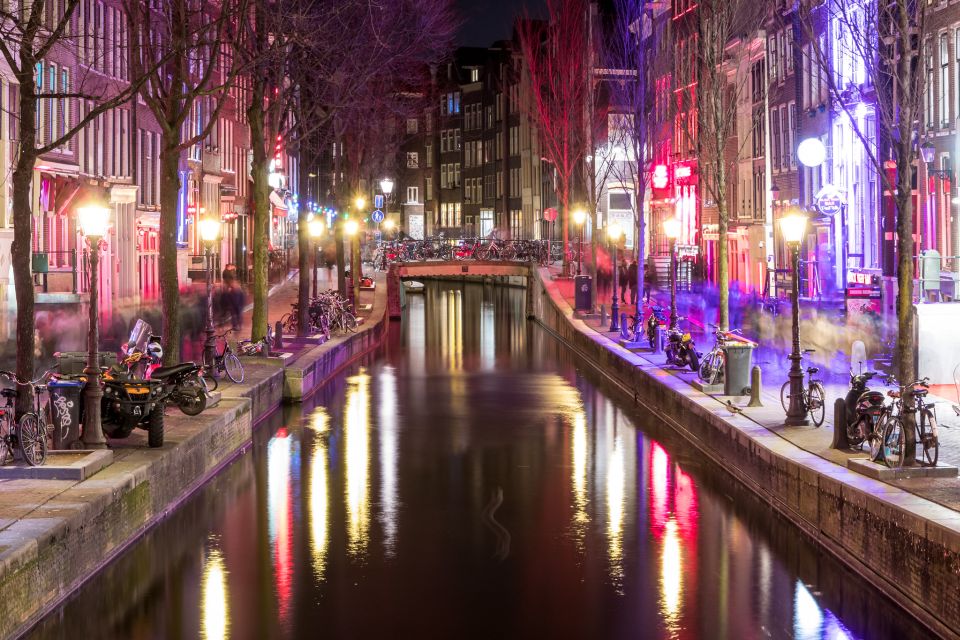
Next comes Nieuwmarkt Square, a major transition point where you’ll feel the old-city structure under your feet. The tour uses this stop to explain why Amsterdam’s historic layout still matters today.
You’ll see the Waag, originally a city gate and part of the old walls. Now it’s a restaurant, which is a clever reminder that buildings can change jobs without losing their identity. It’s a “same bones, new purpose” moment, and it sets you up to understand the Red Light District as part of the city’s ongoing story.
If you want a quick snack, the route includes time near market stalls. It’s not a full stop for a sit-down lunch, but it’s useful if you tend to get hungry halfway through a long walk.
The value here is context. By the time you reach the Red Light District core, you’ll already understand that Amsterdam keeps reusing and reshaping spaces rather than erasing everything.
Inside the Red Light District Core: Windows, Cassa Rosso, and Peep Shows
Now you reach the district everyone talks about. The tour centers on the main streets where you’ll see prostitution windows lined with the famous red drapes. The guide doesn’t just point things out; they explain what you’re looking at and why the area works the way it does.
You’ll also visit stops like Cassa Rosso and Bananenbar, plus sights connected to peep shows. If you’re wondering whether this tour is too graphic, the better way to think of it is: it’s about the neighborhood as a system—business, policy, and public debate—rather than a guide to voyeurism.
One thing I appreciate is the balance. The tour includes stories about the district’s past and present, including more recent controversies mentioned by the guide. That matters, because Amsterdam isn’t pretending the situation is simple or universally liked. You get the sense that this is a live debate, not a closed chapter.
Etiquette note: if you’re taking photos, keep it respectful and avoid turning the street into a show. Tight streets mean people are close; you’ll get a better experience if you move with care.
Why Sex Work Was Legalized in the Netherlands and How Coffeeshop Fits In
A big reason to book this specific tour is the policy framing. The guide explains why prostitution was legalized in the Netherlands, using it as a lens for understanding what you see on the street today.
This is where the tour becomes more than a sightseeing loop. You learn how laws and social thinking shape physical spaces—where businesses cluster, how the city tolerates or regulates activity, and why the conversation keeps resurfacing.
You’ll also hear the story behind the name coffeeshop—part of the tour’s broader look at Dutch language and regulation. It’s a small detail, but it’s the kind of “wait, that’s where the term comes from” moment that makes the walk stick with you.
If you’re used to cities where red-light districts are pushed to the margins, this policy explanation gives you a different framework. Amsterdam’s approach is not the same as many other European cities, and the tour helps you see that difference without turning it into propaganda.





Crooked Homes, Canals, and Amsterdam’s Oldest Building
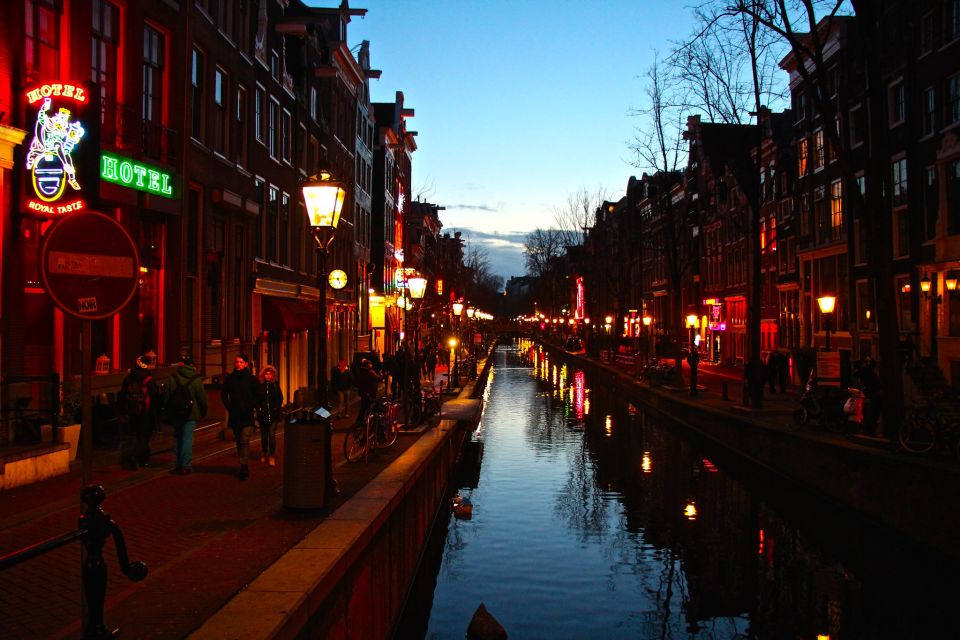
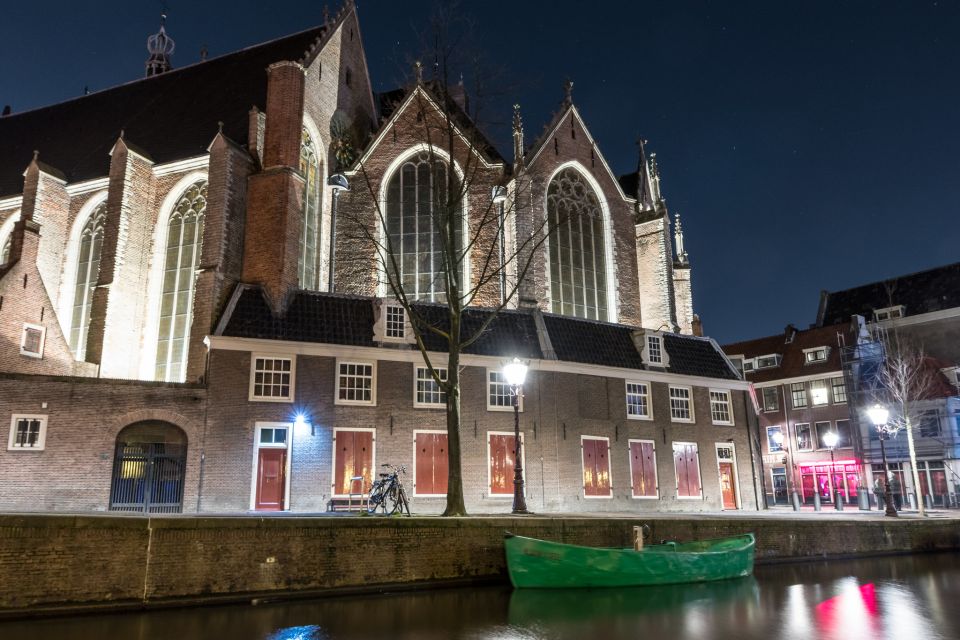
Not every tour lets you enjoy Amsterdam’s architecture while still talking about heavy topics. This one does. You’ll see canals and crooked homes, which feel wonderfully appropriate in a city where every street seems to have a personality.
The route also includes a look at Amsterdam’s oldest building. The exact building name isn’t something the tour material spells out for you here, but you’ll be pointed toward it as a key historical marker. For me, this is a smart choice: it keeps the Red Light District from becoming the whole story.
When you can tie the district to older Amsterdam—its street patterns, canal edges, and long-running structures—the area stops feeling like a separate world. It becomes part of the same city you’ve already been exploring.
Bonus for architecture fans: even if you’re not hunting for museums, the walking scale makes it easier to notice details you’d otherwise miss.
Price and Value: Is $33 for a Guided Walk Worth It?
At $33 per person for 2 hours, you’re buying three things: a local guide, a curated route, and explanations that take you beyond what’s obvious from the sidewalk.
Because transportation isn’t included, you’ll rely on walking and your own transit choices outside the tour time. That’s standard for a walking tour, but it’s worth planning so you don’t end up rushing to make the meeting point work.
What makes this value feel fair is the scope. You cover multiple areas—Zeedijk Street, Chinatown, Nieuwmarkt Square, and the Red Light District core—plus key named stops like Waag, Cassa Rosso, and Bananenbar. A guide is what turns those stops into a connected story, not just a checklist.
And the feedback score is strong. With a 4.9 rating across 11 reviews, the standout pattern is guide quality: friendly, upbeat, and informative guides such as Ari, Aaron, Robin Van Gemer, and Sander. That matters more than fancy marketing because the guide sets the tone for the whole two hours.
Who This Tour Suits (and Who Might Prefer Something Else)
This tour is a good fit if you want a real-world look at how Amsterdam works. If you enjoy cultural context—how policy, neighborhoods, and history shape the street—this one will hit that sweet spot.
It also works well for first-timers who don’t want to get lost. The route is built around major waypoints (Zeedijk, Chinatown, Nieuwmarkt Square, then the district center), so you’ll come away with a clearer map of where things are and why they’re there.
Language options are English and German, and there’s a private group option if you prefer a smaller setting. If you’re traveling with friends who share interests in history and city life, private can feel less awkward when the topic turns serious.
Who might skip it: if you’re sensitive to discussions of sex work, window prostitution, or street-level controversy, you’ll likely prefer a different Amsterdam tour. Even with a respectful approach, this isn’t a “light” theme.
Should You Book the Amsterdam Red Light District Walking Tour?
I’d book it if you want more than a quick glance. This tour gives you the why behind the sights, with local-guide storytelling and a route that also includes Amsterdam’s older bones—canals, crooked homes, and the oldest building. At $33 for two hours, it’s a practical use of time, especially when you’re trying to understand the city instead of just sampling it.
I’d skip it if you want to avoid the subject entirely. You can choose your Amsterdam experiences, and not every traveler wants policy discussions and street-level reality in the same two-hour block.
If you do book, go in with the right mindset: curious, respectful, and ready to listen. That’s how you turn a controversial neighborhood into a meaningful lesson about how cities manage complicated human life.
FAQ
How long is the Amsterdam Red Light District walking tour?
The tour lasts 2 hours.
What is the price per person?
The price is $33 per person.
What areas and sights will I see during the tour?
You’ll explore Zeedijk Street, Amsterdam’s Chinatown, Nieuwmarkt Square (including the Waag), and the center of the Red Light District, with stops around places such as Cassa Rosso and Bananenbar.
Will the guide explain the history and controversies of the Red Light District?
Yes. The guide shares stories and anecdotes about the district’s past and present, including more recent controversies.
Is the tour only about prostitution windows?
No. You’ll also learn about other places in the area, including peep shows, sex shops and strip clubs, and you’ll get context about why prostitution was legalized in the Netherlands.
What languages are available for the live tour guide?
The live tour guide is available in English and German.
Is transportation included?
No. Transportation is not included.
Can I get a private group option?
Yes, a private group is available.
Where do I meet the guide?
The meeting point may vary depending on the option you book.