REVIEW · AMSTERDAM
Amsterdam: City Centre Canal Cruise & Free Flower Cocktail
Book on GetYourGuide →Operated by Stromma Netherlands · Bookable on GetYourGuide
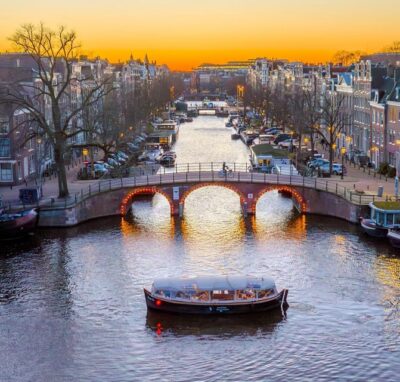
Stepping onto a canal boat makes Amsterdam click. You get a smooth ride through the UNESCO Canal Belt, plus a handcrafted flower cocktail that turns the cruise into a little celebration. I like that it’s simple and efficient: you cover major sights in about an hour while the on-board audio keeps the story moving.
One thing to keep in mind is sound can depend on where you sit. The guide runs through speakers (no headphones included), and in rough moments some people find the volume harder to catch at full speed.
In This Review
- Key things I’d plan around
- A simple way to get your Amsterdam bearings from the water
- Price and value: what $19 buys you (and why it adds up)
- Where you board: Damrak, Prins Hendrikkade, Stadhouderskade, or Rijksmuseum
- What the route is really like: from Central Station into the Canal Belt
- Golden Age warehouses and boatyards: seeing trade-era Amsterdam in 60–75 minutes
- Anne Frank House area and the Westerkerk zone from the canal level
- The Skinny Bridge, bridges in every direction, and why it matters
- The Magere Brug and Dancing Houses segment: postcard views with real motion
- The flower cocktail: included, handcrafted, and what to expect from sweetness
- On-board comfort: toilet and Wi‑Fi you’ll actually use
- Audio guide over speakers: how to get the best storytelling without headphones
- How long is enough time for photos and sightseeing?
- Who this canal cruise is best for
- Should you book this Amsterdam canals cruise with a free flower cocktail?
- FAQ
- How long is the Amsterdam canal cruise?
- What’s included in the ticket price?
- Do I need headphones?
- Where does the cruise start?
- Will the cruise run in bad weather?
- Is the cruise wheelchair accessible?
Key things I’d plan around
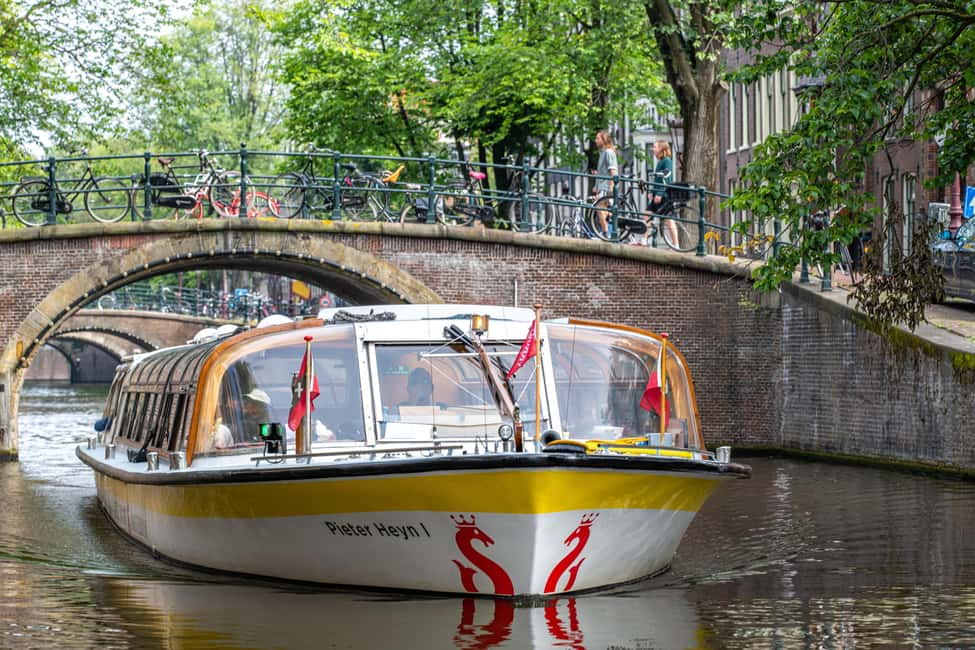
- Multiple boarding points: you can start from Damrak, Prins Hendrikkade, or Stadhouderskade, with a longer option departing by Rijksmuseum.
- Two cruise lengths: about 60 minutes from Damrak, or 75 minutes if you choose the Rijksmuseum departure.
- Audio is built-in: English/Dutch comes over speakers; other languages are available through the app.
- A real Amsterdam moment with the right angle: you’ll pass under iconic bridges and see famous streets from the waterline.
- Comfort perks: Wi‑Fi and a toilet are on board, and the boats are made for year-round weather.
- The cocktail is part of the deal: you’ll get it included, but tastes can run sweet.
A simple way to get your Amsterdam bearings from the water
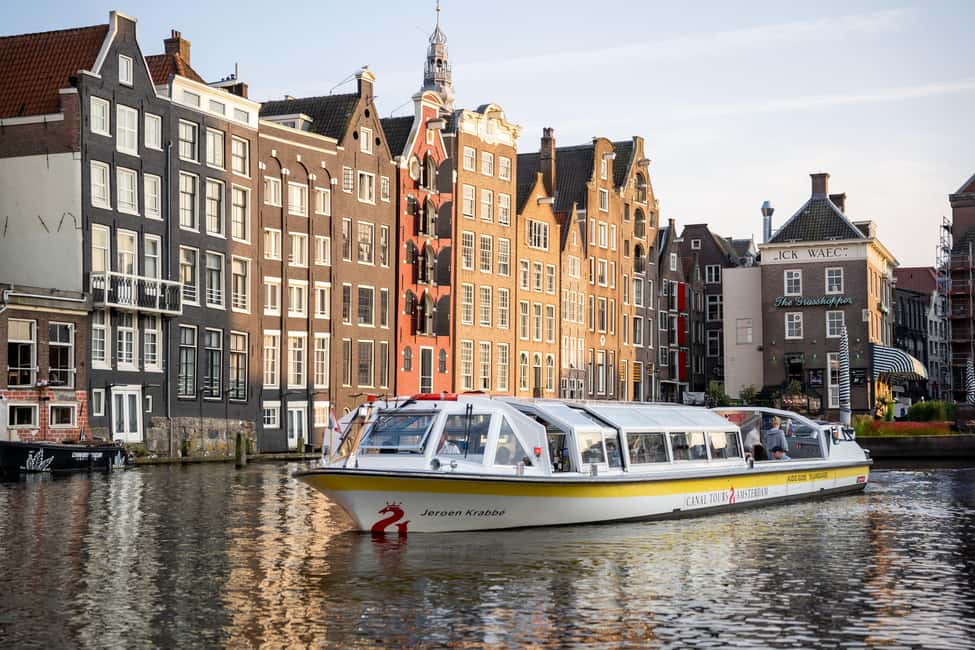
If you’re only here for a few days, this is the kind of experience that helps everything else click into place. From the canal level, you understand how Amsterdam grew around waterways, bridges, and trade routes—fast, without needing to bounce between museums all day.
I also like the pacing. It’s not a marathon tour. You’re out long enough to see the key “postcard” spots—then you’re back where you started, ready to walk and explore on your own.
You can also read our reviews of more boat tours in Amsterdam

Price and value: what $19 buys you (and why it adds up)
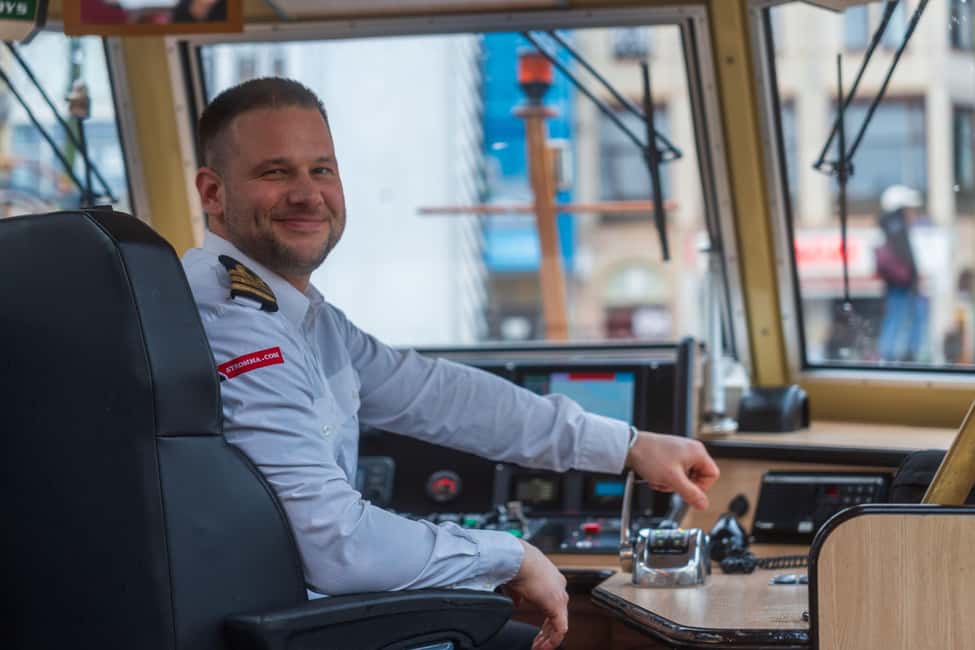
At around $19 per person, you’re paying for three things at once: time on the canals, guided context, and a small included treat. If you take the 60-minute option, that’s roughly $0.32 per minute for the ride itself. Add in the audio guide, Wi‑Fi, and toilet on board, and the value starts to make sense.
The flower cocktail matters more than it sounds, too. It’s an easy upgrade from a basic “sit and look” cruise. You don’t have to find a bar before you even get your first canal view.
Where you board: Damrak, Prins Hendrikkade, Stadhouderskade, or Rijksmuseum
This cruise gives you options, which is handy if you’re staying near a specific area. Your route and timing depend on which departure you choose.
- Damrak departures run about 60 minutes.
- Rijksmuseum departures run about 75 minutes (longer = more time for photos and extra commentary).
As for meeting points, you may see one of these starts:
- Damrak 16
- Prins Hendrikkade 37
- Stadhouderskade 520
- plus the operator’s recognized piers near Amsterdam Centraal (Central Station) and the Damrak Pier 5 area
If you’re thinking in practical terms: choose the Rijksmuseum option if you want the extra time. Choose the Damrak option if you want to fit the cruise into a tight itinerary.
What the route is really like: from Central Station into the Canal Belt
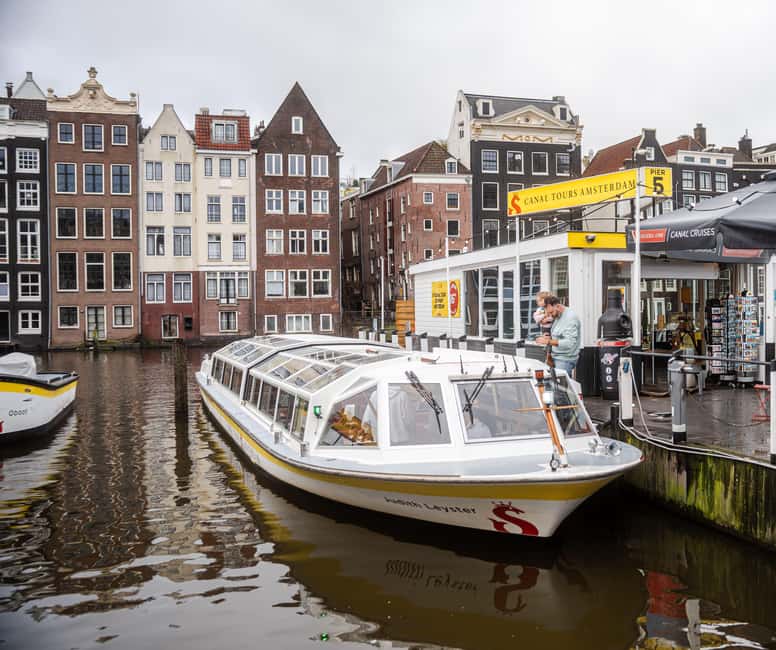
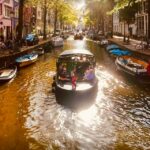
Once you’re on board, the experience is built around movement. You’re not just looking at canals; you’re traveling through the city’s layout—past old waterfront buildings and bridge after bridge that feel almost designed for photos.
The cruise typically threads through the heart of Amsterdam’s canal system, including stops or pass-bys such as:
- Amsterdam Centraal Station area
- Brouwersgracht
- Grachtengordel
- the Canal Belt region
This is where the audio guide pays off. Even without headphones, you’ll hear explanations tied to what you’re seeing: why these waterways mattered, how the city’s trade shaped the architecture, and why certain bridges and buildings became landmarks.
Golden Age warehouses and boatyards: seeing trade-era Amsterdam in 60–75 minutes
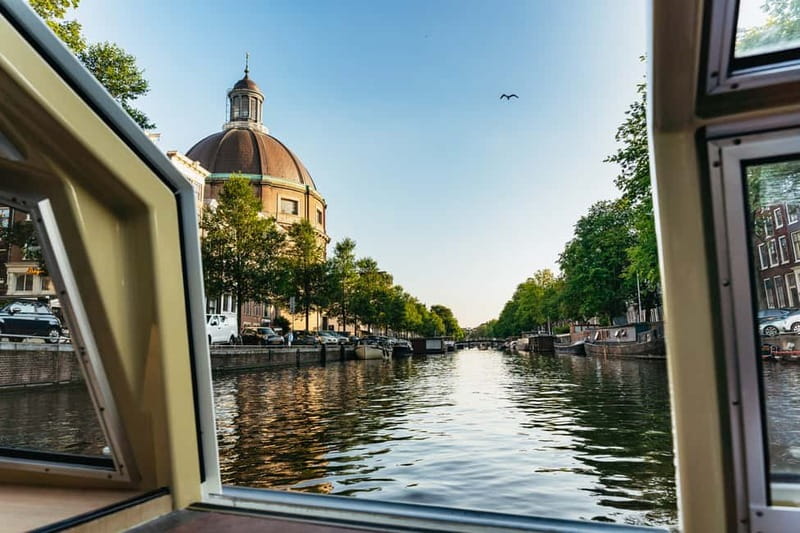
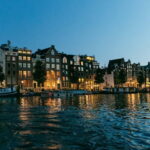
Amsterdam’s famous “look” didn’t happen by accident. From the water, you can better connect the architecture to the river-and-canal economy that created the city’s power during its Golden Age.
As you glide past historic boatyards and warehouses, you’ll notice how different the canal edges feel compared to streets. Warehouses aren’t just pretty. They’re functional survivors—built to store, ship, and move goods. From the canal level, the scale becomes real: you’re seeing a working city’s infrastructure, not just romantic views.
A small practical note: you’ll want to stand (or at least shift your seat) when you’re near warehouses and under bridges. That’s when reflections and angles help your photos the most.
You can also read our reviews of more city tours in Amsterdam

Anne Frank House area and the Westerkerk zone from the canal level
A highlight on this cruise is how it brings you close to major sights without turning it into a stop-and-start museum day. You pass by places closely linked to modern Amsterdam history, including:
- Anne Frank House
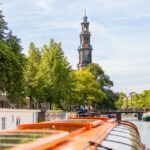
- the general area associated with the Westerkerk
- the canal views that surround these landmarks
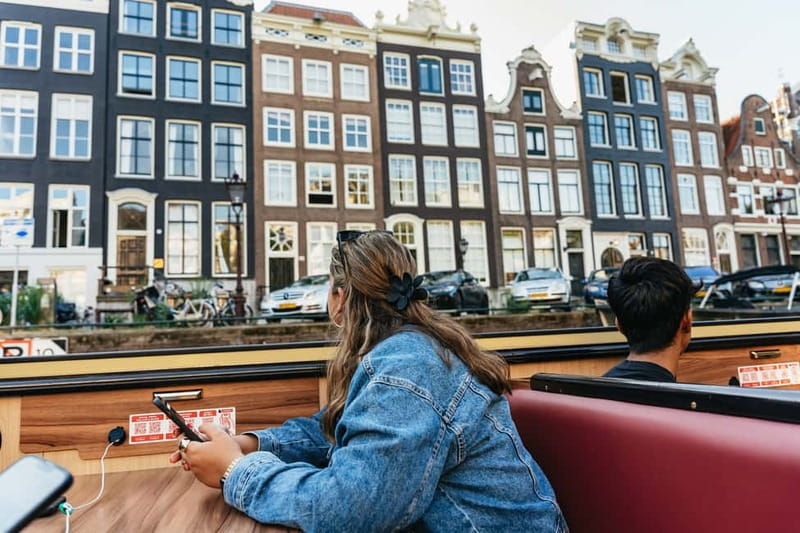
From the water, the sightlines feel different. You’re not viewing these buildings head-on from the street where crowds gather. Instead, you get a wider sense of Amsterdam’s canal geometry—how buildings face inward toward water traffic.
One caution: the cruise is fast. You’ll see the area, not go inside. If Anne Frank House is a must-do for you, plan a separate visit. This cruise is for context and perspective, not ticketed time in the museum.
The Skinny Bridge, bridges in every direction, and why it matters
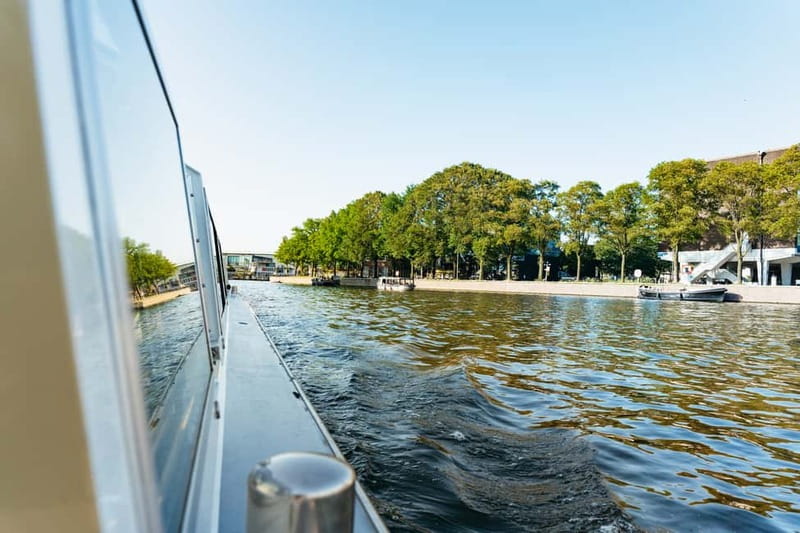
Amsterdam’s bridges aren’t background props. They’re part of the city’s storytelling—how you cross canals, how neighborhoods connect, and how architecture adapts to tight waterways.
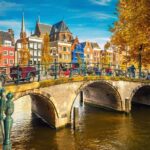
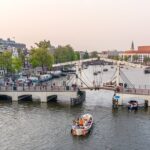
The route includes famous bridge moments such as the Skinny Bridge (Magere Brug is also on the itinerary). When you pass under these arched structures, the boat angle can change quickly, so it’s worth keeping your eyes up for the “frame” effect—your best photos often happen just as the boat slips under the arch.
If you’re someone who likes light and reflections, you’ll get a lot of those here too. Even on overcast days, canals tend to bounce city details back into the water.
The Magere Brug and Dancing Houses segment: postcard views with real motion
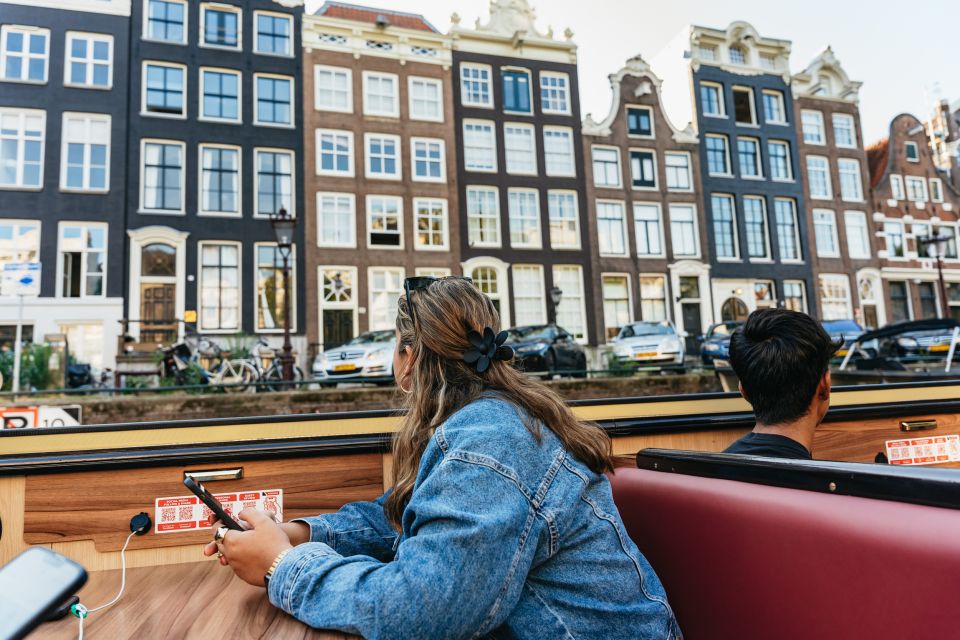
Toward the later part of the cruise, you hit some of Amsterdam’s most recognizable silhouettes.
- Magere Brug (the “Skinny Bridge”) is known for its romantic profile and canal-side views.
- Dancing Houses (also passed by) give you a different kind of visual story—architecture that looks like it’s leaning, playful, and a little theatrical from certain angles.
This is the part of the cruise where the ride starts to feel like a photo loop—in a good way. You’ll likely want to move closer to the best viewing side when the boat approaches these spots.
Also, if the boat has a roof section or covered areas, pay attention to how it opens or changes. From the onboard comfort perspective, people have noted that the boat can adjust for clearer views—use that window to your advantage if available.
The flower cocktail: included, handcrafted, and what to expect from sweetness
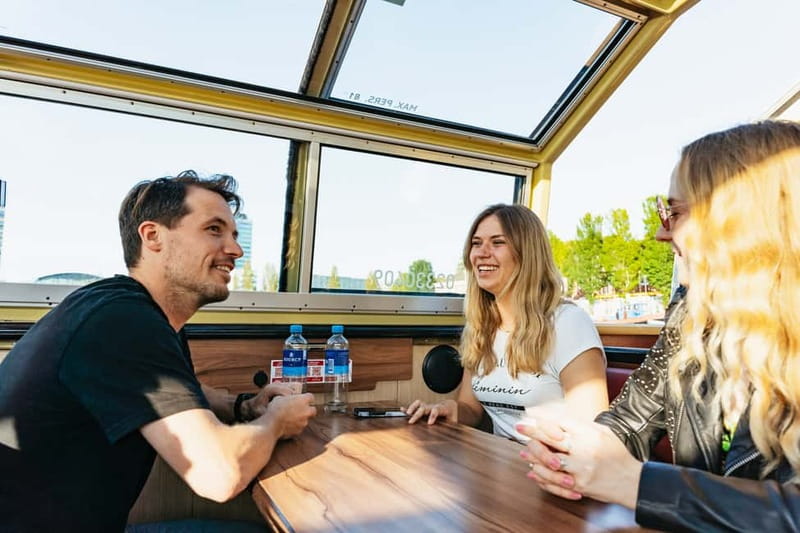
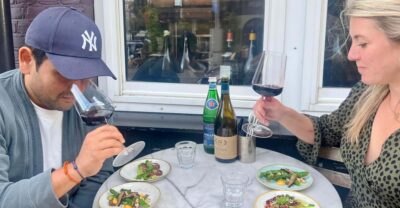
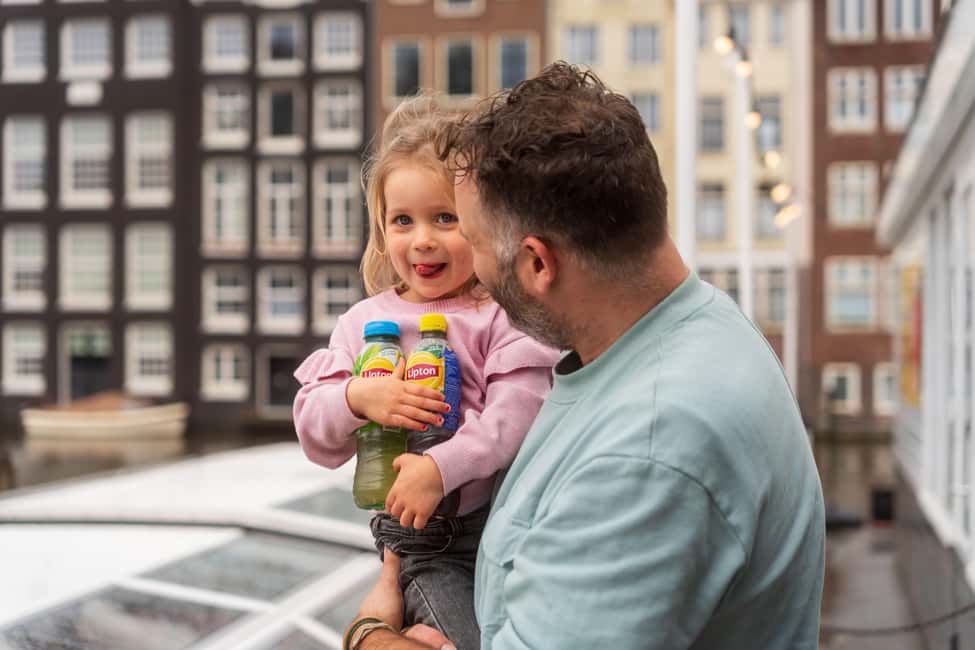
The included drink is the unique hook of this cruise. You don’t need to hunt for a bar, and you’re not stuck paying for every extra. The cocktail is described as a handcrafted flower cocktail, and it’s served as part of the experience.
One thing I’d flag: sweetness can be a love-it or leave-it factor. Some people find the cocktail too sweet on its own. If you’re sensitive to sugary drinks, you can treat it like a fun first sip while you enjoy the scenery rather than a “finish it like a beer” kind of drink.
And remember the practical part: food and extra drinks aren’t included onboard. Snacks and drinks can be purchased at the ticket store before boarding, so if you want more than the cocktail, plan that stop early.
On-board comfort: toilet and Wi‑Fi you’ll actually use
This cruise is built to feel comfortable even when the weather doesn’t cooperate. The tour runs rain or shine, and the boats are designed for sightseeing year-round.
Two onboard features make a big difference for day-to-day travel:
- A toilet onboard means you’re not trying to find a restroom mid-itinerary.
- Wi‑Fi onboard helps if you want to post photos while you’re still out seeing the sights.
And yes—there can be a roof or covered areas, which helps when you’re under gray skies. People have mentioned glass-covered areas and side coverage during rainy weather, which is exactly the kind of detail that changes whether a cruise feels pleasant or miserable.
Audio guide over speakers: how to get the best storytelling without headphones
The audio is part of the value. You’ll get an audio guide in English and Dutch through the speakers. Other languages are available through the app.
What I suggest:
- If you’re comfortable with English, you might not need to buy anything extra.
- If you want another language, bring headphones so you can use the app comfortably and clearly.
One real-world issue to consider is volume consistency. There are moments when sound can be harder to hear if the boat is moving fast or if you’re seated farther from speakers. So if you care about catching every detail, don’t gamble—pack your own headphones.
How long is enough time for photos and sightseeing?
Between the 60-minute Damrak cruise and the 75-minute Rijksmuseum cruise, you’ve got two realistic options.
- If you want a quick hit of major sights and you’re planning a walking day afterward, the 60-minute option is great.
- If you’re photo-focused, want more time under bridges, or prefer a slower feeling cruise, go with the 75-minute option.
Either way, the cruise is long enough to understand the canals, but short enough that you’ll still have energy to explore on foot afterward. That balance is a big reason this one works as a first-day activity.
Who this canal cruise is best for
This is a strong pick for:
- First-timers in Amsterdam who want a high-impact overview fast
- People who like history tied to what they can see, not just dates in a classroom
- Anyone traveling with mixed interests—food-and-drink plus sights plus narration
It’s also a good choice if you’re doing a museum-heavy trip. Instead of spending another indoor block of time, you get an outdoor perspective without the stress of planning a route.
If you need wheelchair access, note that this cruise is not suitable for wheelchair users, so plan an alternative option.
Should you book this Amsterdam canals cruise with a free flower cocktail?
I’d book it if you want an efficient, low-stress way to see Amsterdam’s canal heart with built-in storytelling. At about $19, it’s not just transportation—it’s an organized introduction to why the city looks the way it does, plus an included drink that makes the experience feel special right away.
Skip it if you’re expecting long stops, detailed walking segments, or a fully “hands-on” guide. This is a ride with audio. You’re there for the view, the angles, the bridges, and the context—not for extended museum-style time at every landmark.
If you do book, my main tips are simple: bring headphones if you want clear audio or another language, and plan your photo spots around the bridge moments. That’s when the canal views turn into real memories.
FAQ
How long is the Amsterdam canal cruise?
The cruise is about 60 minutes if you depart from the Damrak area, and about 75 minutes if you choose the Rijksmuseum departure option.
What’s included in the ticket price?
You get the Amsterdam canal cruise, a flower cocktail, an audio guide (English/Dutch via speakers; other languages on the app), plus Wi‑Fi and a toilet onboard.
Do I need headphones?
Headphones are recommended because the audio is provided through onboard speakers for English/Dutch, and other languages are available through the app. Bringing headphones can help if you need clearer audio or another language.
Where does the cruise start?
Depending on the option you book, the meeting point may be Stadhouderskade 520, Prins Hendrikkade 37, or Damrak 16. The activity ends back at the meeting point.
Will the cruise run in bad weather?
Yes. This activity runs rain or shine.
Is the cruise wheelchair accessible?
No, it is not suitable for wheelchair users.