REVIEW · AMSTERDAM
Amsterdam: Van Gogh Museum Private Tour
Book on GetYourGuide →Operated by Amor Artium · Bookable on GetYourGuide
Van Gogh makes more sense with a guide. This 2-hour private tour uses a separate entrance for skip-the-line entry, plus an art historian who connects paintings and drawings to the life behind them. You’ll see more than famous pieces, with time for questions that standard visits rarely allow.
What I like most is the focus: the tour is led by an art historian specialized in Van Gogh. In the recent guide roster, names like Lucy and Celine show up for a reason—clear chronology, story-led looking, and patient Q&A that doesn’t get cut off when you ask something unexpected.
The main trade-off is cost: at $224 per person, this is for people who truly want a guided, high-return visit. Also, 2 hours can feel tight if you like to linger and study without a plan.
In This Review
- Key points worth knowing before you go
- Why this private Van Gogh tour is a smart use of your Amsterdam time
- Cobra Café meeting point: how to find your guide without stress
- Skip-the-line entry and lockers: the unglamorous stuff that makes the day better
- The 2-hour storyline: how the guide organizes Van Gogh’s life into art
- Getting started: why Van Gogh picked up painting at 27
- The Brabant dark period: somber tones and emotional gravity
- Paris years: the experiments that change his style
- Arles and the Yellow House: Gauguin, friendship, and friction
- The tragic end: Van Gogh at 37, Theo months later
- The woman who shaped the legacy
- What you’ll actually get to see: more than the usual checklist
- Temporary exhibitions: why they’re included, and how they change the visit
- Your guide experience: pacing, questions, and even mobility needs
- Price and value: is $224 per person worth it?
- Who this private Van Gogh tour suits best
- Should you book this Van Gogh Museum private tour?
- FAQ
- How long is the Amsterdam: Van Gogh Museum private tour?
- Is the tour conducted in English?
- Do you skip the line?
- Where do we meet the guide?
- Is there free cancellation?
- Are lockers available?
Key points worth knowing before you go
- Separate entrance skip-the-line: you enter faster than the general queue.
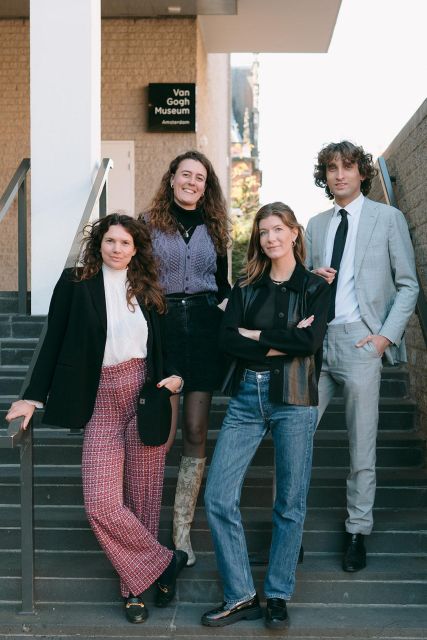
- Art historian specialized in Van Gogh: you get context that explains the art, not just labels.
- Free lockers available: easier museum strolling with bags and coats.
- Temporary exhibitions included: you can add one more layer to your Van Gogh story during your visit.
- Pacing adapts to your needs: guides have slowed down for physical limits and still kept momentum.
Why this private Van Gogh tour is a smart use of your Amsterdam time

The Van Gogh Museum is one of those places where self-guided can work… but it can also turn into a blur of canvases, dates, and names. The museum has a huge collection—over 200 paintings and 500 drawings by Van Gogh—so without a guide, you spend a lot of energy deciding what to care about most.
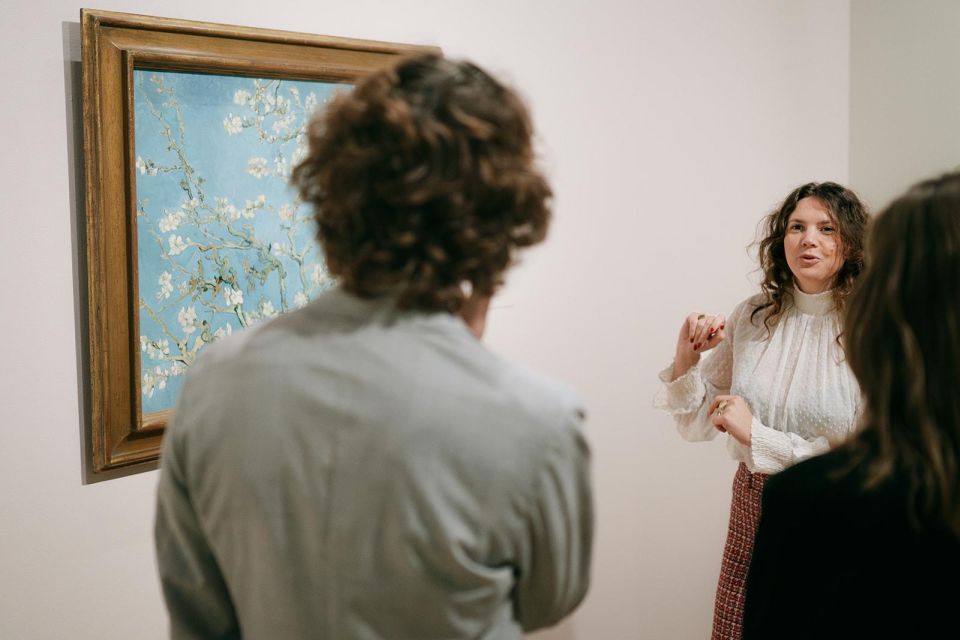
This private format fixes that. You get reserved entry plus an art historian guide who’s tuned specifically to Van Gogh’s work. In a museum with a lot of visual information, that specialization matters. You start seeing patterns: when his subjects change, why his color choices shift, and how the same themes return in different forms.
And because it’s private, you don’t get rushed along in a slow-moving crowd. You can ask questions and move at a pace that fits your attention span. Recent feedback highlights guides making time for questions, including ones that wander away from Van Gogh—without turning the tour into chaos.
You can also read our reviews of more private tours in Amsterdam



Cobra Café meeting point: how to find your guide without stress
You meet in front of Cobra Café. The guide should be easy to spot with an Amor Artium sign.
This kind of detail matters more than it sounds. Amsterdam is great, but getting one wrong turn at museum time can eat up your best energy. The good news is your guide is also supposed to be in touch before the tour, so you’re not guessing for long.
Tip: arrive a few minutes early. With lockers and coats involved, it’s easier when you’re not already hurried.
Skip-the-line entry and lockers: the unglamorous stuff that makes the day better
The tour includes reserved entry tickets and skip-the-line access through a separate entrance. That means less waiting and more looking—the whole point of booking a guide in the first place.
You also get free lockers available. If you’ve ever tried to keep track of bags, umbrellas, and shopping bags while standing in front of art, you know how annoying it can get. Lockers keep your hands free and your head clear, so you actually pay attention to brushwork, gestures, and the emotional mood of each work.
It’s a small inclusion, but it changes the quality of the visit.
The 2-hour storyline: how the guide organizes Van Gogh’s life into art
This tour is built like a narrative. In two hours, the guide doesn’t try to cover everything. Instead, you follow Van Gogh’s progression through key phases of his life, using paintings and drawings as evidence.
Here’s the backbone of what you’ll hear and see:
Getting started: why Van Gogh picked up painting at 27
You start with an origin point that many people miss. Van Gogh began painting at 27, and the guide uses that fact to explain how his earlier life fed into what came later. You don’t just learn a date—you get a sense of how late starts can still lead to an intense creative burst.
That framing helps you stop thinking of Van Gogh as a one-note genius and start thinking of him as someone with a path, even if it was unusual.
You can also read our reviews of more museum experiences in Amsterdam






The Brabant dark period: somber tones and emotional gravity
Next comes the “dark period” in Brabant. You’ll look at how his mood and palette shift toward somber tones, and why this phase matters for understanding the rest of his career.
For me, this is where a specialist guide earns their fee. Without context, you might label these works as merely gloomy. With the right story, you can see how the emotional weight becomes a tool—his way of making feeling visible.
Paris years: the experiments that change his style
Then the tour moves into the Paris period, where Van Gogh experiments more boldly. This is where you’ll notice the difference between repetition and exploration.
You’ll also connect this phase to friendships and exposure to different artistic ideas. It’s not just about visual style—it’s about how changing influences can push an artist to take risks.
Arles and the Yellow House: Gauguin, friendship, and friction
Arles is where the story gets tense and human. The tour talks about the Yellow House period, including the influence of his relationship with Gauguin. That matters because Van Gogh’s work from this time feels charged—like every brushstroke has an urgency to it.
A guide can also help you read the emotional signals. When you understand the stakes of that relationship, you don’t just look at the images. You sense the pressure underneath them.
The tragic end: Van Gogh at 37, Theo months later
The final part of the tour brings you to the end of his life: Vincent dies at 37, and then Theo passes away just months later.
This isn’t told as a sad lecture. It’s framed as part of why Van Gogh’s legacy spread and why it landed the way it did. Knowing the ending changes how you interpret the earlier works. Suddenly, you see a sense of direction—even if Van Gogh didn’t live long enough to complete everything he was chasing.
The woman who shaped the legacy
The tour also includes a crucial part of the afterstory: the remarkable woman who helped cement Van Gogh’s legacy. Even if you’ve heard of her before, the way a specialist places her role in the chain of events makes it feel real and necessary, not like a footnote.
What you’ll actually get to see: more than the usual checklist
The Van Gogh Museum houses a massive collection, including paintings and drawings. This tour is designed to use that wealth without drowning you in it.
You can expect to spend time with selected works tied to the periods discussed above, including works that help you understand lesser-known angles—not just the biggest hits. Recent guide feedback also mentions tours using selective paintings that keep the focus tight while still feeling satisfying.
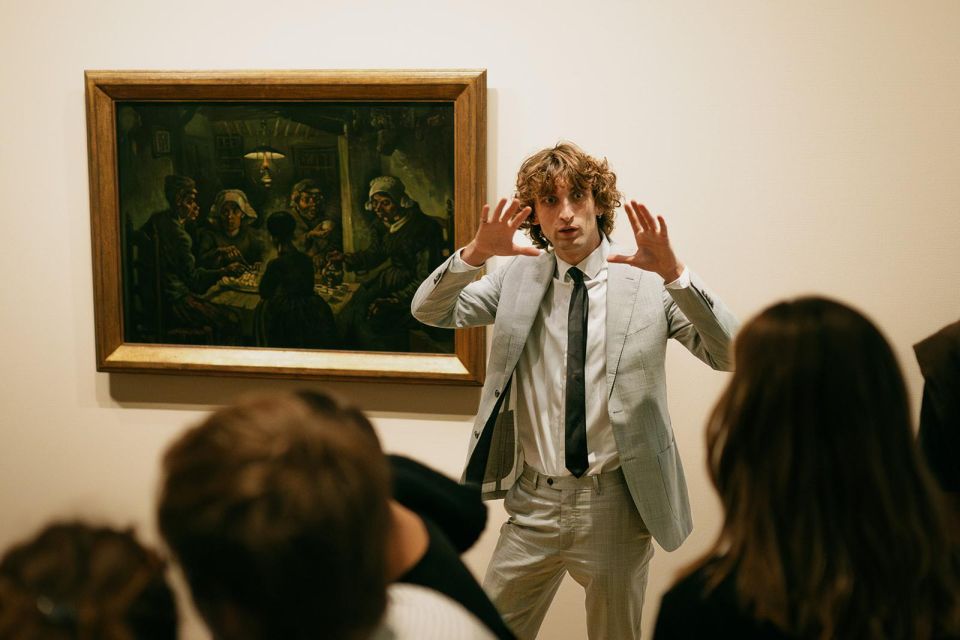
One practical benefit: you don’t have to read every label. The guide does the interpretive work, so you can actually look. When someone points out what to notice—composition, brushwork, the emotional temperature of a scene—your own attention gets sharper fast.
Temporary exhibitions: why they’re included, and how they change the visit
This tour includes access to temporary exhibitions. That’s important because the museum isn’t only the permanent collection—it often stages shows that highlight specific themes or time periods.
Recent feedback from a tour experience mentioned a temporary exhibition focused on Van Gogh’s final years. The result was a sense of coherence: the private tour’s ending story matched what you could see on-site that day.
You won’t always get the same exhibition, but the value stays the same. If you’re going for one visit, having temporary access built into the private tour means you’re not stuck choosing between guided insight and special museum moments.
Your guide experience: pacing, questions, and even mobility needs
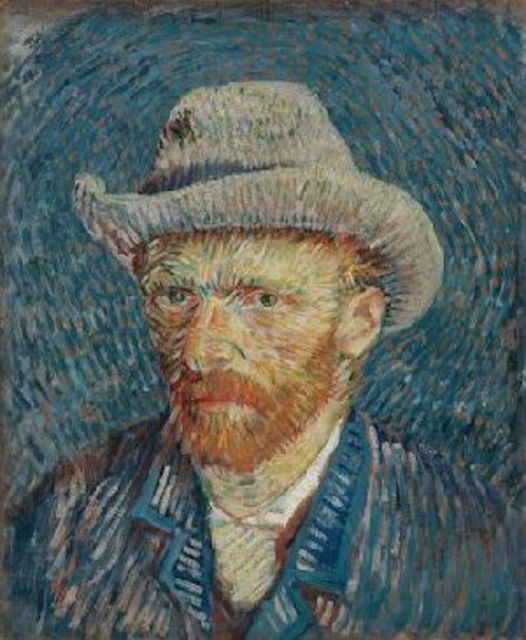
In a good museum tour, the guide doesn’t just talk. They manage attention.
Some recent tours included guides who were patient with long question strings and stayed pleasant even when questions weren’t directly about Van Gogh. That’s a real quality signal, because museum conversation often goes off-track naturally. A private guide can follow your curiosity instead of policing it.
Pacing also matters. One guide adjusted the rhythm because of a knee injury, keeping the experience comfortable without turning it into a stop-start ordeal. If you have any mobility limits—or you simply don’t enjoy fast walking—this private format gives you leverage. You can ask for slower moments and linger longer in the rooms that grab you.
Also, guides have been described as taking time for photos and making sure you get good chances to capture memories while still keeping the tour moving. Translation: you won’t be left standing around waiting for the group to catch up.
Price and value: is $224 per person worth it?
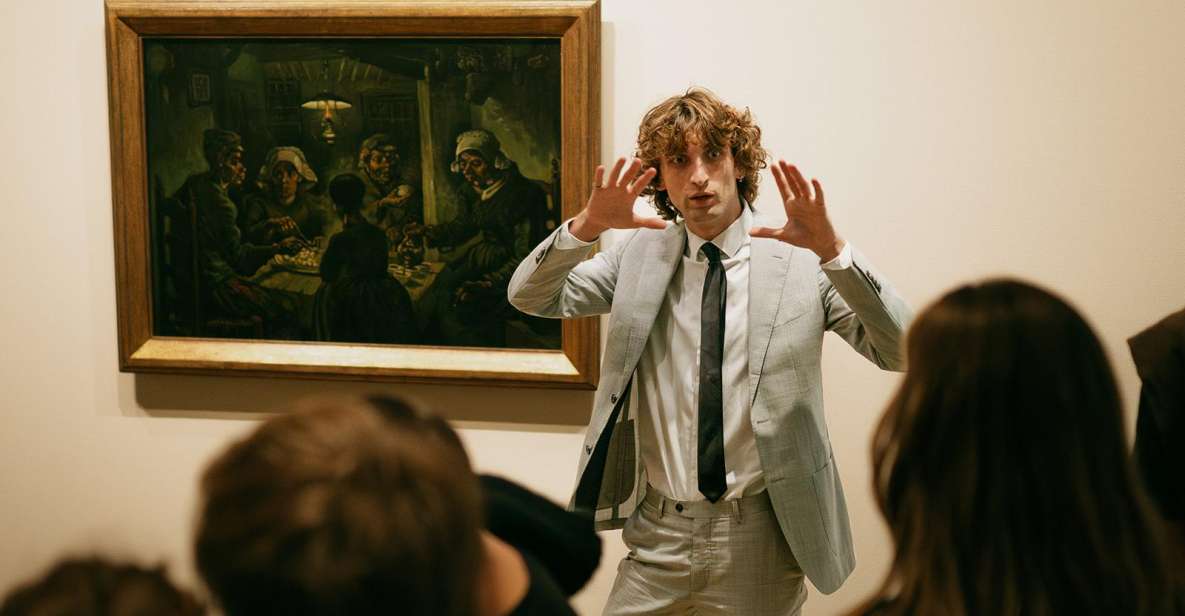
Let’s talk money plainly. $224 per person is a splurge compared to a self-guided museum ticket. The question is whether you’re buying something you can’t easily get on your own.
In your favor:
- You get reserved entry and skip-the-line access, which can be a lifesaver when timed tickets are hard to secure.
- You get a guide who’s an art historian specialized in Van Gogh, which changes how you interpret what you see.
- The tour includes temporary exhibition access, and the guide helps you tie those works back to the same life story.
If you already love Van Gogh and you want your visit to feel like a focused conversation rather than a checklist, this price can feel fair. You’re paying for interpretation, time efficiency, and the ability to ask questions.
If you only want a casual stroll through famous rooms, you’d likely get more satisfaction spending less. A private tour is most valuable when you care about connections: why he painted when he did, how his relationships influenced his art, and what shifts across periods mean emotionally.
Who this private Van Gogh tour suits best
This tour fits best if you:
- Love Van Gogh and want a clear timeline through the artwork
- Prefer conversation over reading wall text
- Want a faster, smoother entry with a guide steering the experience
- Like museum time that stays comfortable, with flexible pacing
It’s also a good choice if you’re the kind of person who hates feeling lost inside a giant museum. You won’t need to constantly decide what matters next.
Should you book this Van Gogh Museum private tour?
I’d book it if you want your Van Gogh visit to feel like a story you can follow, not just a room-by-room viewing. The combination of skip-the-line reserved entry, a Van Gogh specialist art historian, and a period-based narrative is exactly what turns the museum from overwhelming into meaningful.
I would hesitate if you’re budget-tight or if you know you prefer slow, quiet museum wandering without guided interpretation. In that case, you might feel boxed in by the 2-hour structure.
If you’re somewhere in the middle—curious, but serious enough about Van Gogh to want context—this tour is one of the higher-value ways to spend limited time in Amsterdam.
FAQ
How long is the Amsterdam: Van Gogh Museum private tour?
The tour lasts 2 hours.
Is the tour conducted in English?
Yes. The live guide provides the tour in English.
Do you skip the line?
Yes. You’ll get skip-the-line access through a separate entrance.
Where do we meet the guide?
You meet in front of Cobra Café, and you should recognize your guide by the Amor Artium sign. The guide is also expected to get in touch with you before the tour.
Is there free cancellation?
Yes. You can cancel up to 24 hours in advance for a full refund.
Are lockers available?
Yes. There are free lockers available during the visit.