REVIEW · AMSTERDAM
Boutique Dutch Food & History Tour with up to 8 guests only
Book on GetYourGuide →Operated by Amsterdam Food Tours · Bookable on GetYourGuide
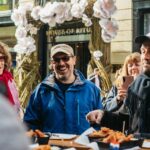
Food and street stories come together well. This boutique Jordaan-area walk mixes classic Dutch bites with Amsterdam culture, with guides who know the city from the inside. You’re not just sampling foods, you’re learning what locals actually eat and why those flavors made it onto their tables.
I love that the group stays small, max 8 people, so your questions don’t get drowned out. I also like the balance of food and history, with a real sense of everyday Amsterdam life as you move between stops.
One drawback to flag: it’s not suitable for vegans, since the tastings include seafood, dairy, and meats.
In This Review
- Key things you’ll notice on the tour
- Why a Jordaan food-and-history walk feels like the right first move
- From Papeneiland Café to Café Nieuw Amsterdam: the route basics that matter
- What you’ll eat: 6 large tastings, and the menu changes by day
- Sunday and Monday: apple pie, sausage sandwiches, shrimp croquettes, satay, and cheese
- Tuesday to Friday: sausage, farmhouse cheese, wine in a private room, and fish
- Saturday: market-style satay plus the same cheese-and-fish finale
- The brown café apple pie stop: comfort food that sets the tone
- Sausages and sandwiches: the Dutch flavor lesson you didn’t plan for
- Cheese plus wine in a private room: the stop that feels like a secret
- Fish shop tastings and the bitterballen finish: salty, hot, and satisfying
- Guide quality and group size: why it feels interactive, not rushed
- Price and value: what $147 gets you in real terms
- Who should book this tour (and who might not love it)
- Should you book Boutique Dutch Food & History Tour with up to 8 guests only?
- FAQ
- How long is the tour?
- What’s the group size?
- How much of the food and drinks are included?
- Is the tour suitable for vegans?
- How much walking is there?
- Where do I meet the guide?
- What if it rains, or I need to cancel?
Key things you’ll notice on the tour
- Up to 8 guests keeps the pace relaxed and conversation actually works.
- All food and drinks included means you can snack without doing math in your head.
- Two themes at once: Dutch food plus Amsterdam culture and history as you walk.
- Amsterdam-experienced Dutch guides (at least 15 years in the city) give more than facts.
- Day-to-day tasting changes so your day of travel affects what you’ll eat.
- Speakeasy-style private wine room for a cheese and wine pairing you won’t do on your own.
Why a Jordaan food-and-history walk feels like the right first move
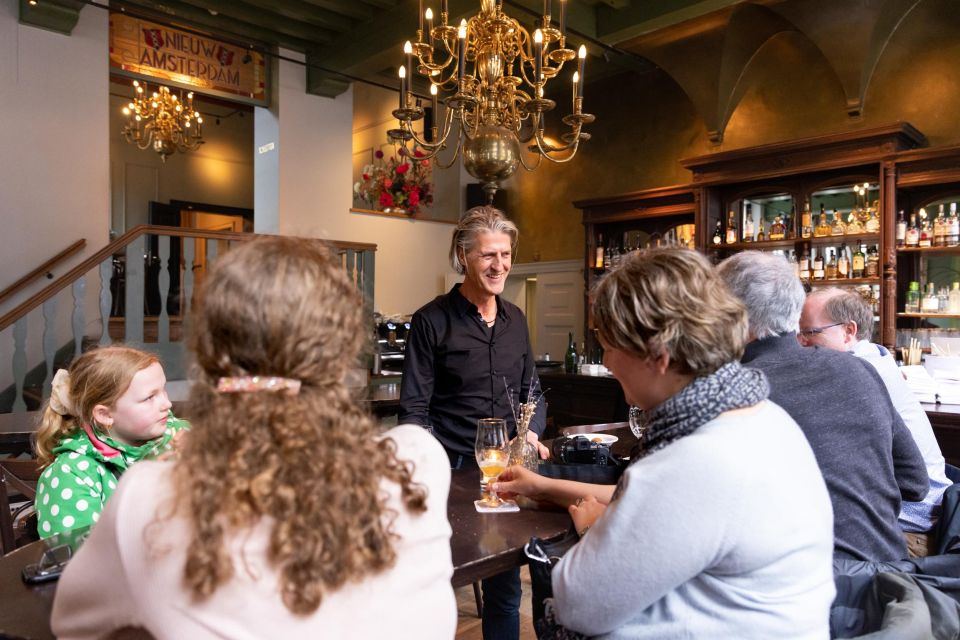
If you’re new to Amsterdam, the best tours do two things. They help you learn how the city eats. Then they give you a map for how the city thinks and talks. This one does that in about 4 hours, walking around the Jordaan area with an easy rhythm.
What makes the experience feel practical is the pacing. You’re not sprinting between landmarks. You’re stopping often enough to taste, ask questions, and stay present. That matters because Amsterdam history can feel abstract if you only see big monuments. Here, the story shows up through food culture and daily habits.
The other smart touch: the guides aren’t coming in with a script and vanishing. They’re Dutch guides who have lived or worked in Amsterdam for at least 15 years, so the commentary lands like personal experience instead of lecture notes. You’ll get answers that feel grounded in real life—what locals care about, what traditions persist, and how people talk about food.
You can also read our reviews of more food & drink experiences in Amsterdam

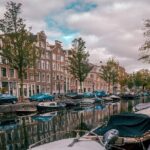
From Papeneiland Café to Café Nieuw Amsterdam: the route basics that matter
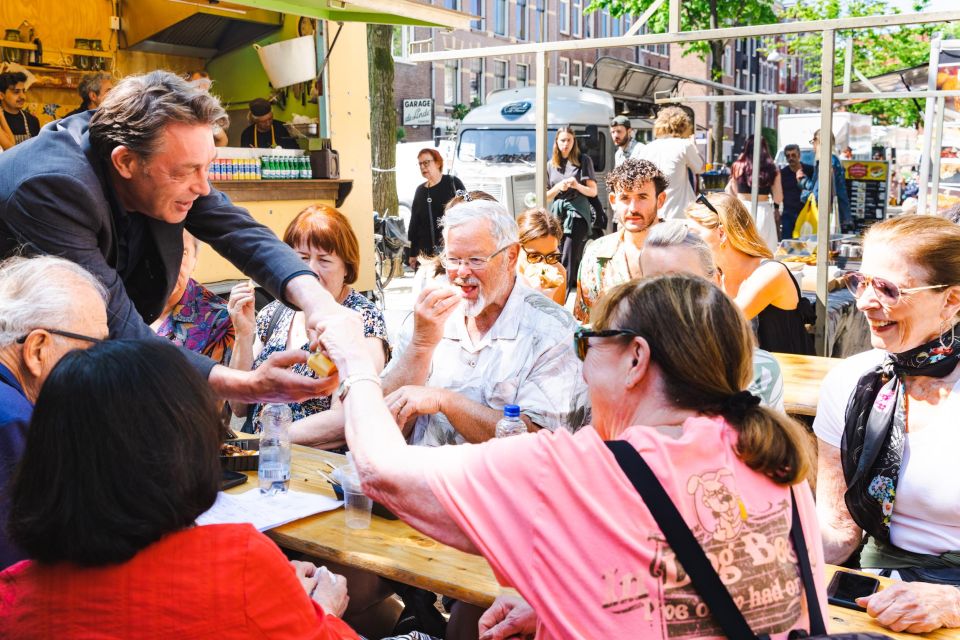
You start at Papeneiland Café. Then you walk through the Jordaan with guided context, not just movement. Expect about 2 kilometers of walking total, and the tour runs rain or shine, so wear shoes you trust on wet cobblestones.
You finish at Café Nieuw Amsterdam, tied to the former 17th-century Dutch West India Company headquarters—the place commonly linked with the birthplace of New York. That finale also connects back to food: it’s a spot where you’ll try traditional bitterballen.
That ending matters because it gives the history thread a clear payoff. Instead of hearing about old Amsterdam and then jumping to a modern meal, you see how the same neighborhoods hold layers: trade, culture, and the snacks that people keep ordering.
What you’ll eat: 6 large tastings, and the menu changes by day
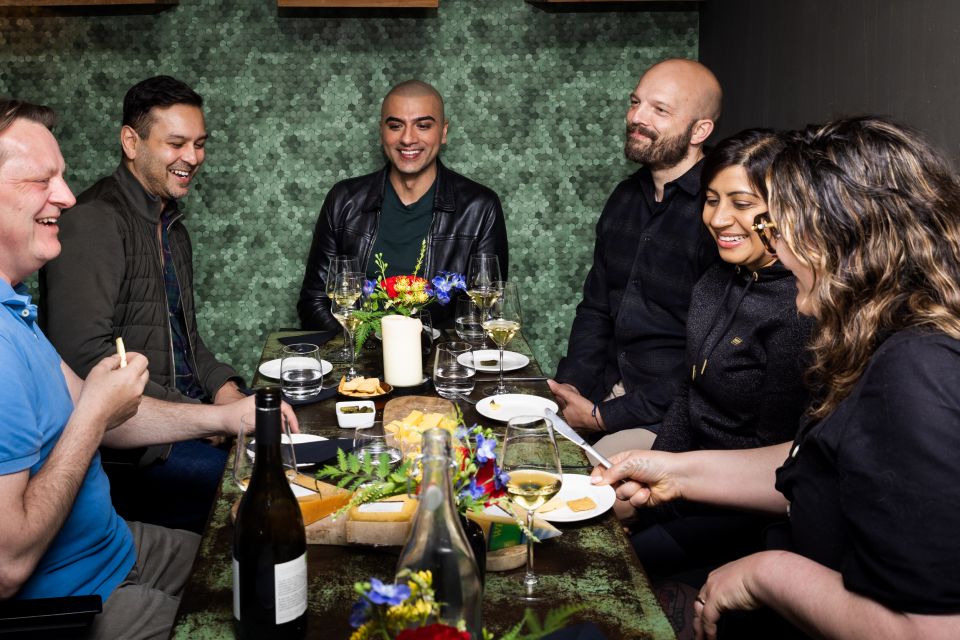
One of the biggest value signals here is variety. The tour includes lots of Dutch food tastings that add up to more like a full meal than a snack parade. You’ll also have drinks at five locations, so you’re not just tasting food—you’re tasting pairings.
The tastings change from day to day because the tour works with small, authentic businesses, and not every shop is open every day. So you don’t just pick a date for convenience; you pick a date for your specific menu.
Here’s what the day-to-day tastings look like:
Sunday and Monday: apple pie, sausage sandwiches, shrimp croquettes, satay, and cheese
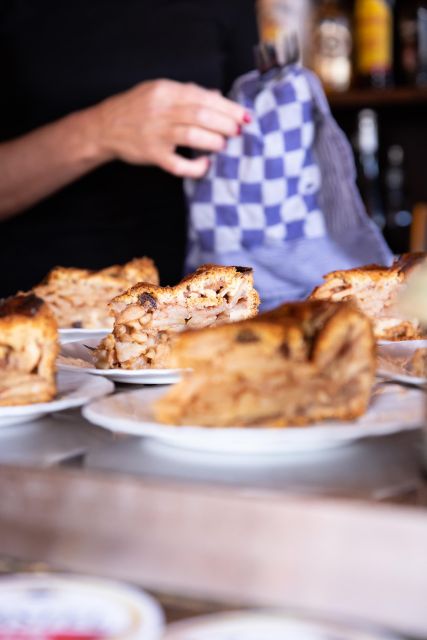
You’ll start with homemade Dutch apple pie in one of Amsterdam’s famous brown cafés. It’s a classic baseline flavor: sweet, comforting, and very Dutch in spirit.
Then you’ll move to a deli stop for a fresh baguette topped with Dutch grillworst. The toppings are part of the point: honey-mustard sauce, mayonnaise, pine nuts, and rocket salad. That combination sounds like a shortcut, but it’s exactly the kind of real-world Dutch sandwich complexity you rarely get on your own.
Next is a Dutch shrimp croquette from Patisserie Holtkamp, one of the standout names on the list. If you like crispy fried bites, this is a key stop.
After that, you’ll head into Indonesian-Dutch influence with freshly grilled Javanese chicken satay, plus peanut sauce, cassava kroepoek, and sambal. Then the sweet finish shows up as handmade Indonesian spekkoek (layered cinnamon cake).
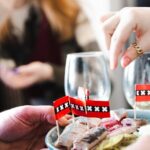
The tour wraps with a cheese sequence: three artisan Dutch cheeses served with crackers and quince pear, plus ossenworst (smoked beef sausage) with pickles and mustard. It’s a lot of flavors in one stretch, but it also shows how Dutch cuisine plays with fruit, smoke, and sharpness.
Tuesday to Friday: sausage, farmhouse cheese, wine in a private room, and fish
These weekdays lean toward a very clear structure: savory classics, then cheese, then a drink pairing, then fish.
You’ll begin again with the homemade Dutch apple pie in a brown café.
Next comes a visit to a 130-year-old family butcher shop for ossenworst and grillworst. This stop feels important because it frames sausages not as random snack food, but as a craft with history.
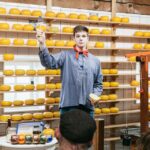
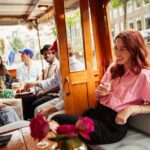
Then you’ll pick up a selection of three farmhouse Dutch cheeses from a boutique deli shop. After that, you’ll do a Dutch wine tasting in a private speakeasy room, paired with the cheeses. If you don’t want alcohol, there are non-alcoholic or beer options available.
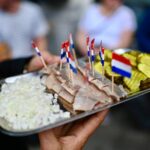
The fish portion follows: the famous Dutch herring, plus fried cod and smoked eel from a local fish shop. That’s a strong progression—salt, fat, and smoke in different forms.
Finally, you end at the same type of finish point: the former Dutch West India Company headquarters area, where you’ll have bitterballen.
You can also read our reviews of more tours and experiences in Amsterdam

Saturday: market-style satay plus the same cheese-and-fish finale
Saturday keeps the same key anchors—apple pie, cheese, the private speakeasy wine tasting, and the fish shop—while swapping in a market setting for one of the savory bites.
You’ll try Indonesian satay with sides at the Saturday Lindengracht market. If you like the idea of eating while you’re surrounded by local market energy, this is the day to choose.
Then the cheese and wine pairing returns, followed by the fish trio: herring, fried cod, and smoked eel. The end point is the same: the Dutch West India Company headquarters area for bitterballen.
The brown café apple pie stop: comfort food that sets the tone
The repeated apple pie stop isn’t an accident. Starting with homemade Dutch apple pie at one of Amsterdam’s brown cafés gives you an instant baseline flavor. It’s sweet, warm, and familiar enough that you can focus on the rest of the menu without feeling overwhelmed right away.
Brown cafés are the kind of places where you feel you’re walking into a real routine. And since the tour includes seated tastings inside, this first stop typically does a good job of calming your feet and your nerves if you’re arriving hungry or a bit jet-lagged.
Sausages and sandwiches: the Dutch flavor lesson you didn’t plan for
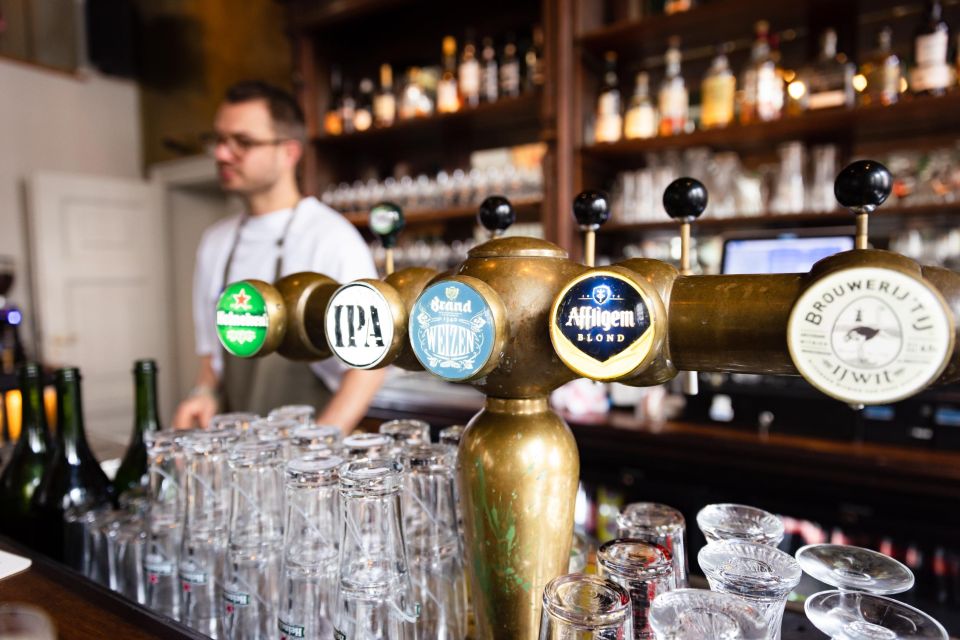
If you think you already know Dutch food from the usual clichés, this tour is designed to nudge you. The menu leans hard into smoked sausages and cheese, but it shows them in real serving contexts.
On Sunday/Monday, the grillworst baguette is built with contrasting elements: honey-mustard sauce, mayonnaise, pine nuts, and rocket. That’s a lot of texture. It also forces you to taste past the meat. The sauce and crunchy bits are doing their own work.
On Tuesday to Friday, you’ll get ossenworst and grillworst at that 130-year-old butcher shop. That’s a different kind of experience than grabbing a random sausage snack. You get the sense that smoked sausage is a daily staple, not a tourist curiosity.
The cheese pairing (whether you’re doing the Sunday cheese spread with quince pear and ossenworst or the farmhouse selection on weekdays) teaches you something practical: Dutch bites often balance salt + dairy + a sharp edge like mustard, pickles, or fruit.
Cheese plus wine in a private room: the stop that feels like a secret
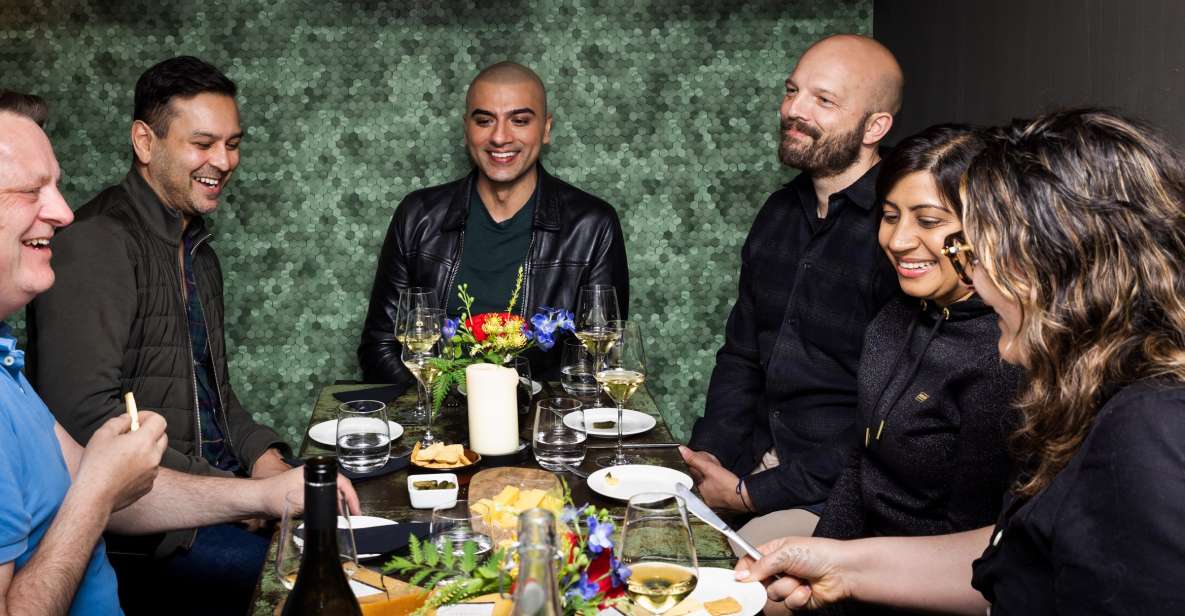
One of the most memorable parts is the Dutch wine tasting in a private speakeasy room paired with the cheeses. This is the kind of stop that feels special because it’s not the standard tasting room setup. It’s quieter, more intimate, and it gives context for what you’re tasting.
Even better: you’re not forced into alcohol. The tour notes non-alcoholic or beer options are available, so you can still do the pairing and keep your pace.
The practical takeaway for you: do this part with room in your stomach. Wine and cheese tastings can be a lot at once, and the tour already includes multiple savory bites. If you arrive starving, you’ll enjoy it more. If you arrive stuffed, pace yourself and trust the guide’s flow.
Fish shop tastings and the bitterballen finish: salty, hot, and satisfying
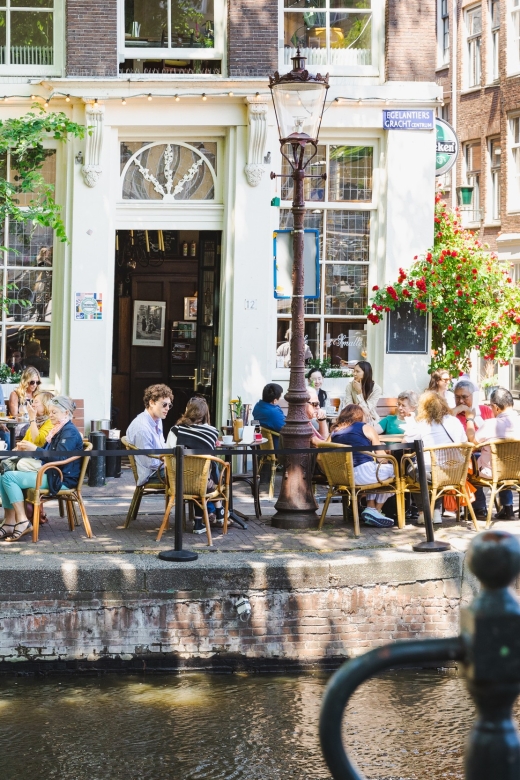
The fish segment is another anchor for the tour’s character. On weekdays and Saturdays, you’ll try the Dutch herring, fried cod, and smoked eel at a local fish shop.
This isn’t subtle cuisine. It’s salty and smoky, and it shows how Dutch cooking handles preservation and strong flavors. If you like seafood, this portion will likely be one of your favorites because you’re getting multiple styles, not just one.
Then you finish at Café Nieuw Amsterdam, tied to the Dutch West India Company headquarters, for bitterballen. That ending works because bitterballen are familiar enough to feel comforting, but they also complete the journey: you started with sweet apple pie, then moved through sausages, cheese, wine, and fish, and now you land on a classic Dutch bar snack.
Guide quality and group size: why it feels interactive, not rushed
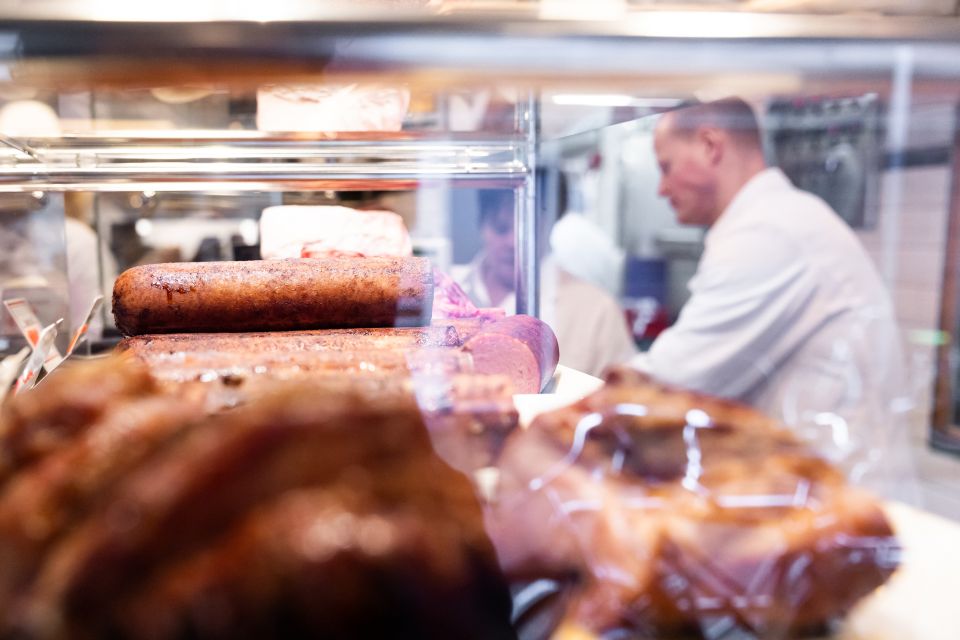
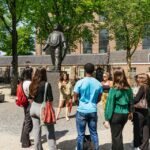
The tour is built for conversation. With no more than 8 guests, the guide can actually respond to what you ask. That’s the difference between a tour that’s informative and a tour that’s useful.
From the guest feedback pattern tied to this experience, the big win is the guide. People point to the tour as informative and note that the food and drink offerings feel generous. That fits what the format is designed to do: lots of seated tastings, drinks at multiple stops, and a guide who’s been in Amsterdam for a long time.
If you enjoy asking, the small group size is a real gift. If you’re the type who just wants to enjoy without talking, it still works because the pacing stays easy.
Price and value: what $147 gets you in real terms
At $147 per person for about 4 hours, you’re paying for three things: a guided experience, multiple tastings, and a curated set of local stops.
The clearest value points are:
- All food and drinks included, with drinks at 5 locations.
- 6 large tastings, not tiny samples.
- Seated tastings inside, which usually costs more than grab-and-go.
- A specific pairing moment with cheese and wine in a private room.
- The small-group cap of 8, which keeps quality consistent.
When I compare this to doing the same route on your own, the time savings and coordination matter. Shopping around for smoked sausage, shrimp croquettes, spekkoek, cheese pairings, and fish tastings across the same area would be doable, but it’s harder to make it feel coherent. This tour does the hard part for you.
Who should book this tour (and who might not love it)
This tour is a strong match if you:
- Want a first-timer friendly introduction to Dutch food and Amsterdam culture.
- Like eating your way through a neighborhood instead of only doing sightseeing.
- Prefer small-group walking tours where you can ask questions.
- Eat meat and seafood and enjoy cheese.
It’s not a fit if you:
- Need vegan food, since the menu includes animal-based ingredients like meats, fish, and dairy.
Also consider your comfort with tasting variety. This is not a one-note menu. You’ll move through pie, sausage, croquettes, satay, cheese, wine, and fish in one go.
Should you book Boutique Dutch Food & History Tour with up to 8 guests only?
I’d book it if you want a compact Amsterdam experience that mixes Dutch food culture with local stories, without turning your day into a checklist. The small group limit and the number of tastings are a practical win. You get seated stops, drinks included, and a guide with deep Amsterdam experience.
The key decision is the day you go. If you want Indonesian influence from the start, pick Saturday for the Lindengracht market satay or Sunday/Monday for the spekkoek-and-satay sequence. If you want the clearest cheese-and-wine structure, aim for Tuesday to Friday.
If you’re vegan, skip it. If you’re a meat-and-cheese-and-fish person who likes your food with context, this is an easy yes.
FAQ
How long is the tour?
It runs for about 4 hours.
What’s the group size?
It’s a small group with a maximum of 8 participants.
How much of the food and drinks are included?
You’ll get lots of Dutch tastings that add up to a large meal, plus drinks at 5 locations. Food and drinks are included, with no hidden costs mentioned.
Is the tour suitable for vegans?
No. The tour is not suitable for vegans.
How much walking is there?
The walking distance is around 2 kilometers.
Where do I meet the guide?
Meet outside the café Papeneiland. Look for your guide with the Amsterdam Food Tours folder.
What if it rains, or I need to cancel?
The tour runs rain or shine. Free cancellation is available up to 24 hours in advance for a full refund.