REVIEW · AMSTERDAM
From Amsterdam: Antwerp & Ghent Full Day Tour
Book on GetYourGuide →Operated by Amigo Tours Spain · Bookable on GetYourGuide
A one-day ticket to two medieval heavyweights. This Antwerp and Ghent trip is interesting because you pack in Gravensteen views, two major churches, and a realistic canal break without feeling like you’re sprinting nonstop. I especially like the way the schedule gives you both guided focus and breathing room, and I love the big set pieces: Saint Bavo’s Cathedral in Ghent and Antwerp’s Cathedral of Our Lady. One drawback to plan for: it’s a long day—14 hours with round-trip bus time—so you’ll want comfortable shoes and patience on the road.
The best part, in practice, is the guide. The names Tony and driver Adrian show up in the guide’s feedback because the storytelling lands before you even reach the sights—then the explanations keep going inside the churches and squares. If you hate walking or need step-free routes, this tour may not work for you since it’s not suitable for wheelchair users or people with mobility impairments.
In This Review
- Key highlights you’ll feel on this tour
- Antwerp and Ghent in One Day: what this bus tour really gives you
- Getting from Amsterdam to Flanders: long bus time, simple rhythm
- Ghent first: Gravensteen to Saint Bavo’s Cathedral
- Grote Markt in Ghent: architecture you can actually use to orient yourself
- Antwerp switch: Grote Markt, Brabo Fountain, and the Cathedral of Our Lady
- The Diamond District: why this neighborhood matters beyond shop windows
- Canal time in Antwerp: walking, photos, and the short boat ride option
- Guide quality: why Tony’s explanations make the sights click
- Price and value: does $226 make sense for this day?
- What to bring, and how to avoid the common day-trip headaches
- Should you book this Antwerp and Ghent day trip?
- FAQ
- How long is the Antwerp & Ghent Full Day Tour from Amsterdam?
- Where do I meet the guide in Amsterdam?
- Is transportation included?
- Are food and drinks included?
- What languages is the guide available in?
- Is there free time in Ghent and Antwerp?
- Is the tour suitable for wheelchair users or people with mobility impairments?
- What should I bring?
Key highlights you’ll feel on this tour
- Gravensteen (Castle of the Counts) first for a fast sense of medieval power and panoramic city views
- Saint Bavo’s Cathedral to see The Adoration of the Mystic Lamb and understand why it matters
- Antwerp’s Cathedral of Our Lady with stained-glass drama and paintings by Rubens
- Two Grote Markts (main squares) where the architecture does the explaining
- Diamond District time to see how Antwerp became a global diamond hub
- Antwerp canals with a walk, plus a short boat ride if time allows
Antwerp and Ghent in One Day: what this bus tour really gives you
This is the kind of day trip that makes sense if you’re already in Amsterdam and want Flanders without messing with trains and transfers. You get a full loop: bus out of Amsterdam, guided sightseeing in Ghent, then Antwerp, then a return to the same Amsterdam meeting point.
The reason it works for many people is the balance. You’re not only dropped at monuments to wander alone. You’re guided at the main stops (churches, castles, squares), and then you get actual free time where you can do your own pacing—coffee, photos, or just resetting your legs.
The “real” value is the concentration. Antwerp and Ghent are both big enough that a casual visit can feel thin. Doing them back-to-back forces you to choose what to notice. The guide helps you focus on the pieces that change how you see the cities: where the wealth came from, what power looked like, and why the art is tied to the buildings you’re standing in.
You can also read our reviews of more tours and experiences in Amsterdam

Getting from Amsterdam to Flanders: long bus time, simple rhythm
You’ll meet the guide at Aloha Bowling (Amsterdam De Ruijterkade 151, 1011 AC). The guide holds a sign for Amigo Tours, and I’d show up at least 10 minutes early for check-in. The tour runs about 14 hours total, so think of it as a full workday plus sightseeing.
There’s bus time on both sides of the day, and that matters because it shapes the tone. This is not a “pop over” excursion. You’ll want to plan for a day that includes sitting, then walking in chunks. Bringing water is smart since food and drinks aren’t included, and you’ll likely be buying something during breaks rather than counting on it being provided.
Also, the walking is described as moderate. That’s good news if you can do a few hours of city walking. It’s not good news if you need mobility support, because the tour isn’t suitable for wheelchair users and people with mobility impairments.
Ghent first: Gravensteen to Saint Bavo’s Cathedral
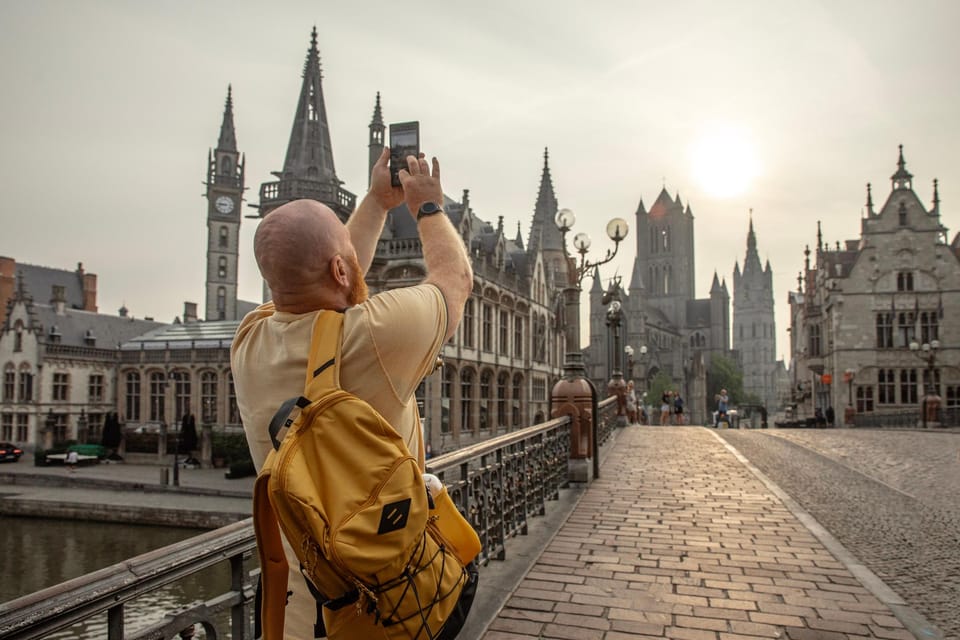
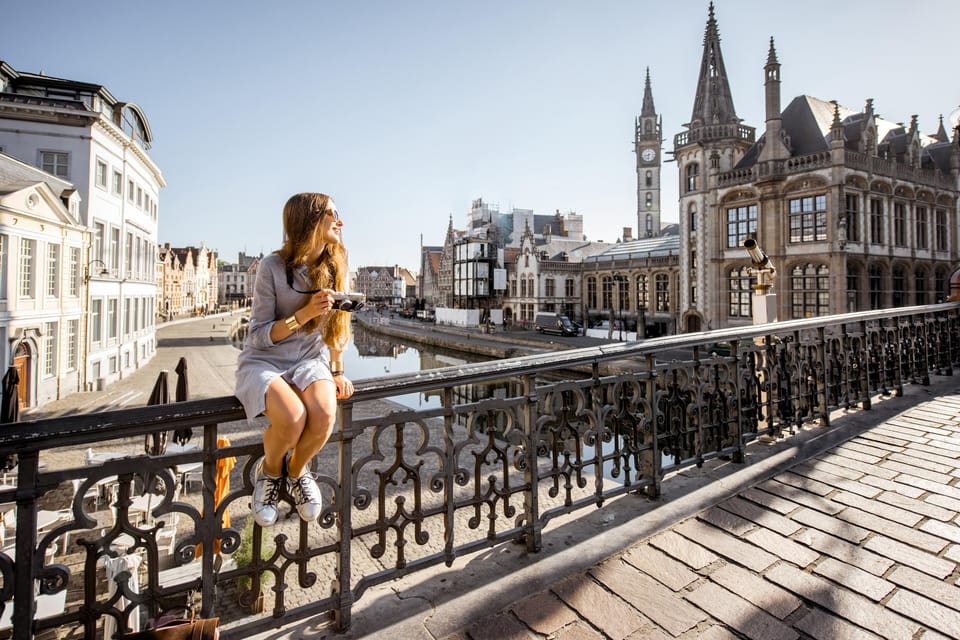
Ghent is where the day gets its medieval backbone. Starting with Gravensteen (Castle of the Counts) is a strong choice because it gives you context before you see the churches and city center. This is a medieval fortress, and even without going into deep technical history, you’ll feel the message: power was built, protected, and displayed.
At Gravensteen, you’ll explore towers and walls and get panoramic views. Views are not just a photo moment here—they help you “read” the city. When you can see how Ghent is laid out, later stops start to make more sense, especially the way the old center clusters around major squares and waterways.
Right nearby is Saint Bavo’s Cathedral (Sint-Baafskathedraal), where the day shifts from architecture to art. This is a Gothic landmark, and the highlight is The Adoration of the Mystic Lamb, one of Flanders’ best-known masterpieces. Even if you’re not an art expert, you’ll benefit from a guide who explains what to look for—how the painting fits its religious purpose, and why it became so famous.
The practical upside: you’re not just looking at one thing. You’re seeing a building type (Gothic cathedral) and then meeting a landmark artwork inside it. That combination sticks.
Possible drawback: cathedral time can mean standing and looking upward for a while. If you’re sensitive to crowds or want long museum-style rest breaks, you’ll probably need to manage your energy during the day.
Grote Markt in Ghent: architecture you can actually use to orient yourself
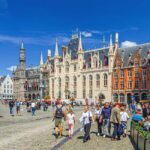
After the fortress and cathedral, you’ll reach Grote Markt, Ghent’s main square. The guided part here focuses on the historic buildings around the square—like the town hall and the guild houses—so you’re not just taking pictures of pretty facades. You’re learning what those buildings represent in a city’s civic and commercial life.
Then you get time for yourself. Use it for two things: get your photos done, and then walk the streets that branch off the square. Ghent rewards slow wandering, but with a day trip, you need a strategy. I suggest you spend your free time doing one short loop rather than crisscrossing randomly. That way you’ll catch the canal-side vibe and come back before your group timing gets tight.
If it rains (and it can in the Low Countries), your square time becomes even more valuable because it’s where you can duck into nearby spots and still keep your bearings.
Antwerp switch: Grote Markt, Brabo Fountain, and the Cathedral of Our Lady
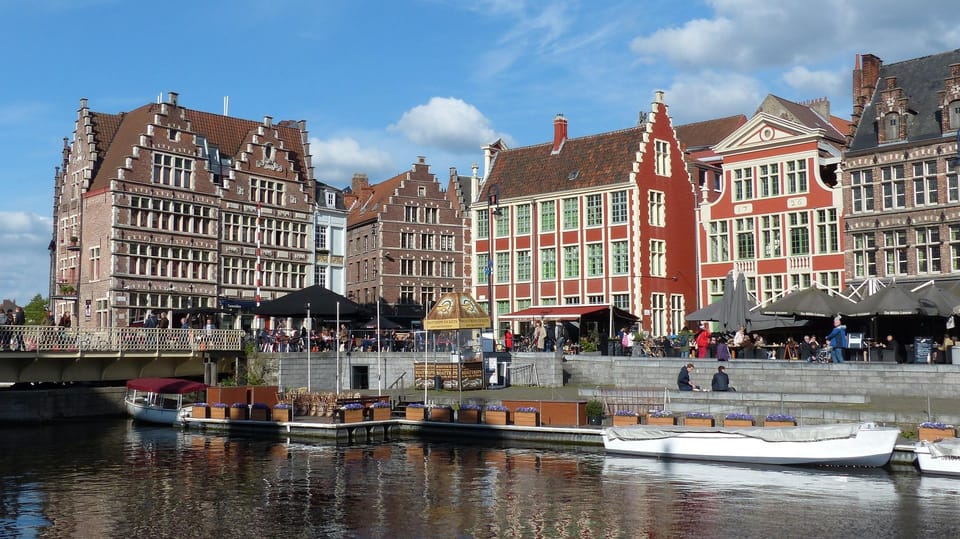
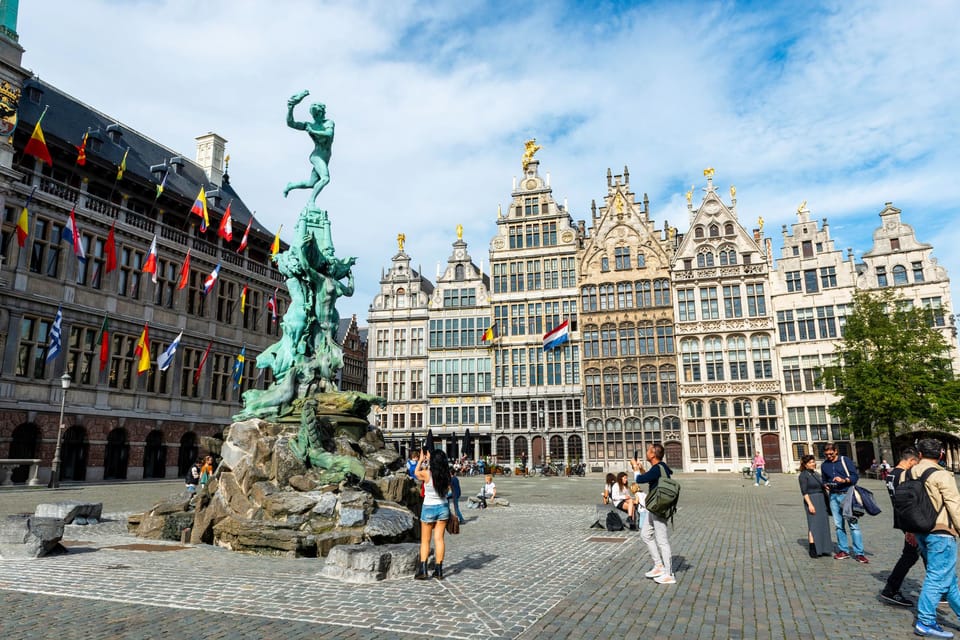
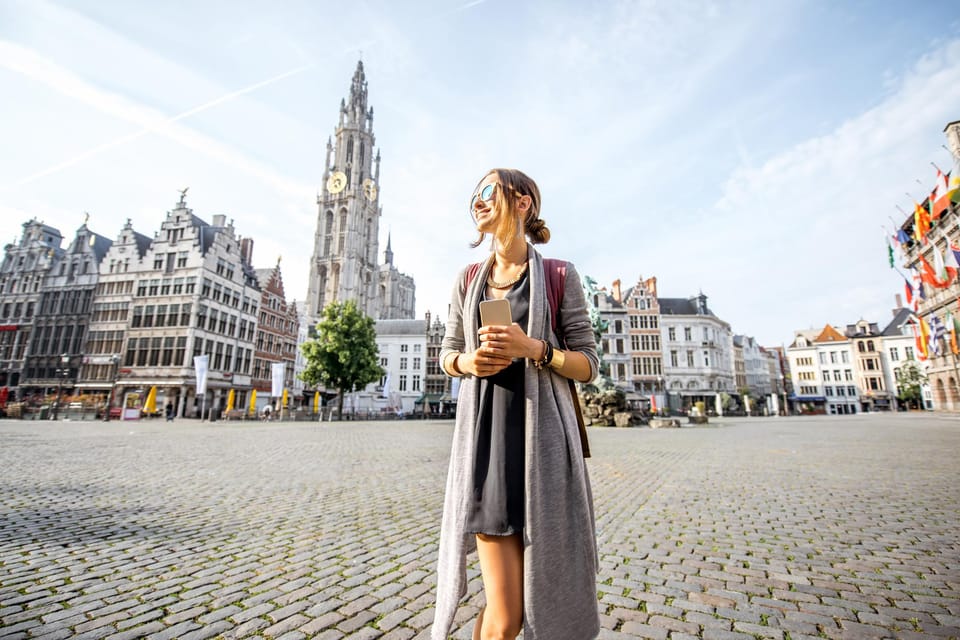
Antwerp brings a different visual personality. You’ll start at the Grote Markt, where the buildings have a Renaissance-style feel. This change in architecture is one of the fastest ways to understand that these are not “two versions of the same city.” Antwerp’s main square looks more elegant and civic, and it sets the stage for what comes next.
One of the practical landmarks is the Brabo Fountain. It ties the city’s identity to a legend: a brave hero defeats a giant. That story isn’t just trivia. It’s a reminder of how Antwerp brands itself—through public art and myths that show up right in the public space you’re standing in.
Then comes Antwerp’s major church stop: the Cathedral of Our Lady. This is a Gothic masterpiece known for housing several paintings by Rubens, and you’ll spend time admiring the towering facade and stained-glass windows. If you’ve ever wondered why people line up for certain churches, this is the kind of place that answers it quickly. The scale and light effects make it feel more like a stage than a simple building.
One tip: don’t rush the windows. Your first glance will be for the big facade, but the windows are where you’ll notice the atmosphere change. If you’re taking photos, try a moment of stillness first. Then take pictures once you’ve adjusted your eyes to the lighting.



The Diamond District: why this neighborhood matters beyond shop windows
After the big cathedral stop, you’ll have time related to the Diamond District. Antwerp’s reputation here isn’t accidental. It’s known as one of the world’s largest diamond trading centers, and the idea is simple: when a city becomes a hub for a high-value craft, entire streets and businesses form around it.
What’s useful about this part of the day is that it gives you a different angle on the region’s wealth. You’ve already seen medieval power and church art. Now you see the modern economic engine that keeps Antwerp on the world map.
The streets are lined with jewelry shops, so it can feel shiny and commercial. That’s not a bad thing. Just keep your expectations grounded: you’re walking and learning, not being guaranteed access to behind-the-scenes workshops (none of that is promised here). Look for the signs of how the trade shaped the neighborhood layout and the business focus.
If you’re interested in shopping, this is where you’ll spot the most options. If you’re not, just treat it like a “walk with context” stop. You’ll come away understanding why Antwerp matters to global trade, not only to art fans.
Canal time in Antwerp: walking, photos, and the short boat ride option

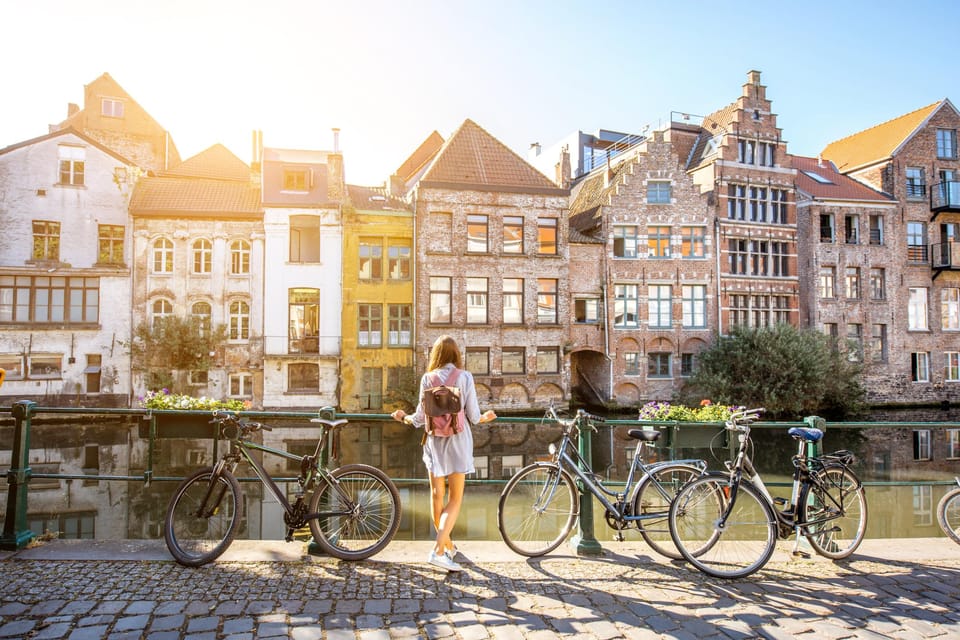
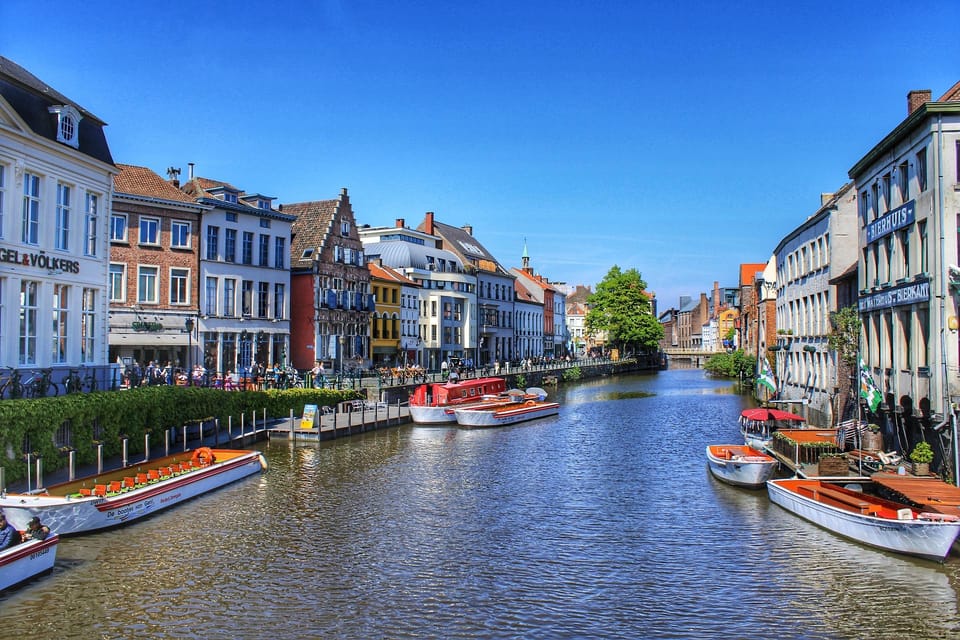
The last act in Antwerp is on the water. You’ll walk along the canals and see historic buildings reflected in them. Reflections are one of those photo advantages you can’t fake—you either get them, or you don’t. On a calm day, this portion becomes a highlight because the city looks softer and more layered.
If time permits, you may also take a short boat ride. Boats are a great last-course move on a day trip because you’re changing perspective without needing extra walking. Even if you don’t get the ride, the canal walk is still valuable because it’s your transition from “big monuments” to “ordinary city life.”
Practical note: this is also where your earlier energy management pays off. If you save your legs for the end, you’ll enjoy the canal walk more instead of just counting minutes.
Guide quality: why Tony’s explanations make the sights click
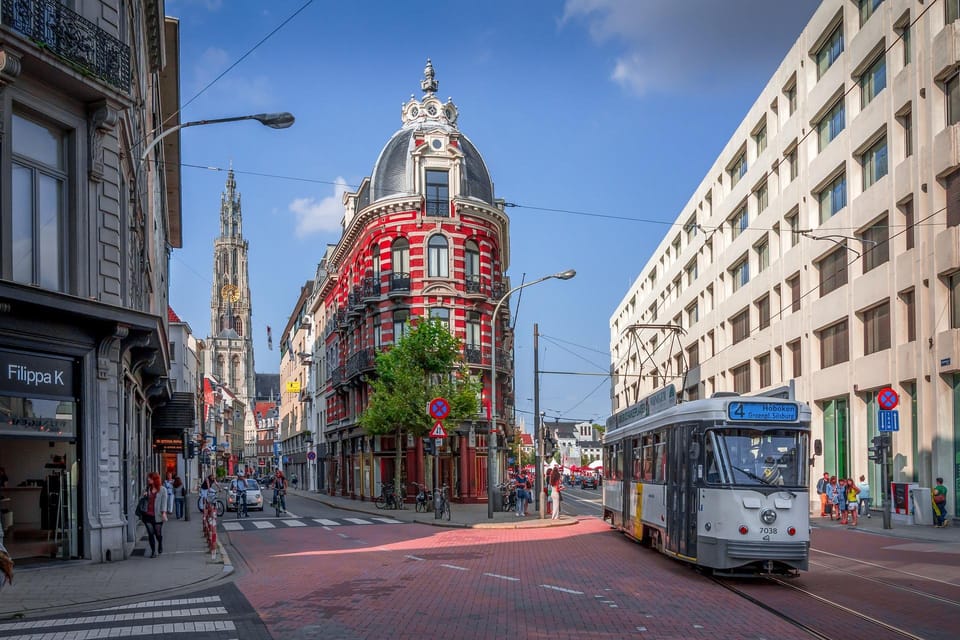
The tour’s strength isn’t only the route—it’s the delivery. Reviews repeatedly point to a guide named Tony who explains not only at the places but also during the ride between cities. That’s a real quality marker. A good road briefing helps you understand what you’ll see next, so the stops feel connected instead of like separate boxes.
The same feedback praises the guide’s knowledge across topics and the enthusiasm behind it. I like that style because it turns architecture and art into something you can actually place in a story: power, wealth, religion, and craft. The tour also gets credit for being empathetic, which matters on a day like this where people arrive tired or with different interests.
Even the driver named Adrian gets mentioned positively. That hints at one more thing: smooth timing and a relaxed pace on the bus. On long day trips, that’s not a small detail. It’s the difference between feeling rushed and feeling taken care of.
Price and value: does $226 make sense for this day?
At $226 per person, this isn’t a bargain-basement deal. But when you break it down, it can make sense—especially if you want a guided day that handles transportation and the core sightseeing plan for you.
Here’s what you’re paying for, based on what’s included:
- Round-trip bus from Amsterdam
- A bilingual professional guide (English and Spanish)
And what you’re not paying for:
- Food and drinks
If you had to do Antwerp and Ghent yourself, you’d still spend time and money on transit plus tickets plus the cost of your own planning time. The guide’s role is the piece that often justifies the price. Seeing Gothic cathedrals and famous artworks without context can turn into quick “pretty photo” moments. With context, you get a more meaningful visit.
The value question comes down to your travel style. If you like structured sightseeing with an expert to point out what matters, this is a good use of money. If you prefer total freedom and you’re comfortable navigating by yourself, you might find a cheaper DIY approach. But DIY won’t provide this specific sequence of highlights.
What to bring, and how to avoid the common day-trip headaches
This tour gives you a clear set of what matters most:
- Comfortable shoes (the walking is moderate)
- Camera (you’ll want it, especially for canal reflections and square scenes)
- Water (food isn’t included)
- Weather-appropriate clothing (check the forecast)
Here’s how I’d prepare so the day feels smooth:
- Eat before the tour if you can, because food isn’t included and you’ll be spacing meals around breaks.
- Pack a small snack if you’re prone to getting hungry mid-afternoon.
- Keep your belongings secure in crowded places, since crowded tourist zones can attract pickpockets.
- If you’re photo-heavy, charge devices before you leave Amsterdam and bring a light battery pack.
Also, keep realistic expectations about pacing. You’ll have free time in Ghent and Antwerp, but it’s still a group day with fixed timing. Decide early how you want to use your free time: photos, coffee, or walking a side street—not all three at maximum intensity.
Should you book this Antwerp and Ghent day trip?
I’d book it if you want the best of Antwerp and Ghent in one day and you like guided storytelling that connects the art and architecture to the bigger picture. The standout stops—Gravensteen, Saint Bavo’s Cathedral, Antwerp’s Cathedral of Our Lady, the main squares, plus the diamond and canal sections—are exactly the kind of highlights you’d struggle to sequence well on your own.
I wouldn’t book it if mobility is an issue, since it isn’t suitable for wheelchair users or people with mobility impairments. And if you’re the type who hates long bus days, plan for a slower day afterward in Amsterdam.
If you do book, show up on time at Aloha Bowling, wear your most comfortable shoes, and bring water. Then let the guide do what they’re best at: turning a busy itinerary into a coherent day you’ll remember.
FAQ
How long is the Antwerp & Ghent Full Day Tour from Amsterdam?
The tour duration is listed as 14 hours (starting times vary based on availability).
Where do I meet the guide in Amsterdam?
Meet the guide in front of Aloha Bowling at Amsterdam De Ruijterkade 151, 1011 AC. The guide will be waiting with a sign of Amigo Tours.
Is transportation included?
Yes. The tour includes round-trip transportation by bus from Amsterdam.
Are food and drinks included?
No. Food and drinks are not included, so you’ll need to purchase them during breaks.
What languages is the guide available in?
The live tour guide is available in English and Spanish.
Is there free time in Ghent and Antwerp?
Yes. The schedule includes free time in Ghent and free time in Antwerp after the guided parts.
Is the tour suitable for wheelchair users or people with mobility impairments?
No. It is not suitable for wheelchair users or people with mobility impairments.
What should I bring?
Bring comfortable walking shoes, a camera, water, and weather-appropriate clothing.