REVIEW · AMSTERDAM
Amsterdam: 2.5-Hour Historic Private Walking Tour
Book on GetYourGuide →Operated by Jan's Fietstaxi · Bookable on GetYourGuide
Amsterdam’s secrets show up fast.
This 2.5-hour private walk takes you through Amsterdam’s center with a guide who steers you toward the city’s standout buildings and squares, from the east-side old fabric to the river crossings. I like that it stays focused—no wandering for the sake of it—and that it’s built around specific places like Nieuwmarkt and the Begijnhof rather than generic photo stops. One thing to think about: you’ll need to walk continuously for at least 45 minutes without sitting, so it’s not a fit if your stamina is limited.
What I really like here is the mix of architectural details and lived-in alley energy. You’ll spend real time with the city’s gable stones and places such as the House of Riga and the former Hidden Church, then roll that sense of place into the narrow street lanes near the Red Light District and Nieuwmarktsquare. I also enjoy how the pace shifts toward quieter corners, especially the Begijnhof courtyard and the nearby Civic Guards Gallery with its original paintings.
The main drawback is simple: the tour is walking-first. If you can’t comfortably do long stretches on foot, you’ll feel rushed or uncomfortable, even with a break at a major square.
In This Review
- Key highlights you’ll actually notice
- Why this private 2.5-hour Amsterdam walk feels different
- Starting at Victoria Hotel: how the tour sets its direction
- The gable-stone and Riga stretch: the architecture you’ll remember
- Red Light District narrow streets: what it’s like on foot
- Nieuwmarktsquare and the old gateway site: a strong anchor stop
- Rembrandtsquare, the Amstel river intersections, and the Seven Bridges feel
- Spui to Begijnhof: the quiet shift that makes the tour worth it
- Break time at Rembrandtsquare or Amstelveld: use it smart
- Price and value for a group up to 4
- Who should book this tour (and who should skip it)
- My quick booking decision: should you sign up?
- FAQ
- FAQ
- Where is the tour meeting point?
- How long is the Amsterdam historic private walking tour?
- What is the price for this tour?
- Is the tour private?
- What languages are available?
- Is pickup included?
- What’s included in the tour?
- Is food or drinks included?
- How much walking do I need to do?
- What are some of the main places you pass or visit?
Key highlights you’ll actually notice
- Gable stones, Riga House, and the former Hidden Church in one tight route
- Nieuwmarktsquare and the late-1400s gateway site area as you move through the older core
- Red Light District narrow streets passed on foot with a guided lens, not a drive-by
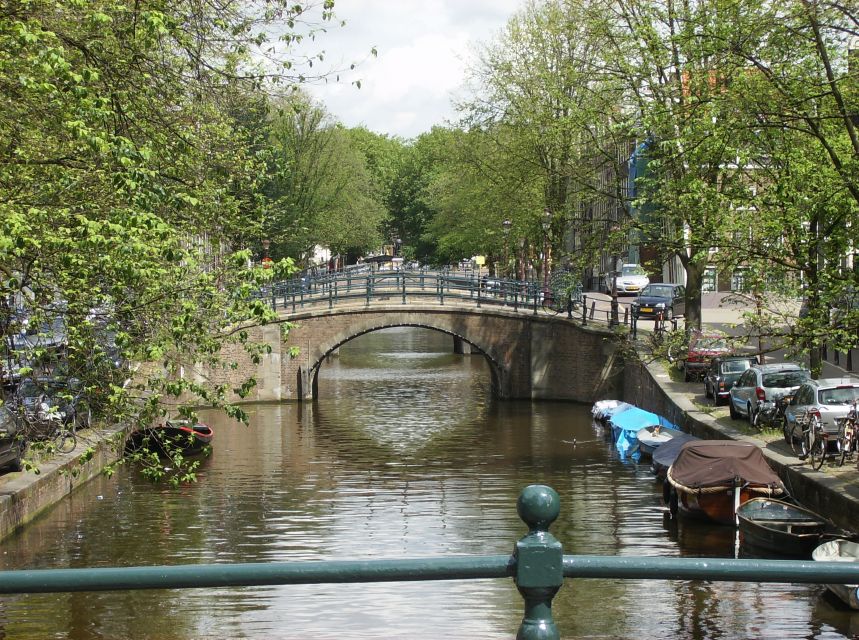
- Rembrandtsquare → Amstel river viewpoints with the Seven Bridges area intersections
- Begijnhof courtyard plus Civic Guards Gallery and its original paintings
- A built-in break at Rembrandtsquare or Amstelveld so you can reset
Why this private 2.5-hour Amsterdam walk feels different
Amsterdam can feel like a choose-your-own-adventure city—until you realize you’re paying for confusion. This tour solves that by giving you a clear route with meaningful stops, centered on the historical streets and civic squares people actually use to orient themselves.
The private format matters. You’re not stuck with the slow shuffle of a large group or the fast yank of someone else’s agenda. In practice, that makes it easier for the guide—often Jan—to adjust when you already know parts of town, or when you want more of the small streets and hidden-feeling interiors. It’s also easier to hear the stories without competing with a crowd.
Timing-wise, 2.5 hours is long enough to see several distinct neighborhoods, but short enough that you don’t feel like you’ve committed to an all-day event. For first-timers, it’s a strong orientation. For repeat visitors, it’s a chance to revisit Amsterdam with fewer obvious stops and more “wait, what’s that?” moments.
You can also read our reviews of more walking tours in Amsterdam



Starting at Victoria Hotel: how the tour sets its direction
You meet at the Victoria Hotel, directly opposite Central Station. That location is practical: you can arrive from the train or nearby tram connections without hunting. It also sets expectations—this is a walking tour built to move.
From there, the route heads along the eastern side of the city, which is where you can often spot a lot of the older street fabric. You’ll pass a large collection of so-called gable stones, and you’ll get pointed commentary as you go. That detail is important. Without context, you can walk right past stone carvings and think they’re just decoration. With a guide, you start noticing patterns and why certain facades feel like they belong to a specific time.
Another useful early stop is the way the guide brings you to the House of Riga and the former Hidden Church. These aren’t just names thrown on a list. They help you understand that Amsterdam’s story isn’t only on big monuments—it’s also in smaller building histories and the way space is tucked between streets.
The gable-stone and Riga stretch: the architecture you’ll remember
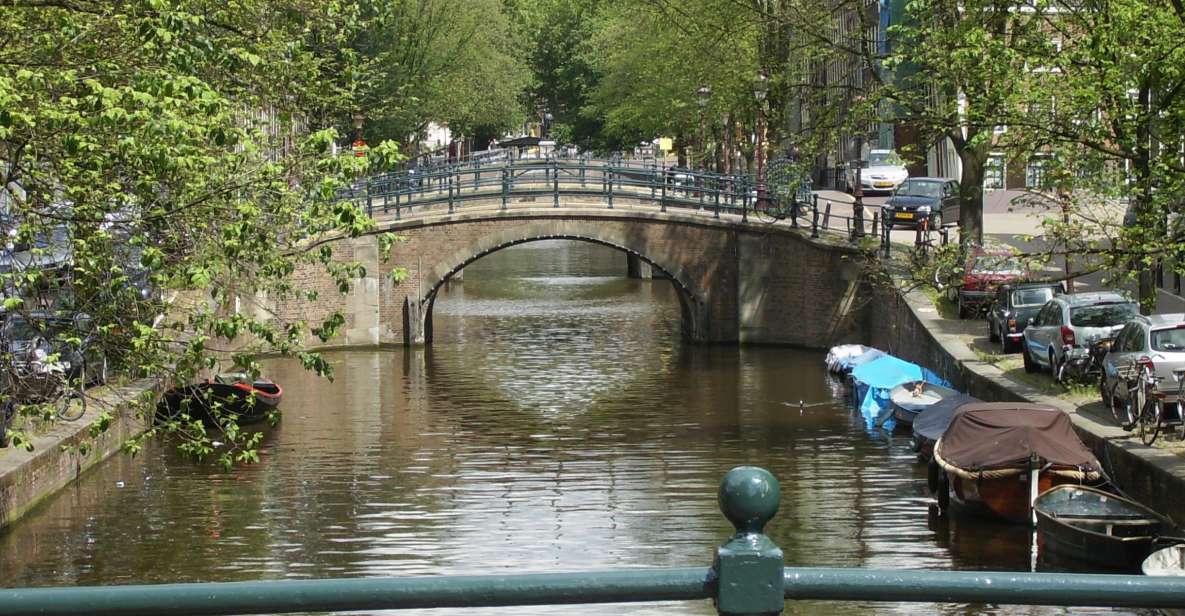
This part of the walk is where the tour earns its keep. Amsterdam is famous for canals, but you’ll get more satisfaction from looking up at the buildings. Gable stones and decorative building details are one of the best shortcuts to understanding what kind of city this was and how it looked along the street.
You’ll see a large collection of these stones as you move. I love this approach because it trains your eye. After 20–30 minutes of guided pointing, you start spotting clues on your own—even when you later wander without the guide.
From there, the tour routes you through places such as the House of Riga and the former Hidden Church. Even if you don’t memorize every detail, you’ll walk away with a better sense of how Amsterdam’s hidden spaces and older structures sit side by side. The former Hidden Church is especially effective on a walking tour because you encounter it through approach and proximity, not from a distance.
One practical note: if you’re the type who stops for photos nonstop, pace can slip. The guide’s job is to keep things moving while still giving you time to look. If you know you’ll need extra time with photos, keep them to a couple of key shots and let the rest be “look while walking” moments.
Red Light District narrow streets: what it’s like on foot
Yes, you pass through the Red Light District—specifically along some very narrow streets. The key difference here is that you’re not there to treat it like a spectacle. You’re passing through it as a historical neighborhood segment, and the guide’s role is to keep you grounded in what you’re seeing and where you are.
This is exactly the kind of stop that can be awkward without context, and that’s why a private guide helps. The tour doesn’t linger to make it uncomfortable or sensational. It’s integrated into the day’s movement toward major squares and the older city core.
Expect to feel Amsterdam’s density in a very physical way—closer buildings, tighter passages, and a street-level intensity that’s different from open plazas. If you’re sensitive to crowds or visual intensity, you may want to plan ahead with a calmer mindset and good timing (midday tends to be less dramatic than late-night energy, though exact crowd levels vary).
And if you’re thinking, is this tour for me? It probably is if you like city realism—how places actually function—rather than a polished walking postcard.
Nieuwmarktsquare and the old gateway site: a strong anchor stop
Next up is Nieuwmarktsquare. You’ll see it as a major stop and also as a historic reference point, including the former gateway to the city dating back to the late 1400’s.
This is one of those moments where a square does two jobs at once. First, it helps you orient geographically. Second, it gives you a “before and after” feeling for the city’s growth—how you moved through Amsterdam as a destination and how that structure has shifted over time.
What I like about using a square here is that it breaks the walking rhythm. Narrow streets are mentally tiring. A bigger space lets your brain reset, and it also makes it easier to hear your guide’s explanations for the next leg. Plus, it sets you up for the route that leads to Rembrandtsquare and the river area.
If you’re someone who tends to forget which direction you’re walking, squares like this are your lifelines. They also give you a sense of where to return later on your own.
You can also read our reviews of more private tours in Amsterdam






Rembrandtsquare, the Amstel river intersections, and the Seven Bridges feel
After Nieuwmarkt, the walk connects you toward Rembrandtsquare and then toward the Amstel river. Along the way, you’ll pass mansions with large late-century ornaments. That detail matters because it contrasts with the earlier building textures. Amsterdam isn’t frozen in one style, and this segment makes that difference visible.
Then you reach the river area, where you can look around at the intersections of the Amstel River. The tour also includes the Seven Bridges area. The best part of this kind of stop on foot is the angle. From street level, bridges feel like part of a choreography—streets funnel you to the water, then the crossings pull your gaze onward.
I also like that the route doesn’t treat the river as a one-look-and-done view. You’re given space to look, but you’re also still in motion. That keeps the walk from turning into a long photo session where you’re standing still trying to find the “perfect” view.
If you want practical advice: plan to bring a light layer if it’s windy. Waterfront crossings can feel cooler than streets, and you’ll be standing still long enough to notice it.
Spui to Begijnhof: the quiet shift that makes the tour worth it
The walk moves toward the Spui, and that’s another helpful signpost. Streets around the Spui tend to feel like a working part of the city, and that sets up what comes next.
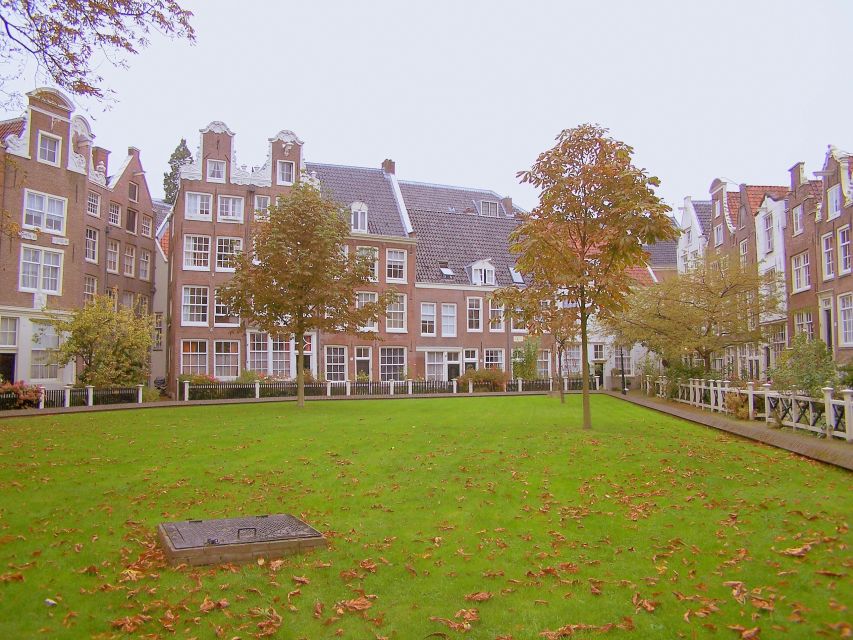
From there, the tour takes you to the Begijnhof courtyard. This is where you get a clear change in tone: more enclosed, more hushed, and less about the big outward street scene. It’s the kind of place where you slow down automatically because it’s physically arranged to make you notice stillness.
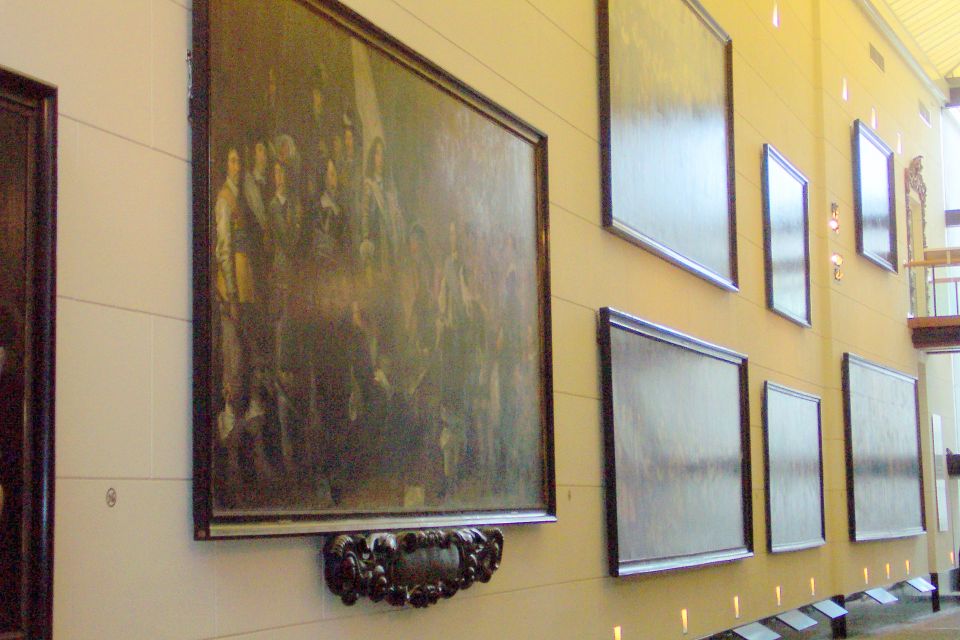
Nearby is the Civic Guards Gallery with its original paintings. This is a strong pairing with Begijnhof because it keeps the theme of “place and people” rather than switching to random interior stops. The courtyard gives you atmosphere; the gallery gives you material you can look at and connect to the city’s civic life.
In terms of your viewing experience, this is also where you’ll get the most out of a good guide. With the right explanation, you’ll focus on what matters in the space instead of just feeling like you’re walking through another pretty courtyard.
Break time at Rembrandtsquare or Amstelveld: use it smart
During the tour, there’s time for a break at either Rembrandtsquare or Amstelveld. That’s not just a “sit down” perk. It’s a practical planning feature—this route includes enough walking that a scheduled reset can make the rest of the walk more enjoyable.
When you take the break, do two things:
- Take a few minutes to look back the direction you came from. It helps you mentally map the route.
- Decide what you want to follow up on afterward. If you’re the type who likes to explore more after a tour, you’ll leave with a shorter list of next targets.
This also helps you avoid the common mistake of trying to do the entire city right after a walking tour. Amsterdam is big on wandering, but you’ll enjoy it more if you recover a little and then choose your next area with intention.
Price and value for a group up to 4
At $283 per group (up to 4 people) for 2.5 hours, you’re paying for a private guide and a structured route through multiple landmark stops. That price can look steep if you compare it to cheap group tours, but that comparison ignores what you’re buying: time efficiency, route flexibility, and the chance to get your questions answered without shouting over strangers.
If you’re traveling as a couple or with two friends, the per-person cost can feel much more reasonable, especially because the guide covers several distinct “themes” in one walk: architectural details (gable stones and ornaments), city squares (Nieuwmarktsquare, Rembrandtsquare, and Amstelveld), and quiet interior space (Begijnhof and nearby Civic Guards Gallery).
One more value point: the tour’s private nature helps with repeat-visitor satisfaction. If you’ve been to Amsterdam before, you still get value because the guide can aim you toward what you likely haven’t noticed yet, especially those smaller lanes and hidden-feeling spaces.
In short: I think this is good value when you want a guided eye for details, not just a checklist.
Who should book this tour (and who should skip it)
This is a great fit if you:
- Like walking city streets and looking up at buildings
- Want to see major squares and also escape into quieter courtyard space
- Prefer a private route that can respond to your interests
- Appreciate guided commentary that helps you notice details beyond the obvious
It’s also a solid choice for people who want to avoid the feeling of being swept along in a big group. A private guide makes it easier to slow down when something catches your attention.
Skip it if you:
- Can’t handle at least 45 minutes of walking without sitting down
- Have mobility limitations that make continuous walking difficult
- Want a low-effort tour where you mostly stand still or ride between sites
My quick booking decision: should you sign up?
If your goal is a focused look at central Amsterdam through architecture, squares, and one quiet reset at Begijnhof, this tour is a smart booking. The route is structured enough to feel productive, but varied enough that you won’t feel stuck in one kind of scene.
I’d book it if you enjoy walking, want a private experience, and like the idea of learning how Amsterdam’s buildings and public spaces relate to each other. I wouldn’t book it if your legs need frequent rest or if long continuous walking is a problem—because the tour is designed to keep moving.
FAQ
FAQ
Where is the tour meeting point?
The tour starts at the Victoria Hotel, opposite Central Station.
How long is the Amsterdam historic private walking tour?
It lasts 2.5 hours.
What is the price for this tour?
It’s $283 per group up to 4 people.
Is the tour private?
Yes. It’s a private group experience.
What languages are available?
The live guide offers Dutch and English.
Is pickup included?
Yes. Pickup is included from any hotel, railway station, or another agreed-upon location in central Amsterdam.
What’s included in the tour?
The guided tour is included.
Is food or drinks included?
No. Food and drinks are not included.
How much walking do I need to do?
You need to be able to walk for at least 45 minutes without sitting down, and it’s not suitable for people with mobility impairments.
What are some of the main places you pass or visit?
You’ll see the Riga House and Congac House, the Red Light District and Nieuwmarkt/Nieuwmarktsquare, the Begijnhof, and the nearby Civic Guards Gallery with its original paintings, plus the Amstel river area near the Seven Bridges.