REVIEW · AMSTERDAM
Private Amsterdam Red Light District tour with food tastings
Book on Viator →Operated by Trigger Tours · Bookable on Viator
Neon lights can wait. This private Amsterdam Red Light District tour mixes street-level reality with guided history and food tastings that keep it from feeling like a drive-by. It’s a fast, 2-hour walk with a guide who gives the why, not just the what.
I really like two things here. First, you get clear explanations of the district’s history and culture, including prostitution and coffeeshop life, with context that makes the area easier to read. Second, the route threads in surprising older landmarks like the Waag and Pub The Ape, so you’re not only focused on headlines.
One consideration: the subject matter is adult and sometimes uncomfortable. If you’d rather keep things strictly art-and-architecture, this may feel more intense than you expect, even though the tone is informative.
In This Review
- Key highlights worth knowing
- How the tour feels in real time
- Price and what you’re actually paying for
- Where you start: getting anchored near Prins Hendrikkade
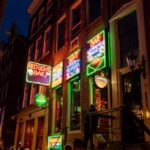
- Entering the Red Light District with real context, not just images
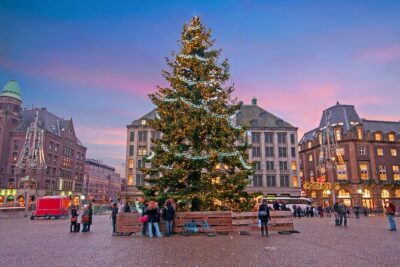
- Dam and the story of Amsterdam’s wooden foundations
- Old Town roots: why this area feels the oldest
- Pub The Ape (Int Aepjen): the wooden building that survived
- Waag: from city gate to guilds and crafts
- The smallest house and the VOC storage-to-home story
- The condom shop since 1987: modern culture in a historic street
- Food tastings: why they make the tour work
- Guides and pacing: what stood out from named guides
- Who should book this (and who should think twice)
- Should you book this private Amsterdam Red Light District tour with food tastings?
- FAQ
- How long is the private Amsterdam Red Light District tour with food tastings?
- Is this tour private?
- Is the tour offered in English?
- Are food tastings included?
- Where is the meeting point?
- Will I get confirmation after booking?
- Can I cancel for free?
- Are service animals allowed?
Key highlights worth knowing
- Food tastings built into a guided Red Light District walk so you eat while you learn
- Expert guide facts that go past the usual guidebook blurbs
- Old Town stops that connect the district to Amsterdam’s earliest parts
- Pub The Ape (Int Aepjen), a rare surviving wooden building from around 1540
- Waag and guild history, plus the city gate story behind it
- A condom shop since 1987, used here as a way to talk about modern sexual health culture
How the tour feels in real time
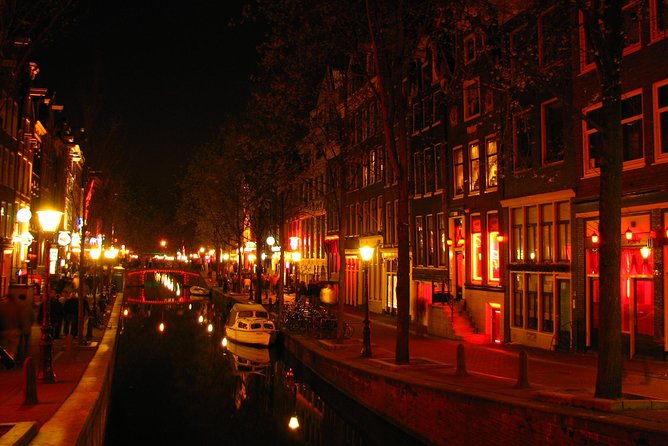
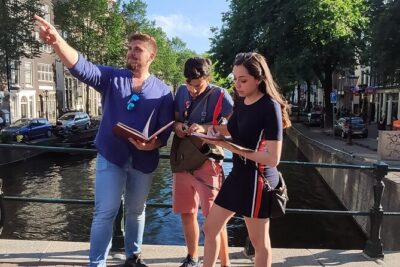
This is a private, 2-hour walk designed for first-time visitors and curious repeaters alike. The pace is meant to be social, not stressful: short explanations, then you move, then you look again with new context. And because it’s private, you can shift what you focus on as you go.
The big reason this tour works is that it refuses to treat the Red Light District as a single-note attraction. You’ll still see the famous streets, but you’ll also get a guided story that connects the area to Amsterdam’s older building patterns, city gates, guild life, and changing views of sex and commerce.
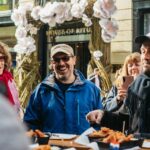
You’ll also get food tastings at different stops. Even if you’re not a huge foodie, I like this approach because it gives your eyes a break. You’re not only staring at storefronts and windows; you’re pausing, tasting, and hearing how the neighborhood became what it is.
You can also read our reviews of more food & drink experiences in Amsterdam


Price and what you’re actually paying for
At $121.52 per person for about 2 hours, this is not a budget group tour price. You’re paying for privacy, a guide-led route, and the included tastings. In plain terms, you’re buying time with someone who can answer the questions people usually hesitate to ask.
The value calculation gets easier when you compare it to piecing together your own walk from multiple stops. Here, the tour stitches together architecture, city history, and culture, and it does it in one efficient loop. It’s also offered in English, and the format includes mobile ticketing and a set meeting point, which helps you avoid the usual Amsterdam day-of chaos.
One more value point: the tour can be customized to your interests. That matters because the Red Light District can mean different things to different people. If your priority is history, you can steer that way. If your priority is how the place works culturally, your guide can spend more time on that angle.
Where you start: getting anchored near Prins Hendrikkade
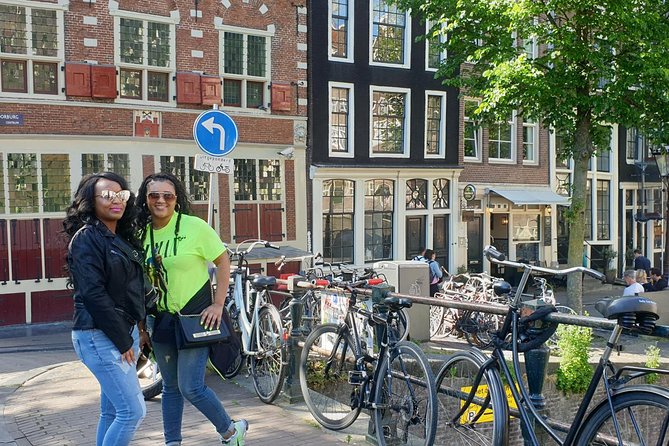
You meet at ParkBee Parking in the area near NH Collection Amsterdam Barbizon Palace on Prins Hendrikkade (1012 AD). That’s a practical start point if you like being near public transport and easy access to the center.
I like starting the walk from a real city gateway area rather than a hidden backstreet. It helps you settle your bearings fast and get into the right mindset before you enter the densest part of the district.
You’ll also end back near the start, so you’re not committing to an awkward one-way journey. For a 2-hour experience, that back-to-base finish is a small detail that makes the whole plan feel simpler.
Entering the Red Light District with real context, not just images
The tour’s core is the Red Light District itself, where you’ll learn about prostitution and coffeeshop culture. A good private guide here doesn’t just list facts. They explain how the neighborhood became a magnet for visitors, how Amsterdam has historically handled social behavior, and why you’ll see both tourism and local life mixed tightly in the same streets.
The guide also passes major landmarks along the way, including the Old Church and Chinatown. That’s important because it widens your perspective. The district isn’t an isolated bubble; it sits next to other historic areas, and it shares the city’s constant reshaping.
If you’re the type who normally walks past street details, this is where you’ll slow down. The point is to understand why certain sights are exactly where they are, and why Amsterdam’s approach to this topic is different from the tourist version you might expect.
Dam and the story of Amsterdam’s wooden foundations
One of the more fascinating stops isn’t about sex or nightlife. It’s about engineering: how Amsterdam became Amsterdam, built on poles.
You’ll hear the explanation about Amsterdam’s soil layers: thick fen and clay, plus a sandy layer about 11 meters deep. Since old times, houses were built on wooden foundation piles driven down into clay, peat, and water until they hit solid sand. That foundation trick is one reason so many older-looking buildings can still stand in a city that’s basically floating on water and soft ground.
This might sound like a classroom moment, but it pays off. Once you understand the building “skeleton” of the city, you start noticing details differently. You’re no longer just seeing old facades. You’re also thinking about how the city survived floods, shifting ground, and centuries of rebuilding.
And it gives a grounded contrast right before you step back into the district’s more theatrical street life.
You can also read our reviews of more tours and experiences in Amsterdam





Old Town roots: why this area feels the oldest
You also get a specific reminder that you’re in a part of the Red Light District that overlaps the Old Town area. Translation: you’re walking through the oldest layers of the city, which is why there’s so much history packed into short distances.
This matters because Amsterdam’s history isn’t only about famous paintings and canals. It’s also about where markets, gates, trades, and housing decisions happened. The Red Light District is often treated like a modern spectacle, but your guide connects it to older civic patterns: where people lived, traded, and regulated social order.
If you enjoy tracing a city’s logic, you’ll like this part. It turns random streets into a coherent map.
Pub The Ape (Int Aepjen): the wooden building that survived
Pub The Ape, also called Int Aepjen, is a stop that really changes how you see the neighborhood. It’s built around 1540 and is one of only two remaining wooden buildings in Amsterdam.
The story behind it is dramatic. After a big fire in 1452, the government decided buildings should have brick facades. So when you see a surviving wooden structure like this, it becomes more than a pub. It becomes a time marker for a specific period of building rules before the brick era.
I like that the tour includes this, because it gives you a rare physical reminder that Amsterdam used to look and be constructed differently. And it’s memorable in a way that photos don’t always capture. You can practically feel the age in the building materials.
Waag: from city gate to guilds and crafts
Next up is the Waag, built around the 1400s. You’ll learn it used to be one of Amsterdam’s city gates as part of a defensive wall, then later it became a center for guilds—craftsmen organizations—both inside the building and around the square.
This is a great stop for anyone who likes the mechanics of how cities worked. City gates weren’t only for defense. They controlled movement and supported commerce. Then as the city changed, those same structures found new jobs.
Knowing this before you look around helps a lot. Instead of seeing a “cool old building,” you see a former gate structure that once mattered for trade. And once you know it was tied to guild life, you also start noticing the surrounding civic pulse of the area.
The smallest house and the VOC storage-to-home story
You’ll also visit the smallest house of Amsterdam, built around the 1700s. The earlier use is the standout detail: it first served as storage for the VOC trading company. Later, people began living in the house for a long time.
That “storage first, living later” arc is a reminder that Amsterdam history isn’t only about wealth and showpieces. It’s also about packing, practicality, and how space gets used when economies shift.
For me, this stop lands because it’s the kind of detail most people miss on their own. A small house is easy to walk past. A guided explanation turns it into a story about trade, daily life, and how unusual housing choices can become part of the city’s long memory.
The condom shop since 1987: modern culture in a historic street
One of the last stops brings you into a very different kind of history: sexual health and retail, right alongside old streets.
You’ll hear about the world’s first condom shop special for condoms, in place here since 1987. The shop offers customized condom sizes and different types of specialty condoms.
It’s an unusual pairing with the older Amsterdam stops, but that contrast is exactly the point. The tour is showing you a neighborhood that has kept evolving instead of freezing in time. Sex and commerce didn’t disappear after the tourist gaze arrived. They shifted form, language, and services.
If you’re the kind of person who likes to understand how modern needs get handled in old urban spaces, this section will click.
Food tastings: why they make the tour work
Food tastings are often a throw-in on tours. Here, they feel like part of the pacing strategy.
You get to stop at different places for tastings while you learn about the district’s history, prostitution history, and coffeeshop culture. That means you’re not only learning during awkward standing times. You’re sitting, tasting, and resetting your brain before the next stretch of walking.
What you should do before you go: if you have allergies or strict dietary restrictions, plan to ask the guide ahead of time. The tour data confirms tastings are part of the experience, but it doesn’t list ingredients or specific menus. Better to clarify than to guess.
Guides and pacing: what stood out from named guides
The quality of this tour seems to track with guide skill: giving you facts, keeping a comfortable pace, and using humor without turning serious topics into jokes.
In particular, guides named in feedback include Aaron, Sander, and Tony. Each of them is described as capable of packing in a lot of information while still adjusting the walk to match the group’s needs. If you’re doing this as a first visit to Amsterdam, that pacing help matters because the Red Light District can feel overwhelming if you rush it.
Who should book this (and who should think twice)
This is a good fit if:
- you want a private guided walk instead of a self-guided “look and move” stroll
- you’re curious about how Amsterdam handles the Red Light District’s mix of history, sex, and everyday culture
- you like architecture and city logistics as much as you like people-watching
It might not be your best match if:
- adult themes make you uncomfortable in a close, street-level way
- you want only peaceful museum vibes and no cultural discussion of prostitution or coffeeshop life
- you don’t like walking for about 2 hours in a busy area
If you are on the fence, I’d treat it like this: you’re not booking a night out. You’re booking a short guided lesson with snacks, in one of the city’s most talked-about neighborhoods.
Should you book this private Amsterdam Red Light District tour with food tastings?
Yes, if you want a smarter, more structured way to see the district than simply wandering. The standout value is the mix: Red Light District context plus older Amsterdam landmarks like Pub The Ape, the Waag, the smallest house, and the condom shop since 1987. Add food tastings, and the tour becomes a full experience rather than a single-topic spectacle.
Skip it if you’re easily thrown off by adult subject matter or if you prefer tours that stay strictly in art and architecture land. Even then, you might enjoy it if you tell your guide what you want more of. This tour is private and can be customized, which is the best safety net you can ask for.
If you do book, give yourself time before and after. Amsterdam deserves breathing room, and a 2-hour focused walk is best when you’re not rushing to your next stop.
FAQ
How long is the private Amsterdam Red Light District tour with food tastings?
It runs about 2 hours.
Is this tour private?
Yes. It’s a private tour/activity for your group only.
Is the tour offered in English?
Yes, it’s offered in English.
Are food tastings included?
Yes. The tour includes stops for food tastings.
Where is the meeting point?
You meet at ParkBee Parking NH Collection Amsterdam Barbizon Palace on Prins Hendrikkade 59, 1012 AD Amsterdam.
Will I get confirmation after booking?
You’ll receive confirmation at the time of booking.
Can I cancel for free?
Yes. You can cancel for a full refund if you cancel at least 24 hours before the experience’s start time.
Are service animals allowed?
Yes, service animals are allowed.