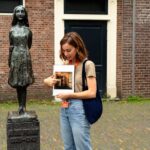
One corner of Amsterdam turns into a whole lesson. This 2-hour small-group tour links you with people and turning points most walks skip. I especially like how the guide uses the city as a living classroom and keeps the pace moving without making it feel rushed.
You’ll get quietly powerful stories at real addresses, not just facts floating in the air. I also like that it stays inclusive in tone, with guides such as Elizabeth, Tanja, Astrid, and Elyzabeth bringing different perspectives and handling questions clearly.
One thing to consider: it’s a lot of story in a short window, so if you want long pauses to sit with views, you might feel a bit “on the go.”
- Max 12 people keeps questions possible and the experience personal
- English guide with a track record of accommodating hearing and wheelchair needs
- Nine-to-one focus on overlooked people: LGBTQ+ history, philosophy, Black community life, Jewish rescue networks
- All listed stops have free admission, so you’re paying for the story, not tickets
- Ends at H’ART Museum (formerly Hermitage Amsterdam), making it easy to roll into museums after
- Guides you may hear from include Elizabeth, Tanja, Astrid, and Elyzabeth
In This Review
- Why this 2-hour Amsterdam walk feels different
- Getting your bearings at the Dutch National Opera and Ballet
- Spinoza Monument: philosophy with an edge
- Mozes en Aaronkerk and Amsterdam’s 17th-century free Black community
- Portuguese Synagogue of Amsterdam: rescue networks during the Inquisition
- Hortus Botanicus: Indonesian rebels and two very different lives
- De Burcht: diamonds, unions, and rights you use
- ARTIS Amsterdam Royal Zoo: flamingos plus WWII courage
- University of Amsterdam campus: suffrage and diplomacy on one route
- H’ART Museum finish: why art fame can depend on family
- Price, pacing, and what you really get for $48.16
- What it’s like with a guide who handles real needs
- Who should book this Amsterdam history tour
- Should you book BadAss Tours’ Small-Group Amsterdam stories?
- FAQ
- How long is the Small Group Hidden Gems Tour in Amsterdam?
- Is the tour offered in English?
- How many people are in the group?
- Where does the tour start and end?
- What is included in the price?
- Do I get a mobile ticket?
- What’s the cancellation policy?
Why this 2-hour Amsterdam walk feels different
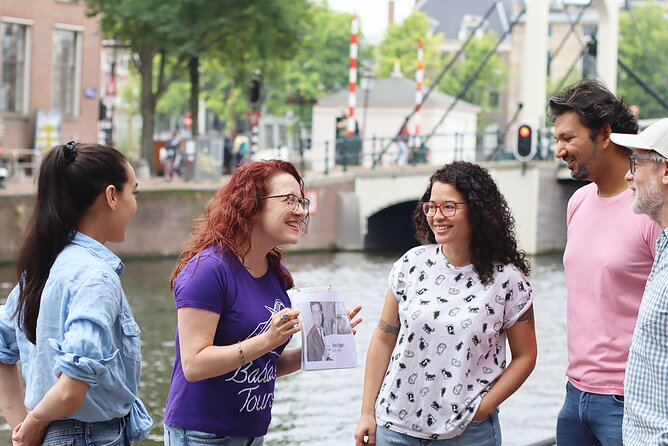
Amsterdam can be two things at once: gorgeous and complicated. This tour keeps both in view, but it leans into the complicated part—how rights, ideas, and courage were argued for in real neighborhoods.
The group size is small (up to 12), and that matters more than you’d think. In a smaller group, you’re more likely to get direct answers instead of listening from the back. The timing also helps: about 2 hours, with short stops so you’re never stuck in one place too long.
At $48.16 for a guided walk with admission-free stops, you’re really paying for interpretation. You’re not just buying access to sites; you’re buying the guide’s ability to connect dots between distant corners of Amsterdam’s past.
Getting your bearings at the Dutch National Opera and Ballet
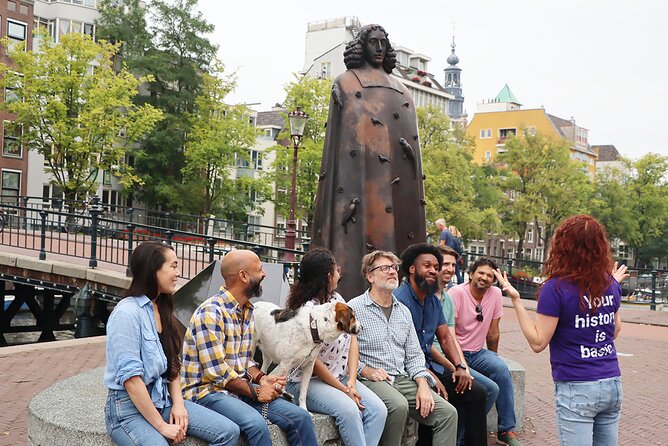
The tour starts near Amstel 23, close to the Dutch National Opera & Ballet. The best part here is not the building as a postcard. It’s what happened inside an unassuming place.
You’ll hear about the world’s first gay marriage and how a moment that changed lives played out in Amsterdam. Even if you’ve read headline-level versions of LGBTQ+ history, the value is in the grounding: the story is tied to a specific setting, so it lands as lived history rather than a vague milestone.
Practical tip: expect the first minutes to set the tone. Good footwear helps too, because you’ll be walking again soon after this stop.
You can also read our reviews of more tours and experiences in Amsterdam.



Spinoza Monument: philosophy with an edge
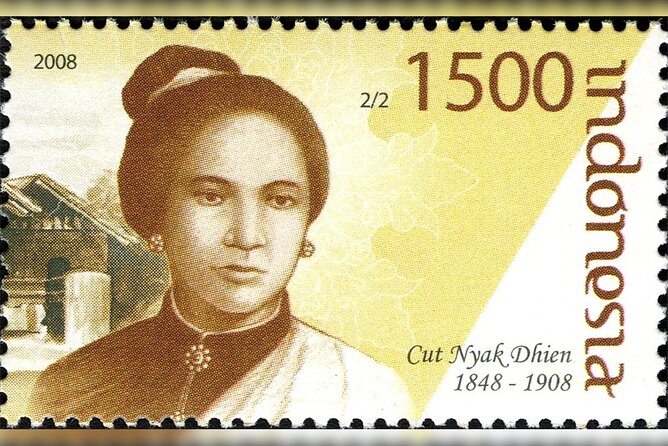
Next you’re at the Spinoza Monument, and the story shifts from rights to thought. You’ll learn how Baruch Spinoza became an outcast in his own community, and why that matters for how people talk about disagreement today.
This stop works because it’s short but pointed. You get a clean version of the backstory: what kind of thinker he was, how his ideas were received, and what social “permission” looked like in that era. If you like philosophy, you’ll enjoy the clarity. If you don’t, you’ll still come away with a simple takeaway: communities don’t always reward honest thinking.
Mozes en Aaronkerk and Amsterdam’s 17th-century free Black community
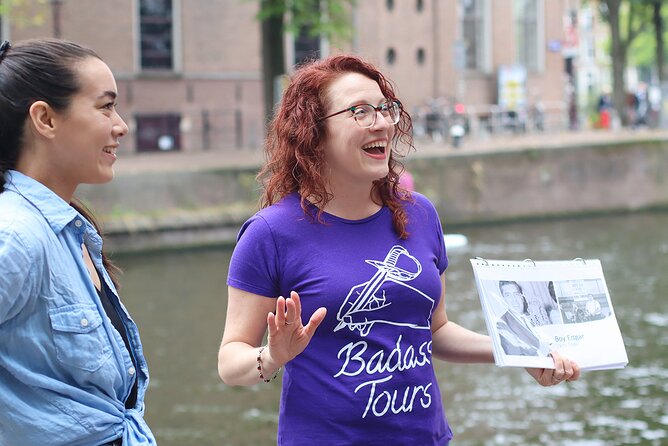
At Mozes en Aaronkerk, you’ll hear about a couple in Amsterdam’s free Black community in the 17th century. This is one of those stops that makes you notice how easily “Amsterdam history” gets reduced to a few famous names and canals.
What makes the stop meaningful is the focus on everyday life and relationship, not just labels. It helps you understand that “being visible” could take different forms, and that freedom and community were real, local, and complicated.
Watch for the emotional tone: this section tends to shift from explanation to reflection.
Portuguese Synagogue of Amsterdam: rescue networks during the Inquisition
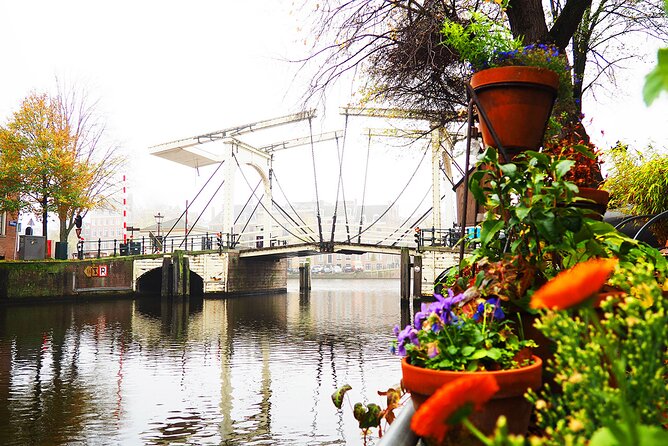
The tour then moves into the Portuguese Synagogue of Amsterdam area, where you’ll stand between historic synagogues and hear a story tied to the Spanish and Portuguese Inquisitions.
The headline you’ll remember is the heiress who helped create an underground railroad network. The framing is important: this isn’t presented as a general myth about bravery. It’s taught as a specific mechanism of risk, secrecy, and support inside a city that had to think fast to survive.
If you’re curious about Jewish history beyond the usual timelines, this stop gives you a different angle. It’s about how protection networks actually worked—at least as the story here describes.
Hortus Botanicus: Indonesian rebels and two very different lives
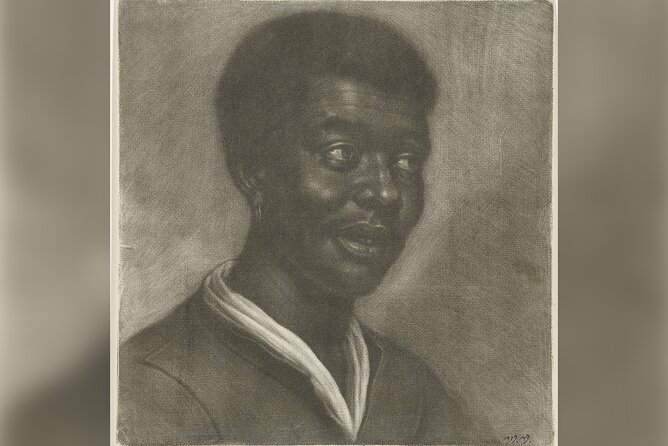
At Hortus Botanicus, you’ll hear harrowing stories about two Indonesian rebels and revolutionaries. The key detail you’ll carry is that the two people led very different lives, even though they were both tied to resistance.
This is valuable for two reasons. First, it widens your Amsterdam lens beyond Europe. Second, it reminds you that resistance isn’t one style. Sometimes it’s armed. Sometimes it’s political. Sometimes it’s a personal decision to stay human in inhuman systems.
Even though the stop is only about 10 minutes, it’s paced like a story beat, not like a facts dump.



De Burcht: diamonds, unions, and rights you use
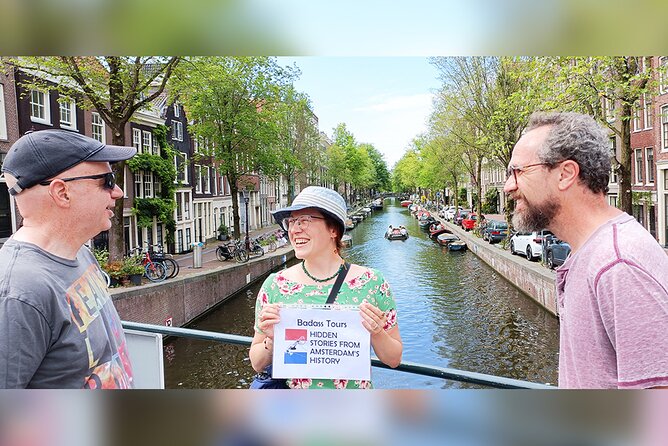
Then comes De Burcht, connected to Amsterdam’s diamond history. You’ll learn how the workers’ union that built this iconic building helped push forward rights many citizens rely on today.
This stop surprised me in a good way because it reframes Amsterdam’s “craft” reputation. Diamonds can sound like wealth and romance. The guide brings it back to labor: who worked, who organized, and what people demanded as a group.
If you care about politics but hate lectures, this is where you’ll feel at home. It’s about real-world outcomes—how collective action became practical protection.
ARTIS Amsterdam Royal Zoo: flamingos plus WWII courage
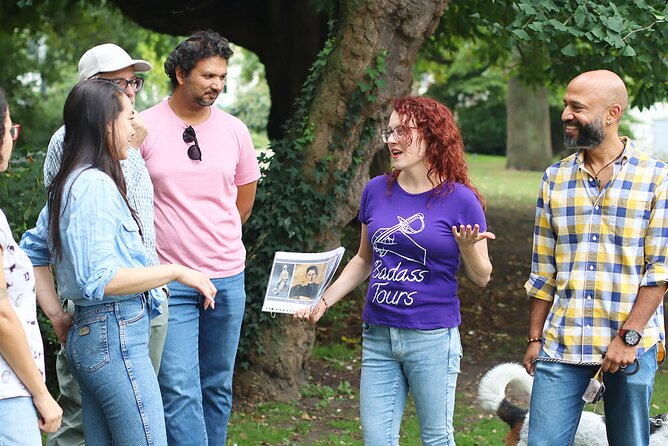
At ARTIS Amsterdam Royal Zoo, you’ll pass the famous flamingos while the guide talks about influential Amsterdammers—artists, and also WWII resistance heroes.
This part is a smart choice for a walking tour. You’re not staring at one historic plaque for too long. Instead, you get a visual break, plus a wider “who mattered” snapshot.
The WWII piece lands hardest when it’s connected to specific names and choices. The guide’s storytelling approach here is the same one you’ll notice throughout the walk: short scene, human stakes, then meaning.
Practical note: since this is still a walk, you’ll want layers. Zoo air can feel cooler than you expect, especially near bodies of water.
University of Amsterdam campus: suffrage and diplomacy on one route
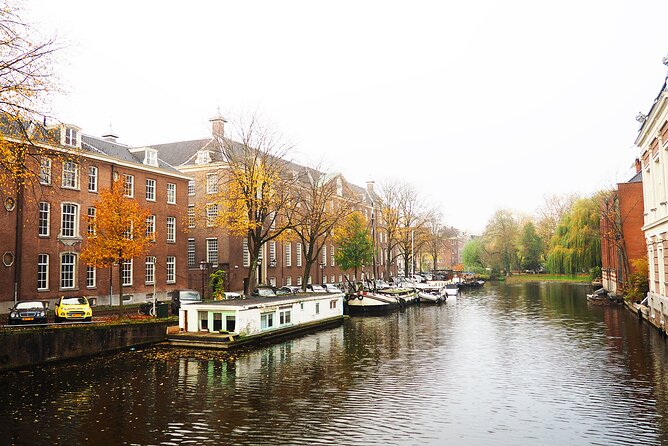
Crossing through the main University of Amsterdam campus, you’ll learn about an influential suffragist and a world-changing diplomat.
This stop works best if you like learning how movements spread. The suffrage angle ties into the theme you heard at the opera earlier—rights didn’t appear out of nowhere. The diplomat angle adds another dimension: not only fighting for change, but negotiating it into policy and practice.
You don’t need to be a student to enjoy this. The guide keeps it readable, and the campus setting helps the stories feel grounded.
H’ART Museum finish: why art fame can depend on family
The tour ends in front of H’ART Museum at Amstel 51 (formerly the Hermitage Amsterdam). The final story is about an art-world figure whose reputation was shaped in unexpected ways—through a relative who barely knew him.
That end point is a great “click moment.” You’ve spent the walk learning about ideas, identities, and power. Then you step into an art institution and hear how fame, memory, and family connections can influence what gets preserved.
If you want to continue your day, this is a clean handoff. You can roll from “story walking” into actual exhibits without needing to re-orient.
Price, pacing, and what you really get for $48.16
For $48.16 and about 2 hours, the value comes down to three things:
- All listed stops are admission-free in the tour format, so you’re not paying ticket fees on top of a guide.
- You’re getting a focused storyline across multiple neighborhoods rather than a random highlight list.
- The guide is doing the hard work: turning places into context, and context into memory.
The group limit (12 max) also protects the quality. In practice, that means less time waiting for your turn to ask questions and more time hearing clear answers.
If you’re budgeting for Amsterdam, this is a good “anchor tour.” It gives you a framework you can use when you later wander on your own.
What it’s like with a guide who handles real needs
One of the most praised parts in the guide performance is how they manage the group energy. Elizabeth, for example, came across as approachable and never rushed, which matters when you’re learning fast-moving stories.
There’s also a meaningful note about accommodations: a guide made efforts to accommodate a mother in a wheelchair and with hearing limitations. That doesn’t mean every person with every need will have the same experience, but it does tell you the guides take access seriously in the moment.
So if you have questions about routes, pace, or hearing support, it’s worth asking ahead. The tour description indicates it’s for most people, and service animals are allowed.
Who should book this Amsterdam history tour
I think this tour is a strong fit if you want:
- an Amsterdam walk that centers under-told people and rights movements
- history that connects to real places like synagogues, monuments, and university grounds
- a guide who tells stories with enough detail to make you remember names and themes
It may be less ideal if you primarily want:
- long museum time at one building
- a pure canal-and-architecture photography loop
- deep research level content without the short-stop pacing
Also, the guide’s viewpoint tends to be a big draw. If you’re the type who likes learning from a perspective that challenges the default city narrative, you’ll probably enjoy this.
Should you book BadAss Tours’ Small-Group Amsterdam stories?
Yes—if you’re open to a city walk that feels like a guided reading of Amsterdam’s choices and conflicts. The 5-star rating and 100% recommendation signal consistency, and the guide names people highlighted (Elizabeth, Tanja, Astrid, Elyzabeth) point to storytelling ability, not just facts.
I’d book it if you want a first or mid-trip tour. Two hours is short enough to fit your schedule, but the themes (LGBTQ+ rights, philosophy and dissent, Jewish rescue networks, labor rights, anti-colonial resistance) will keep echoing while you explore on your own.
If the weather is poor, keep flexible. The experience notes that it requires good weather, so you’ll want a backup date if rain can ruin your schedule.
FAQ
How long is the Small Group Hidden Gems Tour in Amsterdam?
The tour runs about 2 hours.
Is the tour offered in English?
Yes, it’s offered in English.
How many people are in the group?
The tour has a maximum of 12 travelers.
Where does the tour start and end?
It starts near Monument Megadlé Jethomiem by Amstel 23 (1011 PT Amsterdam) and ends in front of H’ART Museum (formerly the Hermitage Museum) at Amstel 51 (1018 EJ Amsterdam).
What is included in the price?
The tour includes a passionate guide. Admission tickets are listed as free for the stops.
Do I get a mobile ticket?
Yes, it’s a mobile ticket.
What’s the cancellation policy?
You can cancel for a full refund up to 24 hours before the experience’s start time. If it’s canceled due to poor weather, you’ll be offered a different date or a full refund.