REVIEW · AMSTERDAM
“The 10 Most Polluted Masterpieces: A Sustainable Digital Tour”
Book on Viator →Bookable on Viator
Art gets darker for reasons you can measure. This digital session walks you through the sustainability side of art conservation using an avatar-led experience, focused on the ten most polluted masterpieces and what pollution does to paint over time. I like that it keeps the story practical (not just doom-and-gloom) and that it’s easy to fit into a day thanks to the 10 to 30 minute format. One drawback: it’s a digital experience with a fixed daily time window, so it won’t scratch the itch for a long, in-person museum wander.
The good news is the logistics are simple. You’ll use a mobile ticket, join online at the scheduled time, and it’s set up as a private tour, so only your group participates.
What also stood out in feedback is how clearly the material gets explained when the guide brings an artist’s perspective. In particular, the name Annelies comes up as a standout guide for laying out her thoughts and process in plain language, and for making the virtual angle feel like more than a gimmick.
In This Review
- Key highlights you’ll care about
- A digital tour that treats conservation like a real-world problem
- How the tour typically moves through the 10 most polluted works
- Why the sustainability angle matters (and isn’t just a slogan)
- The avatar guide experience: helpful, not scary
- Timing and scheduling: when you can actually go
- Price and value: $12.51 for a focused art education
- Where the tour “meets”: online, but tied to an Amsterdam address
- Who this tour suits best
- What I’d do to get the most out of the session
- Should you book the 10 Most Polluted Masterpieces tour?
- FAQ
- Where is the meeting point for this tour?
- Is the tour fully online?
- How long does the tour last?
- How much does it cost?
- What language is the tour offered in?
- Is this a private tour?
- When is the tour available in Amsterdam?
- Is free cancellation available?
Key highlights you’ll care about
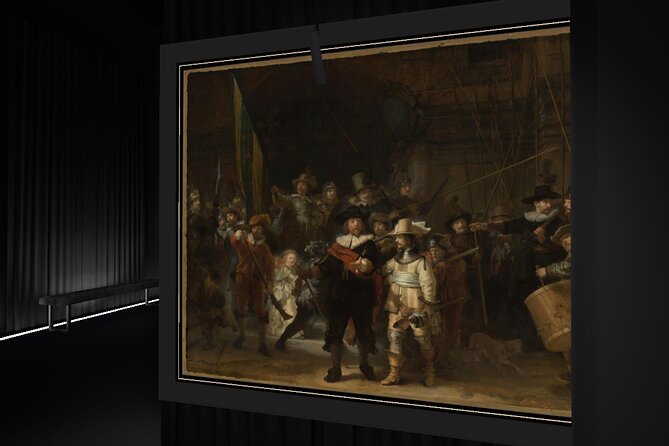
- Ten polluted masterpieces, explained as a sustainability lesson rather than a dry facts dump
- Avatar-led guidance that helps you follow the story on screen
- Short duration (10 to 30 minutes), so it fits between busy sightseeing blocks
- Private-by-group setup, which usually means less waiting and more attention
- English-language experience that’s accessible for most visitors
A digital tour that treats conservation like a real-world problem
This isn’t an abstract “art is beautiful” lecture. The whole point is how pollution affects paintings, and why conservation is part of the sustainability conversation.
You’ll be guided through the concept that artworks don’t live in a sealed bubble. Air quality, residues, and environmental stress can change surfaces and layers. The tour frames that slow damage as something we can understand—and respond to with better care, materials, and choices.
The format is also refreshingly time-efficient. If you’re the kind of traveler who hates committing to a full museum morning, this is closer to a focused art briefing. You get a start-to-finish experience without the marathon fatigue.
You can also read our reviews of more tours and experiences in Amsterdam.


How the tour typically moves through the 10 most polluted works
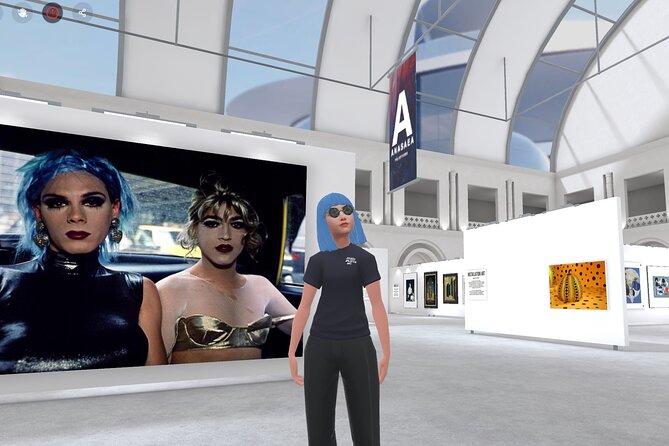
The experience is built around one core structure: the ten most polluted masterpieces. Even though it’s digital, it’s not random scrolling. Expect a guided path that keeps you moving from one artwork-focused idea to the next.
Here’s what that means for you as a viewer:
- You’ll likely spend time on what makes each painting relevant to the topic of pollution.
- You’ll get context for what conservation tries to prevent or reverse.
- You should come away with a sense of patterns—how different kinds of pollution show up as visible changes.
Because the tour is interactive, it’s also the kind of activity where you can’t totally tune out. If you’re paying attention to the explanations, the “why” clicks faster than it would if you were just reading wall text.
One thing to watch: since the experience centers on “most polluted” works, it can feel a bit heavy. That’s not a bad thing, though. It’s the material doing its job: turning conservation into something concrete.
Why the sustainability angle matters (and isn’t just a slogan)
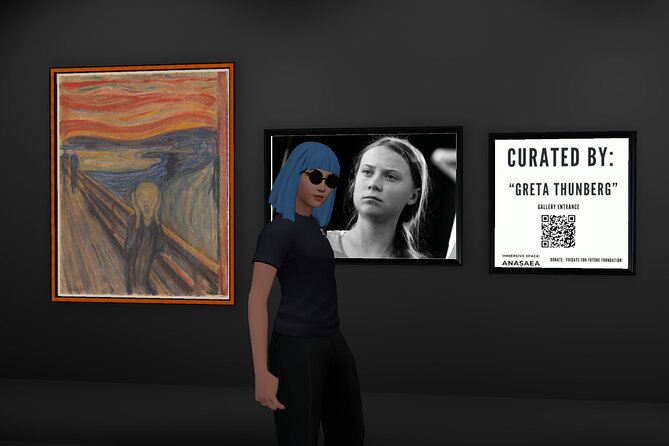
The title promises sustainability and conservation, and that combo matters for two reasons.
First, conservation isn’t only about cleaning. It’s about prevention, long-term planning, and reducing damage while protecting the integrity of the work. The tour’s framing pushes you toward that wider view.
Second, sustainability connects the art world to everyday reality. Pollution isn’t only a museum concern. You see the same pressures outside—airborne particles, residues, and the general mismatch between how we live and how fragile materials age.
That’s what makes this a good “value” experience. For $12.51 you’re not paying for a souvenir. You’re paying for a compact education you can carry into your future museum visits.
The avatar guide experience: helpful, not scary
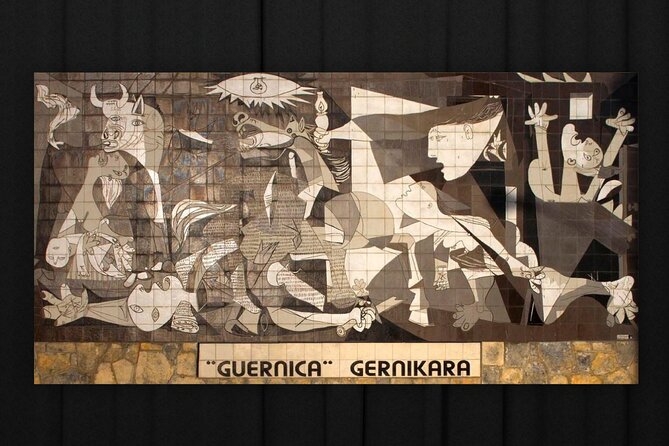
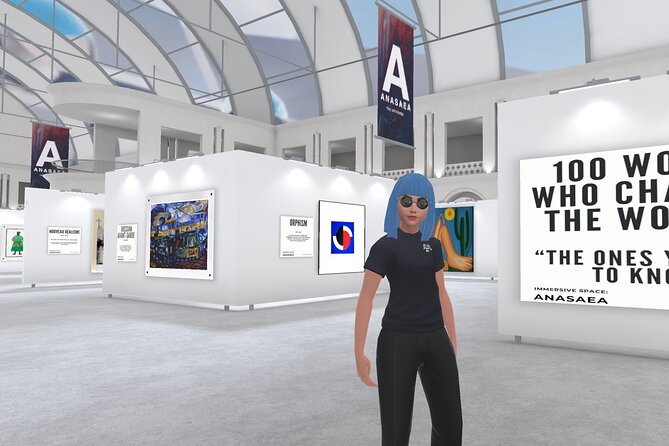
This tour uses an avatar guide approach. You won’t be trying to figure out where to stand or how to get the audio working in a big building. It’s guided on-screen, with you as the participant.
If you’ve ever felt lost inside interactive exhibits, this should feel calmer. You follow the guide’s lead and get the explanations in a straightforward sequence.
Also, feedback suggests the best part is the clarity of the explanation when the guide brings real artistic thinking. Names like Annelies show up in high-praise comments for giving valuable insights into thought process and how the work connects to ideas.
Even without a name for every tour instance, you can take one practical tip: plan to watch closely during the moments when the guide connects the pollution theme to conservation choices. That’s where the tour earns its keep.
Timing and scheduling: when you can actually go
This runs in Amsterdam during October 2026 with a tight window:
- Monday through Friday
- 5:00 PM to 5:30 PM
- October 1 through October 31, 2026
Duration is approximate: 10 to 30 minutes. That range is normal for digital tours, but it means you should show up early. If you arrive right at the start, you might feel rushed.
Practical advice for your day plan: build in a buffer before 5:00 PM. Even if the tech is simple, people run late. A 20-minute cushion saves stress.

Price and value: $12.51 for a focused art education
At $12.51 per person, this sits in the “cheap enough to try” category, especially if you like art but don’t want to pay museum-level entry prices for a short session.
The value comes from three things:
- A guided structure around ten specific works
- A conservation lens that gives you context, not just visuals
- A short time commitment, so you can stack it with other Amsterdam plans
If you’re already planning art stops and you’re paying attention to sustainability themes, this is a low-risk add-on. If you hate digital activities and only want physical experiences, you may feel like you paid for content you could read elsewhere. That’s the main tradeoff to consider.
Where the tour “meets”: online, but tied to an Amsterdam address
Even though the meeting point is listed with an Amsterdam street address, the experience itself is described as an online meet. You’ll need to be there at the scheduled time, then join the digital experience from your device.
The practical upshot: you don’t have to figure out museum routes or manage tickets for a specific building. You do need basic tech readiness—stable internet and a screen you can watch.
The address is also a helpful anchor if you’re staying near central Amsterdam. It’s “near public transportation,” which matters on the off chance you’re trying to sync timing with other plans in the city.
Who this tour suits best
This works best for:
- You if you want short, guided art education without a long museum commitment
- You if sustainability and conservation are topics you care about
- You if you prefer a private experience where your group can stay together without distractions
- You if English explanations help you enjoy art context
It’s less ideal if:
- You’re mainly looking for a hands-on, in-person viewing of paintings
- You dislike screen-based activities
- Your travel dates don’t match the Monday–Friday 5:00 PM slot in October 2026
One more note: the experience lists “most travelers can participate,” and it says service animals are allowed. That’s a good sign for general suitability.
What I’d do to get the most out of the session
Before you start, do two tiny prep steps:
- Plug in your device or use a charger if you can.
- Have a notebook or notes app ready for a few takeaways.
Then during the tour, follow the “why” not just the “what.” The most memorable part of a conservation-themed experience is usually when the guide connects visible damage to reasons and responses. That’s the difference between watching art and understanding how it survives.
If you’re pairing this with Amsterdam sightseeing, schedule it like you’d schedule a quick guided talk. Afterward, when you see paintings in galleries, you’ll have a better instinct for what to notice.
Should you book the 10 Most Polluted Masterpieces tour?
Yes, if you want a compact, guided sustainability-and-conservation education that fits into a tight afternoon window—and you’re happy with a digital format. The price is low, the session is short, and the private-by-group setup is a nice bonus.
Maybe not, if your dates don’t line up with the weekday 5:00 PM slot in October 2026, or if you want the full physical museum experience. In that case, you might prefer an in-person gallery tour instead.
If you’re on the fence, think of it this way: this is a “high signal” add-on. You’re paying for clarity around pollution and conservation in a way you can actually finish in one sitting.
FAQ
Where is the meeting point for this tour?
The meeting point is listed at Paleisstraat 107, 1012 ZL Amsterdam, Netherlands. The activity ends back at the meeting point.
Is the tour fully online?
Yes. The meeting point is online, and you need to join at the scheduled time.
How long does the tour last?
The duration is approximately 10 to 30 minutes.
How much does it cost?
It costs $12.51 per person.
What language is the tour offered in?
The tour is offered in English.
Is this a private tour?
Yes. It’s a private tour/activity, and only your group participates.
When is the tour available in Amsterdam?
It’s scheduled for October 2026, Monday to Friday from 5:00 PM to 5:30 PM.
Is free cancellation available?
Yes. You can cancel up to 24 hours in advance for a full refund. If you cancel less than 24 hours before the experience starts, the amount paid is not refunded.